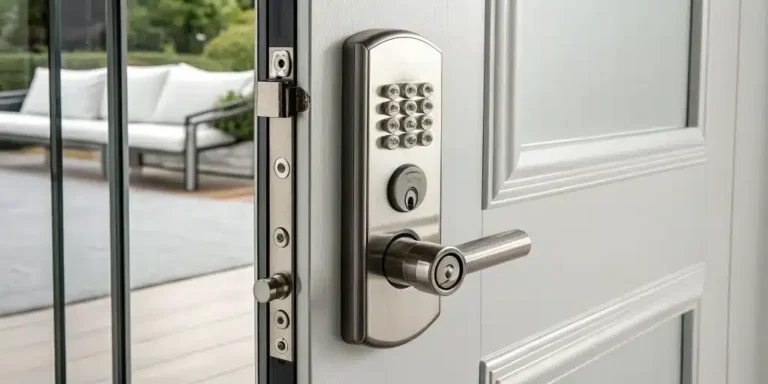

Changing the locks on an NYC apartment is one of those jobs most people put off until something goes wrong. A lost key, a bad roommate situation, a broken deadbolt on a Tuesday night. The truth is that a lock change is cheap insurance, and there are a handful of moments where it stops being optional and starts being the smart, obvious move. Here is a clear breakdown of when you should change the locks on your New York apartment, when a rekey will do the same job for less, and what to look for in a locksmith you trust with your front door.
Decided it is time? We rekey or replace apartment locks across Manhattan, Brooklyn, Queens and The Bronx, match the hardware to your door and your building’s rules, and hand you the new keys before we leave. See our lock change service in NYC or call (212) 204-1655.
Key Takeaways
- Move-in day is the right time: You never really know how many copies of your keys are floating around from previous tenants, brokers, and contractors, so a fresh cylinder on day one is the cleanest reset.
- A rekey is usually enough: If your existing hardware is healthy, repinning the lock gives you the same security reset as a full replacement at a fraction of the cost.
- Upgrade when the door itself is the weak point: Tired builder-grade locks, loose strike plates, or a cylinder that has been tampered with are signs it is time to replace the hardware, not just the key.
Move Into a New Apartment? Change the Locks First
The single most common reason to change the locks on an NYC apartment is moving in. Between the previous tenant, their roommates, cleaners, brokers, supers, and whoever the last owner handed a spare to, there is no realistic way to know how many keys are out there. A landlord can swear the cylinder has already been changed, and they may even mean it, but it is your safety on the line and your lease name on the door.
In most co-ops and rentals you are allowed to swap the cylinder inside the existing deadbolt as long as you leave the hardware intact and give the super a working key. A simple rekey done on move-in day covers you for the entire time you live there, and the cost is small enough that it is not worth arguing about.
After a Lost, Stolen, or Unaccounted-For Key
If your keys disappeared on the subway, got lifted out of a bag at a bar, or simply did not come back from a friend who used to water the plants, treat that key as if someone already has your address. A lost key attached to a building tag or a piece of mail is a worst-case scenario, but even without that link, there is no way to know where it ended up. Changing the lock is the only way to be sure that key no longer opens your door.
Break-Ins and Attempted Entries
After a break-in or an attempted one, replacement is usually the right call rather than a rekey. The cylinder, the strike plate, and sometimes the door itself have been stressed or damaged, and the lock that failed once is not the lock you want guarding your apartment tomorrow. A locksmith can help you step up to a sturdier grade of hardware at the same time, so the next attempt meets a much harder target.
Roommate, Partner, or Sublet Changes
New York apartments turn over constantly. Roommates move out, relationships end, short-term guests come and go, and each of those changes leaves a trail of keys. If the door you share with someone else is no longer a door you want them walking through, change the lock. It is a practical decision, not a dramatic one. Same logic applies when a sublet ends or when a long-term guest goes home with a key they never gave back.
Signs Your Current Lock Is Already Failing
Sometimes the apartment tells you it is time. A cylinder that sticks, a key that only turns if you wiggle it just right, a bolt that drags against the strike plate, or a deadbolt that no longer throws fully into the frame are all signs the hardware is on its way out. A tired lock is not just annoying, it is easier to pick, easier to bump, and more likely to fail at the worst possible moment.
- The key sticks, catches, or has to be jiggled to turn.
- The deadbolt does not extend fully into the strike plate.
- The cylinder looks chewed up, scratched, or has visible tool marks around the keyway.
- You can see daylight or feel drafts around the door frame where the lock meets the jamb.
- Your building still uses the original lock from decades ago and no one can account for how many keys exist.
When an Upgrade Is Worth the Money
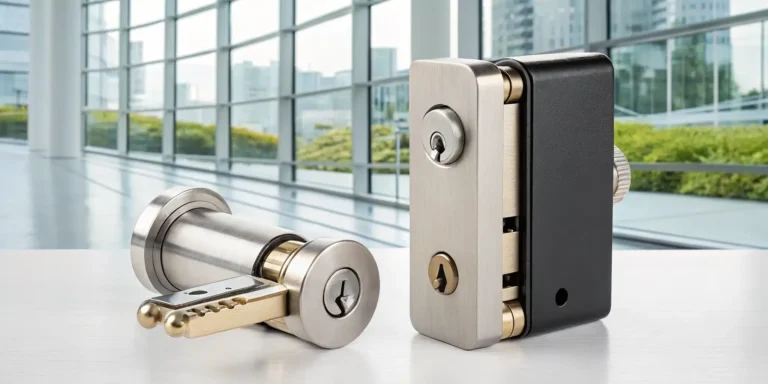
Most standard apartment locks are builder-grade and were picked to be cheap, not secure. If your front door is the only thing between your apartment and a public hallway, a step up to a higher-security cylinder is a reasonable investment. Look for pick-resistant pins, a reinforced strike plate anchored deep into the stud, and patented key control so copies cannot be cut at a hardware store without your authorization.
If you run a business out of your apartment or a storefront attached to your building, the calculation changes again. A commercial locksmith can spec out a high-security lock that handles much higher traffic and gives you real key control across multiple doors and multiple users.
Rekey or Replace? How to Decide
People tend to ask for a full lock change when what they actually need is a rekey. The two solve the same core problem, which is making sure any old keys stop working, but they solve it in different ways. A rekey repins the cylinder inside your existing lock so the old key no longer turns it. A replacement swaps the whole hardware out for something new.
Rekey when the lock is in good shape and you just want a clean key list. Replace when the hardware is damaged, outdated, or not the security level you want for the door in question. A good locksmith will walk you through both options honestly and let you decide once you have the price and the trade-offs in front of you.
Can you legally change your locks as a tenant?
In most cases yes, with two conditions that come from your lease rather than from any statute. First, many NYC leases require the landlord’s permission before you alter the door, and some spell out that locks are included. Second, nearly all of them require that the landlord or super hold a working copy of any new key, so they can get in for a fire, a leak, or a repair. Change the lock, hand over the key, keep a dated email as the record, and you are on solid ground. Skip the key handoff and you risk a lease violation and a deduction from your deposit if they ever have to force entry.
The law does protect you in the other direction. A landlord cannot change your locks to keep you out; that is an illegal lockout, and New York tenants cannot be removed without a court process. The narrow exceptions are a court-ordered eviction, a clearly abandoned unit, or an emergency where the door had to be secured, and even then you are entitled to a new key without delay. Check your lease for the exact wording; leases vary.
How to ask your landlord for a lock change
Put it in writing, even if you also call. An email creates a dated record and makes it easy for the landlord to say yes. Include what happened and when (the police report number if there was a break-in), which locks you want changed (usually every entry lock, not just the damaged one, since you do not know what was copied), and when you need it done. After a break-in it is reasonable to ask for it to be done right away, and to say so.
If the landlord is slow, follow up once, politely, and offer a solution: you can have a licensed locksmith do the work and send them the invoice, or do it yourself and hand over a key. Who pays depends on the reason: a break-in is a failure of the building’s security and usually falls to the landlord; a lost key or an unrequested change usually falls to the tenant. Check your lease, and if you are at a standstill, a tenant-rights resource such as LawHelpNY can tell you where you stand. When you are ready, our lock change service handles the door itself.
Choosing a Locksmith You Can Trust
NYC has no shortage of locksmith ads, and plenty of them are fronts for out-of-town call centers that tack on surprise fees once the technician is at your door. Stick with a licensed, local shop that gives you a real price over the phone, shows up in a marked vehicle, and provides a receipt with a business address on it. If you ever find yourself locked out, call a company that actually dispatches from the city, not a pop-up ad promising a suspiciously low flat rate. For fast in-person help, our apartment lockout team covers Manhattan around the clock.
The Bottom Line
Changing the locks on your NYC apartment is not a paranoid move, it is basic maintenance on the single most important piece of hardware in your home. Do it when you move in, do it when a key goes missing, do it when a roommate or tenant situation shifts, and do it when the hardware itself is clearly tired. For every other situation, a quick rekey will give you the same peace of mind for a lot less money.
Need professional help in NYC? Contact Golden Key Locksmith NYC for Manhattan Locksmith Services or Apartment Lockout Help. Available 24/7 across Manhattan and all NYC boroughs.