Door Latch Broken and Door Will Not Open: What to Do
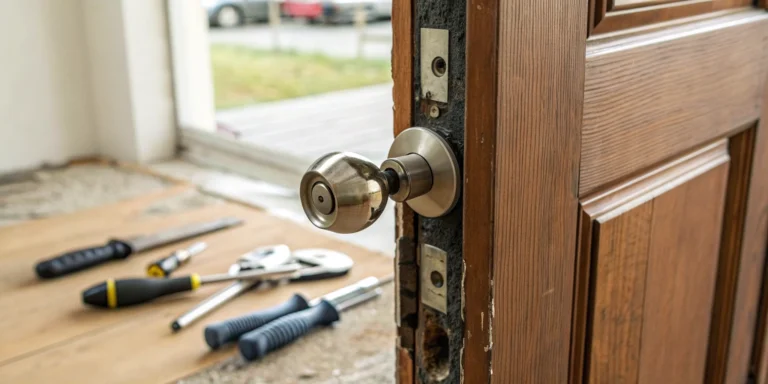
A handle that turns without retracting the latch usually points to a failed spindle, worn latch case, or latch bolt trapped under pressure. A handle that will not turn often means the latch is jammed or the door has shifted against the strike. The safest repair starts by identifying which condition you have—not by forcing the door.
If this is your only exit, a fire-rated door, or an occupied property that cannot be secured, stop troubleshooting and call for professional help. For other doors, use the checks below to separate a lock problem from a door-alignment problem.
Quick diagnosis: what the symptom usually means
- The handle turns freely but the latch stays out: the spindle or internal latch retractor may have broken.
- The handle is stiff and the door opens when you push or lift it: hinge sag or strike misalignment is loading the latch.
- The key turns but the door does not open: the cylinder may be working while the latch, deadbolt, or interconnected hardware is not.
- The door closes only when slammed: the strike, hinges, or frame should be corrected before the latch fails completely.
- The latch retracts with the door open but not when closed: alignment—not the lock—is the likely cause.
Safe checks to try before forcing the door
- Relieve pressure on the latch. While turning the handle, gently push the door toward the frame and then pull it toward you. If one direction releases it, the latch is probably binding against the strike.
- Check for hinge movement. From the accessible side, look for loose hinge screws, a dropped top corner, or fresh rub marks. Do not keep lifting or slamming the door; that can split the frame.
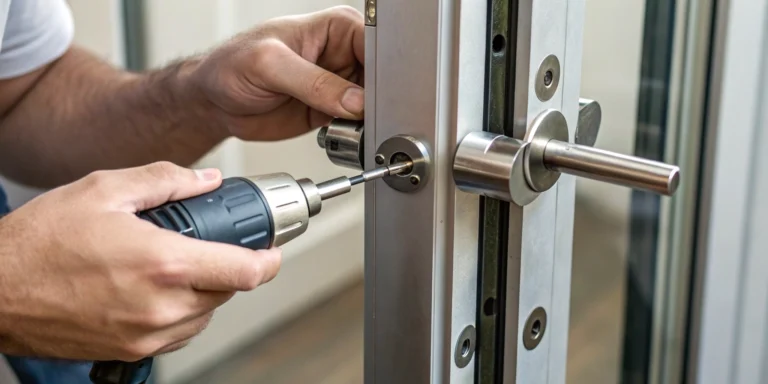
- Test the hardware only from the authorized side. If the interior trim has exposed screws and the door is not fire-rated or part of commercial egress hardware, a loose handle can sometimes be removed to confirm whether the spindle still operates the latch.
- Stop if the door or frame starts to flex. Pry damage usually costs more to repair than the original latch problem.
Do not use bypass methods on a deadbolt, high-security lock, apartment common-area door, storefront, or any door you do not own or have permission to service. An exterior door that will not lock should not be left unattended.
Latch failure or door alignment?
A latch can be replaced, but a new latch will fail again if the opening remains out of square. NYC buildings move with seasonal humidity, repeated use, loose hinges, worn pivots, and frame damage. The practical test is simple: once the door is open, operate the handle several times. If the latch moves smoothly while open but binds when closed, inspect the hinges, strike position, frame, and closer before replacing hardware.
Our door repair and installation team corrects the opening as a system: hinges, frame, strike, closer, latch, and lock. If the mechanism itself has failed, see our lock repair service.
When the door needs professional opening
Call a licensed locksmith or door technician when:
- the latch is fully jammed and gentle pressure does not release it;
- the door is a fire door, storefront door, apartment entry, or emergency-exit opening;
- the frame is splitting, the hinges are pulling out, or the door is visibly sagging;
- the lock is high-security, interconnected, electrified, or part of access control;
- you are locked out or the property cannot be secured.
For an urgent occupied-property problem, use our NYC emergency locksmith service. A technician can open the door with the least practical damage, identify whether the failure is in the latch or opening, and verify that the repaired door closes, latches, and locks normally.
What a complete repair should include
A lasting repair is more than swapping one part. The technician should confirm that the spindle engages correctly, the latch retracts fully, the strike aligns without forcing the door, hinge fasteners hold securely, and the deadbolt or lock engages without lifting or pushing the door. Commercial and fire-rated openings also need their closer and egress operation checked.
If the lock is worn but the door is sound, replacing the latch or lockset may be enough. If the door has dropped or the frame is damaged, alignment and frame repair should happen first.
Preventing another broken latch
- Tighten loose hinge, handle, and strike screws before movement damages the hardware.
- Address rubbing, scraping, or slamming instead of treating it as normal.
- Use lock-safe lubricant only where the hardware manufacturer permits it.
- Choose hardware rated for the door’s use; apartment entries and commercial doors cycle far more often than a low-use interior door.
- Have fire-rated, electrified, or high-traffic doors inspected when operation changes.
Frequently asked questions
Why does the handle turn but the latch not retract?
The handle may no longer be driving the spindle, or the internal retractor in the latch case may have broken. Pressure from a misaligned door can create the same symptom, so test operation with the door open before replacing parts.
Should I replace the latch or the complete lock?
Replace only the failed latch when the handles, cylinder, and security level are still appropriate. Replace the complete lockset when several components are worn, the hardware is incompatible, or the opening needs a security upgrade.
Can a misaligned strike break a new latch?
Yes. Repeatedly forcing the latch across a misaligned strike loads the retractor and spindle on every use. Correct the hinges, frame, or strike so the door latches without lifting, pushing, or slamming.
Is a sticking latch an emergency?
It is urgent when the door is the only practical exit, will not secure an occupied property, or is part of a required fire or egress opening. Otherwise, schedule repair before the latch fails completely.
Need help in NYC? Call Golden Key Locksmith NYC at (212) 204-1655 or request service.