Is the push bar on your exit door getting harder to press? Does the latch fail to engage properly when the door closes? These aren’t minor quirks; they are clear warning signs that your lock is failing. Ignoring them can lead to a sudden lockout, a security breach, or a dangerous situation in an emergency. Knowing when to act is key. This guide will help you recognize the definitive signs that it’s time for a push bar door lock mechanism replacement. We’ll then walk you through the entire process, ensuring your building remains safe, secure, and up to code.
Key Takeaways
- Focus on Code Compliance First: Your replacement lock must meet current ADA and NYC fire codes. This isn’t just about following rules—it ensures everyone can exit safely and helps you avoid costly fines.
- Confirm Compatibility Before You Buy: Measure your door’s thickness and backset to ensure a perfect fit. Sticking with a reputable, ANSI-certified brand is the best way to guarantee your new lock is both durable and secure.
- Nail the Installation Details: A successful installation hinges on the precise alignment of the latch and strike plate. Always test the push bar and key functions with the door open and closed before you tighten the final screws.
What is a Push Bar Door Lock?
If you’ve ever been in a school, movie theater, or office building, you’ve definitely used a push bar door lock. You might know it by another name, like a panic bar, crash bar, or an exit device. At its core, a push bar is a door opening mechanism that lets you open a door simply by pushing a bar. Its main job is to provide a fast and easy exit during an emergency, which is why you’ll find them on most emergency exit doors in public spaces.
These locks are a critical safety feature, designed to be intuitive so anyone can operate them without prior knowledge, even in a panic. While they are a staple in commercial locksmithing, they are also used in multi-unit residential buildings to ensure tenants have a clear and simple way to exit. The design is straightforward: a horizontal bar is mounted on the inside of an outward-swinging door. When you push it, a latch mechanism retracts, and the door opens. This simple, effective design is why it’s mandated by building codes for many types of public buildings.
Types of Push Bar Mechanisms
Push bar mechanisms, often called panic bars or exit devices, are heavy-duty hardware designed for safety and security. You’ll typically find them in commercial buildings where they help people exit quickly and safely. While they are built for high-traffic areas, some high-quality versions are also suitable for residential properties, especially for doors that need to be both secure and easy to open from the inside. These devices are a key part of any building’s door repair and installation plan, ensuring compliance with safety regulations while maintaining security.
How Push Bar Locks Work
The genius of a push bar lock is in its simplicity. When you push the bar, it activates a mechanism that retracts the latch from the doorframe, allowing the door to swing open. This provides a quick, unhindered exit. For security, these devices are designed to lock automatically when the door closes, preventing unauthorized entry from the outside. Many are constructed from heavy-duty materials like stainless steel, making them resistant to rust, fire, and corrosion. This durability ensures they can withstand heavy use in busy environments, making them a reliable component of your building’s overall security systems.
Signs It’s Time to Replace Your Push Bar Lock
A push bar lock is a workhorse, especially in a commercial setting. It’s used constantly, day in and day out. Like any piece of hardware that sees that much action, it won’t last forever. Knowing the signs of a failing push bar can save you from dealing with a sudden lockout, a security risk, or even a safety violation. If you’re starting to wonder whether your exit device is on its last legs, here are a few clear indicators that it’s time for a replacement.
Paying attention to these details helps you stay ahead of problems. A malfunctioning push bar isn’t just an inconvenience; it can compromise the safety and security of your building. If you spot any of these issues, it’s best to consult with a professional commercial locksmith to assess the situation and recommend the best course of action. Taking care of it early is always smarter than waiting for a complete failure.
Mechanical Issues and Malfunctions
The most immediate sign of trouble is how the push bar feels when you use it. Is it sticking, feeling loose, or requiring extra force to open the door? These are red flags indicating internal mechanical failure. The mechanism should operate smoothly and consistently every single time. If you hear grinding noises or the latch doesn’t retract or extend properly, the internal components are likely worn out. While a minor adjustment might offer a temporary fix, these symptoms usually point to a deeper problem that a full replacement will solve for good.
Safety and Compliance Concerns
Push bar locks are more than just a way to open a door; they are critical safety devices. They are designed to meet specific building codes, including ADA (Americans with Disabilities Act) rules for accessibility and fire safety standards. If your current push bar is an older model, it may no longer be compliant with current regulations. An outdated or non-compliant lock is a significant liability. Ensuring your exit hardware is up to code is essential for the safety of everyone in the building and for avoiding potential fines during an inspection.
Visible Wear and Damage
Sometimes, a push bar will show you it’s failing. Take a close look at the device itself. Do you see rust, significant dents, or cracks in the housing? This kind of visible damage can compromise the lock’s integrity and security. Even something that seems small, like a piece of a key breaking off inside the lock, often means it’s better to replace the entire unit rather than attempt a complicated repair. Addressing visible wear before it leads to a complete breakdown is a key part of regular door repair and installation maintenance.
Top Push Bar Lock Brands to Consider
When you’re responsible for the safety of a commercial building, the brand of your hardware truly matters. A push bar lock is more than just a way to open a door; it’s a critical piece of your building’s safety and security system. After years of installing and repairing these mechanisms across Manhattan, Brooklyn, and Queens, we’ve learned which brands consistently deliver the reliability and durability our clients need. Choosing a reputable brand ensures your exit doors are not only secure from the outside but also safe and easy to use for everyone inside, especially during an emergency. A quality push bar can withstand thousands of uses in a high-traffic area without failing, which is essential for any business. It’s an investment in security, compliance, and peace of mind.
Our Recommended Brands
When clients ask for our top recommendations, a few names always come to mind. Schlage, Adams Rite, and Von Duprin are industry leaders known for their quality engineering, robust materials, and commitment to safety standards. These are the brands our commercial locksmiths trust for high-traffic environments and security-sensitive applications. Each one offers unique strengths, but all three provide the confidence that comes with installing a proven, high-quality product on your property’s exit doors. We stand by these brands because we’ve seen them perform under real-world conditions, providing lasting security for businesses all over the city.
Schlage Commercial Solutions
You’ve likely used a Schlage lock countless times without even thinking about it. They are a household name for a reason: they build durable, dependable hardware. Their commercial line is no exception. Schlage’s push bar locks are designed to withstand the heavy use of a busy office, school, or retail store. They offer excellent security features, including options for keyless entry, which adds a layer of modern convenience. We often recommend Schlage exit devices for their smooth, reliable operation and long-lasting performance, making them a versatile and solid choice for most commercial properties.
Adams Rite Security Products
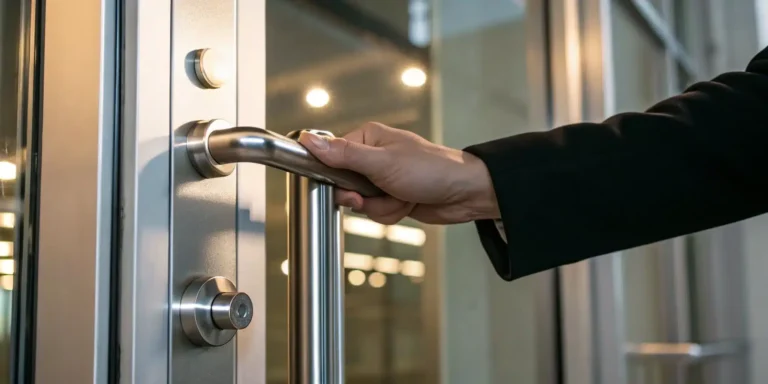
Adams Rite is a go-to brand for commercial doors, especially for the aluminum and glass storefronts common throughout New York City. They are known for innovative and well-designed locking solutions that provide top-tier security without compromising the door’s aesthetic. Adams Rite push bars are built to be both tough and user-friendly, making them a fantastic choice for businesses that want a secure, sleek, and reliable exit device. Their products are specifically engineered for the demands of commercial applications, ensuring they integrate perfectly and function flawlessly for years.
Von Duprin Exit Devices
When safety and code compliance are the absolute top priorities, Von Duprin is the industry standard. As a leading manufacturer of exit devices, their products are engineered to perform perfectly in an emergency, allowing for quick and easy egress. Von Duprin push bars are incredibly durable and are rigorously tested to meet stringent safety codes, including fire and panic hardware standards. For schools, hospitals, theaters, and any large public venue, choosing Von Duprin provides an unparalleled level of safety and reliability that building managers can count on.
How to Choose the Right Push Bar Lock
Picking the right push bar lock for your commercial property is a big deal. It’s not just about finding a piece of hardware; it’s about ensuring the safety of everyone who walks through your doors, meeting legal requirements, and securing your business. A push bar, or panic bar, is a critical safety feature designed for fast and easy exits during an emergency. With so many options out there, it can feel overwhelming to select the right one.
To make a confident choice, you need to focus on three key areas: compatibility with your existing door, the security features of the lock itself, and compliance with local and federal regulations. Getting any of these wrong can lead to costly fixes, potential fines, or worse, a safety hazard. Let’s walk through what you need to look for in each of these categories to find the perfect push bar lock for your building. Our commercial locksmith team is always here to help guide you through the process.
Check Door Compatibility
Before you even think about brands or features, you have to make sure the lock will fit your door. It’s like buying shoes—if they don’t fit, nothing else matters. Measure the thickness of your door; most push bars are designed for doors between 1-3/4″ and 2″ thick. You’ll also want to check the backset, which is the distance from the edge of the door to the center of the lock. A universal backset simplifies replacement. If the measurements don’t line up, you might need professional adjustments. Our door repair and installation services can ensure a perfect fit for any hardware.
Compare Security Features
A push bar is an exit device, but it’s also part of your building’s security system. You want a lock that allows for easy egress while preventing unauthorized entry. Look for trusted brands known for their durability and reliability. More importantly, check for certifications. A lock that meets ANSI (American National Standards Institute) standards has been tested for strength and performance, giving you confidence in its quality. Choosing a high-quality, certified lock is a fundamental step in protecting your property and the people inside it. This ensures your doors are not just accessible in an emergency but also secure against external threats.
Review ADA and Building Code Requirements
This step is non-negotiable. Your push bar lock must comply with the Americans with Disabilities Act (ADA) to ensure it’s accessible to everyone. This means it should be easy to operate without tight grasping, pinching, or twisting of the wrist. Beyond the ADA, you also have to follow local NYC building and fire codes, which can be complex. Installing a non-compliant lock can result in failed inspections and hefty fines. To avoid any issues, it’s always best to choose hardware that explicitly states it meets these requirements or consult with a professional who understands the local regulations for security systems.
Gathering Your Tools and Materials
Before you start unscrewing anything, let’s get organized. Having the right tools and parts ready will make this process much smoother and save you from making multiple trips to the hardware store. A little prep work goes a long way in turning a potentially frustrating task into a straightforward fix. Think of it as setting up your workspace for success. We’ll walk through the essential tools you’ll need, the safety gear to keep you protected, and the specific hardware to look for. This preparation is key, whether you’re a seasoned DIYer or just getting started. If you find the list of parts overwhelming, remember that our commercial locksmith team is always here to help you find exactly what you need for your NYC business.
Essential Tools for the Job
You don’t need a professional-grade workshop for this job, but a few key tools are non-negotiable. You’ll definitely want a good set of screwdrivers, including both Phillips and flat-head types, as the screws on these mechanisms can vary. A reliable pair of pliers will also be your best friend for gripping and adjusting small components, like the cylinder’s tailpiece. It’s also a good idea to have a small container or magnetic tray handy to keep track of all the screws and tiny parts you remove. Nothing stops a project in its tracks faster than a lost screw. With these basic tools, you’ll be well-equipped to handle the disassembly and installation.
Necessary Safety Equipment
Let’s talk about safety. Push bars and their internal mechanisms can be heavier and more awkward than they look. The last thing you want is for a heavy metal bar to slip and fall on your foot or damage your floor. Always maintain a firm grip when handling these components. I recommend wearing a pair of work gloves to improve your grip and protect your hands from sharp edges or pinch points. If the door itself is particularly heavy or you’re working alone, consider asking someone for help to hold things steady. Your safety is the most important part of any repair job.
Replacement Parts and Hardware
The term “push bar mechanism” covers a lot of moving parts, and you’ll need to identify which ones you’re replacing. Your new hardware might include components like end caps, the crossbar itself, or a full repair kit. When you’re shopping for a replacement, look for heavy-duty push bar door hardware, often called panic bars or exit devices, rated as ANSI Grade 1. This grade indicates the highest level of durability and security, which is exactly what you want for a high-traffic exit door. If you’re unsure about which parts to order or how they fit together, our experts in door repair and installation can source the right materials and ensure everything is installed correctly.
Step 1: Removing the Old Push Bar Mechanism
Alright, let’s get started on removing the old push bar. Taking apart existing hardware can feel like the most intimidating part of the job, but it’s completely manageable when you work methodically. The key is to be patient and organized. Before you even pick up a screwdriver, take a moment to look over the entire mechanism to understand how it’s attached to the door. This will give you a mental roadmap of what needs to come off and in what order. You’ll want to identify the main push bar, the end caps, the lock mechanism, and how it all connects. Having a clear plan makes the entire process smoother and helps prevent any missteps.
Remember, you’re not in this alone. If you start the process and find that the mechanism is more complex than you expected, or if a screw is stripped and refusing to budge, don’t force it. It’s always better to pause and call for backup. Our emergency locksmith team is available 24/7 throughout NYC to step in and take over, ensuring the job is done right without damaging your door. A professional can quickly handle unexpected issues, saving you time and potential frustration.
Safety Precautions Before You Start
First things first: safety. Before you remove a single screw, it’s crucial to make sure you won’t accidentally lock yourself in or out. If the door you’re working on is an essential exit, be sure to test the lock from the inside before you close it. You want to be certain you have another way out if needed. It’s also a good idea to prop the door open securely so it can’t swing shut while you’re working. A good pair of work gloves will protect your hands from any sharp metal edges, and safety glasses are never a bad idea when dealing with small hardware components.
A Step-by-Step Guide to Disassembly
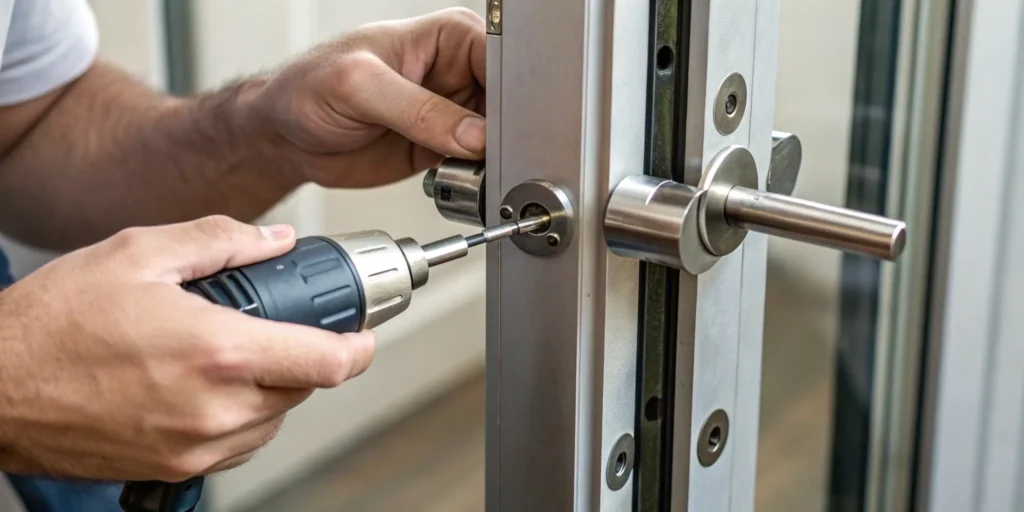
With your safety measures in place, you can begin the disassembly. Start by unscrewing the end caps and any cover plates to expose the main mounting screws. Once those are off, you can carefully detach the old panic bar from the door. Next, you’ll need to access the internal lock body. On many models, you can slide the bar to the side to get to it. For doors with rim cylinders, you’ll see a couple of screws holding the cylinder in place. Simply take out the old cylinder by removing those two screws, and the main locking component will be free.
How to Handle Heavy Components and Small Parts
As you start removing the main bar, keep a firm grip, as it can be surprisingly heavy. It’s best to have a clear space on the floor to set it down safely. One of the biggest frustrations during a DIY project is losing tiny, essential screws. A great pro tip is to put the small screws inside the cover of the door part you just removed so they don’t get lost. You can also use a magnetic tray or small, labeled plastic bags to keep everything organized. If you feel like you’re juggling too many parts, our commercial locksmith experts can handle the entire replacement with precision and care.
Step 2: Installing the New Push Bar Lock
With the old mechanism removed, you’re ready to install the new push bar lock. This stage requires precision and patience, as a correctly installed push bar secures your property and ensures a safe exit during an emergency. While this can be a manageable project, commercial properties often have specific code requirements. If you’re unsure about any step, our commercial locksmith team can ensure your installation is secure and compliant. Taking your time here will pay off with a lock that functions smoothly for years.
Preparing and Positioning the New Mechanism
First, unpack your new push bar lock and lay out all the components so you can see everything clearly. Before you attach anything, take a moment to prepare the push bar itself. If you are replacing the entire bar, you’ll need to measure and cut the new one to match the old one’s length for a proper fit. Use a tape measure for accuracy and a hacksaw for a clean cut. A bar that’s too short won’t engage correctly, and one that’s too long will jam. Once it’s sized correctly, you can position the main mechanism on the door, loosely threading the mounting bolts through to hold it in place.
Installing the Lock Body and Strike Plate
Now, install the lock body and strike plate. The lock body houses the latching mechanism, and the strike plate is the metal plate on the door frame where the latch engages. It’s critical to install a new strike plate on the door frame, making sure it lines up precisely with the new latch for proper engagement and security. A slight misalignment can prevent the door from latching. Attach both components, but don’t fully tighten the screws yet; this gives you room for final adjustments. Proper door repair and installation ensures every component works together seamlessly.
Testing and Making Final Adjustments
Before you call the job done, test everything thoroughly. With the door open, test the key operation and the push bar function before final tightening, ideally from inside the room first. Does the bar depress smoothly? Does the latch retract and extend fully? Next, close the door and test it again. Make sure the key turns smoothly and the cylinder’s tailpiece fits correctly into the crash bar. If you feel resistance, check the alignment. Once you’re satisfied, tighten all the screws securely. If something goes wrong and you get stuck, our emergency locksmith service is available 24/7.
Common Installation Mistakes to Avoid
Even with the right tools and a detailed guide, a few common slip-ups can turn a straightforward installation into a major headache. These mistakes might seem small, but they can compromise the security and function of your push bar lock, potentially damaging your door or the lock itself. Knowing what to watch out for can help you get the job done right the first time, ensuring your property is safe and compliant. Let’s walk through some of the most frequent errors so you can sidestep them and achieve a secure, professional-quality installation.
Misalignment and Compatibility Issues
One of the biggest hurdles is ensuring all the parts play nicely together. It’s always a good idea to buy the push bar and the exterior trim from the same manufacturer. Different brands have unique mechanisms, and mixing and matching can lead to parts that just don’t work together correctly. Another critical point is alignment. When you install the new strike plate on the door frame, it needs to line up perfectly with the latch. If it’s even slightly off, the door won’t lock correctly, leaving your property vulnerable. This is a common issue we see in commercial locksmith service calls, and getting it right is essential for security.
Errors in Handling and Assembly
The devil is in the details, especially when it comes to small parts and heavy components. When you’re taking the old lock apart, you’ll find tiny screws—it’s smart to put them in a magnetic tray or a small cup so they don’t get lost. During reassembly, pay close attention to how internal pieces fit. For example, a tiny metal tab often needs to slot perfectly into a collar for the key mechanism to turn. If you’re working with a heavy panic bar, be careful. When you remove the main screws, the bar can fall, so always keep a firm grip on it. A mistake here could not only damage the door but also lead to an unexpected lockout, requiring an emergency locksmith visit.
Finding Reliable Product Reviews
Before you invest in a new push bar lock, doing a little homework can save you a lot of headaches down the road. The right mechanism will keep your property secure and compliant for years, while the wrong one can lead to frequent repairs, safety hazards, and even fines. The best way to make a smart choice is to look at a mix of professional evaluations and real-world user feedback. This gives you a complete picture, combining the technical specifications from experts with practical, day-to-day performance insights from people who have already installed and used the lock. Think of it as getting advice from both an engineer and the person who actually uses the door every single day.
This balanced perspective helps you understand not just if a lock is well-made, but if it’s the right fit for your specific door, your building’s traffic levels, and your budget. For business owners in New York City, this step is especially important, as the choice impacts everything from employee safety to compliance with local building and fire codes. Taking the time to read reviews ensures you’re making a confident, informed decision for your commercial locksmith needs and protecting your investment. It’s about finding that sweet spot between technical performance and real-world reliability.
Professional Industry Resources
For the technical deep dive, professional industry resources are your best friend. These are guides, articles, and spec sheets created by manufacturers and industry experts who live and breathe door hardware. They provide detailed information on things like fire ratings, code compliance, and installation nuances that you won’t find in a typical customer review. For example, a comprehensive guide to panic bars can break down the specific requirements for different types of public buildings, ensuring you choose a compliant device. These resources are perfect for understanding the technical side of your replacement project and making sure you get the hardware right the first time.
Online Review Platforms and Forums
While professional resources give you the specs, online review platforms show you how a product performs in the real world. Websites like Amazon and Home Depot feature customer reviews that offer honest feedback on installation difficulty, durability, and daily use. Reading through what other business owners and maintenance managers have to say can reveal potential quirks or benefits you wouldn’t have known otherwise. For instance, you might find reviews for a commercial push bar that consistently praise its smooth operation but mention tricky installation instructions. This kind of insight helps you weigh the pros and cons and choose a lock that fits both your security needs and your practical capabilities.
How to Save Money on Your Push Bar Replacement
Replacing a push bar lock is a necessary investment in your property’s safety and accessibility, but it doesn’t have to break the bank. With a bit of planning, you can manage the costs effectively without compromising on security. The biggest factors in your budget will be the price of the hardware itself and the cost of installation. Let’s look at a few practical ways you can save money on the project.
Professional Installation vs. DIY
One of the first questions you’ll face is whether to hire a professional or do it yourself. A DIY approach can certainly save you the cost of labor. The process involves disassembling the old unit, removing its screws and covers, and carefully installing the new lock. If you’re handy and have the right tools, you can follow a detailed video tutorial to guide you through the steps.
However, it’s important to weigh the upfront savings against the potential risks. An incorrectly installed push bar can fail during an emergency, violate building codes, or damage the door, leading to more expensive repairs later. Hiring a professional commercial locksmith ensures the job is done right the first time, giving you peace of mind that your property is secure and compliant.
Bulk Purchase and Cost-Saving Options
If you’re a property manager or business owner looking to replace multiple push bar locks, buying in bulk is one of the smartest ways to save. Many hardware suppliers offer significant bulk discounts that can lower the per-unit cost dramatically. Before you buy, take the time to shop around and compare prices from different retailers.
Keep an eye out for sales and special promotions. You can often find competitive deals on high-quality hardware if you know where to look. Planning your replacement project ahead of time gives you the flexibility to wait for a good sale, ensuring you get the best possible price on the parts you need.
Related Articles
- Artificial Intelligence In Security (Guide)
- Locksmith Services
- Install a Push Bar Exit Door: A Step-by-Step Guide
Frequently Asked Questions
My push bar is sticking. Can it be repaired, or do I have to replace the whole thing? While a minor adjustment might sometimes solve a small issue, a sticking or jamming push bar usually points to worn-out internal parts. Think of it like a car engine; you can patch a small leak, but if the core components are failing, a patch won’t last. For a device this critical to safety, replacing the mechanism is almost always the smarter, more reliable long-term solution to ensure it works perfectly when you need it most.
Is replacing a push bar lock a good DIY project? If you have significant experience with commercial door hardware, it can be a manageable project. However, for most people, I’d recommend calling a professional. The installation requires precision—a slight misalignment can compromise security or prevent the door from latching correctly. Plus, a professional locksmith will ensure the new lock is fully compliant with NYC’s specific fire and accessibility codes, which protects your business and gives you peace of mind.
Why is code compliance so important for these locks? Code compliance is about more than just avoiding fines during an inspection; it’s about public safety. These regulations, including ADA standards, ensure that in a true emergency, anyone can exit the building quickly and without difficulty, regardless of their physical ability. A non-compliant lock can be a serious liability and, more importantly, could fail to function properly in a critical moment.
Does the type of building I have affect which push bar I should choose? Absolutely. The hardware you need for a low-traffic office door is very different from what’s required for a main exit at a busy school or hospital. High-traffic public venues need an incredibly durable, rigorously tested exit device, like those from Von Duprin. For a standard storefront or office, a reliable commercial brand like Schlage or Adams Rite is often a perfect fit. It’s all about matching the hardware’s durability to its daily demands.
If a push bar is designed for easy exit, does that make it less secure from the outside? Not at all. That’s the genius of their design. They are built to provide foolproof, one-push egress from the inside while remaining completely secure from the outside. From the exterior, the door functions as a locked, secure entry point that typically requires a key or an access control system to open. You get the best of both worlds: fast, safe exits and a strong defense against unauthorized entry.
Need professional help in NYC? Contact Golden Key Locksmith NYC for Metal Door Repair. Available 24/7 across Manhattan and all NYC boroughs.