Your exit doors have two very different jobs. They need to let people out instantly in an emergency, but they also need to keep unauthorized people out the rest of the time. Finding a solution that masters both safety and security is key. A properly installed panic bar door is designed to do exactly that. From the inside, it provides an immediate, unobstructed exit path with a simple push.
Ready to have one fitted? We survey the door, match the device, and set it at code height. See panic bar installation in NYC or call (212) 204-1655.
From the outside, it remains securely locked to protect your property. This guide explores how this essential hardware works and how it can be integrated with modern security systems for complete peace of mind. For the installation side, see our panic bar installation guide; if the hardware is already failing, review our guide to push bar door lock mechanism replacement.
Key Takeaways
- Understand the Safety Codes First: Panic bars are legally required life-safety devices, not just door handles. Familiarize yourself with the core NFPA and ADA requirements for installation height, operating force, and fire-door compatibility to ensure your business is safe and compliant.
- Match the Hardware to Your Door’s Demands: The right panic bar depends entirely on your specific situation. Consider your door type (single, double, or glass), the volume of daily foot traffic, and any security integrations you need to select the most reliable device for your space.
- Rely on Professional Installation and Regular Checks: A panic bar is only as good as its installation and upkeep. Always use a professional locksmith to ensure it’s fitted correctly, and perform simple monthly inspections to confirm the mechanism is secure and functions smoothly.
What Exactly Is a Panic Bar Door?
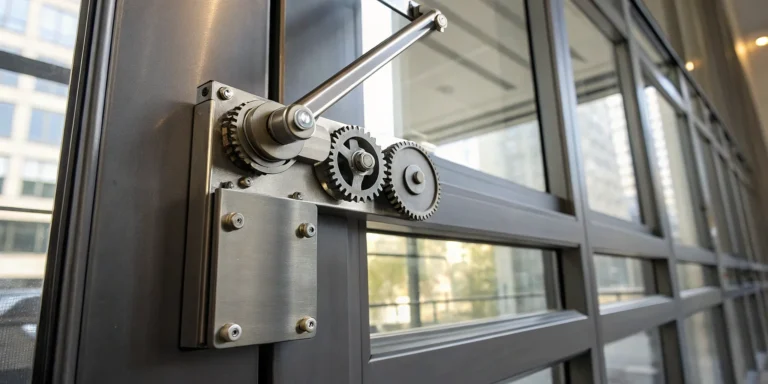
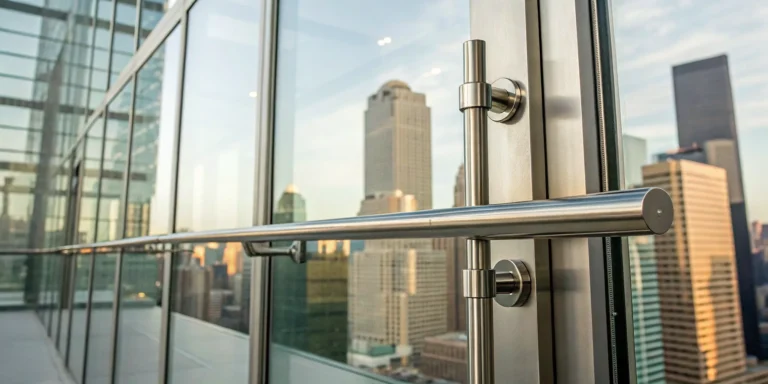
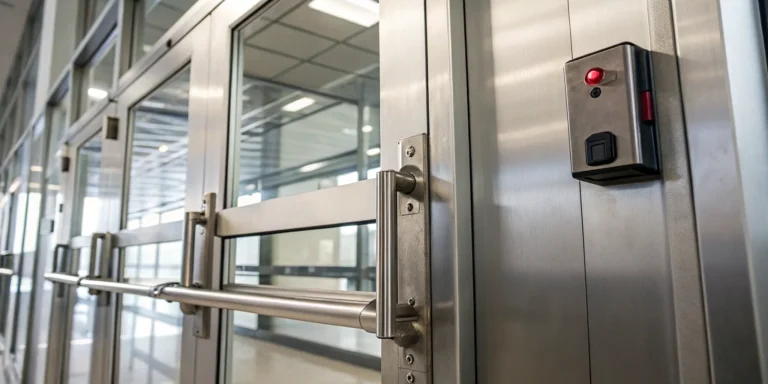
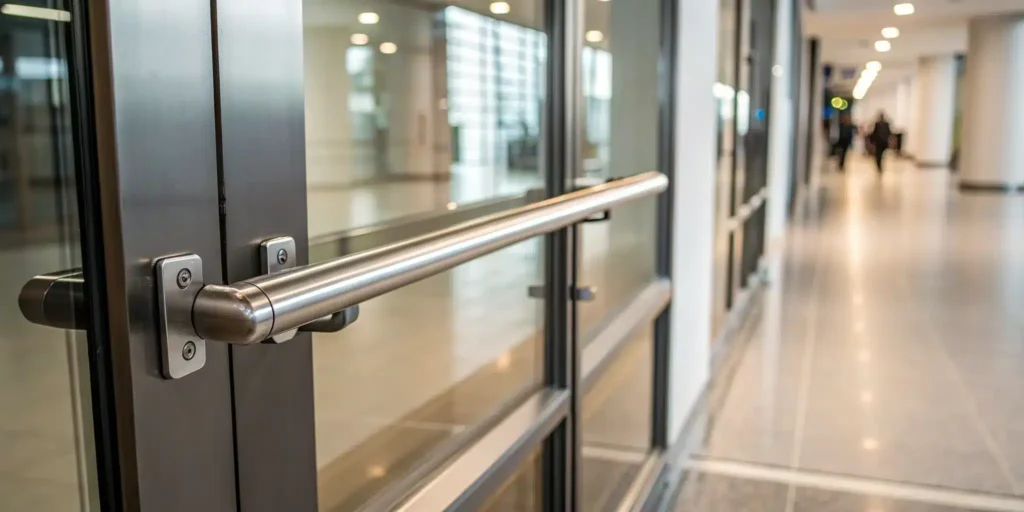
You’ve definitely seen them before—that horizontal bar across an exit door that you push to get out. That’s a panic bar, and it’s one of the most important safety features in any commercial building. Also known as a crash bar or an exit device, its purpose is simple: to let people exit a building quickly and easily during an emergency.
Instead of having to find and turn a small knob, a simple push against the bar unlatches the door. For any business in a bustling area like Brooklyn or Manhattan, understanding these devices isn’t just about following rules—it’s about genuinely protecting your employees, customers, and visitors.
How Does It Work?
The genius of a panic bar lies in its simplicity. When you push the bar, it retracts a latch, allowing the door to swing open. There’s no twisting, turning, or fine motor skill required, which is exactly what you need when adrenaline is high and every second counts. Think about a fire alarm going off—the last thing anyone has time for is a tricky doorknob.
This mechanism ensures that even a crowd moving toward an exit can open the door with collective forward pressure. It’s a straightforward design that facilitates a swift and orderly evacuation when it matters most.
Why Is It a Critical Safety Feature?
Panic bars are much more than a convenience; they are a life-saving feature. During an emergency, a crowd can rush toward an exit, and a traditional door can quickly become a dangerous bottleneck. This can lead to trampling or people getting trapped inside. A crash bar, as it’s aptly named, prevents this by allowing the door to open with simple pressure.
This design helps prevent dangerous pile-ups and ensures a clear path to safety. For business owners, installing and maintaining these devices is a fundamental responsibility, and our commercial locksmith services can ensure they are always in perfect working order.
Where Will You Find Panic Bars?
You’ve probably pushed open a panic bar countless times without giving it a second thought. They are required in most public buildings and commercial spaces where large groups of people gather. Think schools, hospitals, theaters, restaurants, and large retail stores across Queens and beyond. You’ll find them on doors that swing outward along designated emergency exit routes.
The reason they’re so common in these places is simple: building codes mandate them for any high-occupancy space to ensure that a large number of people can get out quickly and safely. If your business welcomes the public, you almost certainly need them on your exit doors.
What Do Building Codes Require?
Building codes are very specific about panic bars to ensure they work for everyone in an emergency. For instance, the bar must be installed between 34 and 48 inches from the floor, making it accessible to most people, including those in wheelchairs. It also needs to be operable with one hand and require less than 15 pounds of force to open.
These strict NFPA requirements ensure that a child or an elderly person can open the door without difficulty. Staying compliant isn’t just about avoiding fines; it’s about making sure your exits are truly safe and functional when they’re needed most.
What Are the Different Types of Panic Bars?
“Panic bar” might sound like a one-size-fits-all term, but there’s a whole family of these devices, each designed for specific doors and situations. Choosing the right one isn’t just about meeting code; it’s about finding the perfect balance of safety, security, and style for your building.
Whether you’re securing a school, a retail store in Brooklyn, or a high-rise office in Manhattan, the type of door you have—single, double, wood, metal, or glass—will heavily influence your choice. The main types you’ll encounter are rim, vertical rod (both surface and concealed), and mortise devices.
Each style has a unique installation method and offers different benefits, from the straightforward functionality of a rim device to the sleek, hidden mechanism of a concealed rod. Understanding these differences is the first step in making sure your emergency exits are both compliant and completely reliable. Think about your building’s daily use. Is it a high-traffic area that needs something incredibly durable?
Or is it a design-forward space where aesthetics are just as important as function? Knowing the answers will point you toward the right hardware. As your local commercial locksmith, we can help you figure out the best fit for your property’s specific needs, ensuring your doors are safe, secure, and up to code.
Rim Exit Devices
These are probably the most common type you’ve seen. Rim exit devices are mounted directly onto the interior surface of the door. When you push the bar, it retracts a latch from the door’s strike, which is mounted on the frame, allowing the door to swing open. Their simple, self-contained design makes them a reliable and popular choice for single doors in places like offices, schools, and healthcare facilities.
A great example is the Sargent 8813 Rim Exit Device, which is known for its durability in commercial settings. They are straightforward to install and maintain, making them a go-to for many businesses.
Surface Vertical Rod Devices
If you have a set of double doors without a central mullion (that vertical bar between the doors), this is the device for you. Surface vertical rod devices feature rods that run vertically on the face of the door. When the bar is pushed, these rods retract from latches at the top and bottom of the door frame, allowing both doors to open freely.
This design provides excellent security by latching the door at two points. You’ll often find these in high-traffic areas where a wide, unobstructed exit path is crucial for quick and safe exit during an emergency.
Mortise Exit Devices
For a more integrated and high-security option, look no further than mortise exit devices. Unlike surface-mounted hardware, a mortise lock body is installed inside a pocket, or “mortise,” cut into the edge of the door. This provides a cleaner, more streamlined appearance and a much sturdier latching mechanism.
Because of their robust construction, mortise exit devices are incredibly durable and reliable, making them ideal for heavy-use doors in hospitals, universities, and other demanding environments. They offer superior security without compromising the quick-exit function that is essential for panic hardware.
Concealed Vertical Rod Devices
When aesthetics are a top priority, concealed vertical rod devices are the perfect solution. They function just like their surface-mounted counterparts, securing double doors at the top and bottom. The key difference is that the vertical rods are hidden inside the door itself rather than running along its face.
This creates a clean, minimalist look that is ideal for high-end commercial buildings, modern offices, or any space where design integrity is important. You get the same level of security and safe exit as other vertical rod exit devices without any visible hardware cluttering the door’s appearance.
Key Safety Codes You Need to Know
Installing a panic bar isn’t just about swapping out a doorknob; it’s about complying with critical safety regulations that are legally required for most commercial and public buildings. These codes aren’t arbitrary rules—they are carefully developed standards designed to ensure people can exit a building quickly and safely during an emergency. For business owners in New York City, understanding these requirements is essential for protecting your employees, customers, and property.
While the specifics can seem a bit technical, getting familiar with the core principles will help you make informed decisions and avoid costly fines or, worse, a safety failure when it matters most.
These regulations cover everything from the height of the bar to the type of materials used, especially for fire-rated doors. Getting it wrong can mean failing a building inspection or putting people at risk. The goal is simple: an exit door should be effortless to open from the inside, even in a chaotic situation, without needing a key or any special knowledge.
This is why working with a professional commercial locksmith is so important. They stay current on all local and national codes, ensuring every installation is not just functional but fully compliant, giving you complete peace of mind.
Height and Force Requirements
One of the most fundamental rules for panic bars involves their placement and ease of use. To be compliant, the push bar must be installed between 34 and 48 inches from the finished floor. This specific height range ensures the bar is accessible to the widest range of people, including children and individuals who use wheelchairs.
Just as important is the force required to operate it; the mechanism must unlatch with minimal pressure, allowing someone to open the door by simply leaning against it. This design is intentional—in a true panic situation, people shouldn’t have to think about how to open a door.
The NFPA 101 Life Safety Code
The National Fire Protection Association (NFPA) sets the standard for fire safety in the United States, and its NFPA 101 Life Safety Code is the go-to guide for emergency exits. This code outlines detailed requirements for everything from the number of exits a building needs to the type of hardware that can be used on them.
For panic bars, the NFPA specifies which types of buildings and rooms require them based on occupancy load. Adhering to this code is not optional; it’s a legal requirement that ensures your building provides a safe means of egress during a fire or other emergency.
Staying ADA Compliant
Beyond fire safety, your exit doors must also be accessible to everyone, including people with disabilities. The Americans with Disabilities Act (ADA) has clear standards for door hardware to ensure it doesn’t create barriers. Panic bars are inherently ADA-friendly because they don’t require tight gripping, pinching, or twisting of the wrist to operate. A simple push with a hand, elbow, or hip is all it takes.
Ensuring your exit devices are ADA compliant is not only a legal obligation but also a reflection of your commitment to making your space safe and welcoming for every single person who walks through your doors.
Following Fire Safety Standards
If your panic bar is being installed on a fire-rated door—a door designed to contain fire and smoke for a set amount of time—it needs special hardware. Standard panic bars are not sufficient. Fire doors require hardware that has been specifically tested and certified to withstand extreme heat without melting or failing, which would compromise the door’s integrity.
This specialized hardware, known as “fire exit hardware,” must meet a standard called UL 305. Using the wrong type of bar on a fire door can void its safety rating and create a serious hazard, which is why professional door repair and installation is so important.
The Importance of UL Certification
When you see a UL mark on a panic bar, it means the product has been tested and certified by Underwriters Laboratories, a globally recognized independent safety organization. This certification is your assurance that the hardware meets stringent safety and performance standards. For fire doors, only UL-listed fire exit hardware is acceptable. This isn’t just a recommendation; it’s a hard-and-fast rule in building codes.
The UL listing confirms that the device will function reliably under emergency conditions, providing a dependable escape route when it matters most. Always look for that UL certification when selecting your hardware.
Clearing Up Common Compliance Myths
There’s a lot of confusing terminology out there, which leads to common misconceptions. One major myth is that “crash bar” and “panic bar” are the same thing. While the terms are often used interchangeably, “panic hardware” specifically refers to code-compliant, certified devices. A generic “crash bar” may not meet the strict UL and NFPA standards required for a legal emergency exit.
Another myth is that any exit door can have a panic bar. In reality, some doors, like certain electrical rooms, may have different requirements. Always consult a professional to ensure you’re meeting the specific codes for your building.
How to Choose the Right Panic Bar for Your Door
Picking the right panic bar can feel like a big decision, and it is. This piece of hardware is a critical part of your building’s safety plan, responsible for allowing swift, easy exits during an emergency while keeping your property secure from the outside. It’s not just about checking a box for a building inspection; it’s about ensuring the well-being of everyone inside.
When you’re ready to install or upgrade, thinking through a few key factors will help you find the perfect fit for your door, your budget, and your peace of mind.
Making the right choice means looking beyond the price tag to consider the materials, performance standards, and the specific demands of your environment. Whether you run a bustling retail shop in Manhattan or manage a quiet office building in Queens, the panic bar you choose needs to be reliable day in and day out.
As your trusted commercial locksmith, we can help you find a solution that meets all safety codes and provides lasting security. Let’s walk through the essential things to consider.
Check the Material and Build Quality
The first thing to look at is what the panic bar is made of. You want something that can withstand a lot of force in an emergency and hold up to daily use without failing. High-quality panic exit devices are typically made from strong materials like steel or stainless steel, which ensures they are durable and reliable when you need them most.
A flimsy or poorly constructed bar is a major liability. Investing in a well-built device means you’re prioritizing safety and longevity, reducing the need for frequent repairs or replacements down the line.
Understand ANSI/BHMA Performance Grades
You’ll likely see an ANSI/BHMA rating on panic bar packaging. This isn’t just technical jargon—it’s a straightforward grade of the hardware’s durability. For most commercial applications, you should look for hardware that meets ANSI/BHMA Grade 1 standards. This is the highest rating, indicating the device has been tested to withstand heavy use (at least one million cycles) without breaking down.
Choosing a Grade 1 device ensures your panic bar will perform reliably in high-traffic areas and provide dependable operation for years, making it a smart investment for any business.
Consider Additional Security Features
A panic bar’s primary job is to allow for a quick exit, but it also plays a role in your building’s overall security. The mechanism should always allow people to get out without a key or any special knowledge, even if the door is locked from the outside. Beyond that, consider how the panic bar fits into your larger security plan.
Many modern devices can be integrated with alarms or electronic security systems that can alert you when the door is opened, giving you both safety and control over who enters your building.
Factor in Your Building’s Foot Traffic
Not all doors are created equal. An emergency exit at the back of a small office that’s rarely used has very different needs than the main entrance of a busy school or storefront. It’s important to consider the volume of foot traffic your door will handle. For high-traffic areas, you’ll need a heavy-duty panic bar that is designed to endure constant use by staff, visitors, and tenants.
A less robust model might wear out quickly, leading to malfunctions and potential safety hazards. Be realistic about your building’s daily flow to choose hardware that’s up to the task.
Account for Weather and Environment
Here in New York, we see it all: hot summers, freezing winters, and plenty of rain. These environmental factors can affect your doors and hardware. For example, freeze-thaw cycles can cause door frames to expand and contract, leading to misalignment that could prevent a panic bar from latching or unlatching correctly.
If your door is exposed to the elements, choose a panic bar with a weather-resistant finish to prevent rust and corrosion. Proper door repair and installation is also crucial to ensure everything stays aligned and functional, no matter the weather.
Balance Your Budget with Long-Term Value
While it’s always tempting to go for the lowest-priced option, a panic bar is not the place to cut corners. It’s important to balance your budget with long-term value. A cheaper, lower-quality device might save you money upfront, but it could cost you more in the long run through frequent repairs, or worse, by failing during an emergency. Think of it as an investment in safety and security.
There are many reputable brands that offer reliable, code-compliant panic bars at various price points, so you can find a solution that ensures quality without breaking the bank.
Installing and Maintaining Your Panic Bar
Once you’ve selected the right panic bar for your business, you might feel like the hard part is over. But the next steps—installation and maintenance—are what truly determine its effectiveness and longevity. A top-of-the-line device can fail if it’s not installed correctly or cared for over time.
Think of it as a critical investment in your building’s safety; proper setup and regular check-ups ensure it pays off when you need it most. A correctly installed and maintained panic bar is a silent guardian, ready to function flawlessly in an emergency. Taking the time to get this right protects your property, your people, and your peace of mind.
It’s not just about meeting code; it’s about creating a genuinely safe environment for everyone who walks through your doors. From the initial setup to routine inspections, every step plays a role in the hardware’s reliability. We’ll walk through exactly what you need to know to keep your exit doors secure and ready for anything.
Why Professional Installation Is a Must
While a DIY approach can be tempting for some projects, installing a panic bar isn’t one of them. This is a critical life-safety device, and improper installation can have serious consequences in an emergency. A professional ensures the device is not only physically secure but also fully compliant with local building codes and ADA standards.
It’s easy to make a mistake that compromises the entire system, from incorrect placement to overtightening a component. Our team of commercial locksmiths has the expertise to handle these installations correctly, ensuring your exit doors function flawlessly when every second counts.
Check for Door Compatibility
Not every panic bar works with every door, and a mismatch can be both costly and dangerous. It’s crucial to install these devices on designated fire exit doors and to ensure they are positioned correctly—typically between 34 and 48 inches from the floor. This specific height is a key part of meeting safety standards.
Factors like the door’s material (metal, wood, or glass), its thickness, and its fire rating all influence which type of panic bar is appropriate. A professional can assess your existing door and hardware to guarantee a compatible and secure fit, preventing any issues down the line.
A Simple Inspection Checklist
Regular inspections are key to keeping your panic bars in working order. You don’t have to be an expert to spot potential issues. Once a month, take a minute to run through this quick check:
- Push and Release: Press the bar. Does it move smoothly without sticking? Does the latch retract and extend fully?
- Check the Fasteners: Look at all the screws and bolts holding the bar and the strike plate. Are they all tight and secure?
- Listen for Odd Noises: Operate the bar and listen for any grinding or scraping sounds that could indicate an internal problem.
- Clear the Path: Make sure nothing is blocking the door or the panic bar’s mechanism, either inside or out.
Best Practices for Cleaning and Lubrication
Keeping your panic bar clean and lubricated is simple but effective maintenance. Wipe down the device with a soft, damp cloth to remove dust and grime that can cause parts to stick. For lubrication, use a silicone-based or graphite lubricant on moving parts like the latch bolt. Avoid oil-based products, which can attract more dirt over time. Also, pay attention to the door’s alignment.
New York’s freeze-thaw cycles can cause door frames to shift, which can impact how the panic bar operates. Regular maintenance helps keep everything moving smoothly.
How to Troubleshoot Common Problems
Even with regular care, you might run into issues. One of the most frequent problems is a panic bar that sticks or binds, making it difficult to open the door. This could be caused by a misaligned door, a worn-out internal mechanism, or loose hardware. Another common issue is a latch that doesn’t properly engage with the strike plate, leaving the door unsecured.
If you notice the bar feels unusually stiff, loose, or makes strange noises, it’s a clear sign that something is wrong. For these situations, it’s best to call for emergency service to get a professional diagnosis and repair.
Integrating Panic Bars with Modern Security Systems
A panic bar is more than just a mechanical exit device; it’s a vital component that can be woven into your building’s entire security network. Modern panic bars are designed to work with advanced technology, giving you a system that ensures both rapid egress and controlled access. By connecting these essential safety features to your broader security setup, you can monitor your property more effectively and respond to incidents faster.
This integration transforms a simple piece of hardware into an intelligent part of your building’s safety and security strategy.
Pairing with Electronic Access Control
One of the most powerful ways to enhance your panic bars is by pairing them with your electronic access control system. This allows you to use keypads, keycard readers, or even biometric scanners to manage who enters a space, all without compromising the panic bar’s primary function as an emergency exit.
For example, an employee can swipe a card to get into a secure area, but in an emergency, anyone can exit instantly by pushing the bar. This setup gives you the best of both worlds: strict access control for daily operations and unhindered egress when it matters most, creating a secure yet safe environment.
Syncing with Smart Building Technology
In today’s connected world, your security hardware shouldn’t operate in a silo. Modern panic bars can be synced with smart building technologies to provide real-time monitoring and data. When a panic bar is integrated into your system, you can receive instant alerts on a central dashboard whenever the door is used.
This is incredibly useful for tracking entry and exit patterns, identifying unauthorized use of emergency exits, and ensuring all access points are secure. This level of oversight helps you manage your building more efficiently and maintain a higher standard of security around the clock.
Adding Alarm and Monitoring Features
For an extra layer of security, you can equip your panic bars with alarms. When the bar is pushed, it can trigger an audible alarm at the door while simultaneously sending a silent alert to your security team or monitoring service. This feature is a strong deterrent against unauthorized use, such as an employee trying to sneak out a back door or a shoplifter attempting a quick escape.
It ensures that any activation of an emergency exit—whether for a real emergency or not—gets immediate attention, allowing your team to respond to the situation quickly and appropriately.
Planning for Future Security Upgrades
When you’re investing in safety hardware, it’s smart to think about the future. Security technology is always evolving, so it’s wise to choose panic bars that can adapt to new systems down the road. As you work with your commercial locksmith, discuss options that are compatible with a wide range of access control and monitoring technologies.
By planning ahead, you ensure that your current investment will continue to serve your security needs for years to come, allowing for seamless upgrades without requiring a complete overhaul of your door hardware.
Trusted Panic Bar Brands to Consider
When it comes to a critical safety feature like a panic bar, the brand you choose really matters. It’s not just about finding a device that fits your door; it’s about trusting that it will perform flawlessly when you need it most. The market is filled with options, but a handful of brands have built a solid reputation over decades by consistently delivering reliable, durable, and compliant exit devices.
These are the names that professional locksmiths and security experts trust for commercial properties, schools, and public buildings.
Choosing a well-regarded brand means you’re investing in quality engineering, rigorous testing, and materials that are built to last. It also means you’re more likely to find products that meet strict safety codes like those from the NFPA and ADA. While a premium brand might have a higher upfront cost, it often translates to lower maintenance needs and greater peace of mind in the long run.
Sorting through these options can feel like a lot, but a professional can help you select the perfect hardware for your specific needs, ensuring your property is both safe and secure. Our team has experience installing and servicing all major brands, providing expert commercial locksmith services to businesses across NYC.
Von Duprin
Von Duprin is a true pioneer in the exit device industry, and their name is practically synonymous with panic bars. With over a century of innovation, they are known for creating incredibly reliable and flexible solutions that can adapt to your building’s needs over time. Their products, like the popular 22 Series Rim Panic Bar, are engineered for durability and consistent performance, even in medium-traffic areas.
If you’re looking for a brand with a long-standing history of excellence and a commitment to safety technology, Von Duprin is one of the most trusted names you can choose for your property.
Sargent
Sargent is another heavyweight in the world of commercial door hardware, known for its exceptionally robust and reliable exit devices. Their panic bars are built to withstand demanding environments, making them a go-to choice for businesses, schools, and healthcare facilities. Sargent places a strong emphasis on meeting and exceeding building codes and safety standards, so you can be confident that their products are compliant and secure.
When durability is a top priority, Sargent’s hardware offers the strength and performance needed to keep your building safe and accessible for years to come.
Dorma
Dorma (now part of dormakaba) is a brand recognized globally for its precision engineering and high-quality door solutions. Their panic exit devices are designed with both security and performance in mind, offering smooth operation and dependable safety in an emergency. Dorma products are often praised for their sleek, modern aesthetic without compromising on the robust construction needed for commercial applications.
If you’re looking for a panic bar that combines sophisticated design with top-tier security and reliability, Dorma offers excellent solutions that provide lasting peace of mind for property managers and business owners.
Adams Rite
If your building has aluminum-framed glass doors, like many storefronts and modern offices, Adams Rite is a brand you need to know. They specialize in hardware designed specifically for these types of entrances. Their panic bars are engineered for seamless integration, providing a secure and compliant exit solution without compromising the door’s structure or aesthetic.
Adams Rite exit devices are known for their ease of use and strict adherence to safety regulations, making them a trusted and practical choice for commercial buildings with narrow stile aluminum doors.
Global Door Controls
For property owners looking for a balance of functionality, reliability, and affordability, Global Door Controls is an excellent option. This brand provides a wide variety of exit devices that are designed to fit different door types and applications without breaking the budget. Despite their competitive pricing, their panic bars are built to withstand heavy use and meet necessary safety standards.
Global Door Controls proves that you don’t have to sacrifice safety for cost, offering dependable solutions that are perfect for small businesses, retail shops, and other commercial properties.
Yale Commercial
Yale is one of the oldest and most recognized names in the lock industry, and their commercial line lives up to that legacy. Yale Commercial exit devices are known for their durability and straightforward, reliable performance. They design their panic bars to provide both high security and easy egress, making them a popular choice for a wide range of commercial properties.
When you choose a Yale panic bar, you’re investing in a brand with a long history of security innovation and a reputation for creating hardware that is built to last.
Schlage
Schlage has built its reputation on creating strong, high-quality security hardware, and their panic exit devices are no exception. Known for their exceptional durability and robust security features, Schlage panic bars are engineered to withstand tampering and heavy use. This brand is a trusted option for businesses and institutions that prioritize security without compromising on safety and code compliance.
When you need an exit device that offers superior strength and reliable performance, Schlage provides solutions that are built to protect your property and the people inside it.
DETEX
When it comes to managing exits in high-traffic areas, DETEX is a standout brand. They specialize in life safety and security door hardware engineered specifically for environments like airports, stadiums, and busy retail centers. Their panic bars are designed for extreme durability and reliability, ensuring they function perfectly even with constant use.
DETEX also offers integrated solutions that can include features like alarms and monitoring, making them a top choice for businesses that need to manage security and loss prevention while ensuring safe egress.
Cal-Royal
Cal-Royal offers a diverse range of exit devices that successfully blend functionality with aesthetics. Their panic bars are a great choice for buildings where design and appearance are just as important as safety and compliance. Cal-Royal provides solutions suitable for various applications, from standard commercial doors to more architecturally unique entrances.
Their products are built to meet rigorous safety standards, ensuring you get a reliable exit device that complements your building’s style without compromising on the critical safety features required for a secure egress path.
Arrow Lock
Arrow Lock, part of the ASSA ABLOY family, is known for its comprehensive and reliable line of commercial door hardware. Their exit devices are recognized for their quality construction and consistent performance, making them a trusted choice for locksmiths and facility managers. Arrow Lock offers a variety of panic bar styles designed to fit different door applications and security needs.
If you’re looking for a dependable, no-nonsense exit device from a brand with a solid reputation in the commercial hardware industry, Arrow Lock is a fantastic option to consider.
Related Articles
- HES 9500 Electric Strike Installation: A Complete Guide
- Securing Sliding Glass Doors: Effective Prevention Methods
- How Secure Are Storefront Doors? Safety Enhancement Tips
- Understanding Different Lock Types: A Quick Overview
Once your panic bar is installed, two related guides cover the day-to-day questions: how to lock a push bar door properly after hours, and panic bars vs push-paddle exit devices if you’re still choosing hardware.
Frequently Asked Questions
How do I know if my business is legally required to have a panic bar? The short answer is that if your business has a certain number of people inside at any given time, you almost certainly need them. Building codes, particularly the NFPA 101 Life Safety Code, base the requirement on “occupant load.” This applies to most public spaces like restaurants, schools, theaters, and larger retail stores.
The best way to know for sure is to consult with a professional commercial locksmith who is familiar with NYC’s specific building codes. They can assess your space and tell you exactly what you need to be safe and compliant.
Do panic bars make my building less secure from the outside? Not at all. This is a common concern, but a panic bar is designed to provide “safe egress,” not “easy ingress.” From the outside, the door remains locked and secure against unauthorized entry. The mechanism only works from the inside, allowing people to exit quickly in an emergency without a key.
For added security, many panic bars can be integrated with alarms or access control systems, so you get the best of both worlds: a secure perimeter and a safe escape route.
What’s the most common mistake people make with panic bars? The biggest mistake is treating it like any other piece of door hardware and attempting a DIY installation or repair. A panic bar is a life-safety device, and installing it incorrectly—even something as simple as using the wrong screws or placing it at the wrong height—can cause it to fail during an emergency. Another common error is neglecting maintenance.
These devices need regular checks to ensure they are working smoothly. Always have a professional handle the installation and call for service if you notice any issues.
My panic bar is sticking. Can I just spray some WD-40 on it? Please don’t! While it might seem like a quick fix, oil-based lubricants like WD-40 can attract dust and grime, which will eventually make the problem worse. A sticking panic bar is often a sign of a bigger issue, like a misaligned door, worn-out internal parts, or loose fasteners.
The correct approach is to use a silicone-based or graphite lubricant for routine care, but if it’s already sticking, it’s time to call a professional to diagnose and fix the root cause.
Are the high-end, expensive brands really worth the money? When it comes to safety hardware, you’re paying for reliability and durability. Trusted brands like Von Duprin or Sargent invest heavily in engineering and testing to ensure their devices meet the highest performance standards, like ANSI/BHMA Grade 1. This means they are built to withstand heavy, constant use without failing.
While a cheaper, unrated bar might save you money initially, it’s more likely to break down, require frequent repairs, and could fail when you need it most. Investing in a quality brand is an investment in long-term safety and peace of mind.
Need professional help in NYC? Contact Golden Key Locksmith NYC for Metal Door Installation or Sliding Door Services. Available 24/7 across Manhattan and all NYC boroughs.