Most New York property owners only think about their locks, doors, and alarms when something goes wrong. That is exactly backwards. A regular security inspection is the difference between catching a failing deadbolt on a quiet Tuesday afternoon and discovering it the night someone walks through your door. Whether you manage a brownstone, run a small shop in Midtown, or rent out a few apartments in Queens, a scheduled walk-through every six to twelve months will catch the small problems before they turn into big ones.
Key Takeaways
- Inspections catch quiet failures: Worn pins, loose strike plates, and misaligned deadbolts almost never announce themselves, so a trained eye finds the weak points long before they become a break-in story.
- Every door tells a story: A thorough walk-through checks the lock, the frame, the hinges, the lighting, and the access control around each entry, not just the cylinder itself.
- A simple routine beats a crisis call: Scheduling an inspection with a trusted Manhattan locksmith once or twice a year costs far less than emergency repairs or a lost-key rekey after an incident.
Why Regular Security Inspections Matter
Locks, like anything else mechanical, wear out. Pins get dirty, springs fatigue, cylinders drift out of alignment, and wooden door frames shift with the seasons. None of that is dramatic on day one, but over a few years you end up with a deadbolt that only throws halfway or a strike plate anchored with three-quarter-inch screws that a good kick could defeat. A security inspection is simply a set of trained eyes looking for those quiet failures before they matter.
For a home, the stakes are your family and your belongings. For a business, the stakes are inventory, employee safety, insurance compliance, and in many cases the lease itself. Landlords and commercial tenants in NYC are often required to maintain a specific standard of door hardware, and an inspection gives you documented proof that you are meeting it.
What a Proper Inspection Actually Covers
A real inspection is a lot more than a quick jiggle of the front doorknob. A good locksmith works through every entry point in a deliberate order, starting at the street and working inward.
Doors, Frames, and Hardware
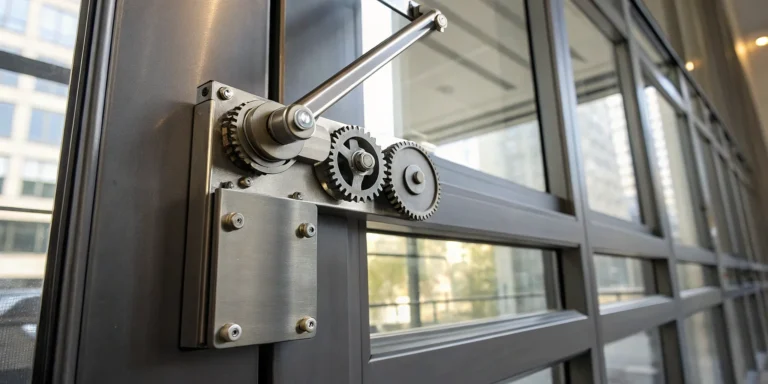
The first pass looks at the physical door itself. Is the frame still square? Is the strike plate anchored with long enough screws to reach the stud behind the jamb? Does the deadbolt throw its full length into the strike without binding? A door that closes firmly but does not lock cleanly is a door that will fail on the coldest night of the year, and that is the exact moment you do not want to be troubleshooting it.
Locks and Keys
Next comes the lock itself. A cylinder that turns stiffly, drops pins, or accepts a worn key a little too easily is on its way out. The inspection also looks at who holds keys. For homeowners that may mean asking who still has a copy from a renovation or a cleaning service. For businesses it means checking whether former employees, vendors, or tenants ever returned theirs. When that chain of custody is broken, a rekey or a move to a master key system is usually the right next step.
Access Control and Lighting
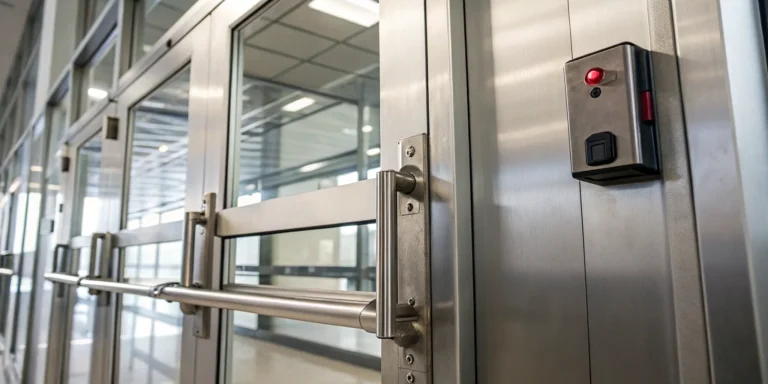
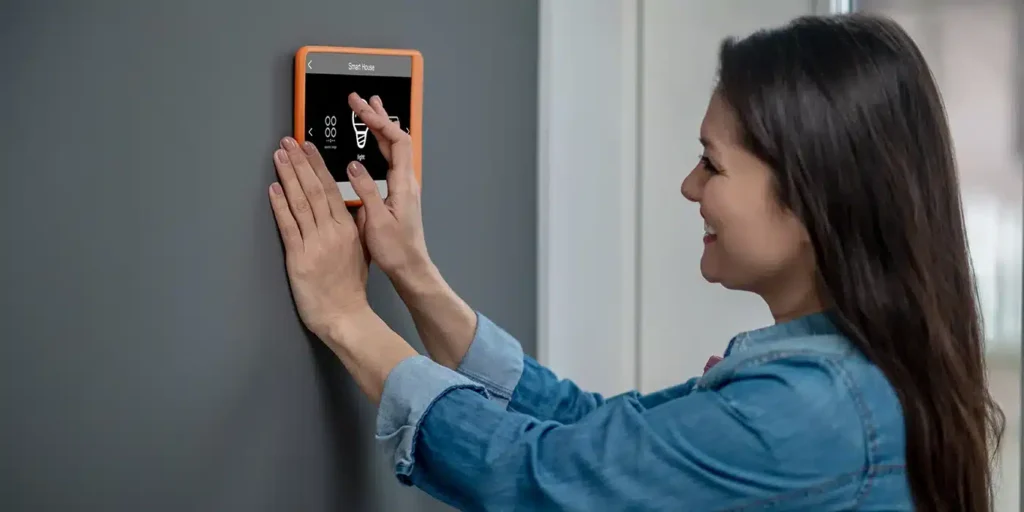
Entry points that rely on keypads, fobs, or buzzer systems need their own check. Codes should be rotated, user lists pruned, and battery-backed units tested. Outside the door, lighting matters as much as the lock. A well-lit entry deters most opportunistic attempts before anyone gets close enough to touch the hardware.
Residential Inspections for NYC Homes
For apartments, brownstones, and co-ops, a residential inspection tends to focus on the front door, any secondary entry like a service door or roof hatch, and the interior locks on bedrooms or home offices where valuables live. If you just moved in, had a contractor in the unit, or parted ways with a roommate, a residential locksmith can walk through with you, confirm what works, and rekey or replace only what actually needs it. Most homes come out of a first inspection with one or two small fixes rather than a long list of expensive replacements.
Commercial Inspections for Businesses and Landlords
Offices, retail shops, restaurants, and multi-unit buildings have more doors, more users, and more turnover, which is exactly why a scheduled inspection pays for itself. A commercial locksmith will typically check every exterior entry, stockroom door, office suite, and any restricted space like a server closet or safe room. For storefronts and high-traffic entries, the inspection also confirms that the hardware meets the level of use it is seeing. A residential-grade deadbolt on a glass door that opens two hundred times a day is going to fail, and the inspection is where you catch that mismatch.
High-Security Upgrades Worth Considering
If your inspection turns up builder-grade hardware on a sensitive entry, it is often the right moment to upgrade to a high-security lock with patented key control and real pick resistance. You do not need to replace every lock in the building, just the ones where the risk does not match the current hardware.
How Often You Should Schedule One
For a single-family home or a small apartment, once a year is plenty in most cases. For a rental property, a walk-through between tenants is the easiest time to do it because access is already clean and any rekeying can happen at the same time. For commercial spaces, twice a year is a good default, with an extra inspection anytime you have a change in staff who held keys or a known attempt on the door. Buildings with heavy turnover, like shared office spaces or retail, often move to a quarterly schedule.
Turning an Inspection Into a Real Plan
A good inspection ends with a short, prioritized list, not a vague pitch to replace everything. You should walk away knowing which items need attention this week, which can wait a few months, and which are just things to keep an eye on. If you are locked out or dealing with a door that is failing right now, a call to a licensed locksmith for apartment lockout help can get you back inside safely, and the inspection can follow once you are no longer standing in the hallway.
Final Thoughts
A security inspection is not a sales pitch and it is not a scare tactic. It is a scheduled, honest look at the hardware you already own and the habits around it, so that small issues get fixed while they are still small. Put it on the calendar the same way you would a boiler service or a fire extinguisher check, and you will spend far less time worrying about your doors and far more time thinking about everything else.
Need professional help in NYC? Contact Golden Key Locksmith NYC for Manhattan Locksmith Services or Apartment Lockout Help. Available 24/7 across Manhattan and all NYC boroughs.