

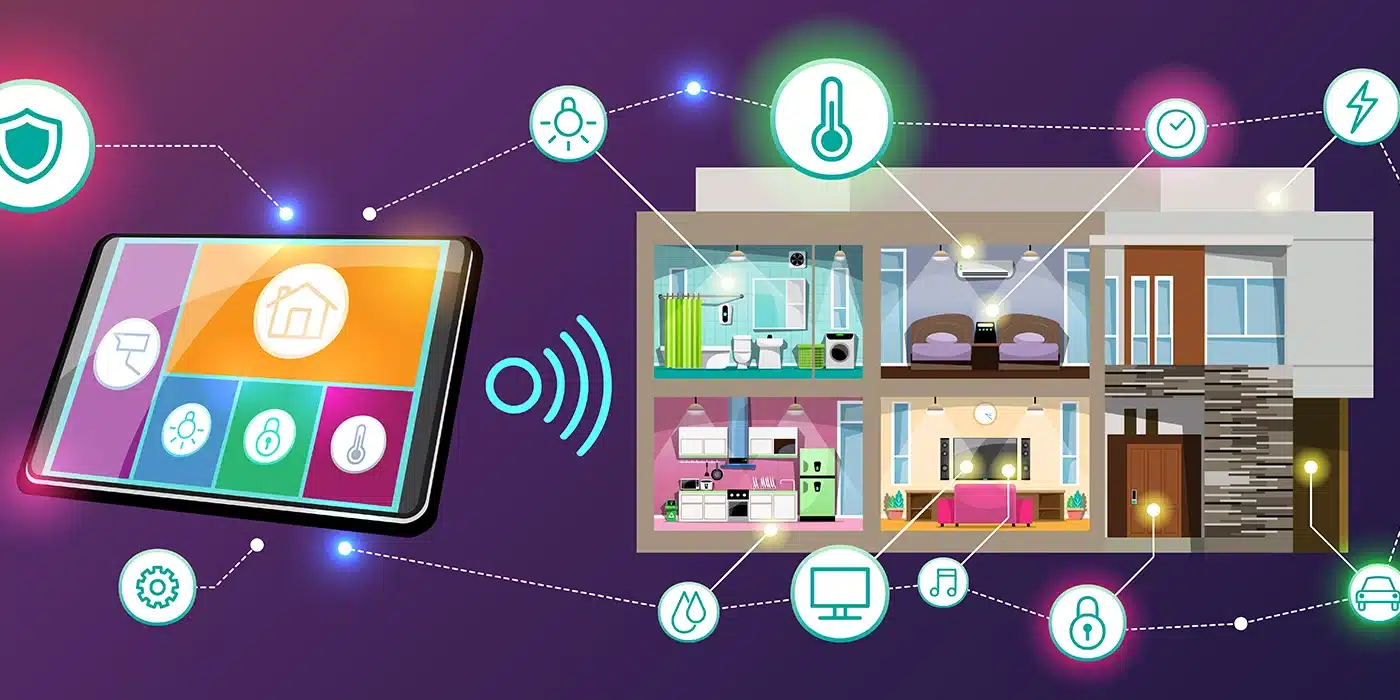
Home security has changed more in the last five years than it did in the previous fifty. Smart locks, video doorbells, cloud cameras, and AI-driven alerts are now standard options, not novelties. The catch is that more technology is not automatically more security, and a lot of what gets marketed to homeowners is either overkill or a weak link waiting to be exploited. This guide cuts through the noise and walks through what actually works for a New York City home or apartment in 2026 and what is better left on the shelf.
Key Takeaways
- The lock still matters most: Smart features are only as strong as the deadbolt they are bolted to, so a quality high-security lock is the foundation of any tech upgrade.
- Cameras deter, locks prevent: Video doorbells and cameras are excellent for evidence and peace of mind, but they do not stop a break-in on their own.
- Simpler is safer: A small, well-chosen stack of devices you actually use beats a sprawling system full of features you never touch.
Smart Locks: Useful, With Caveats
Smart locks are the piece of home security technology most NYC residents ask about first. The appeal is obvious. You can let a cleaner in from your phone, issue a code to a dog walker, and stop worrying about who has a physical key. For apartments and brownstones, a quality smart deadbolt from a name brand is a real upgrade over a twenty-year-old builder lock.
What to Look For
Stick to models with a proper ANSI Grade 1 or Grade 2 rating on the mechanical side. The electronics are the easy part for manufacturers. The steel bolt, the strike, and the cylinder are what actually resist a kicked door. Look for local control over Bluetooth or a hub you own, not a cloud-only lock that stops working when the company changes its business model.
What to Skip
Avoid cheap off-brand smart locks sold on marketplace sites. The lock body is often soft metal, the firmware rarely gets updated, and the app is a privacy risk. If you want the convenience without replacing your whole deadbolt, a retrofit smart cover that drives your existing thumbturn is often the smarter call for co-op and rental doors.
Video Doorbells and Cameras
A good video doorbell is the single biggest upgrade most NYC homeowners can make for under two hundred dollars. Package theft, delivery disputes, and unannounced visitors all become a lot easier to handle when you have a recorded clip and a two-way mic. Exterior cameras cover blind spots around stoops, side doors, and back gardens in brownstones and townhouses.
Placement Beats Resolution
A 1080p camera mounted at the right angle will do more for you than a 4K camera pointed at the sky. Aim for faces at door height, keep the sun behind the camera when you can, and make sure your primary entry is covered from at least two viewpoints. Indoor cameras are a personal choice, and many NYC residents prefer to keep them pointed only at entry doors rather than living spaces.
Local vs. Cloud Storage
Cloud storage is convenient and survives a burglary of the hardware itself. Local storage on a card or NVR keeps your footage off someone else’s servers. A reasonable middle ground is a camera that records locally and clips to the cloud only on motion events, so you get both redundancy and privacy.
Keyless Entry and Biometrics
Keypads, fobs, and fingerprint readers have moved from commercial buildings into residential use. They are genuinely convenient, especially for families with kids coming home from school or Airbnb-style short-term rentals where key handoffs are a headache.
- Keypad deadbolts are the most practical option for most homes and are easy to rekey by simply changing the code.
- Fingerprint locks work well for one or two primary users but can frustrate kids, gloved hands, and wet fingers in winter.
- Facial recognition at the door is still early. Accuracy in low light and the privacy footprint are both worth thinking about before you commit.
Whatever you choose, the door and frame still have to stand up to a shoulder or a pry bar. No biometric reader helps if the strike plate is screwed into soft pine with half-inch screws. For multi-tenant buildings and offices, a proper access-control system installed by a commercial locksmith is a better fit than consumer keypads.
Home Automation and Integration
The real value in modern home security shows up when devices work together. A motion event on the back camera triggers the porch lights. An unlocked door at 2 a.m. sends an alert and turns on the hallway. A geofenced arrival from your phone unlocks the front deadbolt as you step out of the cab.
Pick one ecosystem and stay in it. Mixing a hub-based system with three different apps and a couple of standalone cameras leads to notifications you ignore and routines that quietly stop working after a firmware update. Apple Home, Google Home, and a small number of dedicated security platforms like Ring or SimpliSafe all do a reasonable job when you keep the device list tight.
Mobile Alerts and AI-Filtered Notifications
Every serious security device now has a mobile app, and almost every camera now offers some version of AI-filtered alerts. That is a good thing. The earlier generation of motion cameras sent a push every time a leaf blew past, and most people learned to swipe them away without looking. Modern person, vehicle, and package detection cuts that noise by ninety percent.
Spend fifteen minutes tuning your alerts after installation. Turn off notifications you do not need, draw activity zones that ignore the sidewalk, and set quiet hours overnight if your devices support it. An alert you actually read is worth a hundred you ignore.
Where Technology Does Not Replace the Basics
No app fixes a hollow-core apartment door with a builder-grade knob lock. No camera replaces a proper strike plate with three-inch screws. If you live in a pre-war walk-up or a typical Manhattan apartment, the highest-leverage upgrades are usually the boring ones: a real deadbolt, a reinforced strike, and a secondary lock on the main door. After that, the smart layer on top actually has something solid to protect.
If you are not sure where your setup stands, a walkthrough with a licensed residential locksmith is usually an hour well spent. We can tell you in plain terms which doors need hardware upgrades, which are fine as-is, and where a smart device will add real security rather than just new batteries to change.
Final Thoughts
The best home security technology in 2026 is not the most expensive or the most connected. It is the setup you understand, maintain, and actually use. Start with a solid lock on every entry, add a good video doorbell and one or two exterior cameras, pick a single app to run it all, and tune your alerts so the notifications you get are the ones that matter. Done well, that stack gives you real protection and real peace of mind without turning your home into a tech project.
Need professional help in NYC? Contact Golden Key Locksmith NYC for Manhattan Locksmith Services or Apartment Lockout Help. Available 24/7 across Manhattan and all NYC boroughs.