
Home security does not have to come with a monthly subscription or a four-figure install bill. Most of what actually keeps a home safe in NYC comes down to good habits, sturdy hardware on the doors you already have, and a few smart upgrades you can handle in a weekend. If you want to tighten things up without hiring a full monitoring service, there is a long list of DIY moves that genuinely work. This guide walks through how to figure out what your home actually needs, the low-cost fixes that deliver the biggest payoff, and where it pays to call a pro instead of going it alone.
Key Takeaways
- Start with the front door, not the gadgets: A solid deadbolt, a reinforced strike plate, and longer screws in the frame stop more intrusions than any camera on the market.
- Layer cheap deterrents before buying anything big: Motion lights, trimmed landscaping, visible signage, and lived-in timers handle the vast majority of casual attempts for under a hundred dollars.
- Know when DIY stops: For apartment doors, damaged hardware, or upgrades to high-security keys, call a licensed residential locksmith instead of guessing.
Start With an Honest Walk-Through
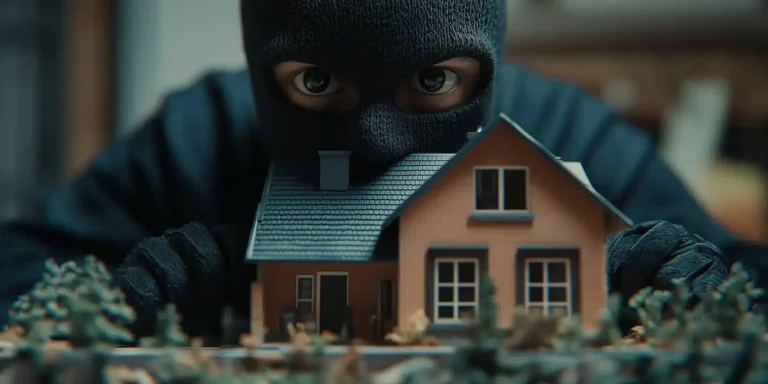
Before you spend a dollar, walk around your home like someone trying to get in. Stand on the sidewalk at night and look for dark corners, unlocked gates, and windows you can see straight into. Check whether your front door sits flush in its frame, whether the hinges are exposed on the outside, and whether the deadbolt actually throws a full inch into the strike. Most homes in NYC have at least one obvious weak spot, and you cannot fix what you have not noticed.
Map the Real Risks
Write down the doors and windows that bother you, the items that would hurt most to lose, and the times of day the place is empty. A ground-floor apartment near a fire escape needs a very different plan than a third-floor walk-up with a single entry door. Focus your budget on the spots that a real intruder would actually target, not the ones that just feel vulnerable.
Low-Cost Upgrades That Punch Above Their Weight
The most effective DIY security moves are almost embarrassingly simple. Start with lighting. Motion-activated LED fixtures at the front entry, the back door, and any side passage make a huge difference, and a basic solar unit installs with four screws. Trim back hedges and tree limbs so nobody can hide behind them while working on a lock. Park a car in the driveway if you have one. Leave a radio on a timer when you travel.
- Swap builder-grade deadbolts for a solid Grade 1 or Grade 2 unit from a reputable brand.
- Replace the short screws in your strike plate with three-inch wood screws that bite into the stud behind the frame.
- Add a wide-angle peephole or a smart video doorbell so you can see who is there before the door ever opens.
- Put interior lights on cheap plug-in timers that cycle at realistic hours.
- Post a visible camera or alarm sticker, even if the system behind it is modest.
Doors and Windows: Where Every Plan Lives or Dies
Cameras are great, but an intruder who makes it through your door in under a minute does not care that you recorded it. Your entry door should be solid wood or steel, the frame should be reinforced, and the deadbolt should be the real centerpiece. If your door feels hollow when you knock on it, that is your first project, not your last.
Lock Choices That Matter
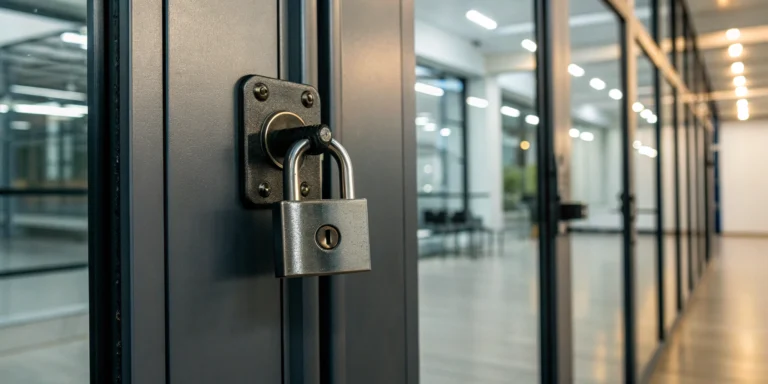
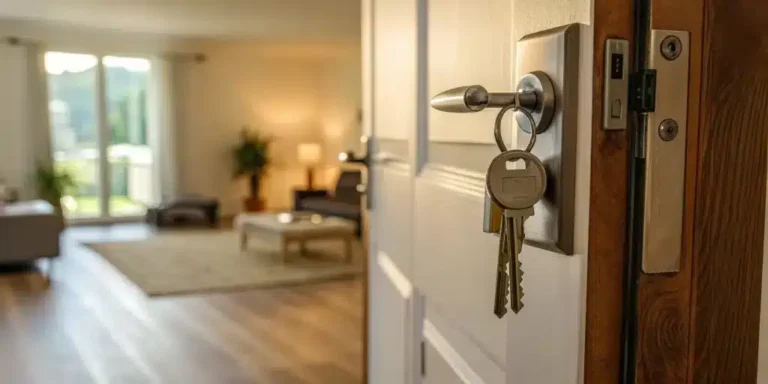
A name-brand deadbolt with a hardened steel bolt beats three generic locks stacked on top of each other. If you rent in the city and cannot change the door, you can still upgrade the cylinder with your landlord’s permission, or add a portable door reinforcer for extra peace of mind. When you are ready to move up to a pick-resistant setup with restricted key duplication, a high-security lock is worth the jump in price.
Windows Without Breaking the Bank
Every window on a ground-floor or fire-escape level needs a working lock, not just a latch. Security film on the glass buys you precious seconds if someone tries to break through. For basement or alley-facing windows, inexpensive window bars give real protection as long as they have interior release mechanisms in case of fire. Track blockers cut into a length of wooden dowel cost almost nothing and prevent sliding windows from being forced open.
Affordable Cameras and Smart-Home Tools
You do not need a professional monitoring contract to get useful eyes on your property. A single well-placed camera covering the front door, plus a second one aimed at the most exposed window or side yard, handles most of what a homeowner actually wants to see. Wi-Fi cameras from mainstream brands have dropped dramatically in price, and the better ones record locally to an SD card so you are not forced into a cloud plan.
Smart plugs, smart bulbs, and a basic hub let you script lights, radios, and even a TV to mimic real activity while you are out. Smart door and window sensors send a phone alert the moment something opens unexpectedly, which is often all the warning you need. If you decide to add a smart lock, pick one with a physical key backup and pair it with a strong deadbolt so the mechanical security stays intact.
Use Your Neighbors
A connected block is a security system nobody bills you for. Introduce yourself to the people on either side and exchange phone numbers. A simple group chat for a building or a floor means packages get watched, strangers get noticed, and small problems get flagged before they grow. If your neighborhood does not already have a watch program, the local precinct will usually help you get one going at no cost. Apartment buildings benefit from the same idea at a smaller scale: a tenants’ thread that flags propped doors, broken intercoms, or failed buzzers solves more problems than any single lock.
When DIY Is Not Enough
DIY works beautifully until it does not. If your door has been damaged in an attempted break-in, if the cylinder is sticking or dropping pins, if you just moved in and have no idea how many old keys are floating around, or if you are juggling mismatched locks across several doors, a licensed locksmith will save you time and money in the long run. The same is true if you share a building with a complicated entry system, or if you want master-keying and restricted duplication set up properly the first time.
For NYC renters and owners dealing with apartment doors, fire-rated hardware, or building-wide lock changes, it is worth bringing in a Manhattan locksmith who knows the city’s door stock. If you are locked out in the middle of the night, skip the DIY attempts that scratch up the cylinder and call for apartment lockout help instead.
The Bottom Line
A strong home security setup in NYC is less about spending money and more about spending attention. Walk your property, harden the doors and windows you already own, add a few cheap deterrents, and bring in a real locksmith when the job calls for one. Do those four things and you will be ahead of most homes on your block, on a budget that leaves room for the rest of your life.
Want a second pair of eyes before you spend anything? Most of these upgrades cost less when they’re planned together. Our residential locksmith service in NYC does free in-home security estimates and will tell you which of these actually matter for your door, your windows, and your block — call (212) 204-1655.
Need professional help in NYC? Contact Golden Key Locksmith NYC for Manhattan Locksmith Services or Apartment Lockout Help. Available 24/7 across Manhattan and all NYC boroughs.