Coming home to a forced door or a broken window is one of the worst feelings a New Yorker can have. The first few hours feel like a blur, and it is tempting to start cleaning up or rushing to replace everything at once. Slow down. There is a clear order of operations that protects your safety, your insurance claim, and your long-term peace of mind. This guide walks through the practical steps to take right after a break-in, from the police report to the locks on your door.
Key Takeaways
- Protect the scene before you clean: File the police report and photograph everything before you touch broken glass, forced doors, or scattered belongings, because that documentation is what drives both the investigation and your insurance claim.
- Your locks are no longer yours: Assume any lock that was bypassed, picked, or exposed during the break-in is compromised, and rekey or replace it the same day so the intruder cannot walk back in.
- Recovery is physical and emotional: Restoring security is not only about hardware; give yourself and your household time to process what happened while you put stronger systems in place.
Step One: Stay Safe and Call the Police
If you walk in and something feels wrong, do not go further inside. Step back out, get to a safe spot, and call 911. The intruder may still be on the property, and no possession is worth a confrontation. Once officers arrive and clear the unit, they will walk through with you and take your initial statement.
What to Tell the Officer
Stick to what you can see and what you know. Point out the entry point, anything obviously missing, and any doors or windows you found open or damaged. If you have security camera footage or a smart lock access log, mention it now so it can be added to the report. Ask for the incident report number before the officer leaves. You will need it for your insurance claim and for any follow-up with the precinct.
Step Two: Document the Damage
Before you move anything, walk through the apartment or office with your phone and take photos and short videos of every affected area. Capture wide shots of each room and close-ups of broken hardware, pry marks, and displaced items. This documentation is what stands between you and a denied insurance claim weeks later.
Make a Working List of What Is Missing
Open a note on your phone and start a running list as you go. Electronics, jewelry, cash, documents, keys, credit cards, and small high-value items are the usual targets. Include serial numbers where you can. If sensitive documents or spare keys are gone, that affects your next steps in a big way — you may need to place a fraud alert with the credit bureaus and rekey every lock those keys opened.
Step Three: Secure the Property Today
Once the police are done and you have your photos, securing the space is the priority. A broken window, a split door jamb, or a compromised lock is an open invitation for a second visit, and burglars do sometimes come back. Do not wait until morning to handle this.
Rekey or Replace Every Compromised Lock
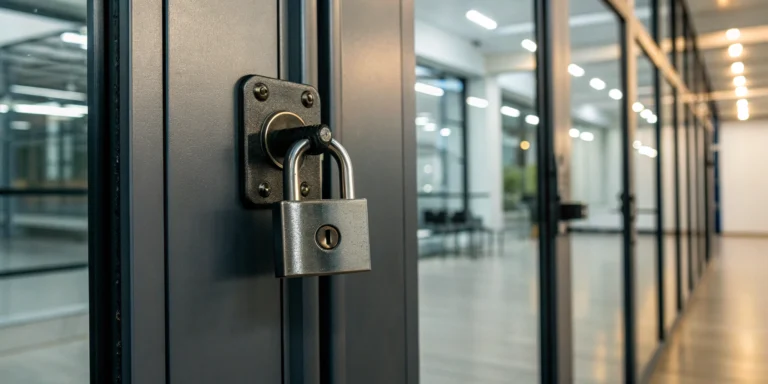
If the intruder got in through a door, the lock on that door is compromised whether or not it looks damaged. If keys were stolen, every lock those keys opened is compromised too. A licensed locksmith can rekey most cylinders on the spot, which resets the pins so the old key no longer works and is almost always cheaper than full replacement. If the hardware itself was damaged or forced, replacement is the right call. A Manhattan locksmith can usually handle a residential job in a single visit and get you back to a working front door the same day.
Board Up and Reinforce
For broken windows or split frames, a same-day board-up keeps the weather and any return visitor out until permanent repairs happen. While the door is open, it is a good moment to add a reinforced strike plate, longer screws into the stud, and a secondary deadbolt if the door did not already have one. Small upgrades here make a real difference on the next attempt.
Step Four: File the Insurance Claim
Call your renters or homeowners insurance carrier as soon as the property is secure. Most policies have a reporting window, and the sooner you open the claim, the sooner an adjuster can review your documentation. Have the police report number, your photos, and your list of missing items ready.
- Keep every receipt for emergency repairs — board-up, locksmith, glass replacement — because most of those are reimbursable.
- Do not throw away damaged items until the adjuster confirms you can. Pieces of a forced lock or a broken frame can be evidence of loss.
- Ask your agent exactly what your policy covers for stolen cash, jewelry, and electronics, and whether you have a sublimit that caps certain categories.
Step Five: Review What Failed and Upgrade
Once the immediate crisis is handled, sit down and think honestly about how the intruder got in. Was it an unlocked window, a flimsy builder-grade deadbolt, a spare key under a mat, a back door nobody thought about? The weak point is almost always obvious in hindsight, and fixing it is the best protection against a repeat.
Smart Locks and Cameras
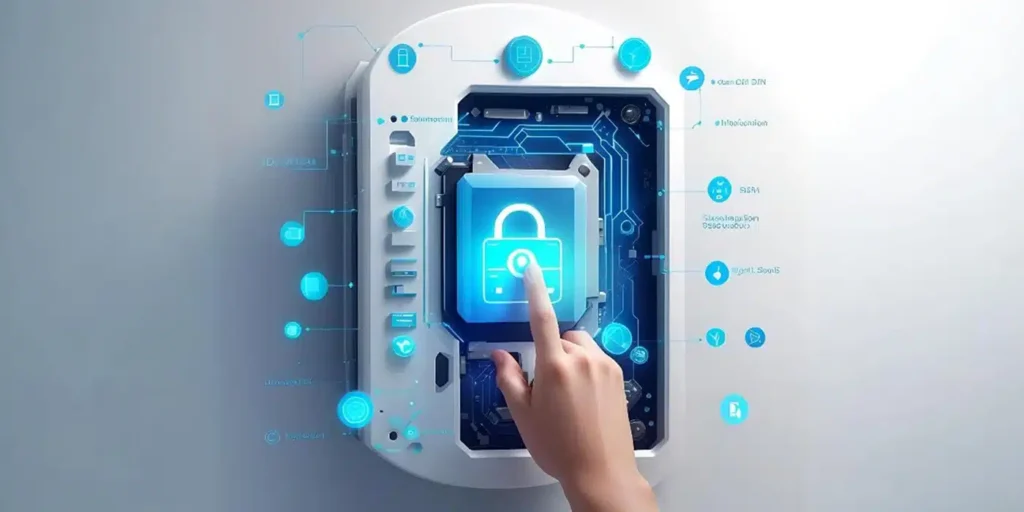
A smart lock gives you a shared digital key that you can revoke in seconds, plus an access log that tells you exactly who opened the door and when. Paired with a video doorbell or an outdoor camera, you have a recorded trail of anyone approaching the entry. These systems are far more useful than a louder alarm because they create accountability and evidence in real time.
High-Security Hardware
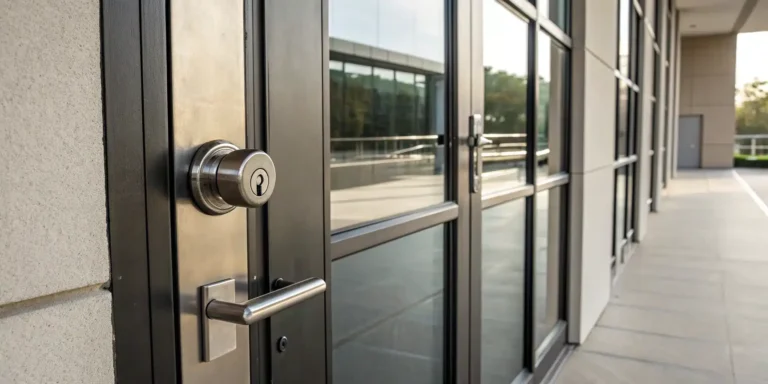
If the break-in involved picking, bumping, or snapping a cylinder, upgrade to a high-security lock with patented key control and pick resistance. These locks are rated to resist the exact attacks that budget hardware fails against, and they make it impossible for someone to copy your key at a corner hardware store. For a commercial property, a commercial locksmith can also put every entry on a master key plan so you control who has access to what.
Step Six: Take Care of the People in the Home
The hardware side of a break-in is straightforward. The emotional side is not. It is completely normal to feel jumpy in your own home for weeks after an incident like this, to sleep poorly, or to second-guess every sound in the building. Talk about it. Let your family, roommates, or coworkers know what happened and what you are doing to make things safer again. If the anxiety sticks around, a short course of counseling with someone who works with trauma can make a real difference. You are not being dramatic — a break-in is a genuine violation, and treating it that way is part of the recovery.
Step Seven: Prevent the Next One
Burglars look for easy targets. Every small friction you add to your property pushes them toward someone else’s door.
- Keep entry points well lit. Motion-sensor lights at the front, back, and any side entrance are cheap and highly effective.
- Trim back bushes and shrubs near ground-floor windows so there is nowhere to hide.
- Never leave spare keys outside. Give a copy to a trusted neighbor or use a smart lock instead.
- Vary your routine when you can, and use timers on lamps when you travel so the place does not look empty.
- Get to know your neighbors. A block where people notice each other is a block burglars avoid.
Final Thoughts
A break-in shakes your sense of safety, but the path back to feeling secure in your own space is made of small, deliberate steps. Document the scene, secure the hardware today, file the claim while everything is fresh, and use what you learned to close the gap the intruder used. Done in that order, you walk away with a stronger home, a cleaner insurance outcome, and the confidence that the next person who tries is not getting through.
Standing in the middle of this right now? You don’t have to triage a forced door alone at 2 a.m. Our 24/7 emergency locksmith service in NYC secures the entry point, changes or rekeys the damaged locks, and boards up what can’t be repaired tonight — call (212) 204-1655.
Need professional help in NYC? Contact Golden Key Locksmith NYC for Manhattan Locksmith Services or Apartment Lockout Help. Available 24/7 across Manhattan and all NYC boroughs.