
That slight stickiness when you push the exit bar or the way a door doesn’t quite latch shut—these aren’t minor annoyances. They are warning signs that your panic hardware may be failing. For a commercial property, a reliable exit door is non-negotiable for both safety and security. Understanding the system is the first step toward identifying problems before they become critical. From the main push mechanism to the latching components and door closers, every element must work in perfect harmony. This article will give you a clear overview of the essential commercial panic door hardware parts so you can spot issues and know when to call a professional.
Key Takeaways
- Know the Codes to Ensure True Safety: Panic hardware is a life-safety device regulated by strict standards like the ADA and NFPA. Meeting these requirements ensures everyone can exit safely during an emergency and protects your business from serious liability.
- Invest in Quality Hardware and Professional Installation: The reliability of your exit door depends on two things: durable, well-made components and flawless installation. Skimping on either can lead to system failure, so always choose reputable brands and trust a certified locksmith for the setup.
- Plan for Long-Term Upkeep and Integration: A panic bar is not a “set it and forget it” solution. Regular maintenance checks are essential for preventing wear and tear, while integrating the hardware with your security system provides greater control and awareness of your building’s exits.
What Are the Parts of a Commercial Panic Door?
Panic doors, also known as crash bars or exit devices, are a common sight in commercial buildings, but have you ever stopped to think about what makes them work? Understanding the different parts isn’t just for technicians—it helps you, as a business owner, ensure your property is safe, secure, and up to code. These doors are designed for fast, uninhibited exit during an emergency, and every component plays a vital role in making that happen seamlessly.
The Essential Components
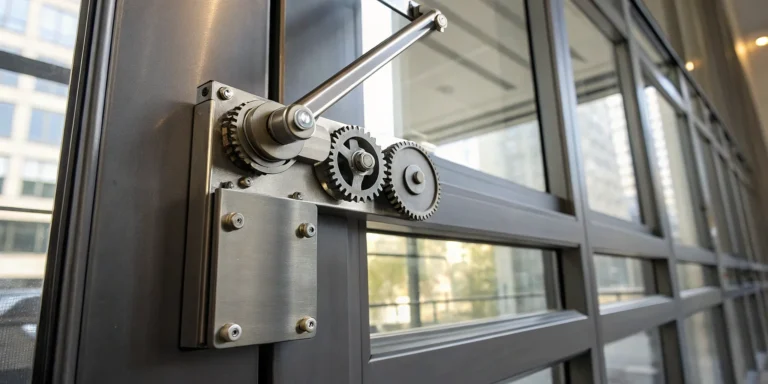
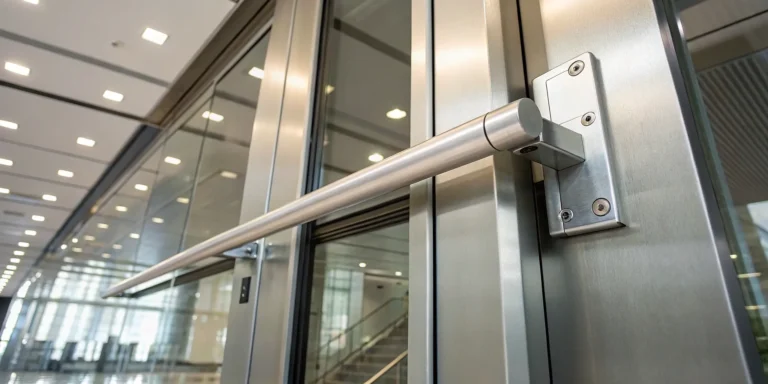
At the heart of any panic door is the push bar or touchpad, which is part of the main body called the chassis assembly. When you push it, it retracts a latch bolt from the strike—the metal plate on the door frame—allowing the door to open. Other key exit device parts include vertical rods for securing the top and bottom of the door, end caps for a finished look, and dogging assemblies that let you keep the door unlocked during business hours. It’s crucial that all these latching components are perfectly aligned. Even a slight misalignment from an incorrect installation can cause the entire system to fail when you need it most.
How They Keep You Safe and Secure
The magic of a panic door lies in its simplicity during a crisis. The entire mechanism is designed to be operated with one hand, requiring no more than 15 pounds of force to open. This ensures that anyone, regardless of age or physical ability, can exit quickly without needing a key or any special knowledge. This immediate egress is a lifesaver in emergencies like fires. But safety isn’t just about getting out; it’s also about keeping unwanted visitors from getting in. When properly installed, these systems provide robust security. That’s why the installation process must be exact, conforming to strict safety guidelines to guarantee both security and compliance. A professional door repair and installation ensures every part works together perfectly.
Clearing Up Common Myths
One of the biggest misconceptions is that panic bars are only for emergencies. While they are absolutely critical for safe egress, they also offer everyday convenience, making it easy for staff and customers to move through heavy commercial doors without fumbling for a handle. Another common myth is that only large venues need them. In reality, building codes often require them in smaller businesses, depending on the occupancy load and building use. It’s not about the size of your space but the safety of the people inside. If you’re unsure about your property’s requirements, consulting with a commercial locksmith can help you meet all necessary safety standards and keep your business protected.
How Each Critical Part Works
A commercial panic door is more than just a bar across a door; it’s a system of interconnected parts working together to ensure safety and security. When one component fails, the entire system can be compromised. Understanding how each piece functions helps you appreciate why professional installation and maintenance are so important for your business. From the push bar you see to the hidden mechanisms inside, every part has a critical job to do, whether it’s allowing for a quick exit during an emergency or preventing unauthorized entry after hours. Let’s break down the key components and what they do.
Push Bars and Exit Devices
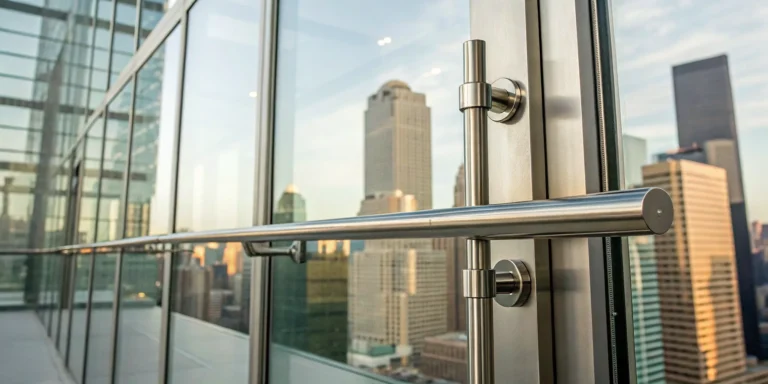
The push bar, also known as an exit device or crash bar, is the most visible part of the system. Its purpose is simple but vital: to allow people to unlatch the door and exit quickly just by pushing on it, without needing to turn a knob or use a key. While they are designed for emergency situations, these bars also offer everyday convenience, making it easier to open heavy commercial doors, especially when your hands are full. This single-motion exit capability is what makes them a cornerstone of building safety codes.
Locking Mechanisms and Strikes
Behind the scenes, the push bar controls a latching mechanism. When you push the bar, it retracts a latch bolt from a metal plate on the doorframe called a strike. This is what actually secures the door. For this to work flawlessly, every component must be perfectly aligned. If the hardware is installed incorrectly or shifts over time, the latch might not engage properly with the strike, creating a serious security risk. A misaligned lock can fail, leaving your business vulnerable, which is why a professional commercial locksmith should always handle the installation and any adjustments.
Door Closers and Mounting Hardware
A panic bar doesn’t work in isolation. It relies on other hardware, like door closers and hinges, to function correctly. A door closer is the hydraulic device at the top of the door that ensures it shuts automatically and securely after being opened. This is crucial for maintaining security and complying with fire codes. The mounting hardware, including the hinges, must be strong enough to support the heavy door and withstand constant use. Regular maintenance, like checking hinge alignment and lubrication, is essential to keep the entire door system operating smoothly and safely.
Electronic Components and Alarms
Modern panic bars can be integrated with advanced security features for even greater control. Over time, mechanical parts can wear out, but professional locksmiths can resolve these issues by integrating traditional panic bars with electronic components. These upgrades allow for remote monitoring, controlled access from the outside using keycards or codes, and alarm connectivity. Connecting your exit devices to your building’s security systems can trigger an alarm during an unauthorized exit, providing an immediate alert and an extra layer of protection for your property.
Meeting Safety and Compliance Standards
When you’re running a business, the safety of your employees and customers is everything. Installing commercial panic hardware isn’t just about picking a sturdy push bar; it’s about meeting a specific set of safety and compliance standards. These regulations are in place to ensure everyone can exit your building quickly and safely during an emergency. While the codes can seem like a maze of acronyms—NFPA, IBC, OSHA, ADA—they all share one common goal: saving lives. Understanding these requirements is the first step, and working with a professional ensures your commercial locksmith services are fully compliant, keeping people safe and your business protected.
NFPA 101 Life Safety Code
Think of the National Fire Protection Association (NFPA) 101 Life Safety Code as the foundational rulebook for emergency exits. This code outlines the essential requirements for panic hardware to guarantee a safe way out when it matters most. According to the NFPA 101 code, panic bars must be easy to operate without any special knowledge or effort. This means no tight twisting, pinching, or complex motions are allowed—just a simple push. Adhering to this standard is non-negotiable for maintaining a safe environment in any commercial building, from retail stores in Brooklyn to office buildings in Manhattan.
International Building Code (IBC)
While the NFPA sets the “what,” the International Building Code (IBC) often dictates the “how.” When installing panic hardware, it’s crucial that the process follows the specific guidelines laid out by the IBC. These rules ensure that the hardware functions exactly as it should during an emergency, providing a clear and unobstructed path for everyone inside. Proper door repair and installation is key to meeting these standards. A correctly installed panic bar, for instance, will unlatch the door with a single motion, which is a core requirement of the IBC for high-occupancy buildings.
OSHA Requirements
The Occupational Safety and Health Administration (OSHA) also has clear rules for exit routes to protect employees at work. OSHA regulations are very specific about placement. For example, panic hardware must be installed on the side of the door that faces the direction of egress, so people are pushing their way out, not pulling. Additionally, the hardware must be positioned between 34 and 48 inches above the floor. This height range ensures the bar is accessible to most people in a hurry, preventing dangerous delays during an evacuation.
ADA Guidelines
The Americans with Disabilities Act (ADA) ensures that your building is accessible to everyone, and your emergency exits are no exception. ADA guidelines have a big impact on panic hardware design. The rules state that the hardware must be operable with one hand and require no more than 15 pounds of force to activate. This ensures that individuals with disabilities, older adults, or anyone with limited strength can safely exit a building without assistance. Meeting these requirements is a critical part of creating an inclusive and secure space for every person who walks through your doors.
Fire Safety Regulations
In the event of a fire, your exit doors play a vital role in containing smoke and flames. Fire-rated doors and their hardware are governed by strict standards, including NFPA 80, which covers fire doors, and NFPA 105 for smoke doors. Compliance means that every component—from the door itself to the panic bar, closer, and hinges—is tested to work together as a single, fire-resistant unit. Using the correct, certified hardware is essential for ensuring the safety of occupants during a fire emergency, giving them precious time to evacuate.
How to Choose Quality Hardware
Selecting the right panic door hardware is about more than just picking a brand. It’s about ensuring the safety of everyone in your building and protecting your property. High-quality hardware is a long-term investment that pays off in reliability and peace of mind. When you’re evaluating your options, focus on the fundamentals: the materials, the durability, and the specific features that meet your security needs. A little attention to detail now can prevent major headaches later.
Check the Material and Construction
The quality of your panic hardware starts with what it’s made of. Look for solid, heavy-duty materials like stainless steel, brass, or bronze that can stand up to daily wear and tear. The internal components are just as important as the exterior finish. Well-made mechanisms ensure smooth operation and prevent jams. Remember, even the best materials won’t help if the parts are poorly designed. As experts note, hardware that is improperly positioned or has misaligned latching components can fail. That’s why choosing well-constructed hardware from a reputable source is the first step toward a secure and reliable exit door.
Consider Long-Term Durability
Think about how many people will use your doors every day. A busy NYC office or retail store needs hardware that can handle constant use without breaking down. Durability means choosing hardware rated for high-traffic commercial environments. But it also involves proper care. To ensure your hardware lasts, you’ll need a plan for regular maintenance. Simple actions like cleaning and lubrication can prevent the buildup of dirt and debris that causes wear and damage. Investing in durable hardware and maintaining it properly will keep your doors working smoothly for years, making it a smart choice for any commercial property.
Look for Key Security Features
While panic bars are designed for easy exit, they also need to provide robust security against unauthorized entry. When choosing hardware, look for features like deadlocking latch bolts, which prevent someone from tampering with the latch from the outside. It’s also critical to ensure the hardware meets all necessary code requirements for fire safety, accessibility, and security. This isn’t just a suggestion—it’s often a legal requirement. Integrating your panic hardware with a broader security system can add another layer of protection, giving you full control over who enters your building.
Factor in Weather Resistance
If your panic door is an exterior exit, it has to withstand everything New York weather throws at it. From humid summers and driving rain to freezing winters, the elements can take a toll on door hardware, causing rust, corrosion, and mechanical failure. Look for hardware with a weather-resistant finish, like galvanized steel or a specialized coating. The internal parts should also be made from tough materials that can handle fluctuating temperatures and moisture without compromising performance. Choosing weather-resistant hardware ensures your exit doors will function correctly when you need them most, regardless of the season.
Verify Installation Requirements
Even the highest-quality panic hardware will fail if it’s not installed correctly. Professional installation is non-negotiable because the process must be exact and follow strict safety guidelines to be effective. An improperly installed push bar can create a serious safety hazard, defeating its entire purpose. Before purchasing, confirm the hardware is compatible with your specific door type and frame. Always trust a certified locksmith for the installation to ensure every component is perfectly aligned, secured, and tested. This guarantees your hardware works as intended and complies with all local safety codes.
Top Brands in Panic Door Hardware
When it comes to something as critical as panic door hardware, the brand you choose matters. You need hardware that is reliable, durable, and compliant with safety codes. Sticking with a reputable manufacturer ensures you’re getting a product that has been tested and proven to perform when it matters most. While there are many options on the market, a few names consistently stand out for their quality and innovation in commercial security.
These top brands are trusted by professionals for a reason. They offer a wide range of products designed to meet the specific needs of different commercial spaces, from small retail shops to large office buildings. Investing in a quality brand not only keeps your building’s occupants safe but also gives you peace of mind knowing your exits are secure and functional. Let’s look at some of the leading names you should know.
Von Duprin
You can’t talk about panic hardware without mentioning Von Duprin. They are a giant in the industry, known for offering one of the most extensive selections available. With hundreds of different items, they provide solutions for nearly any type of door or security requirement you can imagine. This vast inventory means you can find the exact hardware to fit your building’s specific needs without having to compromise. Whether you need a simple push bar for a side exit or a more complex system for a high-traffic main entrance, Von Duprin likely has a high-quality option ready to go.
Adams Rite
Adams Rite is another top-tier brand, especially recognized for its focus on safety and compliance in commercial settings. They specialize in complete panic exit devices that are built to last and meet strict building codes. One of their standout offerings is their alarmed panic hardware, which adds an extra layer of security by sounding an alert during an unauthorized exit. This feature is perfect for businesses that need to control access while still ensuring a safe and immediate exit path during an emergency. Choosing Adams Rite means you’re prioritizing both security and safety for your property.
Sargent
If you’re looking for hardware that is synonymous with durability, Sargent is a brand to consider. They have built a strong reputation for producing tough, reliable products that can withstand the heavy use common in commercial environments. In fact, Sargent is so trusted that it’s one of the most frequently chosen brands for panic hardware parts and devices. Investing in their products means you’re less likely to deal with frequent breakdowns or the need for constant door repair and installation. Their hardware is built to perform consistently day in and day out, making it a smart long-term choice for any business.
Other Brands to Know
While Von Duprin, Adams Rite, and Sargent are major players, they aren’t the only great options out there. Several other brands offer excellent panic hardware that balances durability, convenience, and price. These manufacturers provide a wide variety of parts and devices to meet your various needs, with plenty of choices for different colors, finishes, and sizes. You can also find hardware with specific functions, like “fail-safe” mechanisms for high-security areas or “classroom” functions for educational settings. Exploring these other brands can help you find the perfect, customized solution that fits both your security requirements and your budget.
Your Guide to Installation and Maintenance
Once you’ve selected the right panic hardware, proper installation and regular upkeep are what keep it functioning correctly for years. This isn’t a “set it and forget it” component of your building. Consistent attention ensures your hardware works flawlessly during an emergency and helps you stay compliant with safety regulations. Think of it as routine care for one of your most important safety features. A little bit of preventative maintenance goes a long way in protecting your employees, customers, and property.
Why You Need Professional Installation
While you might handle plenty of tasks around your business, installing panic hardware shouldn’t be one of them. The process is incredibly precise and must follow strict safety codes to be effective and compliant. An improperly installed exit device can fail when you need it most, creating a serious safety hazard. A professional ensures every component is perfectly aligned, securely fastened, and tested for smooth operation. They understand the specific requirements for fire safety and accessibility, guaranteeing your hardware not only works but also meets all legal standards. For peace of mind and guaranteed compliance, always rely on professional door repair and installation services.
Create a Regular Maintenance Schedule
The best way to ensure your panic hardware remains reliable is to schedule regular maintenance checks. Just like any mechanical device, these systems experience wear and tear from daily use. Set a recurring reminder—monthly or quarterly—to inspect your exit doors. During these checks, wipe down the push bars and hardware to remove dust and grime that can interfere with moving parts. A little cleaning and lubrication can significantly extend the life of the hardware. This simple routine helps you catch small issues before they become major problems, ensuring your doors are always ready for a safe and speedy exit.
Follow an Inspection Checklist
A quick but thorough inspection can make all the difference. When you perform your regular maintenance checks, follow a simple checklist to make sure you don’t miss anything. Start by visually inspecting the hardware for any loose screws or visible damage. Next, test the mechanism by pushing the bar to ensure it depresses smoothly and the latch retracts completely without sticking. Check that the door closes and latches securely on its own. Finally, listen for any grinding or unusual noises during operation, as these can indicate internal problems. This quick walkthrough helps confirm everything is in good working order.
Troubleshooting Common Problems
Even with regular maintenance, you might run into issues. If a push bar feels stiff, the door doesn’t latch properly, or the alarm sounds without reason, it’s a sign that something is wrong. Often, these problems stem from misaligned components or internal wear. While it might be tempting to try a quick fix, tinkering with panic hardware can worsen the problem and compromise its safety features. These aren’t just minor inconveniences; they are critical failures that could put people at risk. If you notice any issues, it’s best to call for emergency locksmith services right away to have a professional diagnose and resolve the problem safely.
Integrating with Modern Security Systems
Panic door hardware isn’t just a standalone safety feature anymore. It can, and should, be a key player in your building’s overall security strategy. By connecting your panic bars with modern technology, you create a system that’s both safer for occupants during an emergency and more secure against unauthorized entry. This integration turns a simple exit device into a smart, responsive part of your security network, giving you more control and peace of mind. When you think of panic hardware, you might just picture a bar you push to escape during a fire, but its role has expanded significantly.
Thinking about how these systems work together is crucial for any business in a bustling area like Manhattan or Brooklyn. You need to manage access, monitor activity, and ensure your hardware can adapt as security technology evolves. Integrating these components means you’re not just meeting safety codes; you’re actively managing your building’s security in real-time. It allows you to create a seamless flow for authorized people while establishing a firm barrier against those who shouldn’t be there. Let’s walk through how you can connect your panic hardware to a broader security system to protect your property and your people effectively.
Electronic Access Control
One of the most powerful ways to upgrade your panic doors is by integrating them with an electronic access control system. This means you can pair your panic bars with keycard readers, keypads, or biometric scanners at the entry point. While the panic bar always allows free exit from the inside, the access control system manages who can enter from the outside. This setup is perfect for restricting entry to authorized personnel only, which is essential for securing employee entrances or sensitive areas. It gives you a detailed record of who enters and when, all while ensuring your doors remain fully compliant with emergency exit codes.
Smart Security Features
Modern panic hardware can also incorporate smart technology for even greater control. Imagine being able to remotely lock or unlock a door from your phone or a central computer. This is incredibly useful for managing access after hours or during a security event. You can also get real-time alerts that tell you if a door is propped open or has been used. These features allow you to monitor your building’s exit points more effectively and respond instantly to any unusual activity. It’s a practical way to bring your building’s security into the 21st century, making daily operations smoother and more secure.
Alarm System Connections
Connecting your panic bars directly to your building’s alarm system adds another critical layer of security. When the push bar is pressed, it can be configured to do more than just unlatch the door—it can also trigger an audible alarm or send a silent alert to your security team or a monitoring service. This provides an immediate notification if an emergency exit is used, helping you respond quickly to a fire, a medical emergency, or a potential security breach. This integration ensures that you’re always aware of what’s happening at your building’s most critical exit points.
How to Future-Proof Your Setup
To make sure your investment lasts, it’s smart to choose panic hardware that’s built for the future. Look for devices that are designed to be compatible with a wide range of technologies. This means selecting hardware that can easily integrate with different commercial security systems and accommodate software updates as new features become available. By planning ahead and choosing flexible, adaptable hardware, you ensure your security setup can evolve with your business needs and keep pace with the latest advancements in safety and technology. Consulting with a professional can help you select the right future-proof options for your building.
How to Make the Right Choice for Your Business
Choosing the right panic hardware for your business involves more than just picking a model from a catalog. It’s a critical decision that impacts the safety of your employees and customers, your building’s security, and your compliance with local codes. Getting it right means finding a balance between accessibility, security, and your budget. To make a confident choice, you need to look at your specific situation from a few different angles. Thinking through your building’s layout, the flow of people, your security goals, and your financial plan will help you select hardware that serves you well for years to come. Let’s walk through the key factors to consider.
Assess Your Building’s Needs
Start by taking a close look at your physical space. What kind of doors do you have? Are they wood, metal, or glass? Single or double? The type of door will dictate which panic hardware is compatible. Think about the building’s purpose—a busy retail store has different needs than a quiet office or a school. When installing panic hardware, the process must be exact and conform to specific safety guidelines to ensure maximum effectiveness. A professional assessment can identify potential challenges and ensure your hardware is a perfect fit for your building’s unique layout and function. Our experts in door repair and installation can help evaluate your exits and recommend the best solutions.
Consider Your Daily Foot Traffic
The number of people coming and going each day is a major factor in choosing your hardware. High-traffic areas like main entrances or hallways need heavy-duty panic bars that can withstand constant use. It’s a common myth that panic bars are only necessary for large buildings. In reality, even small businesses with public access may be required to have them to ensure safe egress during an emergency. Don’t underestimate the wear and tear on your exit doors. Investing in durable, high-quality hardware for busy areas prevents frequent repairs and ensures the device works when you need it most. For quieter, less-used emergency exits, a standard-duty device might be sufficient.
Determine Your Security Requirements
While panic hardware is designed for fast, easy exits, it also plays a role in your overall security plan. You need to prevent unauthorized entry from the outside while allowing people to leave freely from the inside. Consider if you need features like alarms that sound when the bar is pushed or integration with your existing security systems. Panic hardware that is improperly positioned or incorrectly installed can fail as a result of mechanical impairment, creating a security vulnerability. Discussing your security goals with a professional ensures your exit devices contribute to, rather than compromise, your building’s safety.
Plan Your Budget
Finally, let’s talk about budget. The cost of panic hardware includes the device itself, professional installation, and any potential maintenance down the line. While it’s tempting to go for the cheapest option, remember that this is an investment in safety. It’s also crucial to factor in the cost of compliance. Learning about NFPA, IBC, and OSHA regulations for panic exit devices can help you avoid expensive fines and mistakes. A professional commercial locksmith can provide a clear quote that covers code-compliant hardware and proper installation, giving you peace of mind that your investment is sound and your building is safe.
Related Articles
- Panic Bar Door: Everything You Need To Know
- Panic Bar Door Lock: The Ultimate Buyer’s Guide
- How To Fix A Door That Has To Be Pushed To Close
- Door Latch Broken Can’t Open Door: 5 Ways To Get In
Frequently Asked Questions
Does my small business actually need a panic bar? That’s a great question, and the answer depends less on the size of your business and more on the number of people it can hold. Building codes, like those from the NFPA and IBC, often require panic hardware based on a space’s “occupant load.” So, even a smaller retail store or restaurant might be required to have them to ensure everyone can get out quickly in an emergency. The best way to know for sure is to consult with a professional locksmith who understands local NYC codes.
How can a door that’s easy to open from the inside also be secure from the outside? This is the brilliant design behind panic hardware. The mechanism is built to allow for a simple, one-push exit from the inside at all times, no matter what. Security from the outside is handled separately. The latching mechanism is designed to prevent tampering, and you can integrate the door with access control systems like keycard readers or keypads. This gives you the best of both worlds: a guaranteed safe exit and controlled, secure entry.
My push bar feels stiff or gets stuck. What should I do? A stiff or sticky push bar is a major red flag because it means the door might not open in an emergency. This issue is often caused by misaligned parts, internal wear, or a buildup of grime. While regular cleaning can help, you shouldn’t try to force it or disassemble the mechanism yourself. This is a critical safety feature, and it’s best to call a professional locksmith to diagnose the problem and perform a safe repair.
Why can’t I just install the panic hardware myself? While the DIY spirit is admirable for many projects, installing panic hardware isn’t one of them. The installation has to be incredibly precise to meet strict safety and accessibility codes like ADA guidelines. If the latching components are even slightly misaligned, the entire system can fail. A professional installation guarantees that the hardware functions correctly, complies with all regulations, and keeps your property both safe and secure.
What’s the first step to choosing the right panic hardware for my building? The best first step is to assess your specific needs. Think about the type of door you have, how much daily foot traffic it gets, and your overall security goals. You don’t have to figure this out alone. A consultation with a commercial locksmith can help you evaluate your exits, understand your compliance requirements, and recommend hardware that fits your building and your budget perfectly.
Need professional help in NYC? Contact Golden Key Locksmith NYC for Metal Door Installation or Sliding Door Services. Available 24/7 across Manhattan and all NYC boroughs.