

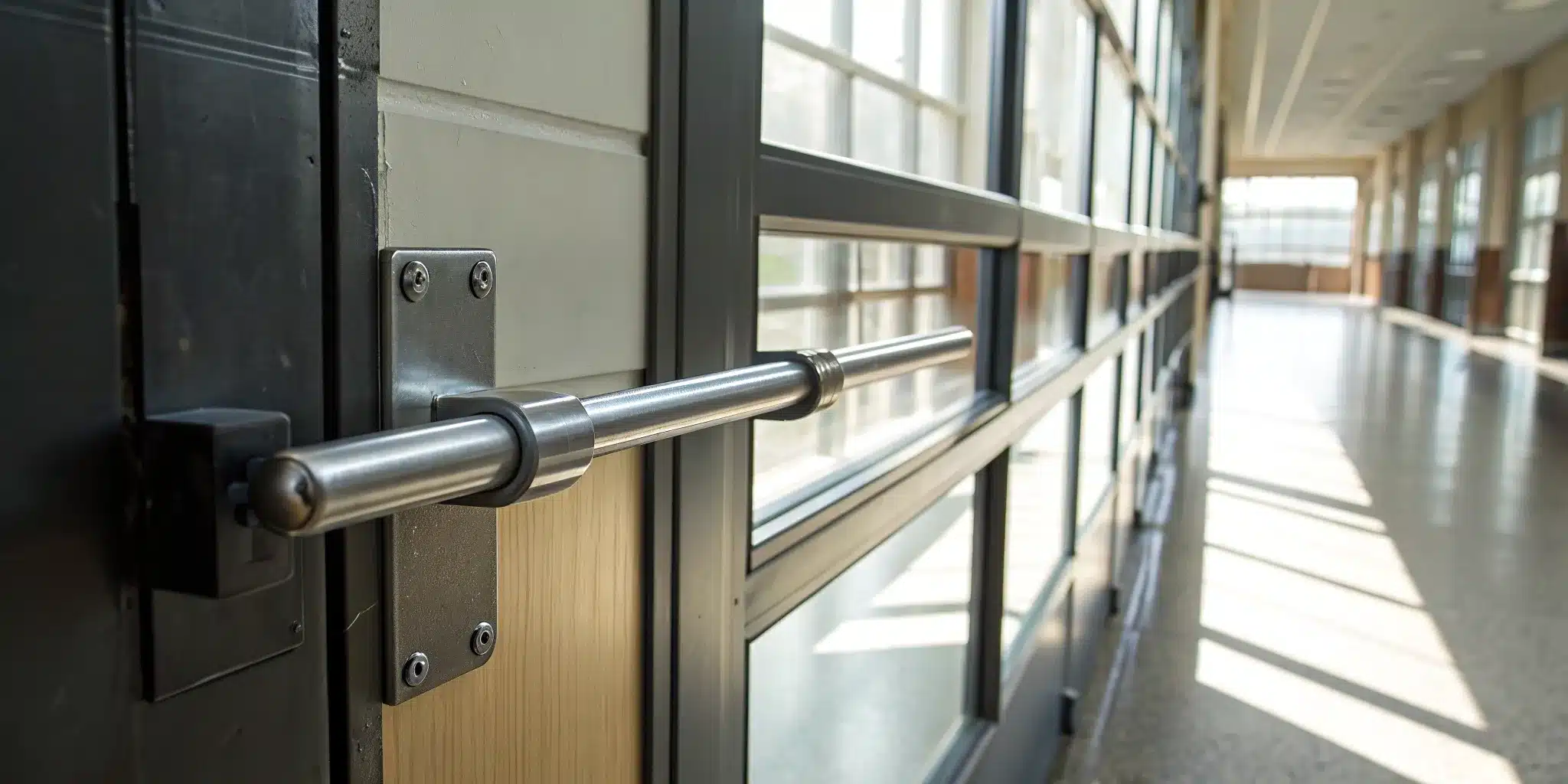
Modern schools face a dual security challenge: controlling access to keep threats out while ensuring every exit provides a clear, fast path to safety for students and staff. These two goals can sometimes feel at odds. This is where modern exit hardware plays a crucial role, bridging the gap between security and egress. They are no longer just simple mechanical bars; many can be integrated with alarms, access control systems, and lockdown protocols. This article explores how the right panic bars for schools and universities provide a perfect balance between robust security and immediate, safe exit capabilities, making them a cornerstone of any comprehensive campus safety plan.
Key Takeaways
- Prioritize Code Compliance and Accessibility: Your first responsibility is meeting safety codes like NFPA 101 and the ADA. This means choosing fire-rated hardware and ensuring it’s installed correctly so everyone, from small children to people with disabilities, can exit without issue.
- Choose Hardware Built for School Life: School doors handle constant traffic, so select durable, commercial-grade panic bars designed for heavy use. Match the device type—rim, mortise, or vertical rod—to the specific door and prioritize features like vandal resistance for better security.
- Rely on Professional Installation and Maintenance: A panic bar is a life-safety device, not a DIY project. Always budget for a professional locksmith to guarantee a correct, compliant installation, and schedule regular inspections to ensure the hardware works flawlessly when needed.
What Are Panic Bars and Why Do Schools Need Them?
If you’ve ever pushed a horizontal bar on a door to exit a movie theater, auditorium, or school, you’ve used a panic bar. Also known as a crash bar or exit device, a panic bar is a simple but brilliant piece of hardware. It’s a bar or pad installed on the inside of an outward-swinging door that unlatches the lock when you push it. There’s no need to turn a knob or handle; a simple push allows for a quick and easy exit.
For schools and universities, these devices are not just a convenience—they are a non-negotiable safety feature. In an emergency, whether it’s a fire or another urgent situation requiring evacuation, every second counts. Panic bars ensure that even in a crowded, high-stress scenario, large groups of people, including young children, can exit a building quickly and safely. They are designed for intuitive use, removing the fumbling and confusion that can come with traditional door handles during a crisis. A well-maintained panic bar is a cornerstone of any school’s emergency preparedness plan, providing a reliable means of egress when it’s needed most. Our commercial locksmith team specializes in installing and servicing these essential security features for educational institutions across NYC.
How Panic Bars Work for Safe, Quick Exits
The genius of a panic bar lies in its simplicity. The mechanism is designed to release the door latch with minimal pressure, allowing people to open the door by simply pushing against it with their hand or body. This is crucial in a panic, where fine motor skills can be compromised. These devices are also built to last. According to leading manufacturers like Von Duprin, high-quality exit devices are designed to be incredibly secure and durable, ensuring they function reliably for years. They are also flexible, so they can be updated as a building’s security needs evolve, making them a smart, long-term investment for any school.
Meeting Emergency Egress Requirements
Panic bars are a key component in meeting strict building and fire safety codes. The National Fire Protection Association’s Life Safety Code (NFPA 101) mandates panic hardware in educational and assembly spaces with an occupancy of 100 or more people. These regulations exist for one reason: to save lives. They ensure that main exits are equipped for rapid evacuation, preventing dangerous bottlenecks at doorways during an emergency. Adhering to these codes isn’t just about avoiding fines; it’s about fulfilling a fundamental responsibility to protect students and staff. If you need an urgent repair or assessment, our emergency locksmith services are available 24/7.
Handling High-Traffic Hallways and Doorways
Beyond emergencies, panic bars are workhorses in the daily life of a school. Think about the main entrance, cafeteria, or gymnasium doors—they are used hundreds, if not thousands, of times a day. Panic hardware is specifically designed to withstand this constant, heavy use. As noted in Campus Safety Magazine, their durability and ease of use make them ideal for high-traffic areas. However, this constant use also means they require regular checks. Scheduling routine maintenance and testing with a professional locksmith ensures the hardware remains in perfect working order, preventing breakdowns that could compromise both daily operations and emergency safety. Proper door repair and installation are key to their long-term performance.
Key Features to Look for in a School Panic Bar
Choosing the right panic bar isn’t just about picking a piece of hardware; it’s about investing in the safety and security of your students and staff. Not all exit devices are built the same, and a school environment has unique demands that require specific features. From withstanding the daily rush between classes to meeting strict safety codes, the panic bar you choose needs to be reliable, accessible, and secure. Let’s walk through the essential features to look for to ensure you make the right choice for your facility.
Durability for Heavy Daily Use
Think about the main entrance or gymnasium doors at a school. They are opened and closed hundreds, if not thousands, of times a day. This constant, heavy use means durability is non-negotiable. A quality panic bar is built from robust materials like stainless steel and designed to last for years without failing. This level of durability is essential for high-traffic areas where the hardware must perform reliably every single time. When selecting a device, look for models specifically rated for institutional or commercial use. Investing in a durable exit device from the start prevents frequent repairs and ensures the door is always ready for a safe exit.
ADA Compliance and Accessibility
In an emergency, every second counts, and every person must be able to exit quickly and without struggle. That’s why compliance with the Americans with Disabilities Act (ADA) is a critical feature. An ADA-compliant panic bar is designed to be operated with minimal effort—typically requiring no more than five pounds of pressure and no tight grasping or twisting of the wrist. This ensures that students, staff, and visitors with disabilities, as well as small children or those with limited strength, can open the door easily. When you’re evaluating options, always confirm they meet current ADA standards to guarantee your school is both safe and accessible for everyone.
Fire Ratings and Code Compliance
Panic bars are a fundamental component of a building’s life safety plan, especially when it comes to fire emergencies. For school assembly areas, cafeterias, and hallways with a certain occupancy load, building codes like NFPA 101 require fire-rated exit hardware. A fire-rated panic bar is designed to not only allow egress but also to withstand intense heat and maintain the integrity of the fire door, preventing smoke and flames from spreading. This gives occupants more time to evacuate safely. Working with a professional commercial locksmith ensures that the hardware you choose meets all local and national fire codes, keeping your building compliant and its occupants protected.
Vandal Resistance and Security Features
A panic bar has to perform a crucial dual role: it must always allow people to exit while preventing unauthorized individuals from entering. For schools, this security function is paramount. Look for panic bars with vandal-resistant features, such as heavy-duty construction and concealed fasteners that are difficult to tamper with. Many modern exit devices can also be integrated with the school’s broader security systems. Features like integrated alarms can alert staff to unauthorized use of an emergency exit, while electrified options can connect to access control systems, providing a comprehensive solution that balances easy egress with robust security against external threats.
What Are the Different Types of Panic Bars for Schools?
When you start looking at panic bars, you’ll find there isn’t just one standard model. The right choice depends on the type of door, your security needs, and your budget. Understanding the main categories will help you make an informed decision for your school’s entryways, as each type offers a different balance of security, aesthetics, and functionality. Choosing the correct hardware is a critical part of keeping students and staff safe, ensuring exits are always accessible during an emergency while remaining secure. Let’s walk through the most common types so you can figure out what works best for your buildings.
Rim vs. Mortise Exit Devices
The most common distinction you’ll find is between rim and mortise panic bars. A rim panic bar is a surface-mounted device, meaning its latching mechanism attaches directly to the inside of the door. It’s a straightforward and popular choice for many schools because it’s relatively easy to install on most single doors. A mortise panic bar, on the other hand, has its locking mechanism installed inside a pocket cut into the door’s edge. This creates a cleaner look and often provides a higher level of security, making it a robust solution for high-traffic areas.
Vertical Rod Devices
You’ve likely seen vertical rod exit devices on pairs of doors, like those leading to a gym or auditorium. These panic bars have rods that run up the door, latching at the top and bottom of the frame. This design secures the door at multiple points, which is essential for double doors that don’t have a central post to latch into. This multi-point locking system adds significant security, and incorporating them is a key part of any comprehensive door repair and installation plan that prioritizes safety.
Electronic Panic Bars with Security Integration
For a more modern approach, electronic panic bars connect directly to your school’s security infrastructure. These devices can be integrated with alarms, access control, and automatic door operators. This means you can get alerts if a door is used improperly, remotely lock or unlock doors during a lockdown, or schedule doors to be held open during high-traffic periods. These smart devices are a powerful component of modern security systems, giving facility managers greater control and real-time information about their buildings.
Understanding Legal Requirements and Building Codes
When it comes to school safety, panic bars aren’t just a helpful feature—they’re a legal necessity. Navigating building codes can feel like a chore, but these rules are in place for a critical reason: to ensure everyone can exit quickly and safely during an emergency. Getting the details right protects your students and staff while keeping your facility compliant.
Think of these regulations as a blueprint for safety. They cover everything from where panic bars must be installed to how they function. While it might seem complex, understanding the basics helps you make informed decisions for your school. Partnering with a professional who understands NYC’s specific requirements can ensure every installation is done correctly from the start. A qualified commercial locksmith can manage these technical details, so you can focus on running your school.
NFPA 101 and IBC Standards
Two of the most important sets of rules you’ll encounter are the National Fire Protection Association (NFPA) 101 and the International Building Code (IBC). These codes are the national standard for fire safety and building construction. For schools, they specifically mandate panic hardware on doors in any assembly area with 50 or more people, like auditoriums or cafeterias, as well as in high-hazard spaces. This isn’t just red tape; it’s a life-saving requirement designed to prevent tragedies by allowing large groups to exit without delay.
Occupancy and Force Requirements
Safety codes get very specific about how a panic bar should work. The door latch must release with no more than 15 pounds of pressure. This ensures that almost anyone can open the door in a high-stress situation. However, many schools and public buildings aim to meet the stricter Americans with Disabilities Act (ADA) standard, which recommends a maximum of 5 pounds of force. Adhering to this lower threshold guarantees that the exit is accessible to everyone, including young children and individuals with physical disabilities, making your building safer for all.
Installation Height and Accessibility Rules
Where you place the panic bar is just as important as how it functions. To comply with ADA guidelines, the bar must be installed between 34 and 48 inches from the finished floor. This specific height range ensures the device is within easy reach for people of all ages and abilities, from a small child to an adult in a wheelchair. Proper door repair and installation is key to meeting this standard, ensuring that your emergency exits are truly accessible when they’re needed most.
Top Panic Bar Brands for Educational Facilities
Our Recommended Commercial Solutions
When you’re choosing hardware that needs to protect students and staff, you can’t afford to take chances. Over the years, our team has worked with countless brands, and a few consistently stand out for their reliability, durability, and commitment to safety in educational settings. These are the brands we trust and recommend for school and university projects because they deliver on their promises. Selecting the right brand is a critical step in any commercial locksmith project, ensuring your facility is secure, compliant, and prepared for both daily use and emergencies. Let’s look at a few of the top names in the industry.
Von Duprin
If you’re looking for a brand that’s practically synonymous with panic bars, Von Duprin is it. They are known for creating incredibly secure and durable exit devices that can withstand the high traffic of a busy school hallway. What makes them a great choice for educational facilities is their focus on innovation. Von Duprin’s panic device technology is designed to be flexible, meaning the hardware can be updated as your building’s needs or safety codes change over time. This forward-thinking approach ensures your investment provides long-lasting performance and security, keeping your exits safe and functional for years to come.
Adams Rite
Adams Rite has carved out a niche by specializing in panic hardware for aluminum storefronts and narrow stile doors—the kind you often see at the main entrances of schools and university buildings. Their products are specifically engineered to meet the unique safety and compliance challenges of educational environments. This sharp focus means you’re getting a solution that isn’t just a generic fit but is tailored for the demands of a campus setting. When you choose Adams Rite, you’re opting for a brand that understands the specific security and egress needs of schools, making them a trusted partner in student safety.
Sargent and Corbin Russwin
For a comprehensive range of reliable and user-friendly panic hardware, Sargent and Corbin Russwin are excellent choices. Their products are engineered for one primary purpose: to allow people to exit quickly and easily during an emergency. This makes them ideal for educational institutions where clear, intuitive egress is non-negotiable. Known for their durability, Sargent’s exit devices are built to handle the wear and tear of daily use while remaining perfectly functional for when it matters most. Their effectiveness and reliability ensure your school can consistently maintain the highest safety standards for students, faculty, and visitors.
Common (and Costly) Mistakes to Avoid
Panic bars are a critical safety feature, but simply having them isn’t enough. To ensure they function correctly when you need them most, it’s important to sidestep a few common pitfalls. These mistakes can not only compromise the safety of students and staff but also lead to expensive repairs and compliance issues down the road. Let’s walk through what to watch out for so you can make sure your school’s exit hardware is always ready for action.
Improper Installation
One of the biggest mistakes is treating a panic bar like any other piece of door hardware. These devices have specific installation guidelines that must be followed precisely. It’s essential to ensure the panic bar is perfectly aligned with the door frame so it opens smoothly every single time. A misaligned bar can jam or fail to unlatch during an emergency, completely defeating its purpose. Because proper setup is so crucial for safety and compliance, it’s always best to rely on professional door repair and installation services to get the job done right from the start.
Forgetting Maintenance and Compliance Checks
Installation is just the beginning. Even the highest-quality panic hardware can fail without regular inspections. Facility teams should routinely check for proper latch alignment, smooth operation, and any visible signs of wear and tear. Think of it as preventative care for your building’s most important safety features. To stay ahead of any potential issues and ensure you remain compliant with safety codes, it’s recommended to have all your exit devices inspected and tested at least once a year by a qualified commercial locksmith. This simple step keeps your hardware in top shape and provides peace of mind.
Sacrificing Quality for a Lower Price
When working with a tight budget, it can be tempting to opt for a less expensive panic bar. However, choosing lower-quality hardware often leads to higher costs in the long run. Cheaper devices are more prone to failure, require more frequent replacements, and may not meet strict building codes, causing you to fail inspections. Many facilities run into trouble because of simple oversights, like installing non-compliant locks or modifying panic bars in ways that compromise their effectiveness. Investing in durable, compliant security systems from the outset is a smarter financial decision and a non-negotiable part of keeping your school safe.
Budgeting for Panic Bars: What to Expect
Planning for a security upgrade like panic bars means talking about the budget. It’s an essential investment in the safety of your students and staff, and understanding the costs upfront will help you make the best decisions for your school. The total price tag isn’t just about the hardware itself; it’s a combination of the physical device and the skilled labor required to install it correctly.
Think of it as a two-part investment. First, you have the cost of the panic bar, which can vary quite a bit based on its features and durability. Second, you have the cost of professional installation, which is critical for ensuring the device functions flawlessly and meets strict safety codes. Trying to cut corners on either of these can lead to bigger expenses down the road, from frequent repairs to potential compliance fines. By breaking down the costs and planning carefully, you can secure your facility effectively without any last-minute financial surprises. Let’s walk through what you can expect.
Price Ranges by Type and Feature
The cost of a panic bar itself can range from a few hundred to over a thousand dollars, depending on what you need. For example, a quality rim exit device for a standard 36″ door might be in the $450-$500 range. If you need a device for a glass door, like an Adams Rite model, you could be looking at closer to $600. The price is influenced by several factors: the brand’s reputation, the materials used, and any special features. A heavy-duty, fire-rated device will cost more than a basic model. Similarly, exit devices with built-in alarms or integrations for access control systems will be at the higher end of the price spectrum.
Factoring in Professional Installation Costs
The price of the hardware is just one piece of the puzzle. You also need to budget for professional installation. While a DIY approach might seem tempting to save money, it’s not recommended for critical life-safety equipment. Improper installation can cause the device to fail during an emergency, void the manufacturer’s warranty, and violate building codes. Hiring a professional ensures the panic bar is installed correctly and securely. Experienced commercial locksmiths have the tools and knowledge to handle any door type and ensure your hardware is fully compliant with all local and national safety regulations, giving you complete peace of mind.
Finding the Right Supplier for Your School
Where you buy your panic bars matters. Choosing a reputable supplier ensures you get high-quality, durable hardware that meets all necessary safety standards. While you can order from online retailers, partnering with a full-service locksmith company like Golden Key can simplify the entire process. We can help you assess your school’s specific needs, recommend the right type of panic bar for each doorway, and source the best products from trusted brands. A good partner will provide clear product information and support, helping you make an informed decision that protects both your students and your budget. This approach ensures you get the right hardware for the job, every time.
Related Articles
- The 6-Step Balanced Door Hardware Installation Guide
- A Guide To Balanced Doors For Historic Buildings
- Commercial Door Services
Frequently Asked Questions
Can a panic bar be locked from the outside to keep the school secure? Yes, that’s a key part of their design. While a panic bar always allows for a quick exit from the inside, it functions as a securely locked door from the outside. You can choose hardware that requires a key for entry or even integrate it with an access control system, like a key card reader, to ensure only authorized people can get in. This gives you the perfect balance of easy egress and strong external security.
How often should we be checking our school’s panic bars? It’s a good idea for your facility staff to perform quick push tests on high-traffic doors weekly to ensure they operate smoothly. For a more thorough inspection that confirms proper alignment and code compliance, you should have a professional locksmith service all of your exit devices at least once a year. This preventative approach catches small issues before they become serious safety risks.
What’s the real difference between a fire-rated panic bar and a standard one? A standard panic bar is designed for quick exiting. A fire-rated panic bar does that same job but is also built from materials that can withstand extreme heat for a specific amount of time. When installed on a fire-rated door, it helps prevent the spread of smoke and flames during a fire. This is a critical, code-required feature for certain doorways in a school, as it helps contain a fire and gives occupants more time to evacuate safely.
We have older doors in our school. Can panic bars be installed on them? In most cases, yes. Panic bars are quite versatile and can be retrofitted onto many existing doors, including wood, metal, and even some glass doors. The key is to have a professional assessment first. A qualified locksmith can evaluate your current doors and frames to recommend the right type of device and ensure it’s installed securely without compromising the door’s integrity.
Why can’t our own maintenance team just install the panic bars? While your maintenance team is undoubtedly skilled, installing life-safety hardware is a specialized job. Panic bars must be installed with absolute precision to meet strict fire and accessibility codes. A small mistake in alignment or hardware choice can cause the device to fail in an emergency or lead to a failed building inspection. Using a professional commercial locksmith guarantees the installation is done correctly and is fully compliant from day one.
Need professional help in NYC? Contact Golden Key Locksmith NYC for Key Card Entry Systems or Access Control Systems. Available 24/7 across Manhattan and all NYC boroughs.