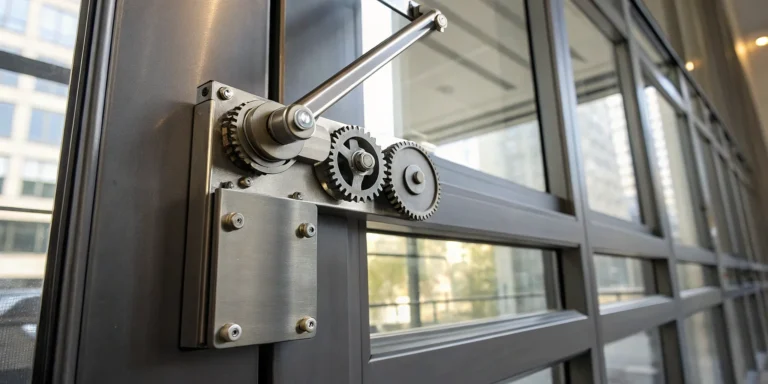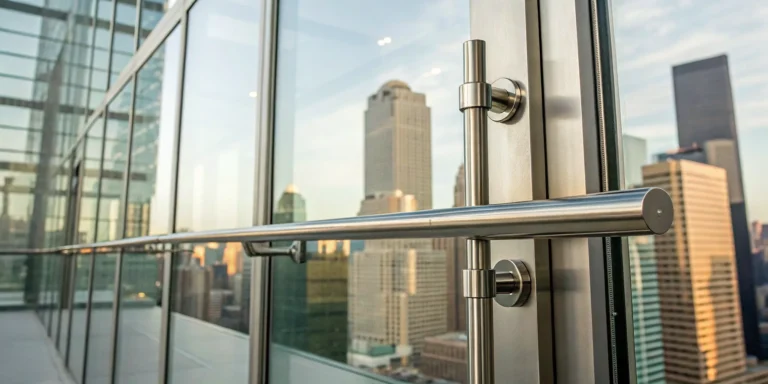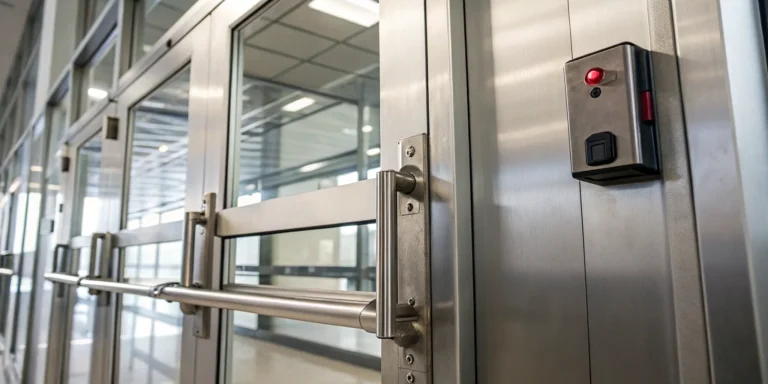

Your building’s double doors are great for daily foot traffic, but they can become a serious hazard during an emergency if they don’t open correctly. The solution is a properly fitted panic bar system, which turns a potential bottleneck into a clear and safe exit. It’s more than just attaching hardware; it’s about ensuring the mechanism is perfectly aligned and functions intuitively when someone pushes it. Getting this right is crucial for safety and code compliance. We’ll show you the correct method for installing a panic bar on double doors, covering everything from hardware selection to the final, critical safety checks.
Want it installed for you? We install panic hardware on double doors, storefronts, and fire-rated exits across Manhattan, Brooklyn, Queens and The Bronx. See panic bar installation in NYC or call (212) 204-1655.
Key Takeaways
- Use the right hardware combination for double doors: To ensure a safe and clear exit, use a side-latching one-point crash bar on the active door and a two-point crash bar on the inactive one. This specific setup prevents the doors from jamming each other during an emergency.
- Stick with a single brand for all components: Purchase your panic bar and any exterior hardware, like a keyed lever, from the same manufacturer. This is the easiest way to guarantee all the parts are compatible and will function together smoothly.
- Prioritize precise alignment during installation: A panic bar’s reliability depends on perfect installation. Use the provided template for drilling and ensure the strike plates are perfectly aligned so the latch mechanism works flawlessly when you need it most.
What is a Panic Bar and Why Do Your Double Doors Need One?
If you run a business in New York City, the safety of your employees and customers is always top of mind. One of the most critical, yet often overlooked, pieces of safety hardware is the panic bar. You’ve probably used one a thousand times without thinking about it—it’s that horizontal bar on an exit door that you push to open it. Also known as a push bar or crash bar, its simple design serves a vital purpose: allowing for a quick and easy exit during an emergency.
In a fire or any situation that requires a fast evacuation, a panic bar lets people open the door with a simple push, without needing to turn a knob or handle. This is especially important for double doors, which are common in commercial buildings, theaters, and schools. Having the right hardware ensures your building is not only safe but also up to code, which is a must for any commercial property. It’s a simple device that can make all the difference when seconds count.
How Panic Bars Work
The genius of a panic bar is its simplicity. It’s designed for fast, intuitive use, especially under stress. When you push the bar, it retracts the latch mechanism, allowing the door to swing open. The whole operation is designed to be almost effortless. According to the National Fire Protection Association (NFPA), it should take no more than 15 pounds of force to open the door, and it must be operable with one hand. This ensures that anyone, including children or people with disabilities, can exit without a struggle. For proper accessibility, the bar itself is typically installed between 34 and 48 inches from the floor. This specific placement and low force requirement are key to its effectiveness in an emergency.
Meeting Safety Codes for Double Doors
For any business, complying with local safety codes isn’t just about avoiding fines—it’s about protecting people. The NFPA sets clear guidelines for panic hardware to ensure it functions correctly when needed most. These rules state that panic bars must be installed on the exit side of the door and require regular maintenance to stay in good working order. Failing to meet these standards can lead to serious legal issues, particularly if an accident happens on your property. That’s why professional door repair and installation is so important. An expert can ensure your hardware is installed correctly and that your business meets all necessary safety regulations, giving you peace of mind.
Common Panic Bar Types for Double Doors
When it comes to double doors, you can’t just install any two panic bars and call it a day. The type of hardware you choose is crucial for ensuring the doors work together seamlessly. For example, if your double doors overlap, installing a 2-point vertical rod bar on both can actually prevent them from opening correctly in an emergency. A better approach for this dual door application is to use a combination of hardware. Typically, you’d install a side latch 1-point crash bar on the active door (the one that opens first) and a 2-point crash bar on the inactive door. This setup ensures both doors can be opened quickly and without obstruction when the bars are pushed.
How to Choose the Right Panic Bar for Your Double Doors
Picking the right panic bar isn’t just about grabbing the first one you see at the hardware store. For double doors, especially in a commercial setting, the right hardware is your first line of defense in an emergency and a key part of your building’s security. It’s about finding a system that fits your specific doors, meets safety standards, and functions flawlessly when you need it most. Taking the time to choose correctly will save you a lot of trouble during installation and ensure your building is safe and compliant.
Check Your Door Specifications and Measurements
Before you even think about buying hardware, you need to get familiar with your doors. Measure the width of each door, note the material they’re made of, and check how they meet in the middle. A crucial pro-tip is to buy the panic bar and the outside lock, like a keyed lever, from the same manufacturer. This simple step ensures all the components are designed to work together, which is essential for a smooth and secure fit. If you’re feeling unsure about getting the right specs, a professional commercial locksmith can handle the measurements and recommend the perfect hardware for your setup.
Compare Panic Bar Types and Mechanisms
Panic bars come in a few different styles, and the right one for you depends on your doors. For double doors that overlap, you need a specific combination to ensure a quick exit. Avoid installing two-point vertical rod panic bars on both doors, as this can make them difficult to open together. A better, safer setup is to use a side-latching one-point crash bar on one door and a two-point crash bar on the other. This configuration allows both doors to open smoothly without getting in each other’s way, which is exactly what you need in an emergency.
Confirm Local Code Compliance
Safety regulations are non-negotiable, especially when it comes to exit doors. To comply with most local building codes, the panic bar must be installed on the side of the door that people use to exit. There’s also a specific height requirement: the bar must be positioned between 34 and 48 inches from the finished floor. Following these rules isn’t just about passing an inspection; it’s about ensuring that anyone, regardless of height or ability, can easily open the door during an emergency.
Ensure Hardware Compatibility
A panic bar system is only effective if all its parts work together in perfect harmony. During installation, the goal is to get the lock into its “happy place,” where every component moves freely without sticking or binding. This perfect alignment is critical for the push bar to retract the latches smoothly every single time. This is another reason why buying a complete kit from a single manufacturer is so important. When the hardware is mismatched, achieving this alignment can be nearly impossible. A professional door repair and installation expert can ensure everything lines up perfectly for reliable operation.
What Tools and Materials Do You Need for Installation?
Getting your tools and materials together before you start is the best way to ensure a smooth installation. Think of it as your pre-project checklist. Having everything within arm’s reach means you can focus on the task without making extra trips to the hardware store. While installing a panic bar can be a manageable project, it requires precision. If you find that your doors need significant adjustments or you’re unsure about any step, our commercial locksmith team is always ready to help ensure a secure and compliant installation.
Your Essential Tool Checklist
You don’t need a massive workshop, but a few key tools are non-negotiable for this job. First on the list is a power drill with a full set of drill bits. You’ll need the right bit for your door’s material—whether it’s wood, metal, or a composite—to create clean pilot holes for the mounting hardware. Make sure your drill battery is fully charged! You’ll also want a reliable screwdriver set with both Phillips head and flathead options to securely fasten all the screws without stripping them. These two tools will do most of the heavy lifting for the installation.
Required Hardware and Components
When you purchase your panic bar, it should come as a kit with all the necessary components. Before you begin, open the box and check the contents against the parts list in the instructions. You should have the panic bar exit device itself, specifically designed for double doors, along with all the mounting hardware like screws and brackets. Most kits come with a paper template, which is incredibly helpful for marking exactly where to drill. Using the template takes the guesswork out of placement and helps you get the alignment right on the first try. If your doors are in rough shape, you may need professional door repair and installation before you begin.
Safety Gear and Prep Materials
Safety should always be your top priority. At a minimum, wear safety goggles to protect your eyes from any dust or metal shavings, especially when you’re drilling. A pair of work gloves is also a good idea to protect your hands from sharp edges on the hardware or the door itself. For preparation, you’ll need a measuring tape and a level. You’ll use the measuring tape to mark the correct height for the bar—building codes typically require it to be between 34 and 48 inches from the floor. The level is crucial for making sure the panic bar is perfectly horizontal. An unlevel bar not only looks off but can also affect how well it functions in an emergency.
Your Step-by-Step Guide to Installing Panic Bars on Double Doors
Installing a panic bar, especially on double doors, is a precise job that directly impacts your building’s safety and compliance. While it might seem straightforward, every step requires careful attention to detail. If you’re feeling unsure at any point, remember that a professional can ensure the job is done right. For now, let’s walk through the process together.
Prepare the Doors and Your Workspace
First things first, get your space and materials ready. Clear the area around the doors to give yourself plenty of room to work. Before you buy anything, make sure the panic bar and any exterior hardware, like a keyed lever, are from the same manufacturer. This is a non-negotiable step, as mismatched parts often lead to installation headaches and a system that doesn’t function correctly. Once you have your compatible hardware, unpack everything and lay it out. Check that all the screws and components listed in the instructions are there. A little prep work now saves a lot of frustration later.
Mark and Drill the Pilot Holes
Accuracy is everything when it comes to door hardware. Before you drive in any screws for the panic bar or strike plates, you’ll need to mark and drill small pilot holes. Use the template provided with your panic bar kit to mark the exact spots for drilling. These small guide holes do two important things: they prevent the wood or metal from splitting, and they ensure your screws go in perfectly straight. This keeps the hardware exactly where it needs to be, which is critical for the smooth operation of the panic bar mechanism. Taking your time on this step will pay off.
Install the Panic Bar Mechanism and Strike Plates
With your pilot holes drilled, you can begin attaching the main panic bar mechanism to the door. After that, it’s time to install the strike plates on the door frame. This is where alignment is crucial. The strike plate is the metal piece on the frame that the latch catches. If it’s even slightly too far in or out, the door won’t latch securely when it closes. This can compromise the security of your building and the safety function of the bar. If the door frame itself is damaged or misaligned, you may need professional door repair and installation to ensure a secure fit.
Get the Alignment Right for Both Doors
Double doors present a unique challenge. You need to make sure both doors operate smoothly without interfering with each other. If your doors overlap, you should avoid installing 2-point vertical rod panic bars on both. This setup can cause the bars to jam against each other, preventing an easy exit in an emergency. A better solution is to use a side latch 1-point crash bar on one door and a 2-point crash bar on the other. This dual door application ensures that both doors can be opened quickly and independently without obstruction, keeping your exit path clear and safe.
Avoid These Common Installation Mistakes
One of the biggest mistakes people make during a DIY installation is trying to force parts to fit. If a component doesn’t slide easily into place or a screw doesn’t turn smoothly, stop what you’re doing. Forcing it will likely damage the hardware or the door itself. A component that doesn’t fit is a clear sign that something is misaligned or incorrect. Take a moment to reassess your measurements and the instructions. If you get stuck and can’t figure out the problem, it’s much better to call an emergency locksmith than to risk a faulty installation that could fail when you need it most.
Test for Functionality and Perform Regular Maintenance
Don’t wait until the very end to see if everything works. As you install each component, test the mechanism. Push the bar, turn the key, and check that the latch retracts and extends smoothly. Once everything is fully installed, open and close the doors multiple times to ensure they latch correctly and open easily with a push of the bar. Remember, installation is just the beginning. Regular maintenance is required to keep your panic hardware in good working order and compliant with NFPA 80 fire code requirements. Periodically check for loose screws and test the mechanism to ensure it remains a reliable safety feature.
Related Articles
- Panic Bar Door: Everything You Need To Know
- Commercial Panic Door Hardware Parts Explained
- Panic Bar Door Hardware 101: A Complete Guide
- Panic Bars 101: A Complete Guide For Business
- Revolving Doors For Commercial Buildings: Cost & Benefits
- Revolving Doors For Hospitals & Airports: Buyer’s Guide
Frequently Asked Questions
Why is it so important to use a specific combination of panic bars for double doors? Think of your double doors as a team that needs to work together perfectly during an emergency. If you install two identical heavy-duty bars, especially on doors that overlap, they can end up jamming against each other when pushed at the same time. Using a specific combination, like a side-latching bar on one door and a vertical rod bar on the other, ensures each door can open freely without getting in the other’s way. This setup guarantees a clear and unobstructed exit path when every second is critical.
Can I really install a panic bar myself, or should I hire a professional? While the installation process is manageable for someone with solid DIY skills and the right tools, the stakes are very high. A panic bar is a critical piece of life-safety equipment, and a small mistake in alignment can cause it to fail during an emergency. If you have any doubts about getting the measurements perfect or ensuring the mechanism is flawless, calling a professional locksmith is the safest bet. They can guarantee the installation is secure, functional, and fully compliant with local safety codes.
How often should I test my panic bars after they’re installed? Installation isn’t the final step; regular checks are essential. I recommend giving the panic bar a quick test on a monthly basis. Simply push the bar and ensure the latch retracts smoothly and the door opens without any sticking or extra force. It’s also a good practice to have a professional inspect the hardware annually as part of your building’s safety maintenance. This helps catch any wear and tear before it becomes a serious problem.
What’s the biggest mistake people make when installing panic bars? The most common issue is poor alignment. People often try to force screws or components into place when they don’t fit perfectly, which is usually a sign that the initial measurements or pilot holes were slightly off. This can cause the internal mechanism to bind, making the bar difficult to push or preventing the latch from retracting completely. A properly installed panic bar should operate smoothly and effortlessly, never requiring force.
Do my doors need any special preparation before I install a panic bar? Yes, the condition of your doors is just as important as the hardware itself. Before you begin, check to make sure the doors are properly aligned, hang correctly, and don’t have any warping or damage. A brand-new panic bar won’t work correctly on a door that sags or doesn’t close flush with the frame. If you notice any issues, it’s best to have the door repaired first to create a solid and stable foundation for the new hardware.
Need professional help in NYC? Contact Golden Key Locksmith NYC for Commercial Door Services or Metal Door Installation. Available 24/7 across Manhattan and all NYC boroughs.