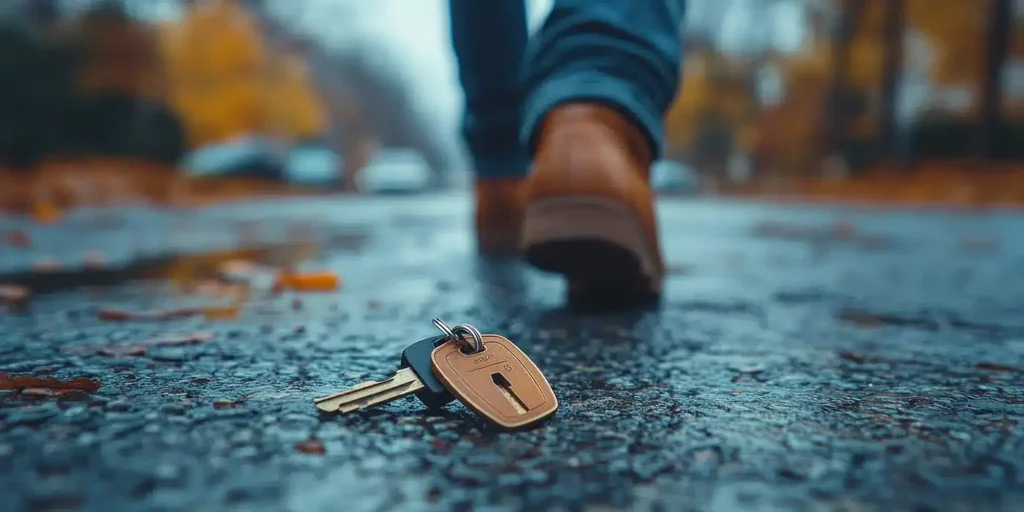
Lost your keys? Here’s what to do, in order: spend ten focused minutes searching (pockets, bags, and the last two or three places you stopped), then get inside — a spare with a neighbor, your super, or a licensed locksmith who can open the door without damage. Once you’re in, decide whether the missing key could reach your door: if it might, rekey the lock so the old key stops working. That three-step sequence — search, get inside, secure — resolves almost every lost-key situation in NYC quickly and affordably. We’ve walked thousands of New Yorkers through it over 40 years; here’s exactly how each step works, plus the car-key playbook and the habits that prevent the next one.
Step 1: Search like a locksmith, not like a panicked person
Panic makes people walk right past their own keys. Stop moving, set your bag down, and do a slow pat-down of every pocket — including the jacket you weren’t planning to wear today. Open your bag fully and feel the bottom corners, not just the top; keys slip under wallets, notebooks, and loose receipts constantly. At your door, check the ground near your feet and a few steps back along your path — small keys on a thin ring fall silently onto mats and hallway carpet.
Retrace your steps backwards
Instead of mentally replaying your whole day, work backwards from right now. What’s the last place you definitely had the keys? For most people it’s the last door they unlocked or the last thing they paid for. Start there:
- Check counters and trays at the last coffee shop, restaurant, or store you visited — and call ahead if you’ve moved on.
- Call the front desk at any building where you checked in or signed in.
- If you drove, look between the seat and the center console.
- Check today’s bag, yesterday’s bag, and every coat pocket near your door.
Don’t skip the strange places. Keys end up in the fridge, on top of the microwave, and inside mail piles more often than anyone wants to admit — usually from a moment when your hands were full.
If it’s late, stay safe first
If you’re outside at night, get to a well-lit spot with your phone charged before you start calling around. A hotel lobby, 24-hour bodega, or diner beats a dark stoop. A lost key is a problem; standing alone outside for an hour is a different kind of problem.
Step 2: Get back inside without damage
If ten or fifteen focused minutes haven’t produced the keys and you can’t get in, stop searching and start calling. Try the free options first — a spare-key holder, your super or landlord, a doorman. If none of those come through, a licensed emergency locksmith is faster, cheaper, and far less damaging than forcing a door or climbing to a window. There is no scenario where the fire escape beats a licensed pro with the right tools. For the full who-to-call order — super, security, neighbor, locksmith — see our guide on who to call when you’re locked out of your house.
What to have ready when you call
Grab whatever proves you live there or own the vehicle: a lease, a utility bill on your phone, mail with your name, or the car registration. A reputable locksmith will ask for ID and proof before opening a door — that’s a feature, not a hassle; it’s what keeps strangers from talking their way into your apartment. And be specific on the phone: “fourth-floor apartment, deadbolt plus knob lock, ID is inside” gets you a faster, better-quoted technician than “I’m locked out.”
Watch out for lockout scams
NYC has a long-running problem with lockout scam operations that quote a low price on the phone, show up in an unmarked van, drill your perfectly good lock, and then bill hundreds of dollars for parts you didn’t need. Hire a licensed, locally based locksmith with a real address, real reviews, and transparent pricing before anyone touches your door. Golden Key is NYC DCA-licensed (#2065742) with a real showroom at 328 Columbus Ave on the Upper West Side — call us any hour at (212) 204-1655.
Step 3: Rekey or replace — don’t skip this
Getting the door open is step one. Making sure the missing key can’t be used by someone else is the step most people skip. If the keys fell down a subway grate, they’re gone forever. But if they were stolen from a bag, or lost with anything showing your address, assume someone has them.
Rekeying is usually enough
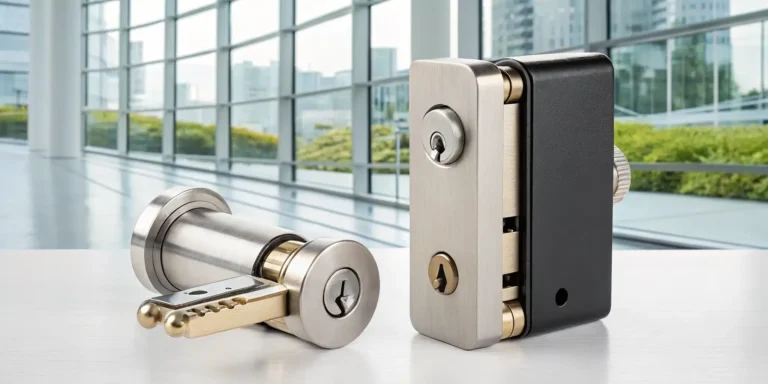
Rekeying resets the pins inside your existing cylinder so every old key stops working — including copies you don’t know about. The hardware stays, the door stays, and the lost key becomes a useless piece of metal. For most apartments and homes this is the right fix after a lost-key scare: it’s fast, affordable, and a locksmith can handle a typical unit in one visit. Our lock rekeying service covers what’s included.
When replacement makes more sense
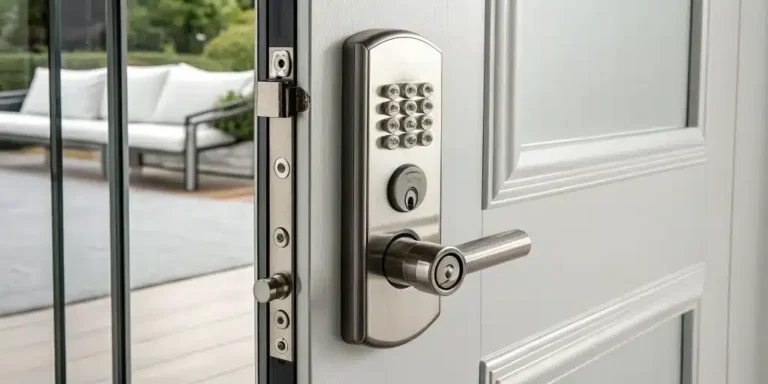
If the lock was already sticky, outdated, or underpowered for a front door, use the moment to upgrade. A modern deadbolt or high-security lock adds pick resistance and patented key control, and a smart lock or keypad deadbolt makes a lost physical key far less catastrophic next time.
Lost car keys: a slightly different playbook
Car keys follow the same logic with one wrinkle: most modern keys are electronic. If you have a spare fob at home, use it. If not, an automotive locksmith can cut and program a replacement for most vehicles on the spot — usually for less than a dealership and without the tow fee. Have your VIN and ID matching the registration ready. Until the new key is in hand, treat the missing one as compromised: move the car if you safely can, and reprogram the fob so the old one can’t start the engine.
Preventing the next lost-key night
- Give keys a permanent home — a hook or bowl by the door, used every single time you walk in.
- Leave one spare with a trusted person nearby — not under a doormat or planter, where every would-be intruder already looks.
- Put a Bluetooth tracker on the keychain so your phone finds the keys the moment they go missing.
- Consider a keypad or smart deadbolt so a lost key is an inconvenience, not an emergency.
- Renters: ask your landlord in writing about the rekey policy between tenants, and request a rekey at move-in if one hasn’t been done.
Frequently asked questions
I lost my house keys and don’t have a spare — what do I do?
Try your super, landlord, or building management first; they often hold a copy. If no one can let you in, a licensed locksmith can open the door without damaging the lock, then cut new keys or rekey on the spot so the lost set is dead. Have ID or proof of residence ready.
Should I rekey or change the locks after losing my keys?
Rekey if the hardware is in good shape — it makes every old key useless at a fraction of replacement cost. Replace if the lock was already worn or you want to upgrade to high-security or keyless hardware.
Can a locksmith make a new key if I lost all copies?
Yes. A locksmith can decode the lock and cut a new key, or more commonly rekey the cylinder and hand you fresh keys — often the faster and safer option, since it also disables the lost key.
What about lost apartment keys — do I have to tell my landlord?
Yes, and if the locks are changed or rekeyed, New York tenants must give the landlord a duplicate key. It also protects you: a documented rekey means the lost key can’t reach your door.
Are lost car keys replaceable without the dealership?
Almost always. An automotive locksmith can cut and program transponder keys and fobs for most makes on-site, typically cheaper than the dealer and with no tow required.