Most people do not think about their locks until something goes wrong. A key that no longer turns cleanly, a deadbolt that sticks in the winter, or a front door you cannot close without a shoulder into the frame are the kinds of small problems that quietly turn into big ones. Knowing when to stop troubleshooting on your own and call a real locksmith can save you money, time, and a sleepless night standing outside your own apartment. Here are three clear signs it is time to bring in a pro, and what to look for when you hire one in NYC.
Key Takeaways
- Sticky or failing locks are a warning: A lock that catches, jams, or needs extra force is telling you the internal pins or cylinder are wearing out and one cold morning it will not open at all.
- Lost or copied keys mean a security reset: If you do not know exactly where every key is, rekeying or replacing the cylinder is the only way to know who can walk through your door.
- Licensing and local presence matter: A real Manhattan locksmith has a physical shop, a state license, and transparent pricing before the tools come out.
Sign 1: Your Lock Is Fighting You Every Day
The first and most common sign is simple friction. The key used to glide in and turn in one smooth motion, and now you have to jiggle it, lift the handle, or lean into the door. That is not normal wear you should just live with. It usually means the pin stack inside the cylinder is worn, the key itself has deformed from years of use, or dirt and debris have collected inside the mechanism. Ignore it long enough and you will eventually break the key off inside the lock, almost always at the worst possible time.
When to Try a Home Fix First
If the lock is only slightly stiff, a shot of dry graphite or a dedicated lock lubricant can buy you time. Do not use WD-40, which attracts grime and makes the problem worse a few months down the road. Clean out the keyway with compressed air, try a freshly cut copy of the key, and see if the motion improves. If it does not, stop experimenting before you snap something.
When to Call a Locksmith
If the lock still resists after a cleaning, or if you are already feeling the key twist slightly when you turn it, that is your cue. A locksmith can open the cylinder, replace worn pins, or swap the whole lock for a fresh one before you end up locked out. A ten-minute appointment today beats an emergency call at midnight.
Sign 2: You Do Not Know Where Every Key Is
The second sign has nothing to do with the hardware. It is about control. If you have moved into a new apartment, changed roommates, fired a cleaner, turned over a tenant, or simply lost a key somewhere on the subway, you have no way of knowing how many working copies exist. That is the moment the front door stops being secure, even if the lock itself is in perfect shape.
Rekey Instead of Replace
The fix is usually a rekey, not a full replacement. A locksmith pulls the cylinder, swaps the pins to a new combination, and cuts you a new key. Every old key immediately stops working. You get the same reset as a new lock at a fraction of the price, which matters a lot if you have three or four doors to handle at once. Rekeying is the right call for almost every apartment turnover and most commercial locksmith rekeys in the city.
When Replacement Is the Right Call
Replacement makes sense when the existing lock is damaged, outdated, or simply not secure enough for the door it is on. A worn builder-grade deadbolt on a street-level apartment door, for example, is worth upgrading to a high-security lock with restricted keyways and pick resistance. Ask the locksmith to walk you through both options before committing.
Sign 3: You Have Been Locked Out More Than Once
Everyone has a lockout story. One is bad luck. Two or three in a year is a pattern, and the pattern is usually the lock, not the person. A worn mechanism that misaligns with the strike, a door that has sagged in its frame, or an older latch that sticks in hot or cold weather will eventually leave you on the wrong side of the door. If you have already called for a lockout and it happens again, stop calling for rescues and start calling for a fix.
An experienced technician will open the door, but they will also look at why it happened. Sometimes the answer is a quick strike plate adjustment. Sometimes it is a new cylinder. Either way, you walk away with a door that actually works, not just one that opens this one time. Our team handles this exact situation every week for apartment lockouts across NYC.
How to Find a Real Locksmith in NYC
Once you know you need help, the next challenge is filtering out the scam operators that flood search results in New York. A few clear signals separate legitimate locksmiths from the rest.
- A verifiable physical address in the city, not just a Google Maps pin.
- A New York State locksmith license and liability insurance the company is willing to show you.
- Up-front pricing over the phone, including the service call, labor, and any parts they can quote without seeing the job.
- A real brand with consistent reviews over years, not a cluster of five-star reviews posted in the same week.
- A marked vehicle and an identifiable technician when they show up.
Red Flags to Walk Away From
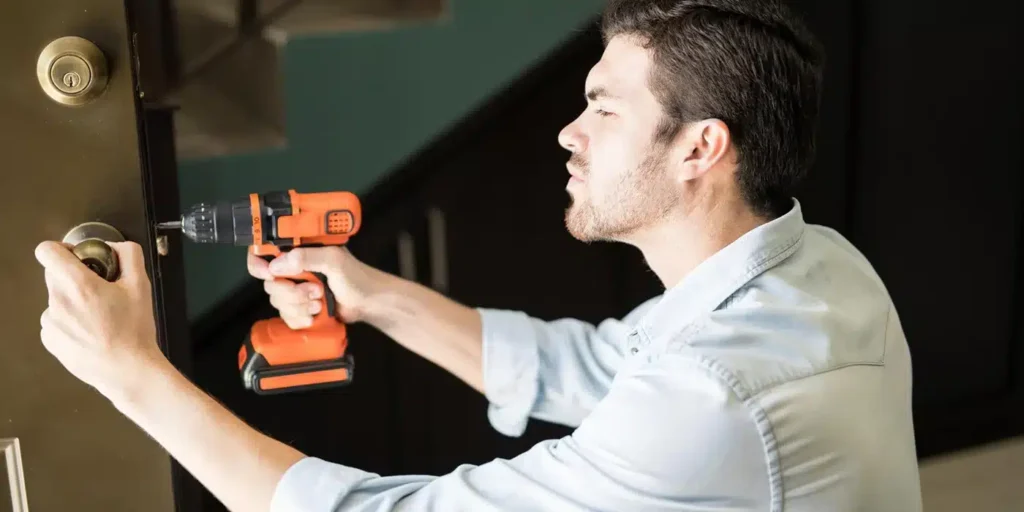
Walk away from anyone who advertises a dirt-cheap lockout and then quotes many times that on arrival, refuses to provide a license number, shows up in an unmarked car, or insists on drilling a standard residential lock before trying to pick it. A competent locksmith picks first and drills only as a last resort on a damaged cylinder.
What to Expect on the Service Call
A straightforward residential job, a rekey or a single lock replacement, usually takes well under an hour once the technician arrives. Commercial work with multiple doors or a master key system takes longer and should always start with a walkthrough and a written estimate. Expect the locksmith to explain what they are doing, show you the new keys working in each door, and leave the workspace clean. Anything less and you hired the wrong person.
Final Thoughts
Locks are one of the few pieces of hardware in your home or business that you depend on every single day, and they are easy to take for granted until they fail. Pay attention to the small signs. A sticky key, a missing copy, or a second lockout in a month is your door telling you it needs attention. Bring in a licensed local locksmith while the problem is still small, and you will almost never deal with the bigger version of it.
Need professional help in NYC? Contact Golden Key Locksmith NYC for Manhattan Locksmith Services or Apartment Lockout Help. Available 24/7 across Manhattan and all NYC boroughs.