

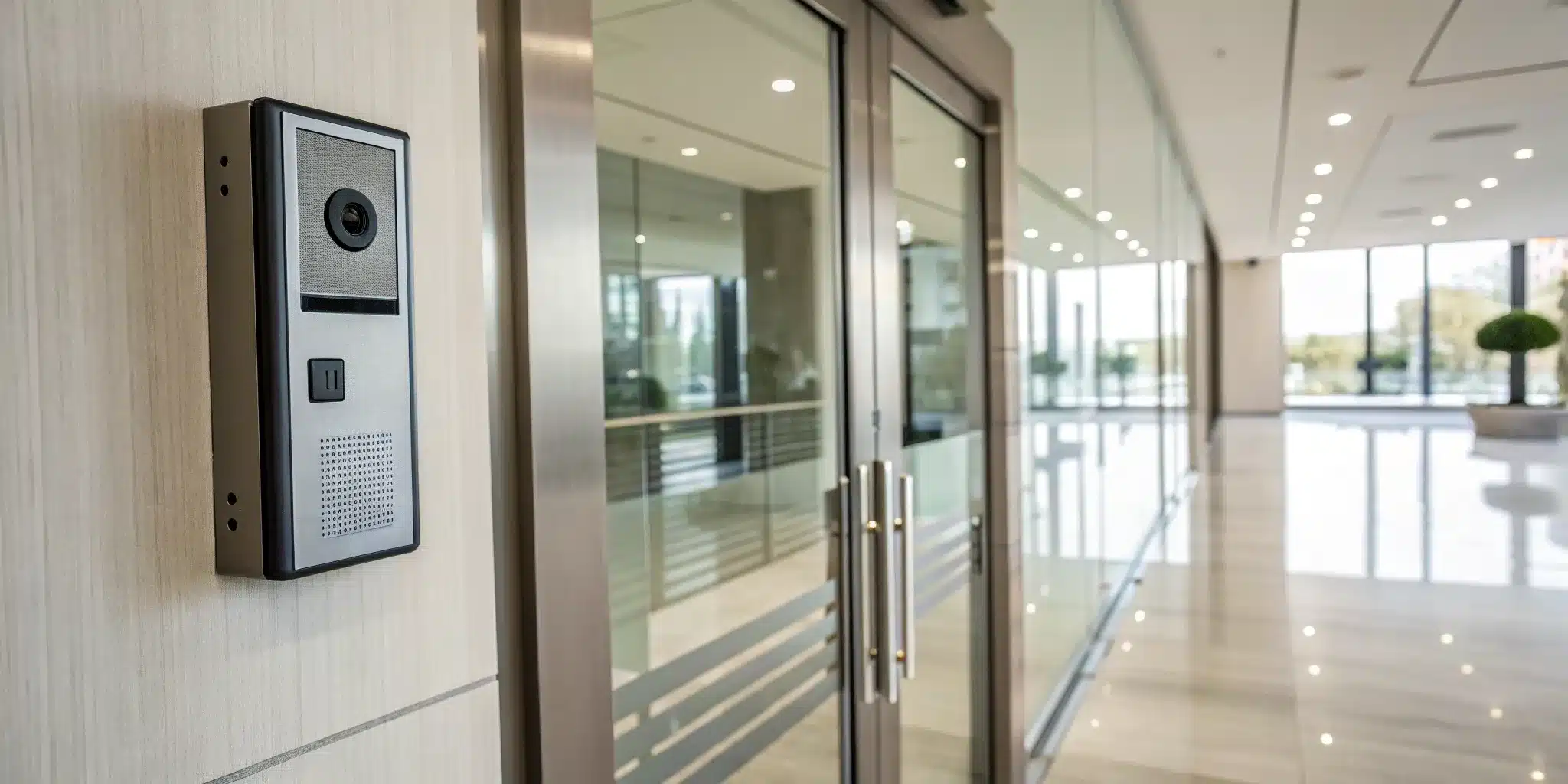
It’s 10 p.m. and you get a notification: the back door to your business was just unlocked. With a basic setup, your mind starts racing. Is it an employee who forgot something, or is it an unauthorized person? You’d have to manually check camera feeds, hoping to find the right clip. Now, consider a different scenario. You get the same alert, but this time it includes a video clip of the person at the door. That immediate clarity is the power of video surveillance with access control integration. It removes the guesswork by connecting every access event to visual evidence, turning moments of uncertainty into actionable information.
Key Takeaways
- Combine video and access control for smarter security: The biggest advantage of an integrated system is context. By linking who enters a space with the video of them doing it, you can instantly verify identities and simplify incident investigations, turning raw data into clear answers.
- Prioritize a single dashboard that grows with you: The goal is to simplify, not complicate. Choose a system that lets you manage everything—cameras, locks, and alerts—from one place, preferably one you can access from your phone. Make sure it’s scalable so you can easily add more devices later without starting over.
- Plan your needs and hire a professional for installation: A successful security system starts long before the tools are unboxed. First, map out your specific security goals, then partner with an expert installer to ensure everything is set up correctly. This guarantees your system works reliably and saves you from future technical headaches.
What is an Integrated Security System?
Think of an integrated security system as the central command center for all your property’s safety tools. Instead of juggling separate systems for your video cameras and your door locks, integration brings them all together. It combines different security components, like access control and video surveillance, into a single, streamlined platform. This means you can manage and monitor everything from one place, giving you a complete and clear picture of your security at all times.
This approach is a huge step up from older, disconnected systems where security devices operate in silos. When your security tools can communicate with each other, they become much more powerful. For example, an alert from a door sensor can automatically trigger a nearby camera to start recording, providing immediate visual context without you having to manually search for it. This seamless connection is the core of what makes modern security systems so effective for both homes and businesses. It simplifies management, sharpens your oversight, and allows for a much quicker, more informed response to any event.
How Video and Access Control Work Together
The real power of an integrated system comes from the teamwork between video and access control. When these two systems are linked, they provide context to every event. Imagine someone uses a key card to enter a restricted area. An integrated system can instantly pull up the video feed from the camera at that door, allowing you to visually confirm the person’s identity. This synergy makes your security smarter and your business operations smoother.
This connection is about more than just convenience; it’s about creating a more comprehensive security narrative. By combining access control with video management software, you can easily investigate incidents by searching for an event—like a door being forced open—and immediately viewing the associated video footage. This capability helps you understand exactly what happened, who was involved, and when, turning raw data into actionable intelligence.
Key Components of an Integrated System
An integrated system is built from a few essential parts working in harmony. On the hardware side, you have your door access components—like key card readers, keypads, or biometric scanners—and your video surveillance cameras. These are the eyes and gatekeepers of your property. Modern solutions are moving away from clunky, on-site servers toward more flexible and secure cloud-based options that you can manage from anywhere.
The software is the brain of the operation. A powerful, user-friendly platform is what ties everything together, allowing for efficient administration and real-time monitoring. This is where you’ll set permissions, review footage, and generate reports. For businesses looking to protect their assets, having a robust system managed through a single interface is a game-changer, making it a popular service for any commercial locksmith to offer.
Why Combine Video Surveillance with Access Control?
Think of video surveillance and access control as two different security guards. One watches everything that happens, and the other manages who comes and goes. On their own, they’re effective. But when they work together, they can share information, giving you a complete and powerful picture of your property’s security. Combining these systems means you’re not just recording events; you’re understanding them in context.
For example, instead of just getting an alert that a door was forced open, an integrated system shows you the video footage of the exact moment it happened. This synergy turns your security from a reactive measure into a proactive one. You can see who is trying to access restricted areas, verify identities in real-time, and create a seamless record of every event. This level of control and insight is invaluable for both commercial locksmith clients protecting their business and homeowners wanting more peace of mind. It’s about creating a smarter, more responsive security environment where every piece of information works together.
Improve Security and Respond Faster
When your access control system is integrated with video surveillance, you get a powerful tool for immediate verification. If someone tries to use a stolen keycard or enter an incorrect PIN, the system can automatically trigger the nearest camera to focus on that entry point. This allows you to watch things happen in real-time and instantly assess the situation. Is it an employee who forgot their code, or is it an unauthorized person trying to gain entry? This immediate visual context allows you to respond faster and more appropriately, whether that means dispatching security or simply resetting a password. It closes the gap between an alert and your response, giving you critical seconds when they matter most.
Simplify How You Handle Incidents
After an incident occurs, piecing together what happened can be a major headache. You might have to sift through hours of video footage and cross-reference it with separate access logs. An integrated system does that work for you. When you review an access event, like a door being opened, the corresponding video clip is already linked to it. You can instantly see details like who entered, when, and where, all in one place. This makes investigations incredibly straightforward, whether you’re dealing with a minor policy violation or a major security breach. It provides clear, indisputable evidence and saves you valuable time and effort.
Increase Efficiency and Save Money
Investing in integrated security systems might seem like a big expense, but it can lead to significant long-term savings. By reducing the risk of theft, vandalism, and unauthorized access, you protect your assets and can potentially lower your insurance premiums. An integrated system also improves operational efficiency. Instead of paying security personnel to monitor multiple, separate systems, you can manage everything from a single interface. Furthermore, modern systems are often designed to work with hardware you may already own, allowing you to reuse access control systems and build upon your existing infrastructure, making the upgrade more cost-effective.
Manage Everything from One Place
One of the biggest advantages of an integrated system is the sheer convenience of a unified platform. Instead of juggling different software for your cameras and your door locks, you can control and monitor everything from a single, intuitive dashboard. This centralized approach means all your security information is gathered in one place, giving you a comprehensive overview of your property at a glance. Whether you’re at your desk or on the go, you can lock a door, review footage, or grant access from one screen. This simplifies daily management, reduces the chance of human error, and makes your entire security operation much easier to handle.
What Are the Must-Have Features?
When you decide to integrate your video and access control, you’ll find a lot of options out there. To make sure you get a system that truly simplifies your life and strengthens your security, focus on a few key features. These are the non-negotiables that separate a basic setup from a powerful, intuitive security solution that works for you, not against you. A great system should feel like a natural extension of how you manage your property, giving you clear insights and control without the headache.
A Simple, Unified Control Panel
The whole point of an integrated system is to make things easier. You shouldn’t have to jump between different apps or dashboards to see what’s happening. The best security systems offer a single, clean interface where you can manage everything. Combining access control with video management software makes security better and helps your operations run more smoothly. From this central hub, you should be able to view live camera feeds, review recorded footage, grant or revoke access, and check event logs with just a few clicks. A user-friendly panel means less training time and fewer mistakes when it matters most.
Systems That Grow With You
Your security needs can change over time. Maybe you’re expanding your office, adding a new warehouse, or just want to add a camera to the back entrance. A scalable system is a “future-proof investment” because you can easily add or remove devices as your business changes without needing a whole new system. Look for a solution that allows you to add new cameras, card readers, or even entire locations to your existing setup seamlessly. This flexibility ensures your initial investment continues to pay off as your commercial security needs evolve.
Remote Access from Anywhere
You can’t be on-site 24/7, but your security system can. Remote access is an essential feature for any modern security setup. You should be able to watch live video and access data from anywhere using a phone, tablet, or computer. This means you can check in on your property during off-hours, verify an alert while you’re away, or grant temporary access to a delivery person from across town. This capability allows you to react to security problems as they happen, giving you constant peace of mind and control no matter where you are.
Smart Analytics and Instant Alerts
Modern cameras are more than just recording devices; they’re intelligent sensors. Look for systems with smart analytics that can distinguish between routine motion (like a tree swaying) and a genuine event (like a person hopping a fence). Advanced video AI analytics can automatically detect security threats and send you instant, specific alerts. Instead of getting a notification for every car that drives by, you’ll get one when a vehicle lingers in your parking lot after hours. This intelligence reduces false alarms and ensures you’re only alerted to the events that truly require your attention.
In-Depth Reporting and Analysis
When an incident occurs, you need to know exactly what happened. A good integrated system provides detailed reports showing who went where and when. This creates a clear audit trail that is invaluable for investigations. You can quickly pull a report to see every time a specific door was opened or review all access events within a certain timeframe. This data helps you keep track of activity and spot unusual patterns, giving you a deeper understanding of your property’s security and operations.
What Challenges Should You Prepare For?
Jumping into an integrated security system is an exciting step toward making your property safer and easier to manage. But let’s be real—like any major upgrade, it comes with its own set of potential hurdles. Thinking about these challenges ahead of time is the best way to ensure a smooth process from start to finish. It’s not about getting discouraged; it’s about being prepared so you can make smart, confident decisions for your home or business.
The main areas to consider are the technical side of installation, the real costs involved, digital security, and making sure your new tech plays nicely with any existing equipment. It might sound like a lot, but understanding these points helps you ask the right questions and find a professional partner who can guide you through it. A well-planned project avoids frustrating surprises down the road. By tackling these potential issues head-on, you can focus on the benefits of your new security system instead of worrying about the what-ifs. We’ll walk through each of these challenges so you know exactly what to expect.
Installation and Technical Needs
Setting up an integrated video and access control system is more complex than plugging in a new camera. It requires a deep understanding of wiring, network configurations, and how different hardware components communicate with each other. A poorly executed installation can lead to system glitches, security vulnerabilities, or even physical damage. This is not the time for a DIY approach. Professional door repair and installation services ensure that everything from the electronic locks to the camera mounts is installed correctly and securely. An expert handles the technical details, making sure your system is reliable and effective from day one.
Budgeting and Unexpected Costs
One of the biggest myths about integrated security is that it’s always prohibitively expensive. While the initial investment can be significant, the final cost depends entirely on the scale and complexity of your needs. A system for a small retail shop will have a different price tag than one for a large office building. To avoid surprises, it’s crucial to get a detailed quote that breaks down all expenses: hardware, software, installation labor, and any ongoing subscription or maintenance fees. A transparent provider will work with you to design a solution that meets your security goals without breaking your budget, ensuring you only pay for the features you truly need.
Cybersecurity Risks and How to Stay Safe
Any device connected to the internet, including your security system, is a potential target for cyber threats. A common misconception is that attackers need to breach your entire network, but sometimes all they need is a single weak point. Securing your system is just as important as installing it correctly. This means using strong, unique passwords, enabling two-factor authentication, and keeping your software updated to patch any vulnerabilities. Working with a professional commercial locksmith ensures your system is configured with security best practices in mind, protecting your data and your property from digital intruders.
Making New Systems Work with Old Ones
If you already have some security components in place, you might worry that you’ll have to start over from scratch. Fortunately, that’s often not the case. Many people believe that new access control systems can’t be integrated with older security equipment, but modern technology is surprisingly flexible. Many platforms are designed to be compatible with a wide range of third-party cameras, sensors, and alarms. The key is to choose a system built on open standards. An experienced installer can assess your current setup and recommend an integration strategy that leverages what you already own, saving you time and money.
Common Myths About Integrated Security
Beyond cost and compatibility, a few other myths might make you hesitate. Some people assume these systems are clunky and difficult to use, requiring a dedicated IT person to manage them. The reality is that modern interfaces are incredibly user-friendly, often managed through a simple app on your phone. Another misconception is that they require constant on-site management. Thanks to cloud-based technology, you can monitor and control your system from anywhere. These systems are designed to be efficient and intuitive, giving you powerful security tools without the headache.
Who Are the Top Providers for Integrated Security?
Choosing the right provider is a big step. You need a partner who understands your specific security needs, whether you’re protecting your family home or your business. The market has a lot of options, from local experts who can provide hands-on service to large tech companies offering specialized platforms. The best choice depends on your property, your existing systems, and your long-term security goals. To help you get started, here’s a look at some of the top names in integrated security, including our own tailored solutions right here in NYC.
Golden Key Locksmith NYC’s Integrated Solutions
As your local NYC security experts, we specialize in creating integrated systems that are practical, reliable, and designed for city living. We combine advanced security systems with high-quality video surveillance to give you a complete view of your property. Our approach is hands-on; we work with you to design a setup that fits your space perfectly, whether it’s a brownstone in Brooklyn or an office in Manhattan. We handle the entire process, from planning and professional installation to making sure you know exactly how to use your new system. Our goal is to give you a seamless security experience that provides real peace of mind.
Milestone Systems
Milestone Systems is a great option if you already have some security components in place. Their XProtect® Access product is designed to integrate access control with VMS (video management software), letting you connect your existing door controls with a new or current video system. This approach helps you get more out of your initial investment while improving your overall security awareness. By linking access events—like a keycard swipe—to video footage, you can quickly verify who is entering your property and investigate any unusual activity. It’s a smart way to build a more connected system without starting from scratch.
Verkada
Verkada takes a modern, cloud-based approach to integrated security. Their systems combine door access control and video surveillance into a single, easy-to-use platform. By moving away from traditional on-premise servers, Verkada offers a more flexible and scalable solution that you can manage from anywhere. This is ideal for business owners or property managers who need to oversee multiple locations or want the convenience of remote access. Their focus on user-friendly software makes it simple to grant or revoke access, view live video feeds, and review security events, all from a web browser or mobile app.
Avigilon
If high-definition video and smart analytics are your top priorities, Avigilon is a provider worth looking into. Their security solutions are known for exceptional image quality, which is crucial for identifying people and details in your security footage. Avigilon integrates this powerful video surveillance with access control and advanced analytics that can automatically detect and flag unusual events. This proactive approach helps you respond to potential threats faster. Their systems are well-suited for commercial properties, schools, and other large facilities where detailed monitoring and quick response times are essential for maintaining a secure environment.
Genetec
Genetec offers a powerful unified security platform called Security Center. It’s designed to bring all your security operations into one place. This isn’t just about video and access control; their platform can also integrate automatic license plate recognition, communications, and other systems. By managing everything from a single interface, you can streamline your security protocols and make your team more efficient. Genetec’s unified security solutions are highly scalable, making them a popular choice for growing businesses and large organizations that need a comprehensive and centralized way to manage complex security challenges.
How to Guarantee a Successful Installation
Choosing the right integrated security system is a huge step, but the installation is where your plan becomes a reality. A smooth setup process is critical for getting the most out of your investment and ensuring your property is truly secure from day one. A shaky installation can lead to system glitches, security gaps, and future headaches you just don’t need. By focusing on a few key areas—planning, professional help, team training, and ongoing care—you can ensure your system works flawlessly for years to come. Let’s walk through how to make your installation a complete success.
Start with a Clear Plan and Needs Assessment
Before a single camera is mounted or a wire is run, you need a solid plan. Start by thinking about your daily operations and specific security goals. Who needs access to which areas, and at what times? Are you trying to monitor high-traffic zones, protect sensitive assets, or simply keep a general eye on things? Decide early what you need the combined system to do, then you can choose products that work well together. A clear assessment helps you select the right security systems and avoid paying for features you don’t need, ensuring your final setup is perfectly tailored to your property.
The Importance of Professional Installation
While the DIY spirit is admirable, installing an integrated security system is a job best left to the pros. Setting up door access and video surveillance can be complex, time-consuming, and requires specialized skills to get right. A professional technician ensures that all components are connected correctly, the software is configured properly, and the system is optimized for your space. This not only guarantees everything works as it should but also prevents potential damage to your doors, walls, and the equipment itself. Investing in a professional door repair and installation service saves you time and gives you peace of mind knowing the job is done correctly.
Training Your Team on the New System
Your new security system is only effective if your team knows how to use it. Once the installation is complete, schedule a dedicated training session for everyone who will interact with the system. Cover the basics, like how to use access cards or fobs, review video footage, and understand system alerts. It’s a good idea to regularly train people who use the system and check for any weak spots in your procedures. Designating one or two people as system experts can also be helpful, giving your team a go-to resource for everyday questions and troubleshooting.
Ongoing Maintenance and Updates
Security is not a “set it and forget it” task. To keep your system running smoothly and securely, you’ll need a plan for ongoing maintenance. This includes simple tasks like checking event logs, managing user permissions, and keeping the software updated to protect against new threats. When choosing a system, look for one that makes these tasks easy to handle. Regular check-ups help you catch small issues before they become big problems, ensuring your commercial locksmith and security solution remains a reliable asset for your business. Consistent upkeep is the key to long-term security and performance.
Related Articles
- Access Control Systems: Security & Convenience
- 6 Best Commercial Access Control Companies Of 2025
- Top 10 Access Control Systems Companies: 2025 Guide
- A Guide to Cloud-Based Access Control Systems
Frequently Asked Questions
Is an integrated system overkill for my small business or home? Not at all. The beauty of modern security systems is that they are completely scalable. You don’t need a massive, complex setup to benefit from integration. A simple system for a small retail shop or a brownstone might include a few cameras linked to the main entry points. It’s about making your security smarter and more manageable, regardless of the size of your property.
I already have security cameras. Do I need to start from scratch? That’s a common concern, but you often don’t have to replace everything. Many modern integrated platforms are designed to work with existing hardware from various manufacturers. The best first step is to have a professional assess your current setup. They can determine what can be incorporated into a new system, which can save you a significant amount of money.
How secure is a system that I can access from my phone? It’s a valid question. A professionally installed system is designed with multiple layers of security to protect against digital threats. This includes using strong passwords, keeping software updated, and ensuring the network is configured correctly. When these measures are in place, remote access is a safe and incredibly convenient tool that gives you control over your property from anywhere.
What’s the single biggest benefit of combining access control and video? The biggest benefit is context. Separately, an access system tells you a door was opened, and a video system shows you what’s happening. Together, they tell you a complete story in an instant. When an access card is used, you can immediately see the corresponding video, confirming who entered and when. This eliminates guesswork and makes investigating any incident incredibly simple and fast.
How do I get started without feeling overwhelmed by all the options? The best way to start is by thinking about your specific goals, not the technology. What problems are you trying to solve? Are you concerned about after-hours access, package deliveries, or monitoring a sensitive area? Once you have a clear idea of your needs, you can consult with a security professional. They can help you design a system with the right features for your property and guide you through the entire process.
Need professional help in NYC? Contact Golden Key Locksmith NYC for Access Control Systems. Available 24/7 across Manhattan and all NYC boroughs.