

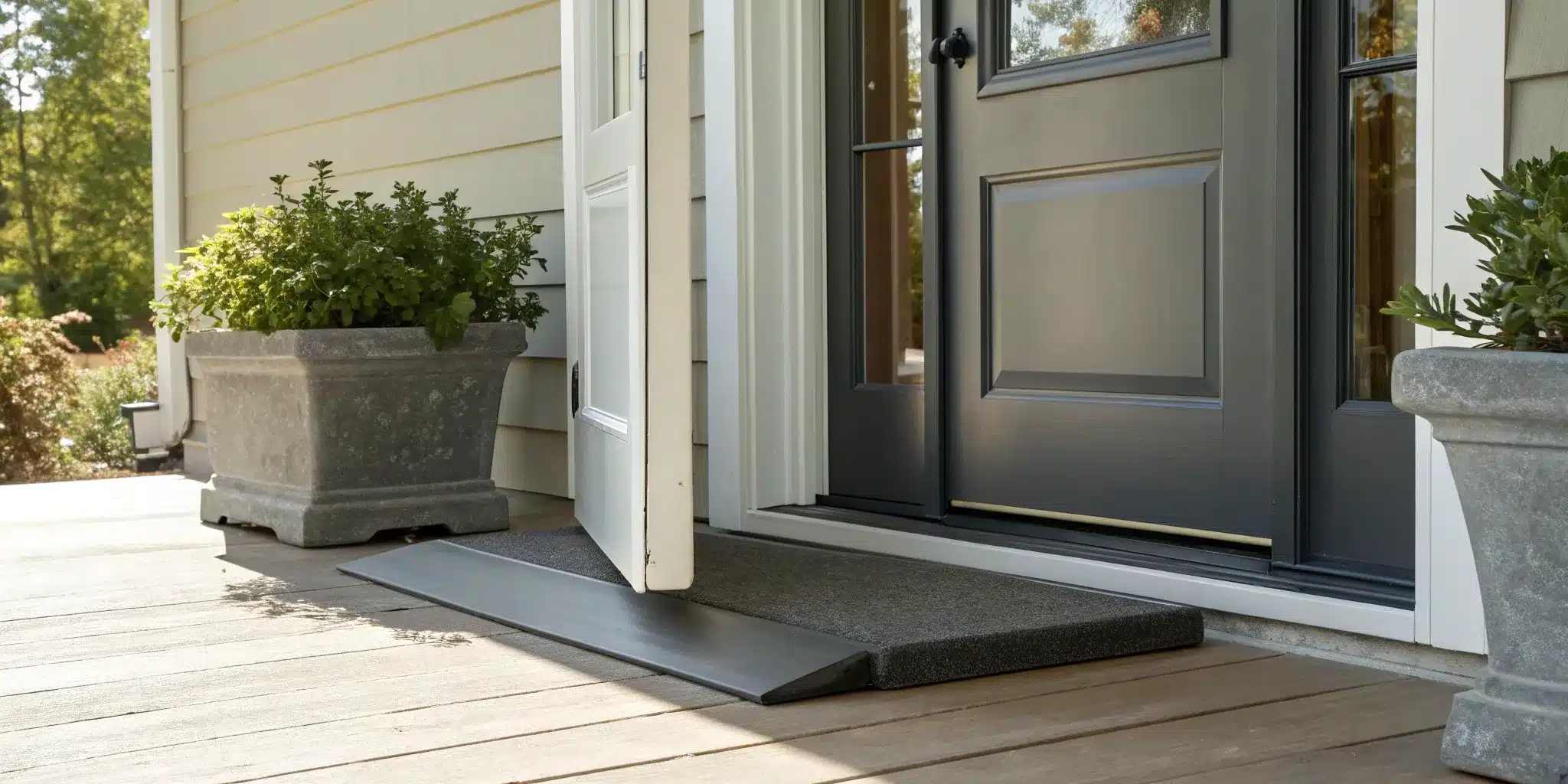
In a city like New York, a simple breeze can feel like a wind tunnel between buildings. That’s why figuring out how to keep an exterior door open can be a real challenge. Whether you’re trying to catch a cross-breeze in your Brooklyn apartment or managing a busy storefront in Manhattan, you need a solution that can withstand the elements and the hustle. A flimsy doorstop just won’t cut it when a sudden gust comes whipping down the street. We’ll cover sturdy, reliable methods—from heavy-duty hardware to clever tricks—that are perfect for city living, ensuring your door stays exactly where you want it.
Key Takeaways
- Choose the Right Tool for the Job: For temporary tasks like moving furniture, a simple rubber wedge or a DIY weighted bag is effective. For daily, hands-free convenience in high-traffic areas, consider installing a permanent solution like a magnetic catch or a kick-down door stop.
- Balance Convenience with Security: An open door is an invitation for weather damage and intruders. Always use a method strong enough to resist wind gusts, and never leave a propped-open door unattended for an extended period.
- Assess Your Door Before You Decide: The best method depends on your door’s weight, material, and condition. A heavy door requires a more robust hold, and sometimes a swinging issue can be solved by simply tightening or repairing the hinges.
Common Ways to Prop Open an Exterior Door
Whether you’re bringing in groceries, airing out your apartment after cooking, or managing foot traffic at your business, sometimes you just need to keep an exterior door open. While it’s tempting to grab the nearest heavy object, using a dedicated method is safer for your door, frame, and anyone walking through. An unexpected gust of wind can slam a poorly propped door shut, causing damage or injury.
Fortunately, you have plenty of options, from classic, simple tools to more permanent, installed solutions. The right choice depends on how often you need the door open, the type of door you have, and whether you’re looking for a temporary fix or a long-term feature. Exploring these common methods can help you find a reliable way to hold your door open without compromising its integrity. If you find your door has issues staying open or closing properly, it might be time for a professional door repair and installation to ensure everything functions smoothly.
The Classic: Door Stops and Wedges
You can’t go wrong with the basics. A simple door stop or wedge is the most traditional and straightforward way to keep a door from closing. These are usually made of rubber or wood and work by creating a physical block. You just slide the wedge firmly under the door’s edge, and friction does the rest. They come in various shapes and sizes to fit different gaps between the door and the floor. It’s a portable, inexpensive, and effective solution for temporarily holding a door open, making it a household staple for a reason.
The Secure Hold: Magnetic Holders
For a more modern and hands-free option, magnetic door holders are a fantastic choice. This system involves two parts: a magnet installed on the door and a metal plate on the wall or floor. When the door opens fully, the magnet catches the plate, holding it securely in place until you give it a gentle pull to release it. These are especially useful in high-traffic areas, which is why they are a great solution for our commercial locksmith clients who need to keep a shop or office door open for customers. They offer a clean look and a reliable hold that a simple wedge can’t match.
The Simple Fix: Latches and Hooks
If you want to secure your door against the wind, a latch or hook is an excellent permanent solution. A cabin hook, for example, involves a simple hook on the door and an eyelet on the wall or doorframe. You just swing the hook into the eyelet to lock the door in an open position. This method is sturdy and prevents the door from slamming shut unexpectedly, which is great for protecting glass panes or preventing damage to the door’s hinges. Proper installation is key to making sure it’s secure and doesn’t damage your door or frame.
The DIY Approach: Using Heavy Objects
When you’re in a pinch and don’t have a proper door stop, a heavy object can work as a temporary fix. Many people use things like a decorative planter, a bucket of sand, or even a small piece of furniture. The key is to use something with enough weight and a stable base so it won’t tip over or slide. While this is a creative and quick solution, it’s not ideal for long-term use. These objects can be tripping hazards and may not be reliable in strong winds, so it’s best to use them only when you can keep an eye on things.
A Closer Look at Door Stops and Wedges
Door stops and wedges are the go-to tools for keeping a door propped open. They range from simple, portable wedges to permanently installed hardware. While they all serve the same basic function, the right one for you depends on your door, your flooring, and how often you need to keep the door open. Let’s break down some of the most common types you’ll find.
Classic Rubber Stops
You’ve definitely seen these around. A classic rubber stop is a simple but effective tool that physically blocks a door from moving. The most common type is a heavy-duty wedge you slide under the door, but there are also models you can mount to the floor or wall. The key is to place it where it stops the door at the perfect angle—wide enough for you to pass through easily but not so wide that it gets in the way. For wall-mounted stops, proper placement is crucial to avoid damaging your drywall. If you’re dealing with a misaligned door or damaged frame from past incidents, a professional door repair service can get things back in shape.
Simple Wooden Wedges
The wooden wedge is the original door stop. It’s incredibly straightforward: just a block of wood carved into a wedge shape. They’re lightweight, portable, and get the job done in a pinch. You can easily toss one in a toolbox or keep it in a drawer. However, they have their limits. On a smooth surface like tile or polished concrete, a wooden wedge can slip, especially if the door is heavy. On a windy day in the city, a simple wedge might not have enough grip to hold an exterior door against a strong gust, unlike more securely fixed solutions. They’re great for temporary, low-stakes situations but may not be the best permanent solution.
Versatile Adjustable Stops
If you’re looking for something more reliable than a wedge, an adjustable stop is a great option. These are typically metal and installed directly onto the door or wall. Many have a concealed spring mechanism inside that acts as a cushion, preventing the door from slamming open and hitting the wall. This feature is a lifesaver for preventing dents, scuffs, and more serious damage to both your door and your walls. Because they are a more permanent fixture, it’s important to get the installation right. Getting help with installing new hardware ensures it’s done correctly and securely from the start.
Convenient Spring-Loaded Options
For hands-free convenience, nothing beats a spring-loaded door stop. You’ve likely seen these on commercial doors, but they’re fantastic for homes, too. A popular style is the kick-down door stop, which is mounted to the bottom of the door. You simply use your foot to push the spring-loaded plunger down to hold the door in place, and a quick tap releases it. This is incredibly helpful when you’re carrying in groceries, moving furniture, or just have your hands full. They provide a solid hold and are much more reliable than a simple wedge, especially for heavier exterior doors that need to withstand the elements.
Why Choose Magnetic Holders and Latches?
If you’re tired of tripping over a doorstop or looking for a more permanent and polished solution, installing dedicated hardware is the way to go. Magnetic holders, hooks, and latches are designed to integrate seamlessly with your door and wall, offering a reliable hold without getting in your way. They provide a clean look and are built to handle regular use, making them a great long-term fix for keeping your exterior doors open safely. These options move beyond temporary props, giving you a built-in mechanism that’s always ready when you need it.
Wall-Mounted Hooks
A wall-mounted hook is a straightforward and sturdy solution. This simple hardware involves a hook installed on your door and a corresponding loop or catch mounted on the adjacent wall. When you want to keep the door open, you just connect the two. It’s a classic, effective method for preventing a door from slamming shut in a breeze. Because it requires proper alignment and secure mounting, professional door repair and installation ensures it works perfectly without damaging your door or wall. This is a great, low-profile option that gets the job done without any fuss.
Magnetic Door Catches
For a more modern and hands-free option, magnetic door catches are an excellent choice. These devices use a powerful magnet on the wall or floor and a metal plate on the door. As the door opens fully, the magnet catches it and holds it firmly in place. This is especially convenient for high-traffic areas in homes or businesses, as a gentle pull is all it takes to release the door. They offer a sleek, unobtrusive look while providing a consistently strong hold, blending right in with your existing hardware.
Floor-Mounted Catches
When you need a heavy-duty solution that can stand up to strong winds, a floor-mounted catch is a reliable bet. These are installed directly into the floor and are designed to hold even heavy exterior doors securely in place. Their low profile means they aren’t a tripping hazard, and their robust construction makes them a lasting fix for a door that tends to swing shut. This is a great option for patio or back doors that see a lot of outdoor exposure and need an extra-strong hold to stay put.
Simple Chain Guards
While often seen as a security feature, a simple chain guard can also help manage your door. It doesn’t hold the door wide open but instead limits how far it can swing. This allows you to let in a breeze without the door flying open and hitting a wall or railing. It’s a practical way to get some airflow while maintaining a degree of control and security, making it a versatile piece of hardware for any residential locksmith to install. It gives you the best of both worlds: an open feel with peace of mind.
Quick DIY Solutions for Holding Doors Open
Sometimes you just need a quick fix. Maybe you’re bringing in groceries, airing out the house, or moving furniture, and you need that exterior door to stay put without swinging shut. While permanent solutions like magnetic holders are great, they aren’t always practical for a one-off situation. That’s where a little creativity comes in handy. You probably have everything you need for a temporary doorstop lying around your home right now. These DIY solutions are perfect for those moments when you need a simple, effective way to keep your door open without any special tools or hardware. They’re not meant for long-term use, especially for security reasons, but for a short period, they get the job done.
Before you start, take a quick look at your door and its surroundings. Is it a heavy commercial door or a lighter residential one? Is it a windy day? The right DIY method depends on your specific situation. The goal is to hold the door securely without causing any damage. These methods can sometimes put stress on your door’s hinges or frame, so use your best judgment. If you find yourself needing to prop a door open often because it won’t stay open on its own, it might be a sign that your door closer or hinges need adjusting. In that case, a professional door repair service can provide a more permanent and safer solution. But for those occasional needs, let’s look at a few clever tricks you can use.
The Bungee Cord Trick
If you have a bungee cord in your garage or utility closet, you have a fantastic temporary door holder. This trick is great because it’s flexible and keeps the door from slamming shut in a breeze. Just hook one end of the cord around the exterior door handle. Then, stretch the other end and secure it to a sturdy, stationary object nearby, like a railing, a heavy planter, or even a fence post. The tension in the cord will hold the door open. You can adjust how wide the door stays open by choosing an anchor point that’s closer or farther away. It’s a simple, effective method for when you need your hands free.
Rope and Anchor Systems
Similar to the bungee cord trick, a simple rope can also do the job, especially for heavier doors that need a more rigid hold. Find a sturdy length of rope and tie one end securely around the door handle. Take the other end and anchor it to a heavy, immovable object. This could be a piece of heavy furniture inside, a column on your porch, or anything that won’t budge if the wind picks up. This method gives you a very secure hold, preventing the door from swinging in either direction. It’s a reliable option when you need the door to stay in a fixed position for a while.
Homemade Weighted Stops
You don’t need to buy a fancy doorstop when you can make one in minutes. One of the easiest DIY solutions is a weighted bag. Just find a durable fabric bag—a canvas tote or even an old pillowcase will work—and fill it with something heavy. Sand, pebbles from your garden, or even a few bags of dried beans will provide enough weight to hold most doors in place. Simply place the weighted bag on the floor in front of the door to keep it from closing. This is a great, non-damaging option that you can customize to match your home’s style.
Creative Household Items
When you’re in a pinch, look around your home for everyday objects that can double as a doorstop. You’d be surprised what works! A stack of heavy books, a brick from the garden, or even a sturdy shoe wedged under the door can provide a quick fix. The key is to choose something with enough weight and the right shape to hold the door securely without slipping. While these makeshift solutions are perfect for temporary situations, just be mindful of what you use. You don’t want to accidentally damage your flooring or the bottom of your door. But for a quick, no-fuss way to keep a door open, your next solution might be right at your feet.
Staying Safe: What to Consider
Propping a door open seems simple, but there’s more to it than just grabbing the nearest heavy object. Whether you’re moving furniture, airing out your apartment, or welcoming customers, thinking about safety can save you a lot of trouble. An unsecured door can be a security risk, an invitation for weather damage, or a source of surprise repair bills. Before you decide how to hold your door open, let’s walk through a few key things to keep in mind. It’s all about finding the right balance between convenience and caution.
Security Risks of an Open Door
An open door is, quite literally, an open invitation. Even if you’re just stepping out for a moment, it creates a window of opportunity for uninvited guests. A propped door makes your home or business an easy target, bypassing even the most secure locks. While you’re focused on moving boxes, someone else could see a chance to slip inside unnoticed. It’s important to stay vigilant and never leave a propped-open door unattended. For complete protection, consider a setup that includes strong locks and integrated security systems that can alert you to any unusual activity, giving you peace of mind.
Weather and Your Door
Leaving your door open exposes it, and your home, to the elements. A sudden downpour can soak your entryway, warp a wooden door, and damage your flooring. Over time, constant exposure to moisture can cause metal components like hinges to rust, making the door difficult to operate. This kind of damage isn’t just cosmetic; it can compromise the door’s integrity and security. If you find your door is already sticking or showing signs of wear, it might be time to look into professional door repair and installation to ensure it functions correctly and keeps your home sealed.
Preventing Wind Damage
We’ve all seen it happen: a strong gust of wind catches an outward-swinging door and flings it open with force. This can do serious damage in seconds. The sudden motion can bend or break hinges, crack the doorframe, or cause the door to hit an exterior wall, leaving dents and scrapes. Using a proper door stop or holder is crucial to prevent this. It acts as a brake, stopping the door from swinging past a safe point and protecting its hardware from strain. This is especially important in areas prone to high winds, as a little prevention can save you from a costly repair.
Impact on Your Energy Bill
An open door is a hole in your home’s insulation. In the summer, you’re letting cool air escape, and in the winter, you’re letting heat out. This forces your HVAC system to work harder, which leads to higher energy bills. For business owners, this can be a tricky balance. An open door can feel welcoming and increase foot traffic, but it comes at a cost. If you run a storefront, weigh the benefits against the utility expenses. Ensuring your entrances are secure and efficient is a key part of operations, something a commercial locksmith can help with.
How to Choose the Right Method for You
With so many ways to keep your door open, how do you pick the one that’s right for you? The best choice really comes down to a few key factors: your specific needs, the type of door you have, and even the weather in your neighborhood. Thinking through these points will help you find a solution that’s both safe and effective. Let’s walk through what to consider so you can make a choice you feel confident about, whether it’s a quick DIY fix or a more permanent installation.
Temporary vs. Permanent Solutions
First, think about how often you need the door held open. If you just need a solution for bringing in groceries or enjoying a nice breeze on occasion, a temporary fix is perfect. A simple rubber door stop is the easiest way to keep a door from swinging too far. Even if a gust of wind catches it, the stop will prevent it from slamming open and damaging the hinges. For a more constant need, a permanent solution might be better. You could consider a professional door installation of a concealed door stop or a door spring, which can slow the door’s movement and provide more consistent control.
Your Door’s Weight and Material
The weight and material of your door play a big role in how it behaves. A heavy, solid wood or metal door has a lot more momentum than a lighter one and will require a more robust solution to hold it in place. Before you buy anything, take a moment to check your door’s hardware. Sometimes, a door swings open simply because of loose or crooked hinges. Check for loose screws and tighten them. If the hinges look worn out or bent, replacing them might solve the problem entirely. A well-aligned door with secure hinges is always the best starting point for any home maintenance.
Factoring in Weather Exposure
If your door is exposed to the elements, especially strong NYC winds, you’ll need a solution that can stand up to them. For a simple approach, you can use heavy objects like large planters to act as a barrier. Some people use C-shaped tubs filled with pebbles at the bottom for extra weight before adding soil and plants. For a more technical fix, door restrictors or stays are excellent options. These devices are installed on the door and frame to control exactly how far it can open, providing sturdy resistance against the wind and preventing it from being flung open unexpectedly.
When to Call a Professional
While many of these solutions are simple enough to handle on your own, some situations are best left to a professional. If you’re dealing with a heavy door, misaligned hinges, or want to install a more complex device like a door closer, calling for help is the safest bet. A professional can assess the situation and ensure the right hardware is installed correctly, giving you the most control and preventing potential damage to your door or frame. If you’re not confident in your ability to make adjustments, our team is always ready to help with any door repair and installation needs.
Related Articles
- Artificial Intelligence In Security (Guide)
- Beware Of Scams: Common Tricks Targeting Homeowners
- Locksmith Services
Frequently Asked Questions
Can propping my door open actually cause damage? Yes, it can if you’re not careful. The biggest risk comes from strong gusts of wind catching the door and slamming it open, which can strain or break the hinges and damage the doorframe. Using makeshift props that are unstable can also lead to the door slamming shut unexpectedly. The key is to use a method that provides a secure hold, like a heavy-duty door stop or an installed holder, to prevent any sudden, forceful movements.
My door keeps swinging shut on its own. Do I just need a stronger door stop? While a stronger door stop will certainly hold it open, a door that consistently swings shut on its own is often a sign of a bigger issue. This usually means the doorframe isn’t perfectly vertical or the hinges are misaligned. Propping it open is a temporary fix, but the best long-term solution is to have a professional look at the door’s alignment to address the root cause.
What’s the best option for a windy day? On a windy day, a simple wooden or rubber wedge might not have enough grip to be reliable. For a more secure hold, you’ll want something that anchors the door. Installed hardware like a magnetic holder, a floor-mounted catch, or a simple hook and eye latch are excellent permanent solutions. If you need a quick, temporary fix, using a rope or bungee cord to tie the handle to a sturdy, unmovable object is a very effective strategy.
Are permanent solutions like magnetic holders difficult to install? Some simpler hardware, like a basic cabin hook, can be a straightforward DIY project if you’re comfortable with a drill. However, for things like magnetic holders or door closers, proper placement and alignment are critical for them to work correctly and not damage your door or wall. If you’re not confident, it’s always a good idea to call a professional to ensure the installation is secure and looks clean.
Is it ever a good idea to leave a door propped open when I’m not around? From a security standpoint, it’s best to avoid this entirely. An open door, even just a crack, bypasses all of your locks and makes your home or business an easy target. It’s safest to only prop a door open when you are nearby and can keep an eye on it, like when you’re bringing in groceries or there’s a lot of foot traffic you’re monitoring.
Need professional help in NYC? Contact Golden Key Locksmith NYC for Metal Door Installation or Sliding Door Services. Available 24/7 across Manhattan and all NYC boroughs.