

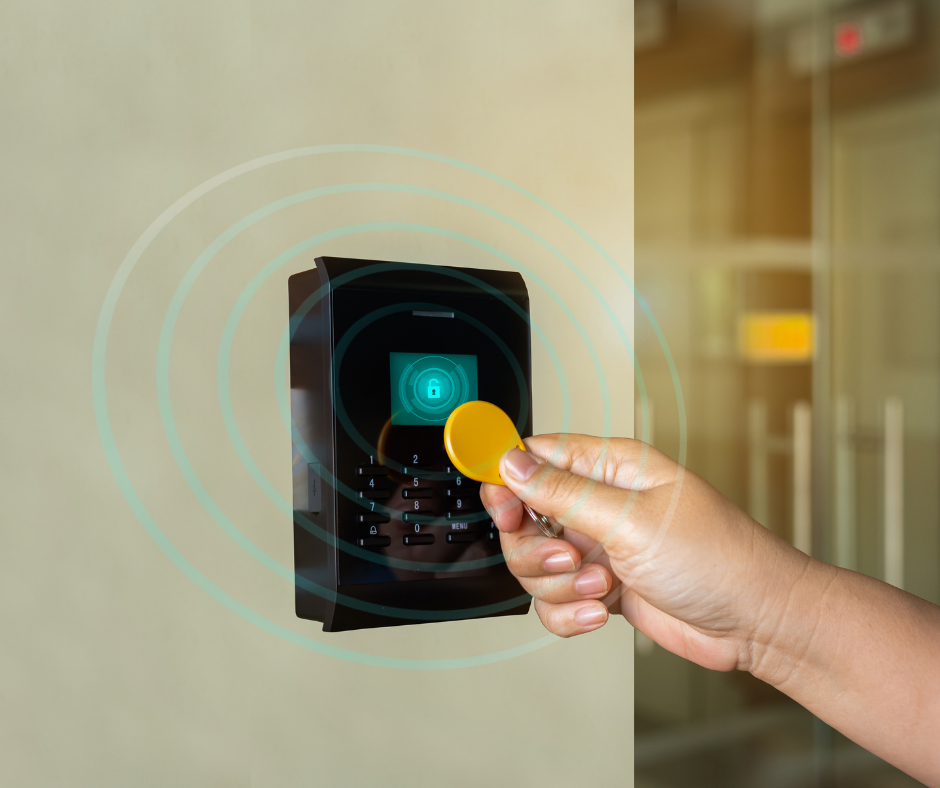
Picking a smart lock for an NYC apartment is not just a Best Buy purchase decision. You have to think about the door, your landlord, your phone habits, and who else is going to walk through the door with you. A good smart lock is a real upgrade in convenience and security, but the wrong one can lock you out on a Tuesday morning or quietly drain its batteries the week you go on vacation. Here is what actually matters before you buy and install one in your apartment.
Key Takeaways
- Fit the door, not the brochure: The best smart lock is the one that physically matches your existing deadbolt, door thickness, and building rules, not the one with the flashiest app.
- Plan for backup access: Dead phone, dead battery, dead Wi-Fi. A good setup always has a physical key, a keypad code, or both so you never get stranded outside your own door.
- Get your landlord on board early: Most NYC leases require written approval for hardware changes, and a professional apartment locksmith can install a smart lock cleanly enough to satisfy any building.
1. Start With the Door, Not the Lock
Before you shop, look at what you already have. Measure the thickness of your door, check whether you have a single-cylinder deadbolt or a mortise lock, and see how much room you have on the inside face for the new unit. Most consumer smart locks replace a standard single-cylinder deadbolt. Many pre-war NYC apartments have a mortise lock instead, which needs a different style of smart lock or an interior-only retrofit that leaves the existing cylinder in place.
If you are not sure what you are looking at, send a photo to your locksmith or super before you order anything. A ten-minute conversation up front saves a return trip to the store.
2. Decide How You Actually Want to Unlock the Door
Smart locks sound the same in ads but feel very different day to day. Pick the method that matches your routine, not the one with the longest spec sheet.
- Keypad: enter a PIN, no phone needed. Great for kids, cleaners, and dog walkers.
- Bluetooth: your phone unlocks the door as you walk up. Convenient, but depends on your phone being charged and nearby.
- Wi-Fi: full remote control from anywhere. Needed if you want to buzz in a guest while you are at work.
- Fingerprint: fast and hands-free, good if you carry groceries and a stroller through the same door every day.
- Physical key backup: a real keyway you can fall back on when everything else fails.
Most people end up wanting two methods, usually a keypad plus either phone or key backup. Single-method locks are cheaper but leave less room for error.
3. Think About Batteries and Backup Power
Every smart lock in an apartment runs on batteries. Good ones last six to twelve months on standard AAs and warn you well before they die. Bad ones lose charge quietly and lock you out on a cold morning. Before you buy, look at real owner reviews for average battery life and check whether the lock has an external terminal, usually a small contact point under the keypad, where you can hold a 9V battery to get a quick emergency unlock. That single feature has saved more than a few of our customers from calling us at 2 a.m.
4. Know the Wi-Fi Reality in Your Apartment
Wi-Fi is what lets you unlock the door from your office, get notifications, and share time-limited codes. It is also the first thing to fail in older NYC buildings with thick walls and crowded wireless channels. If your router is two rooms away from the front door, the lock may work one day and spin in the app the next. A Wi-Fi bridge plugged into an outlet near the door usually fixes this. If you do not need remote access, a Bluetooth or keypad-only lock is simpler, cheaper, and more reliable.
5. Get Your Landlord’s Approval in Writing
This is the step tenants forget. Most leases say you cannot change the hardware on the entry door without written permission. Many buildings also require that the super keep a working key or code for emergency access, and some co-ops have rules about door hardware appearance from the hallway side.
Before you install anything, email your landlord or managing agent with the model you plan to use, a photo of the existing lock, and a note that you will return the door to its original state when you move out. Most landlords say yes once they see that the install is clean and reversible. If you live in a rental, a professional installer who works regularly in NYC buildings can also sign off on the job, which helps in sensitive buildings.
6. Plan for Everyone Else Who Needs to Get In
A smart lock is only as useful as the access rules you set up. Think about who else walks through that door in a normal month: partner, roommates, cleaner, dog walker, delivery, family visiting from out of town. The lock you pick should let you give each of them their own code or app access, and take it away without reprogramming the whole lock.
Time-based codes are the feature most people underuse. You can hand your cleaner a code that only works Tuesdays from 10 a.m. to 2 p.m., or give a visiting relative a code that expires on the Sunday they fly home. That is a real security upgrade over the old habit of hiding a spare key under the mat.
7. Know When to Bring in a Pro
Swapping a standard deadbolt for a smart lock is a screwdriver job for a handy tenant. Doing it cleanly in an NYC apartment with a warped door, a mortise lock, or a picky co-op board is not. A licensed locksmith will check the door alignment first, fix any binding, install the new lock so the bolt throws fully, and confirm the physical key backup actually turns smoothly. On a rental, they can also do the install in a way your landlord will accept.
If you are outfitting an office or a multi-tenant building rather than a single apartment, the calculation changes again. In that case, a commercial locksmith can set you up with a system where every employee has a unique code, the front door logs every entry, and you can revoke access the moment someone leaves.
Final Thoughts
A smart lock can genuinely make an apartment safer and simpler to live in, but only if it matches your door, your building rules, and the way you actually move through your day. Pick the unlock method that fits your routine, plan for dead batteries and flaky Wi-Fi, and get your landlord on board before the drill comes out. Do those three things and the lock fades into the background, which is exactly where a good piece of security hardware belongs.
Need professional help in NYC? Contact Golden Key Locksmith NYC for Manhattan Locksmith Services or Apartment Lockout Help. Available 24/7 across Manhattan and all NYC boroughs.