

Renting out a property in New York City is one of the best ways to turn real estate into steady income, but it also hands a set of keys to people you barely know. Every new tenant, every turnover, and every contractor who comes through the door is a potential gap in your security if you are not paying attention. The good news is that most of the risk landlords worry about can be managed with a handful of practical decisions at the front door and the front office. Here is how experienced NYC landlords protect their units, their tenants, and their investment without turning the place into a fortress.
Key Takeaways
- Rekey between every tenant: You never know how many copies of the old key are floating around, so resetting the pins is the single most important turnover task.
- Document who has access: A simple log of keys, fobs, and codes prevents disputes and makes it easy to shut down access the day a lease ends.
- Invest where it counts: A high-security lock on the main entry protects you far more than expensive gadgets on secondary doors.
Understand the Real Risks Before You Lease
Most landlords focus on rent checks and credit scores, but the security risks of a rental are just as financial. A break-in at a tenant’s unit can mean repair bills, insurance claims, and a vacant apartment while the unit is cleaned up. A lost or copied key can put every tenant in the building at risk, not just the one who misplaced it. And a weak front door on a ground-floor unit can quietly hurt the value of the entire property when neighbors start noticing.
Tenant Turnover Is the Biggest Moment
The hours between one tenant moving out and the next moving in are the riskiest window in a rental’s life. Old keys, forgotten copies, and unknown duplicates are all in play. If you skip the turnover reset, you are handing a new tenant a lock that multiple strangers may still be able to open. That is the single biggest avoidable security mistake landlords make in NYC.
Start With the Locks
The front door is where almost every real incident begins or ends. Before you list a unit, before you hand over keys, and before you accept a security deposit, the hardware on that door should be in the shape you want it to stay in for the length of the lease.
Rekey, Do Not Just Replace Keys
Handing a new tenant a freshly cut copy of the same key does nothing. Anyone who had the old key still has working access. A proper rekey changes the pins inside the cylinder so every previous key stops working, and it costs a small fraction of full lock replacement. Our residential locksmith team handles turnover rekeys across Manhattan every week and can usually knock out a full apartment in under an hour.
Upgrade the Front Entry
If the unit still has builder-grade hardware from ten or twenty years ago, the turnover is the perfect moment to upgrade. A modern deadbolt with hardened pins, a reinforced strike plate, and a solid cylinder will stop the overwhelming majority of forced-entry attempts. For higher-end units and ground-floor apartments, a patented high-security cylinder adds real key control so tenants cannot wander into a hardware store and make copies without your permission.
Control the Keys, Fobs, and Codes
Security is not just what is on the door. It is knowing who has access and being able to revoke it cleanly. Landlords who stay on top of this rarely have disputes at move-out.
- Keep a written log of every key, fob, and keypad code issued for each unit, with dates.
- Require tenants to return every key at move-out, and bill the deposit for any missing.
- For multi-unit buildings, consider a master key system so you can access any unit in an emergency without carrying a ring of twenty keys.
- For smart locks and keypads, reset the codes the moment a lease ends, not a week later.
Consider Keyless Entry for Turnover-Heavy Units
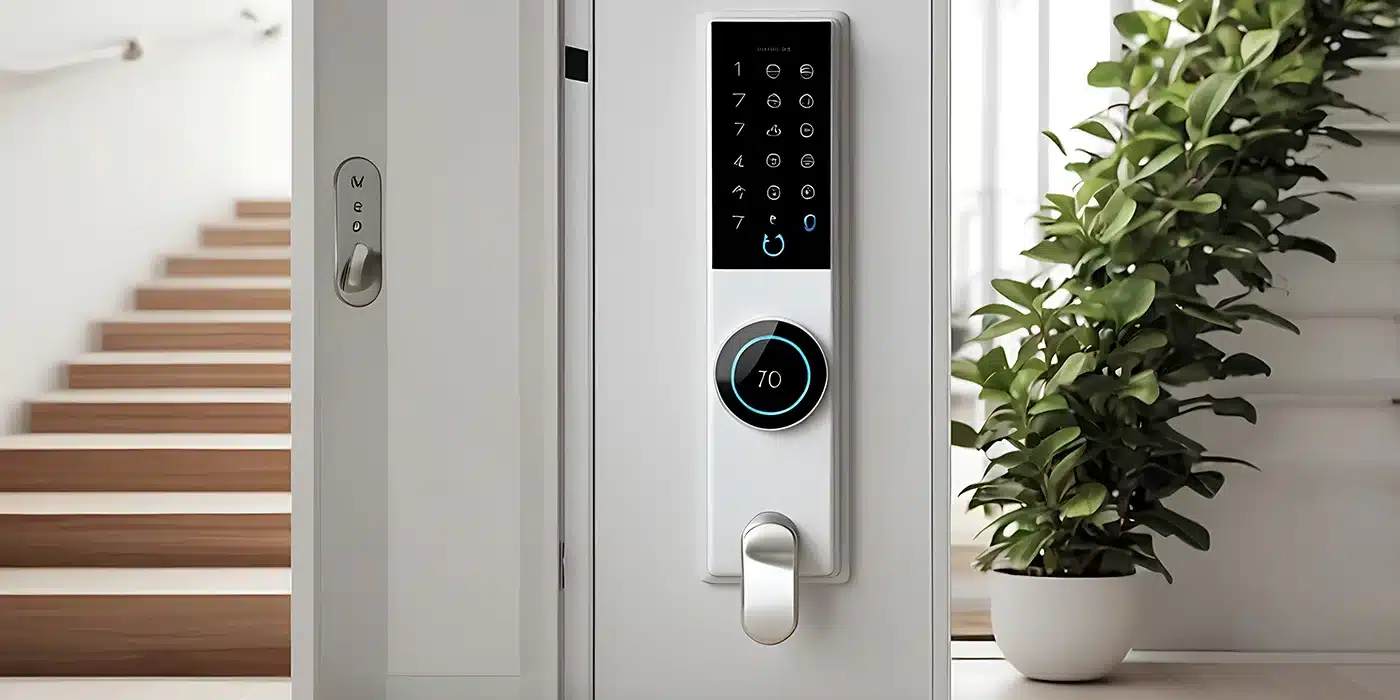
If you run short-term rentals or units with frequent turnover, a smart lock with rotating codes takes most of the key-management headache off your plate. You issue a unique code for each tenant or cleaner, set it to expire on a specific date, and never worry about physical keys again. The hardware is not cheap up front, but it pays for itself quickly if you are running multiple turnovers a year.
Think About the Building, Not Just the Unit
A solid lock on the apartment door does not help if the building’s front entry is propped open every afternoon. Landlords who own whole buildings or who sit on co-op and condo boards have an opportunity most single-unit owners do not: to lock down the common areas.
Lobby, Mailroom, and Package Room
An intercom that actually works, a mailroom that only tenants can enter, and a package room with a camera are three small investments that pay off in fewer incidents and happier tenants. An access control system with fobs or cards makes it easy to add and remove tenants without rekeying the whole building.
Back Doors, Basements, and Roofs
The doors nobody thinks about are the ones burglars love. Service entrances, basement doors, and roof hatches should be on the same maintenance schedule as the front door. A commercial locksmith can audit every opening in a building and tell you which ones are quietly undermining your security.
Handle Lockouts Before They Happen
Tenants lock themselves out. It is going to happen, and how you handle it matters. If you do not have a plan, tenants will call the first locksmith they find online, which in NYC is often not a good outcome. Set expectations in the lease about who to call, keep a relationship with a licensed NYC locksmith, and make sure tenants know that a 3 a.m. apartment lockout will be handled quickly and without damage to your door.
Work With Licensed Professionals
Insurance carriers, co-op boards, and NYC regulations all care who did the work on your locks. A licensed locksmith gives you a paper trail, a warranty, and someone to call when something goes wrong. An unlicensed weekend technician leaves you explaining to a claims adjuster why the front door hardware has no receipt. For anything beyond a simple key copy, the cost difference is small and the risk difference is large.
Final Thoughts
Renting out property in New York City is a long game, and security is part of the return. The landlords who treat every turnover as a full security reset, who keep honest records of who holds access, and who invest in the hardware that actually matters spend less on emergencies, keep better tenants, and protect the value of the property over decades. None of it is complicated. It just needs to be done every time.
Need professional help in NYC? Contact Golden Key Locksmith NYC for Manhattan Locksmith Services or Apartment Lockout Help. Available 24/7 across Manhattan and all NYC boroughs.