

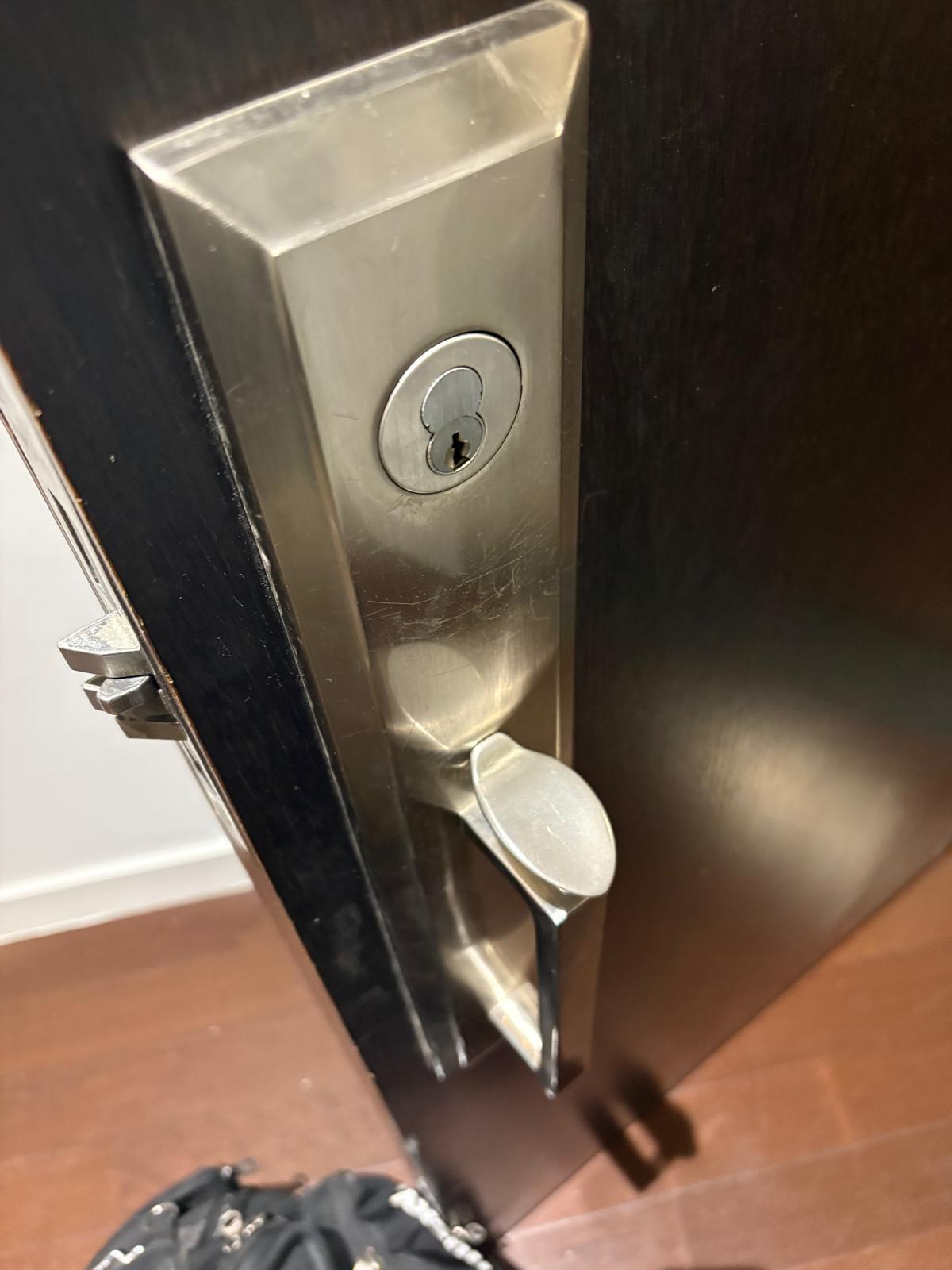
If you manage buildings in NYC, the doors are usually the first thing tenants complain about and the last thing anyone budgets for. A sticky lobby door, a mag-lock that drops at the wrong moment, a fire stairwell that will not latch — any one of those can turn into a 2 a.m. phone call or a violation from the city. A proper door maintenance contract keeps all of that off your desk by putting a licensed locksmith on a schedule, with a known price, before anything breaks. Here is what a real contract covers, why NYC property managers lean on Golden Key for it, and how to tell whether you actually need one.
Key Takeaways
- A contract trades surprise bills for a flat schedule: Scheduled visits catch worn cylinders, loose strikes, and failing closers before they turn into after-hours emergency calls.
- Compliance stops being a fire drill: Fire-rated doors, egress hardware, and ADA clearances get checked on a routine, and every visit is documented for DOB and FDNY inspections.
- You get one number for every door in the portfolio: Instead of juggling three vendors across lobby, stairwell, and storefront hardware, a single commercial locksmith handles all of it.
What a Door Maintenance Contract Actually Covers
A maintenance contract is not a service plan in the abstract. It is a scheduled set of visits where a locksmith walks every door you own, tests each piece of hardware, and fixes the small stuff on the spot. The goal is simple: no door in your building should ever fail without someone having already seen it coming.
The Routine Inspection
On a typical quarterly visit, a technician checks door alignment, hinge wear, closer speed, latch throw, strike plate seating, weatherstripping, and the condition of the cylinder and keyway. Anything out of tolerance gets adjusted or flagged. A lobby door that is dragging half an inch today is the same door that will not latch next month, and the fix at this stage is usually a hinge shim and ten minutes of labor.
The Lock and Key Side
Cylinders, levers, deadbolts, panic bars, and electric strikes all get tested under load, not just wiggled. Master key systems are audited so you know every key is accounted for, and any suspect cylinder is rekeyed before it becomes a liability. If a super leaves or a contractor does not return their keys, rekeying under contract is usually same-day and baked into the plan.
Why NYC Buildings Need This More Than Most
New York hardware takes a beating that buildings in other cities do not see. Lobby doors in a Manhattan walk-up cycle hundreds of times a day. Delivery traffic, salt in the winter, and humidity in the summer all grind down closers and cylinders faster than manufacturers rate them for. On top of that, the city writes the rules for fire-rated doors, self-closing hardware, and egress paths, and inspectors enforce them.
- Self-closing fire doors that do not fully latch are a direct FDNY violation.
- Egress hardware on a stairwell must operate with a single motion from the inside.
- Multi-family buildings over a certain size have to keep records of door and lock servicing for insurance and liability.
- Historic district properties often need hardware matched to original profiles, which rules out big-box replacements.
A contract puts all of that on a calendar instead of leaving it to whoever happens to be on site when something breaks.
How Golden Key Structures a Contract
We build every contract around the building, not a template. A 14-unit brownstone in the West Village does not need the same schedule as a 200,000-square-foot mixed-use building in Midtown, and paying for coverage you do not use is how these programs get a bad reputation.
Scope and Frequency
Most residential portfolios land on quarterly inspections with unlimited minor adjustments included. Heavy-traffic commercial entries move to monthly or bi-monthly visits. Each door in the building is inventoried once, tagged, and tracked individually so you know exactly what hardware lives where and when it was last touched.
Response Time and After-Hours Work
Contract clients get a guaranteed response window for emergencies — typically under two hours anywhere in Manhattan — and after-hours calls are billed at the contracted rate, not at a surprise holiday premium. If a tenant is locked out of a common area at 11 p.m., the locksmith who shows up already knows the hardware because they installed or serviced it.
Documentation You Can Actually Use
Every visit generates a written report: doors inspected, adjustments made, parts replaced, recommendations for the next cycle. Property managers forward the same reports straight to insurers, boards, and building inspectors without reformatting. When DOB asks what was done to the stairwell door in Q2, the answer is one PDF away.
What a Contract Actually Saves You
The math on a maintenance contract is not complicated. A single after-hours lockout on a commercial entry in Manhattan can run more than a quarter of scheduled service. Replacing a seized closer that should have been adjusted six months earlier is several times the cost of the adjustment. Multiply that across a portfolio and a contract pays for itself the first time it prevents one major failure.
Beyond the dollars, you stop fielding the calls. Superintendents know who to contact, tenants stop routing complaints through the management office, and the door issues that used to eat a full morning a week turn into a single report that lands in your inbox.
Who This Is Right For
Maintenance contracts make sense for any manager responsible for more than a handful of commercial-grade doors, but a few situations make the case almost automatic:
- Multi-building residential portfolios where super coverage is stretched thin.
- Office and retail tenants with high-traffic glass storefronts and electric strikes.
- Mixed-use buildings with both apartment lockout coverage and commercial entries under the same roof.
- Older buildings where original hardware needs to be kept in service rather than replaced outright.
- Any property running a master key system that requires regular audits and rekeying as staff and tenants turn over.
Choosing the Right Locksmith for a Contract
Not every locksmith is set up to run a maintenance program, and the wrong fit shows up fast. Look for a licensed, insured shop with a physical presence in the city, dedicated account contacts instead of a central dispatch, and real experience with the specific hardware on your doors — not just cylinders, but closers, panic hardware, electric strikes, and access control. Ask for references from buildings with a similar profile to yours and ask how they handle documentation. A shop that cannot produce a sample inspection report on request is not ready to service your portfolio.
Final Thoughts
Door maintenance is one of the few line items in a building budget where the right contract genuinely lowers total cost while making the building safer and easier to run. A steady schedule catches the small problems, flat pricing takes the surprises out of the budget, and one locksmith across every door means one point of accountability. If your portfolio has more doors than you can comfortably keep track of, it is worth a conversation.
Need professional help in NYC? Contact Golden Key Locksmith NYC for Manhattan Locksmith Services or Apartment Lockout Help. Available 24/7 across Manhattan and all NYC boroughs.