

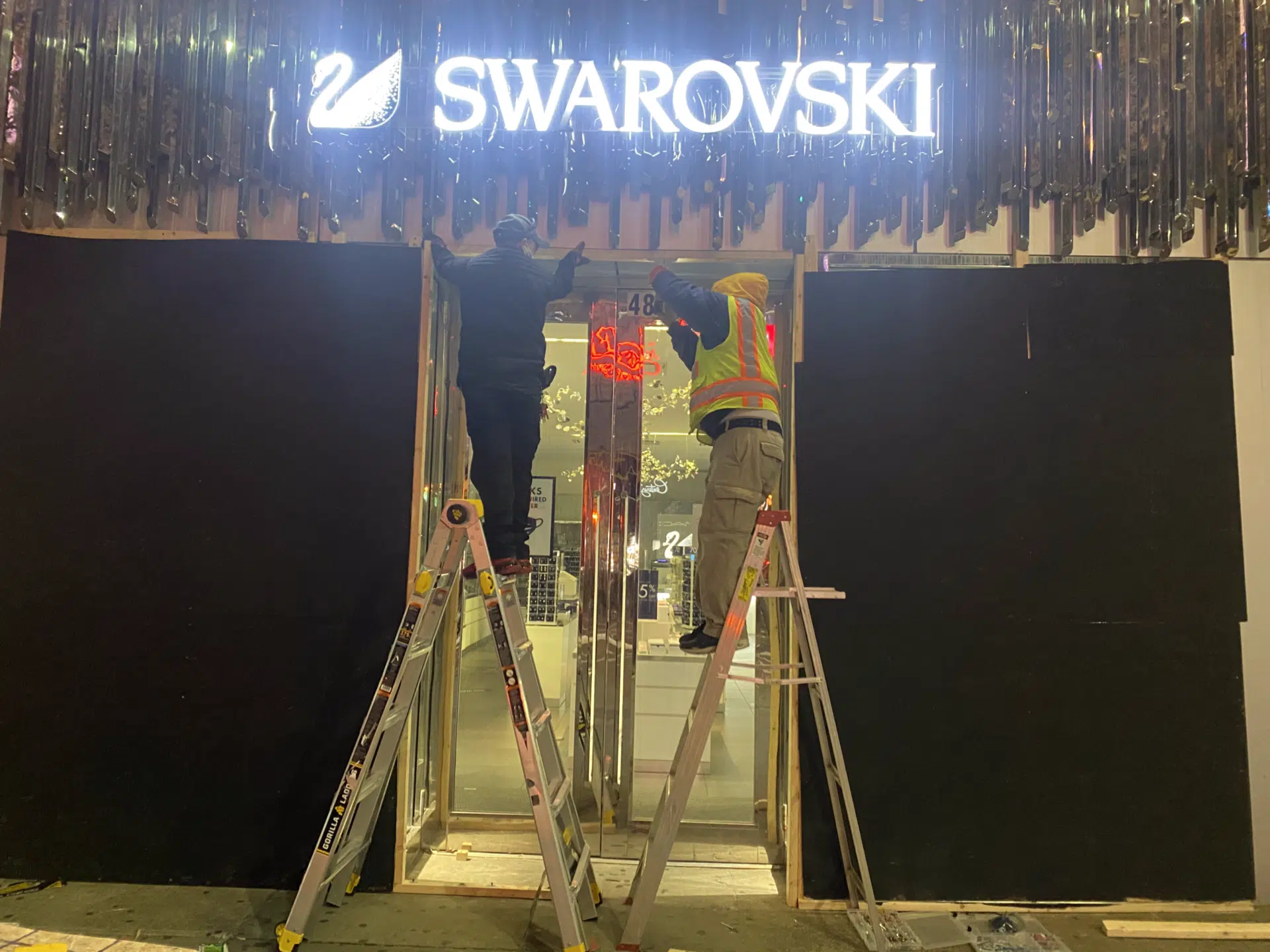
A storefront on a busy NYC block takes more abuse in a year than most doors see in a decade. Delivery carts, foot traffic, weather, and the occasional break-in attempt all land on the same entry, and a single weak link in the door, lock, or gate is usually what turns a bad night into a real loss. The good news is that retail security is not about piling on more hardware. It is about picking the right door, the right lock, and the right gate for how your store actually operates. Here is how we think about storefront security for Manhattan retailers, and where the money is actually worth spending.
Key Takeaways
- The door is your first line of defense: A reinforced storefront door with a solid frame stops more break-in attempts than any alarm system, because most thieves move on the moment the entry looks hard to beat.
- Lock quality beats lock quantity: One well-installed high-security cylinder on a commercial-grade deadbolt does more than three cheap locks stacked on a hollow door.
- Gates and glass need their own plan: Rolling gates, laminated glass, and impact film each solve a different problem, so choose based on your block, your hours, and what is actually inside the store.
Why NYC Retail Security Is Its Own Problem
Retail security in New York is different from almost anywhere else in the country. Your door opens directly onto the sidewalk, your glass is a foot from the street, and the store next to you may be open when you are closed. Foot traffic is an asset during business hours and a risk after them, and smash-and-grab attempts in Manhattan tend to be fast, loud, and over in under two minutes. The hardware on your storefront has to hold up long enough to either deter the attempt or give a neighbor time to react.
There is also the regulatory side. Your entry has to meet fire egress rules so staff and customers can always get out, ADA clearance so the door is accessible, and whatever specifications your insurance policy names for after-hours security. A good commercial locksmith pulls all of that into one plan instead of leaving you to reconcile conflicting requirements on your own.
The Storefront Door Itself
Every conversation about retail security starts with the door, because everything else you add is bolted to it. A commercial aluminum storefront door is fine for a lot of Manhattan shops, but the frame, the threshold, and the hinges matter as much as the panel. If the frame flexes or the strike is screwed into soft wood, even a great lock will pop out of the jamb under leverage.
Glass and Impact Protection
Full-glass storefront doors are standard in NYC retail because they sell the product inside. They are also the most common attack point. Laminated glass or a quality security film adds real resistance without changing the look of the storefront, and it buys you the minutes you need for an alarm response or a cop on the corner to walk over.
Rolling Gates and Grilles
A rolling steel gate is the classic Manhattan closing-time routine for a reason. It covers the glass, hides the merchandise, and turns a smash-and-grab into a multi-step project no opportunistic thief wants to deal with. Open-style grilles keep the display visible after hours, which some blocks require and which helps foot traffic advertise for you overnight. Both need periodic service, because a gate that sticks halfway down at 9:45 pm is worse than no gate at all.
Locks That Are Actually Worth the Money
Most retail break-ins we see in Manhattan are not elegant. They are someone hitting the door hard, trying a bump key, or snapping a cheap cylinder with a pair of pliers. The locks that stop those attacks are not fancy, they are just built for commercial use. A heavy commercial deadbolt with a high-security cylinder, installed correctly in a reinforced strike, is the single best investment you can make on a storefront.
- Commercial-grade deadbolts rated for heavy daily use, not the residential versions you find at a hardware store.
- High-security cylinders with patented key control so nobody copies your key at a kiosk without your authorization.
- Reinforced strike plates with long screws that anchor into the framing, not just the door jamb.
- Keyless access control or smart locks when you want to give staff entry without handing out physical keys.
- A master key plan if you run more than one location and want manager-level access across all of them.
Emergency Service and What It Should Cover
Retail doors fail at the worst possible moments. The cylinder freezes on a cold morning right before opening, the gate motor dies ten minutes after closing, a key breaks off in the lock on a Saturday night. A real 24/7 retail locksmith should be able to get a tech on site in under an hour for any of those situations and either repair the hardware on the spot or secure the storefront until a full fix the next day.
If you manage a store and you ever get locked out yourself, a good partner also handles the everyday problems, like lockouts and lost keys, without treating every call as an emergency upsell.
Compliance, Insurance, and the Paper Trail
Insurance carriers increasingly ask for specific hardware on retail entries, especially in neighborhoods with recent break-in activity. You may be asked to document lock grades, gate types, or alarm integration. Keeping a simple folder with the make and model of your locks, the date of installation, and a licensed locksmith’s invoice makes claims faster and renewals easier. A licensed Manhattan locksmith can provide that paperwork automatically at the end of every job.
Choosing a Partner, Not Just a Vendor
The right locksmith for a retail storefront is not the cheapest one on a search result. It is a licensed local shop that knows NYC building rules, shows up quickly when something breaks, and gives you honest advice on when you actually need an upgrade versus when your current setup is fine. Ask for references from other retail clients on your block, get pricing in writing before the work starts, and make sure the same technicians are coming back if you call again. A long-term relationship with one shop is what turns a reactive security plan into a proactive one.
Final Thoughts
Good storefront security in NYC is less about piling on hardware and more about getting the basics right. A solid door, a commercial-grade lock with a high-security cylinder, a working gate, and a locksmith you can call at 2 am will protect a Manhattan retail store better than any catalog of add-ons. Start with the door, work outward, and let a licensed local pro handle the fit between your store, your insurance, and the block you are on.
Need professional help in NYC? Contact Golden Key Locksmith NYC for Manhattan Locksmith Services or Apartment Lockout Help. Available 24/7 across Manhattan and all NYC boroughs.