

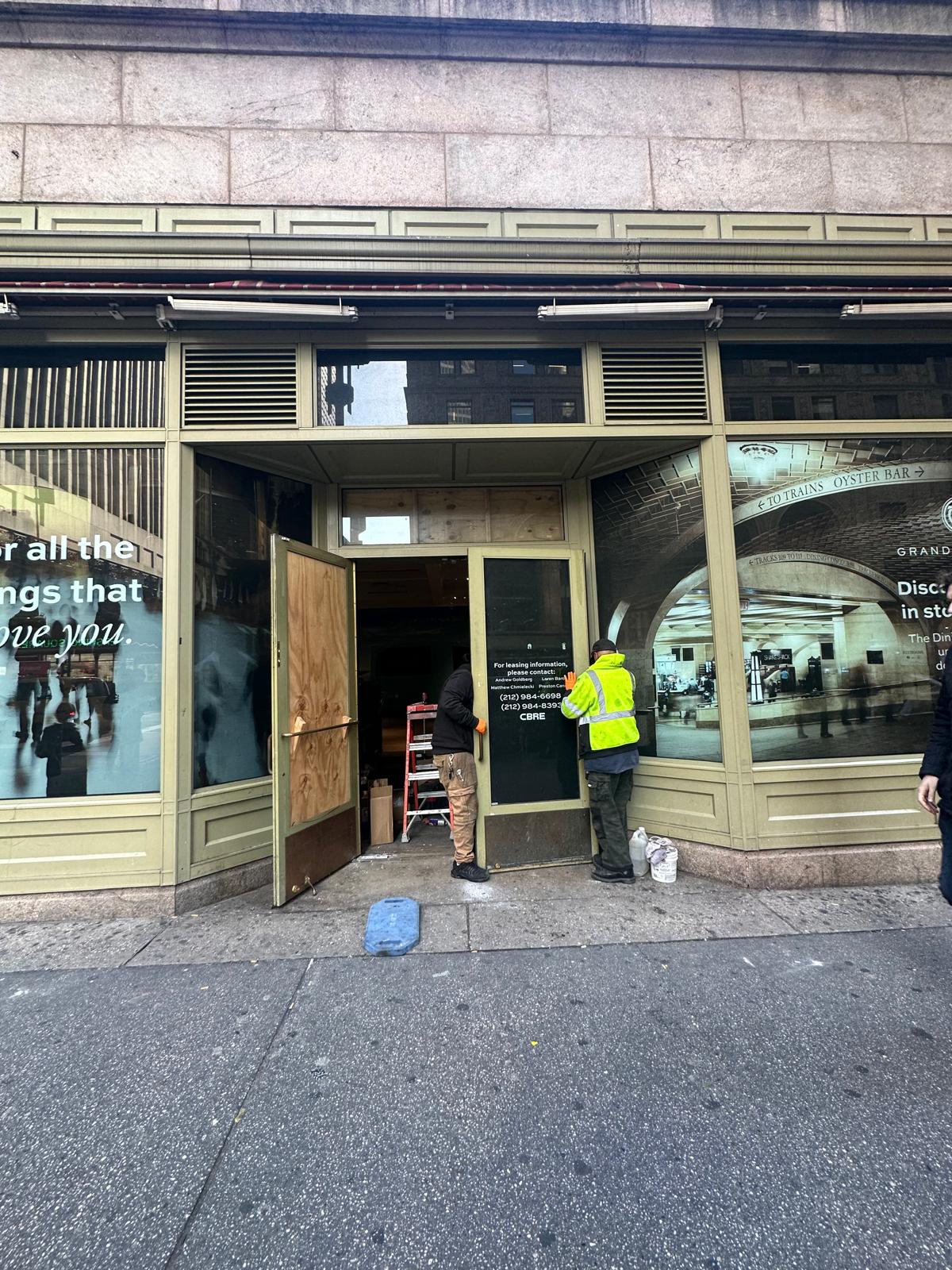
A commercial door is the hardest-working piece of hardware in any NYC business. It swings hundreds of times a day, absorbs weather off the avenue, and is the first thing a would-be intruder tries when the lights go off. When the door is wrong for the opening, everything else, from the lock to the closer to the frame, starts to fail early. Picking the right door and having it installed correctly is the single biggest upgrade most Manhattan storefronts, offices, and mixed-use buildings can make. Here is how to think about it before you buy.
Key Takeaways
- The frame matters as much as the door: A heavy steel door in a weak or out-of-plumb frame gives you none of the security you paid for, which is why a proper install starts with the opening, not the slab.
- Match the door to the use: A retail entrance, a back-of-house service door, and an office suite entry all have different traffic, code, and security needs, and the right choice depends on the job the door actually does.
- A good installer is a code partner: NYC has specific rules for egress, fire rating, and ADA hardware, and a seasoned commercial locksmith will keep you on the right side of all three before the inspector shows up.
Why Commercial Door Installation in NYC Is Its Own Trade
Residential door work is mostly about fit and finish. Commercial door work is about cycles, code, and force. A storefront door on a busy Manhattan block might see two thousand openings a day, sit in a frame that has shifted since the building was built in 1925, and need to meet fire and accessibility rules that do not apply to a house in the suburbs. That combination is why commercial installs are not a DIY job and not a general handyman job.
Traffic and Cycle Life
Doors are rated by cycles, and commercial grade hardware is built to keep working long after residential hardware would have given up. When the door, closer, and lock are all rated for heavy use, the system holds up. When one piece is underspecified, that piece becomes the weak link and drags the whole assembly down with it.
Code, Egress, and Fire Rating
Every commercial opening in NYC has to satisfy egress rules, which decide which way the door swings, how hard it is to open from the inside, and what kind of hardware is allowed. Fire-rated openings, stairwells, and corridors add another layer on top of that. Installing the wrong door in a rated opening is the kind of mistake that surfaces during an inspection or, worse, during an emergency.
Types of Commercial Doors We Install
There is no single best door for every business. The right answer depends on what sits behind the door, how often it opens, and who you want to keep out. Most NYC commercial installs fall into a few clear categories.
Hollow Metal and Steel Doors
Steel doors in a welded steel frame are the workhorse of commercial security. They are the standard for back-of-house doors, service entries, stairwells, and anywhere you want a clear message that forced entry is not going to happen quickly. Paired with a high-grade deadbolt or mortise lock, a properly installed steel door is one of the strongest barriers you can put in an NYC building.
Aluminum Storefront Doors
Retail storefronts almost always use aluminum and glass. They look clean, they let light into the space, and they handle very high cycle counts when the closers and pivots are maintained. The security on a storefront door is less about the slab and more about the lock, the threshold, and the glass itself, which is why we often recommend laminated or security film on the glass and a heavy-duty hook bolt or deadlatch in the door.
Fire-Rated and Stairwell Doors
Fire-rated openings are non-negotiable. The door, the frame, and every piece of hardware on it has to be listed, and the label has to stay intact and readable. We install and service these openings with the labels, closers, and positive-latching hardware the code requires, so your building stays compliant without drama.
Automatic and Sliding Entrances
High-traffic buildings, medical offices, and accessible entrances often need automatic swing or sliding doors. These add convenience and ADA compliance, but they also add sensors, operators, and break-out features that a general contractor is not set up to service. A commercial door specialist installs them so they meet the relevant ANSI standards and keep working through a New York winter.
What a Proper Install Actually Looks Like
A new commercial door is only as good as the opening it sits in. Before we hang a slab, we check the frame for plumb, square, and anchor condition. Older NYC buildings almost always have some movement, and a frame that is out of square by a quarter inch will fight the door for the rest of its life. Where the frame is salvageable, we shim, reinforce, and re-anchor. Where it is not, we replace it.
Once the frame is right, the rest of the install follows a clear order: hang the door, set the hinges to share the load, fit the lock and strike so the bolt lines up perfectly, tune the closer so the door latches without slamming, and confirm every piece of code-required hardware is present and working. None of that is glamorous, but skipping any step is how a brand-new door starts sagging, dragging, or failing to latch within a few months.
Pairing the Door With the Right Lock
A door is a platform, and the lock is what actually secures it. For most NYC commercial entries we recommend a grade-1 mortise lock or a heavy-duty deadbolt paired with a reinforced strike, and for higher-risk sites we move up to a high-security lock with patented key control so nobody is copying keys at a hardware store around the corner. If you run a multi-door site, this is also the right moment to put the whole building on a master key system so managers, staff, and after-hours cleaners each carry only the access they actually need.
Commercial vs. Residential Door Work
We do both, and the two jobs look different in almost every way. A residential install is usually a single slab, a standard lock, and a focus on how the door looks from the sidewalk. A commercial install is a system: frame, door, closer, lock, strike, threshold, and code-required hardware, all tuned to work together under heavy use. If a salesperson tries to quote your storefront using residential parts and residential pricing, that is the signal to call someone else.
How to Choose the Right NYC Installer
The cheapest quote on a commercial door is rarely the cheapest job over the life of the door. Before you hire, ask a few direct questions. Are they licensed to do commercial work in New York City? Do they carry the insurance your landlord or building management requires? Will they write the code requirements into the scope of work, or are they leaving that to you? Can they show you recent NYC commercial installs they have done? A real commercial door company will answer all of those without hesitation. Golden Key Locksmith NYC has been installing and servicing commercial doors across Manhattan, Brooklyn, and Queens for years, and every job is handled by licensed technicians who work on these openings every day.
Final Thoughts
A commercial door in NYC is a long-term investment in security, compliance, and the daily experience of everyone who walks through it. Get the frame right, match the door to the actual use, pair it with the correct lock, and have it installed by people who do this work every day. When all four pieces line up, the door disappears into the background and just works, which is exactly what a good commercial door is supposed to do.
Need professional help in NYC? Contact Golden Key Locksmith NYC for Manhattan Locksmith Services or Apartment Lockout Help. Available 24/7 across Manhattan and all NYC boroughs.