

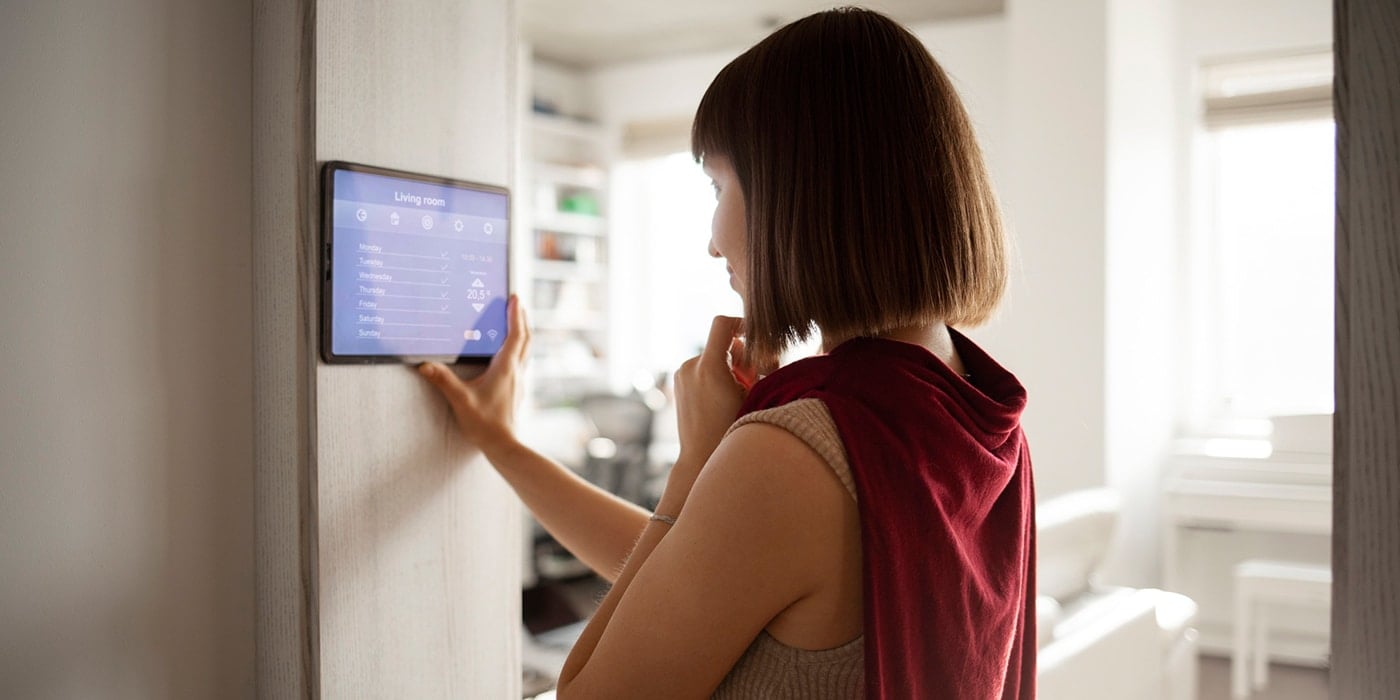
Once you have the basics covered, a deadbolt on the front door, a couple of cameras, maybe an alarm, the next question is how to close the gaps that an experienced burglar actually looks for. Advanced home security is not about buying the most expensive gadget on the shelf. It is about layering smart hardware, good habits, and a few pieces of technology so that every entry point becomes more trouble than it is worth. Here is how we approach it for homes across Manhattan and the rest of NYC, and what we recommend when a client asks how to go beyond the basics.
Key Takeaways
- Layer your defenses: Good home security is a stack of small advantages, hardware, lighting, cameras, and routines, not one big magic device.
- Harden the door before anything else: Most break-ins start at the front or back door, so upgrading locks and reinforcing the frame gives you the biggest return on any dollar spent.
- Treat your smart devices like real doors: A connected camera or smart lock is only as secure as the password, firmware, and network behind it.
Start With the Door, Not the Gadget
It is easy to get excited about cameras and apps, but a burglar standing on your stoop is looking at the door first. If the lock is builder-grade, the strike plate is held in by half-inch screws, or the frame is soft pine, none of the smart stuff upstream matters. The single best upgrade most homeowners can make is swapping in a grade-one deadbolt, replacing the strike plate with a reinforced one held in by three-inch screws, and making sure the door itself is solid core or metal clad.
Upgrade the Cylinder, Not Just the Lock
A lot of homes still run on standard pin tumbler cylinders that can be picked or bumped in under a minute by someone who knows what they are doing. A high-security cylinder with patented key control, pick resistance, and drill protection closes that gap and also prevents unauthorized key copies from being cut at the corner hardware store.
Reinforce the Frame
Even the best lock fails if the jamb splinters on the first kick. A proper strike plate, long screws that bite into the stud behind the frame, and a wraparound door reinforcer turn a quick kick-in into a noisy, multi-minute problem that most intruders will walk away from.
Use Smart Home Tech as a Layer, Not a Replacement
Smart locks, video doorbells, and connected alarms earn their keep when they are treated as one layer in the stack. A good smart lock lets you hand out and revoke codes for housekeepers, dog walkers, or guests without copying physical keys, and it logs every entry so you can see who opened the door and when. A video doorbell tells you who is at the door before you open it, which is useful whether you are home or halfway across the country.
Automate the Empty-House Look
Most burglars case a home before they enter. Smart lighting and plug schedules that turn lamps on and off on different floors, change the TV on in the evening, and close motorized blinds at dusk make a vacant home look lived in. This costs almost nothing and works better than an expensive alarm at preventing the break-in from ever being attempted.
Make the App Do Real Work
Set up geofenced routines so the system arms itself when the last phone leaves the house and disarms when the first one comes back. Turn on entry alerts for the doors you rarely use. These are small settings that most people never configure, and they are where smart home security actually pays off.
Secure Every Entry Point, Not Just the Front Door
The front door gets the most attention and is usually the best-defended opening in the whole house. The side door off the driveway, the back door off the kitchen, and the ground-floor windows are typically where real intrusions happen.
- Put the same grade of deadbolt on the back and side doors that you put on the front.
- Add sensors on every ground-floor window and any accessible second-floor window near a flat roof or fire escape.
- Install window security film on vulnerable panes so the glass holds together even if it is struck.
- Keep sliding patio doors honest with an auxiliary foot lock or a dowel in the track. The factory latch on most sliders is not enough on its own.
- If you have a garage, treat the door from the garage into the house like an exterior door, because once someone is in the garage, that is what it becomes.
Build a Real Surveillance Setup
A single doorbell camera is a start. A real surveillance layer covers the front door, the driveway or side path, the back door, and any blind spot along the perimeter. Place cameras high enough that they cannot be knocked out of position, but low enough to capture a usable face at the approach. Aim for wide dynamic range and solid low-light performance rather than the highest megapixel count on the box.
Record Locally and to the Cloud
Local storage on a network video recorder keeps footage safe when the internet drops or a camera is torn off the wall. Cloud backup keeps a copy out of reach of anyone who makes it inside and smashes the recorder. The combination gives you usable evidence no matter what happens during an incident.
Use Motion Zones and Real Alerts
Modern cameras can tell the difference between a person, a delivery, and a passing car. Set up motion zones that ignore the sidewalk and the tree that sways in the wind, and turn on person-only alerts. Too many false alarms and you will stop looking at them, which is the whole reason the system exists.
Create a Perimeter That Works For You
Your outdoor space is the first chance to make a burglar change their mind. Good perimeter design does not look like a fortress. It just quietly removes easy opportunities.
- Trim hedges and shrubs below window-sill height near the house so nobody can work out of sight.
- Use thorny plants like holly or barberry under ground-floor windows to make loitering genuinely uncomfortable.
- Add motion-activated floodlights at every entry and along dark side paths.
- Keep ladders, recycling bins, and patio furniture stored where they cannot be used as a step up to a second-floor window.
- Make sure the house number is clearly visible from the street so police and fire can find you fast in an emergency.
Do Not Forget the Digital Side
Every smart device in the house is a door too, just one without a lock plate. If your cameras, smart locks, or alarm panel are running default passwords or out-of-date firmware, an attacker does not have to break in physically.
- Change every default password to something unique and long. Use a password manager.
- Turn on two-factor authentication on every account tied to the house, including the camera app and the smart lock app.
- Put your smart devices on a separate Wi-Fi network or VLAN so a compromised camera cannot reach your laptop or phone.
- Update firmware when prompted. Most manufacturers quietly patch real vulnerabilities in every release.
Connect the System to a Real Emergency Response
The point of all of this is not to generate alerts on your phone. It is to shorten the time between something going wrong and help showing up. A monitored alarm that contacts dispatch on your behalf, panic buttons on the bedside and at the front door, and a well-defined family plan for what to do when an alarm sounds are worth more than any single piece of hardware. If you spend time alone or care for an older relative, a medical alert integration that can summon EMS with one button is worth setting up while the system is being installed, not after something happens.
Final Thoughts
Advanced home security is really just thoughtful layering. Harden the doors and windows, let smart technology amplify what the hardware is already doing, watch the perimeter on your terms, and lock down the digital side the same way you lock down the physical side. Do those things in order and you end up with a home that is visibly harder to enter than the houses around it, which is exactly what makes a burglar walk past. If you want a second set of eyes on what you already have, a walkthrough with a licensed residential locksmith is usually the fastest way to see where the real gaps are.
Need professional help in NYC? Contact Golden Key Locksmith NYC for Manhattan Locksmith Services or Apartment Lockout Help. Available 24/7 across Manhattan and all NYC boroughs.