

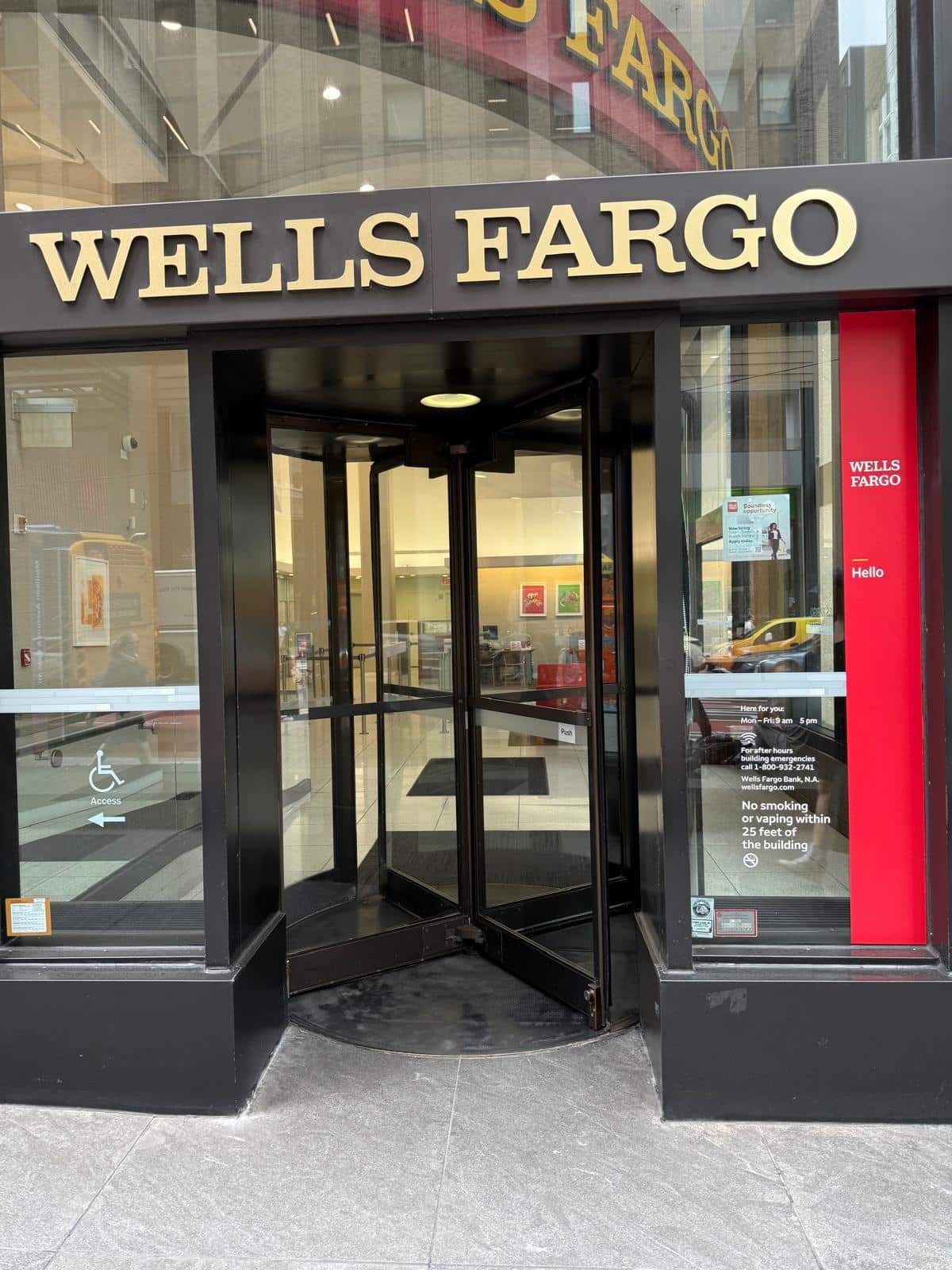
A storefront door in Manhattan takes more abuse in a month than a residential door sees in a year. Delivery traffic, constant foot traffic, weather, and the occasional break-in attempt all add up, and the hardware in front of your business has to keep holding the line. A commercial door contractor is the person who makes sure the door, the frame, the closer, and the lock are all working as one system so your business stays secure, code-compliant, and open for customers. Here is what that actually involves, and why most Manhattan business owners end up calling one sooner or later.
Key Takeaways
- The door is a system, not a slab: Security depends on how the frame, hinges, closer, and lock work together, and a good contractor treats all of them as one job.
- NYC code is unforgiving: Egress hardware, fire ratings, and ADA clearances are inspected, and a botched install can cost you a certificate of occupancy or a fine long before it costs you a burglary.
- Repairs beat replacement more often than you think: A commercial locksmith can often restore a sagging or stuck door with new hinges, a fresh closer, and a rekey instead of a full replacement.
What a Commercial Door Contractor Actually Does
A commercial door contractor is not just a locksmith and not just a carpenter. The job sits in between. It covers hanging the door plumb in a steel or aluminum frame, setting the strike plate so the deadbolt throws clean, adjusting the closer so the door shuts on its own without slamming, and wiring up any access control or panic hardware the space requires. Get any one of those wrong and the whole door fights you for years.
Installation From the Frame Out
New installs almost always start with the frame. A hollow metal frame that is twisted or out of plumb will never hold a door square no matter how expensive the slab is. A good contractor shims the frame, anchors it to the masonry, and only then hangs the door. For storefronts, that often means aluminum-and-glass units with continuous hinges and a concealed closer, which look clean from the sidewalk and survive the constant in-and-out of a retail day.
Repair and Retrofit Work
Most of the calls we run are not full replacements. They are the door that scrapes the floor, the closer that has given up, the lock that was never right to begin with. A retrofit visit usually means resetting the hinges, rebuilding the strike, swapping in a heavier-duty closer, and rekeying the cylinder so the last tenant’s keys stop working. You end up with a door that feels new for a fraction of the cost of a new unit.
Why Manhattan Businesses Need One
The density of the city creates problems a suburban shop never sees. Side-by-side storefronts share walls and sometimes share vestibules. Deliveries come through the same door customers use. HVAC pressure pulls doors out of alignment. Salt, slush, and sidewalk grit chew up thresholds every winter. On top of all that, NYC enforces its building codes with actual inspectors, so the margin for sloppy work is thin.
Security That Matches the Risk
A jewelry store, a pharmacy, and a corner deli do not need the same door. A contractor who works in Manhattan every day knows which neighborhoods see which problems and can spec hardware that matches. That might mean a reinforced strike and a high-security lock with restricted keyways for a jeweler, or a simple panic bar and a heavier closer for a coffee shop that just needs the back door to stop getting propped open at 3 a.m.
Staying on the Right Side of Code
Commercial doors in NYC have to meet fire ratings where they separate occupancies, egress requirements for any door in the exit path, and ADA clearances for any door the public uses. A contractor who installs doors daily knows which hardware is listed for which use and pulls the permits when they are needed. That is the part most owners never think about until an inspector shows up.
The Hardware That Matters Most
Behind every reliable commercial door is a short list of components that do the actual work. When one of them is wrong or worn, the whole door feels off.
- Continuous or heavy-duty hinges that will not sag under a hundred-plus opens per day.
- A grade-1 mortise lock or a commercial-grade deadbolt, not a residential knob set.
- A properly sized door closer, adjusted for the weight of the door and the wind load of the entry.
- A reinforced strike plate anchored into the frame, not just into the trim.
- Panic or exit hardware on any door in the required egress path.
- Weatherstripping and a solid threshold to keep heating and cooling bills in check.
Access Control and Key Management
Once the door itself is solid, the next conversation is who gets through it. Plenty of Manhattan businesses still run on brass keys, and for a small shop that is fine. For anything larger, access control cleans up the mess of lost keys, terminated employees, and contractors who need temporary access. Card readers, keypads, and mobile credentials all tie into a single door controller, and you can add or revoke access in seconds instead of calling a locksmith every time someone quits.
Master Key Systems Still Earn Their Keep
For buildings that prefer to stay mechanical, a master key system gives each employee the level of access they need on a single key while the manager carries one key that opens everything. Done right, it is simpler than access control and nearly as flexible, and it does not stop working when the power goes out.
Emergency Repairs and Downtime
A broken door at 6 a.m. is an open-for-business problem, not a locksmith problem. Staff cannot get in, customers cannot come in, and the insurance clock is ticking if the door will not lock. A commercial contractor who runs 24-hour service can usually stabilize the door on the first visit, even if the permanent fix requires a part that has to be ordered. That might mean a temporary lock, a plywood panel, or a closer override to keep the door controlled until the real hardware arrives.
Choosing the Right Contractor
The gap between a good commercial door contractor and a bad one shows up two years after the install, not on the day of the job. Ask who is going to be on site, whether they are licensed in New York, and how they handle warranty calls. Ask to see photos of similar jobs in the city. A shop that has been opening and closing Manhattan storefronts for years will have no trouble showing you the work. Our team at Golden Key Locksmith NYC handles commercial door installs, repairs, and access control across Manhattan every day, and we are happy to walk a space before you commit to anything.
Final Thoughts
A commercial door is the single piece of hardware between your business and the sidewalk, and it deserves to be treated like the critical equipment it is. Whether you are opening a new location, inheriting a space from a previous tenant, or finally fixing the door that has been fighting you for a year, the right contractor will look at the whole system, tell you what actually needs to change, and leave you with a door that just works.
Need professional help in NYC? Contact Golden Key Locksmith NYC for Manhattan Locksmith Services or Apartment Lockout Help. Available 24/7 across Manhattan and all NYC boroughs.