Fraud Blocker

How Much Does It Cost to Change Locks on Two Doors?

Locksmith
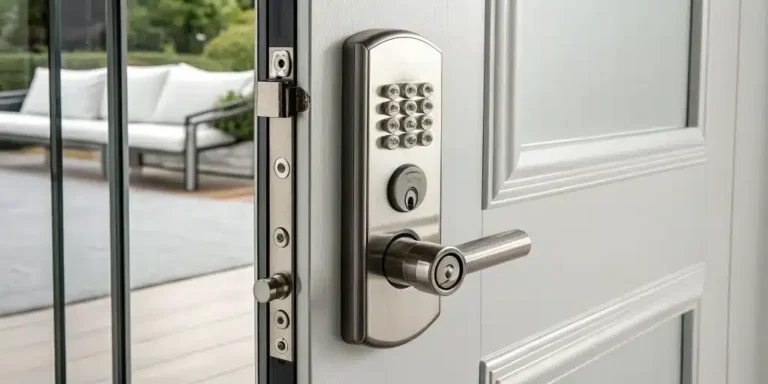
A new keypad and deadbolt lock on a front door, a factor in the cost to change locks.

That sinking feeling when you realize your keys are gone is something no one wants to experience. In that moment, your top priority is securing your home as quickly as possible. While your mind is racing, practical questions about cost are bound to come up, and the last thing you need is a surprise on the final bill. Understanding the potential expenses ahead of time can make a stressful situation much more manageable. You need to know, how much does it cost to change locks on two doors when you need it done right away? We’ll cover everything from standard service fees to the premium for an emergency call-out, ensuring you’re prepared for any scenario.

Key Takeaways

  • Budget for More Than Just the Lock: Your total cost includes the hardware plus labor, potential door modifications, and extra fees for after-hours service. Expect to pay between $60 and $350 per lock for a professional change.
  • Consider Rekeying to Save Money: If your current locks are in good condition, rekeying is a smart, affordable alternative to a full replacement. It secures your home by changing the internal mechanism so old keys no longer work.
  • Vet Your Locksmith to Ensure Quality: Always choose a licensed and insured professional who guarantees their work. Asking for a detailed estimate upfront helps you avoid surprise fees and ensures the job is done right.

How Much Does It Cost to Change Your Locks?

Thinking about changing the locks on your home or business is a smart move, whether you’ve just moved in, lost a key, or simply want a security upgrade. One of the first questions that comes to mind is, “How much is this going to cost?” The answer isn’t a single number, as the price depends on a few key factors, including the type of locks you choose, the complexity of the job, and when you need the service.

Understanding the potential costs ahead of time helps you budget properly and choose the right options for your needs without any surprises. From the hardware itself to the professional labor required for a secure installation, each component plays a role in the final bill. We’ll break down the average costs, explain what goes into the pricing, and show you how things like emergency call-outs can affect the total. This way, you can feel confident you’re making an informed decision for your property’s security.

Breaking Down the Average Cost

On average, you can expect to pay about $150 to change a single lock. However, the typical price range for most homeowners is between $60 and $350 per lock. This variation comes down to the specific lock you select and how much work is involved in the installation. A standard deadbolt for a residential door will be on the lower end of that scale, while a high-security smart lock for a commercial property will naturally cost more. Think of this range as a starting point to help you budget for your project and have a productive conversation with your locksmith.

Factoring in Labor and Materials

The total cost of a lock change is split between two main things: the lock itself (materials) and the locksmith’s time (labor). Professional locksmiths typically charge an hourly rate between $50 and $120, and many have a minimum service fee of $40 to $75 just for the visit. When you combine the cost of new hardware with the labor for a standard job, like changing locks on two doors, the total often lands around $315. This ensures your residential locksmith service is handled correctly and your home is secure.

Emergency vs. Scheduled Service Costs

Life happens, and sometimes you can’t wait for a scheduled appointment. If you find yourself locked out late at night or need an immediate lock change on a holiday, you’ll need an emergency locksmith. These urgent services come at a premium. Expect to pay an additional $50 to $150 for an after-hours call. The total for an emergency visit can range from $150 to $250, depending on the time and situation. While it costs more, the immediate response and peace of mind are invaluable when your security is on the line.

What Factors Influence the Price of a Lock Change?

Figuring out the cost of a lock change isn’t always straightforward because the final price tag depends on a few key variables. It’s not just about the lock itself; it’s also about the door it’s going on, where you live, and when you need the job done. Understanding these factors will help you get a clear idea of what to expect and ensure there are no surprises when the bill comes. From the hardware you select to the complexity of the installation, each element plays a part in the total cost. Let’s break down exactly what influences the price.

The Type of Lock You Choose

The single biggest factor in your final cost is the lock hardware you select. A simple doorknob is going to be much more affordable than a high-tech smart lock. On average, you can expect to pay between $60 and $350 per lock for a replacement. A basic doorknob might only cost $20 to $80, while a standard deadbolt typically runs from $40 to $120. If you’re looking to upgrade your home’s security, you might consider more advanced security systems. For instance, a smart lock can range from $150 to $400, and a high-security lock can cost anywhere from $200 to $500, according to a recent cost analysis.

Your Door’s Condition and Type

Not all doors are created equal, and the state of your door can affect the installation price. A lock for your front door will naturally need to be stronger and more secure than one for an interior bedroom, which means it will also be more expensive. If your door isn’t compatible with the new lock, a locksmith may need to make modifications like drilling new holes. This extra labor will add to the cost. In some cases, if the door frame is damaged or warped, you might need a professional door repair and installation to ensure the new lock functions correctly and provides the security you need.

Your Location and the Time of Day

Where you live and when you need service play a significant role in pricing. In a city like New York, the cost of living is higher, which generally means labor rates for services are also higher compared to more suburban or rural areas. The time of your service call is another major factor. If you find yourself locked out in the middle of the night or on a holiday, you’ll need an emergency locksmith. These after-hours calls typically come with an extra fee, which can add between $50 and $150 to your total bill. Planning your lock change during regular business hours is the best way to avoid these additional charges.

Choosing Between Pro and DIY Installation

If you’re handy and have the right tools, you might consider a DIY installation to save on labor costs. For a basic doorknob, you’d only pay for the materials, which could be as little as $20. However, hiring a professional to install that same lock might cost between $70 and $180, including both parts and labor. While DIY can be tempting for simple jobs, more complex installations like smart locks or high-security systems are best left to a professional. A residential locksmith has the expertise to ensure the lock is installed correctly, functions smoothly, and provides maximum security for your home.

A Look at Popular Locks and Their Prices

The lock itself is a major part of your total cost. Prices can vary widely depending on the type, brand, and security features you choose. To give you a better idea of what to expect, let’s walk through some of the most popular options, from basic hardware to high-tech systems.

Standard Deadbolts

Deadbolt locks are among the most common and reliable types of locks used to secure exterior doors. Unlike a standard doorknob, a deadbolt has a unique locking mechanism that can’t be forced back, providing a solid barrier against entry. They are a fantastic, budget-friendly choice for foundational security. You’ll find single-cylinder (keyed on one side) and double-cylinder (keyed on both sides) versions. A professional can help you choose the right one for your residential locksmith needs, ensuring both safety and compliance with local fire codes.

Basic Locksets

A basic lockset, often just a locking doorknob, typically costs between $20 and $80. You’ll usually find these on interior doors, like bedrooms or bathrooms, where they add a simple layer of privacy. However, they aren’t recommended as the primary lock for your front door because their mechanisms are less resistant to force. Many homeowners pair a basic doorknob lock with a separate, more secure deadbolt on their exterior doors for a layered approach to security.

Smart Lock Systems

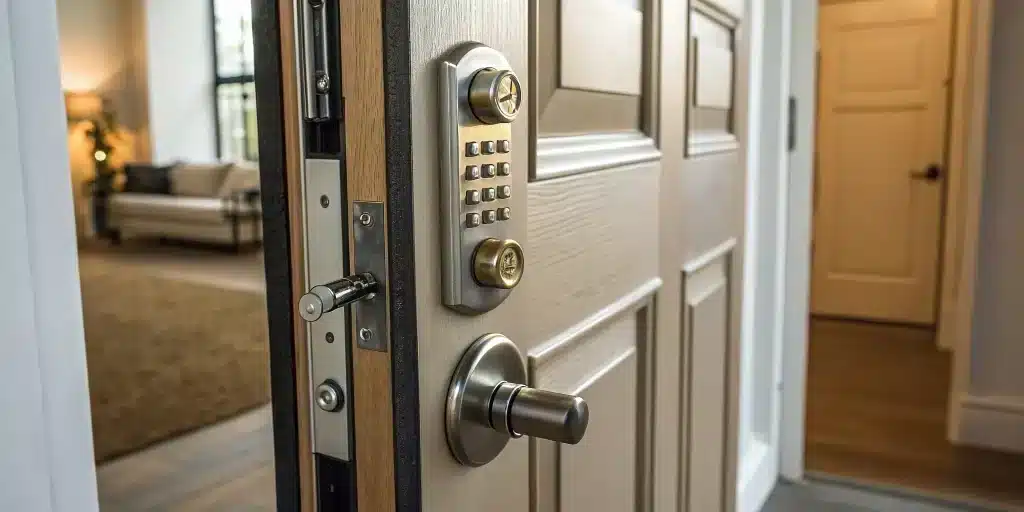
If you love convenience, a smart lock is a great investment. Ranging from $150 to $400, these electronic locks let you ditch the keys for good. You can unlock your door with a keypad code, your smartphone, or even your fingerprint. Many also allow you to grant temporary access to guests and get notifications whenever the door is used. This level of control is a major step up in home management. Integrating them into your home’s security systems creates a seamless and highly secure environment.

High-Security Locks

For maximum protection, nothing beats a high-security lock. Costing between $200 and $500, these are specifically engineered to be drill- and pick-resistant. They feature complex pin systems, reinforced construction, and hardened steel that stands up to brute force and tampering. While the price is higher, you’re paying for top-tier security and peace of mind. They are an excellent choice for businesses protecting valuable assets or for any homeowner who wants the best defense available. Our commercial locksmith services often recommend these for ultimate protection.

How to Save Money on a Lock Change

Changing your locks is a crucial step for home security, but it doesn’t have to drain your wallet. With a few smart strategies, you can secure your home without overspending. It’s all about understanding your options and knowing when to call in a professional versus tackling it yourself.

Should You Rekey or Replace Your Locks?

One of the biggest ways to save money is to rekey your locks instead of replacing them entirely. Rekeying involves changing the internal pins of the lock so that the old keys no longer work. This is a fantastic option if your current locks are in good condition but you need to control access—like after moving into a new home or when a tenant leaves. The process is much faster and more affordable, typically costing between $50 and $100. A full lock replacement is necessary when the hardware is old, damaged, or you want to upgrade your security. While the average cost for a residential locksmith to replace a lock is higher, it’s the right call for worn-out mechanisms that compromise your safety.

Considering a DIY Installation

If you’re handy with tools, you might be tempted to install a new lock yourself to save on labor costs. For a simple, standard deadbolt, a DIY installation can be a straightforward project. However, it’s important to be honest about your skill level. An improperly installed lock can be easy to bypass, potentially damage your door, or even void the lock’s warranty. For more complex systems like smart locks or high-security hardware, it’s always best to hire a professional. A pro ensures the installation is done correctly, giving you peace of mind that your home is truly secure. If you attempt a DIY and run into trouble, you may need a door repair and installation service anyway.

When to Repair Instead of Replace

Sometimes, a malfunctioning lock doesn’t need to be replaced at all. A simple repair might be all that’s required to get it working smoothly again. If your lock is just sticky, the latch is misaligned, or a small part is loose, a locksmith can often fix it quickly. This can be a much cheaper alternative to buying and installing a brand-new lock. However, there’s a tipping point. A good rule of thumb is if the repair cost is 50% or more of the price of a new lock, it’s more economical to replace it. The same goes for locks that are severely damaged or simply too old to be reliable. When a lock fails unexpectedly, an emergency locksmith can help you decide the best course of action.

Comparing the Costs

To make an informed decision, it helps to understand the breakdown of costs. Locksmiths generally charge an hourly rate for labor, which can range from about $49 to $125. The total cost to replace a lock typically falls between $60 and $350, depending heavily on the type of lock you choose and the complexity of the installation. Always ask for a detailed quote upfront that separates the cost of the hardware from the labor. This transparency helps you avoid surprises and ensures you’re getting a fair price. Getting a professional estimate is the best way to budget accurately for your lock change and weigh your options effectively.

How to Hire a Professional Locksmith

Choosing the right person to handle your home’s security is a big deal. You’re not just hiring someone to change a lock; you’re trusting them with the safety of your home and family. While it might seem easier to just pick the first name that pops up in a search, taking a few extra minutes to vet a professional can save you from headaches, hidden fees, and subpar work. A great locksmith will be transparent, skilled, and focused on providing you with the best security solution for your needs.

Think of it like finding any other trusted professional—you want someone with the right credentials, a solid reputation, and clear communication. This is especially true if you need an emergency locksmith and are feeling stressed. Knowing what to look for ahead of time can make a high-pressure situation much more manageable. We’ll walk through the essential steps, from checking for licenses and insurance to asking the right questions, so you can feel confident in your choice.

Finding a Licensed and Insured Pro

Before you let anyone near your door, your first step should be to confirm they are licensed and insured. This isn’t just a formality; it’s your protection. A license proves the locksmith has met industry standards and is recognized as a legitimate professional. Insurance is just as important, as it covers any potential damage to your property during the job. If a lock is installed incorrectly or a door frame gets scratched, their insurance should cover the repairs. Don’t be shy about asking for proof of both. A reputable residential locksmith will have this information ready and will be happy to share it.

Look for Service Guarantees

What happens if your new lock starts sticking a week after it’s installed? This is where a service guarantee comes in. A trustworthy locksmith will stand behind their work with a warranty on both the parts and their labor. This guarantee is a sign of confidence in their skills and the quality of the products they use. It gives you peace of mind knowing that if something goes wrong, they will come back to fix it without an additional charge. Always ask about the terms of their guarantee before agreeing to any work. A company that doesn’t offer one might not be the best choice.

Key Questions to Ask Your Locksmith

To avoid surprises on your final bill, it’s smart to ask a few key questions upfront. When you call for an estimate, be as specific as possible about your situation. Do you need a simple lock replacement or a more complex high-security installation? Here are a few things to ask:

  • Can you provide a detailed estimate, including all potential fees?
  • What is your arrival time?
  • Do you require payment upfront?
  • What types of locks do you recommend for my situation?

A professional will be able to give you clear answers and help you understand your options.

Why Insurance Matters

After a break-in, changing your locks is a top priority. What many people don’t realize is that their homeowner’s insurance policy might help cover the cost. If your lock change is the result of a covered event like theft, you may be able to file a claim for reimbursement. To make this process smoother, be sure to keep detailed records of the incident, including a police report if you filed one. Also, hold onto the invoice from your locksmith service. Having clear documentation makes it much easier to work with your insurance company and get the coverage you’re entitled to.

Watch Out for Hidden Costs

Getting a quote for a lock change is the first step, but it’s smart to be aware of other factors that can influence the final bill. The price you’re initially given usually covers the basics—the lock itself and the standard installation labor. However, certain situations or choices can add to the total cost. Thinking about these potential expenses ahead of time helps you create a more realistic budget and avoid any surprises when it’s time to pay.

Extra Keys and Smart Programming

Once your new locks are installed, you’ll likely need more than just one key. Making copies for family members or a trusted neighbor is a common need, and each new key adds a small amount to your total. If you’re moving toward a more modern setup, the costs can be different. Opting for smart locks with features like keypads or fingerprint access involves more than just a simple key copy, and the cost to program these advanced systems can add to the final invoice.

Necessary Door Modifications

Sometimes, a new lock isn’t a perfect fit right out of the box, especially in older homes. Your door might need a little work to accommodate the new hardware. If a locksmith has to drill new holes, adjust the door frame, or work around a tricky installation spot, it will require extra time and labor. These door modifications are essential for ensuring the lock functions correctly and provides the security you expect. A professional can assess your door’s condition and let you know if any adjustments will be necessary.

Potential Security Upgrades

While the locksmith is already on-site, it’s a great time to consider other security enhancements. Small additions can make a big difference in protecting your home. For example, reinforcing your door with stronger strike plates is a simple upgrade that can add significant strength against forced entry. For areas that need an even higher level of protection, you might consider investing in high-security deadbolts or integrated security systems. These upgrades offer peace of mind and are often more cost-effective to install at the same time.

Understanding Your Warranty

A new lock is an investment in your home’s safety, and that investment should be protected. Most new locks come with a manufacturer’s warranty that covers defects in the hardware itself. It’s important to ask your locksmith about this coverage. Additionally, some installation professionals offer their own service guarantees or extended warranties for a small fee. This can provide extra assurance that if anything goes wrong with the installation or the lock itself within a certain period, you’ll be covered without facing unexpected repair costs.

Making the Right Choice for Your Home

Changing your locks is a big step toward feeling secure in your own space. But with so many options, how do you know you’re making the best decision? It comes down to balancing your specific security needs, your budget, and the long-term value for your home. Thinking through these key areas will help you find the perfect solution without the guesswork. It’s about more than just picking a lock; it’s about investing in your peace of mind.

Assess Your Security Needs

First, take a moment to think about what you really need. Are you in a ground-floor apartment in a busy neighborhood or a single-family home in a quiet cul-de-sac? Your environment plays a big role. For most homes, a high-quality deadbolt is the gold standard for securing exterior doors. They are one of the most reliable and common locks for a reason. If you’re looking for a basic security upgrade, a new deadbolt is a great place to start. For more advanced protection, you might explore high-security locks that offer features like resistance to picking and drilling.

Plan Your Budget

Next, let’s talk numbers. The cost of changing locks can vary, but most homeowners spend between $60 and $350 per lock. On average, you can expect the cost to replace a lock to be around $150. If your current locks are in good shape but you’re worried about who has a key, rekeying is a fantastic, budget-friendly alternative. A professional can rekey a lock for about $50 to $100, which is significantly less than the $200 or more it might cost to fully replace the hardware and pay for labor.

Decide on an Installation Method

Are you a DIY pro or would you rather leave it to an expert? Many people find that changing a standard lock is a straightforward project they can handle with a few basic tools and an online tutorial. However, if you’re short on time, dealing with a tricky door, or installing a more complex system like a smart lock, calling a professional is your best bet. A professional locksmith ensures the job is done correctly and securely. Plus, if you need several locks changed, many pros offer a discount for bundling the services, saving you money in the long run.

Consider the Long-Term Value

Finally, think about the lasting benefits. New locks are an investment in your home’s safety and can even increase its curb appeal and resale value. Fresh, modern hardware makes a great first impression. While rekeying is often cheaper upfront, replacing old, worn-out locks can prevent future issues and provide better security over time. It’s also a chance to upgrade your home’s overall protection by integrating new locks with a complete security system. Choosing quality hardware now means you won’t have to worry about it again for years to come.

Related Articles

Frequently Asked Questions

Is rekeying my locks just as secure as replacing them completely? Yes, as long as your current lock is in good working condition. Rekeying changes the internal mechanism so old keys won’t work, which is perfect for situations like moving into a new home. The physical strength and integrity of the lock itself remain the same. You only need a full replacement if the hardware is old, damaged, or you want to upgrade to a more advanced security model.

How long does it usually take for a locksmith to change a lock? For a standard residential lock, a professional can typically complete the job in about 20 to 30 minutes. The process is usually quick and efficient. However, the time can vary if you’re installing a more complex system, like a smart lock, or if your door requires modifications to fit the new hardware properly.

Can I save money by buying the lock myself and just hiring a locksmith for the installation? While you can certainly purchase your own hardware, it may not always be the most effective way to save. Locksmiths often get professional-grade locks that may be more durable than what’s available at a big-box store. Plus, when a locksmith supplies the lock, they will typically guarantee both the product and their installation work. If you provide your own, that guarantee might only cover the labor.

Why is there an extra charge for emergency or after-hours service? The additional fee for emergency calls covers the cost of having a skilled technician available around the clock. It accounts for their immediate dispatch, travel late at night or on a holiday, and the general overhead of maintaining a 24/7 service. You’re essentially paying for the convenience and peace of mind that comes with getting immediate help when you need it most.

My lock is just sticking a little. Does it need to be replaced? Not necessarily. A sticky or stubborn lock can often be fixed with a simple repair. The issue could be anything from a misaligned latch to needing lubrication. It’s best to have a professional take a look. They can quickly diagnose the problem and let you know if a small adjustment can solve it, which is often a much more affordable option than a full replacement.

Need professional help in NYC? Contact Golden Key Locksmith NYC for Manhattan Locksmith Services or Apartment Lockout Help. Available 24/7 across Manhattan and all NYC boroughs.