Securing your property is about more than just having a lock on the door; it’s about controlling who holds the key. Whether you’re a new homeowner, a landlord managing tenants, or a business owner handling employee turnover, you’ll eventually need to reset access. This brings you to a crucial crossroads: the rekey vs replace locks decision. While replacing the hardware seems like the obvious answer, rekeying is a clever and cost-effective alternative that solves the same problem in many situations. Understanding the difference is key to protecting your space without overspending. We’ll explore the specific scenarios where each option shines, helping you determine the smartest path forward for your security needs.
Key Takeaways
- Rekey for key control, replace for a hardware upgrade: Rekeying is the cost-effective solution when your locks are fine but you need to ensure old keys no longer work. Choose a full replacement when you want to install stronger, more modern, or stylistically different hardware.
- Your lock’s condition is the deciding factor: If your lock is in great shape, rekeying is a smart, simple fix. However, if it’s old, rusted, or difficult to use, a replacement is necessary to ensure it functions reliably and keeps you safe.
- A replacement is required for modern features: Rekeying doesn’t make your lock physically stronger. To get benefits like pick resistance, anti-drill plates, or keyless smart lock technology, you must replace the entire unit.
Rekeying vs. Replacing Locks: What’s the Real Difference?
When it comes to securing your home or business, you’ve probably heard the terms “rekeying” and “replacing” locks. While they both solve the problem of an old key no longer working, they are two very different services. Understanding the distinction is the first step in making a smart, cost-effective decision for your security. One process involves changing the internal workings of your existing lock, while the other means a complete hardware swap. Let’s break down exactly what each option entails so you can figure out which one is the right fit for your situation.
How Rekeying Works
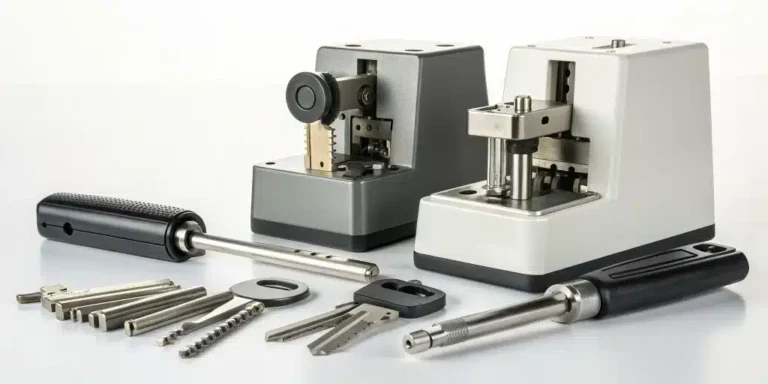
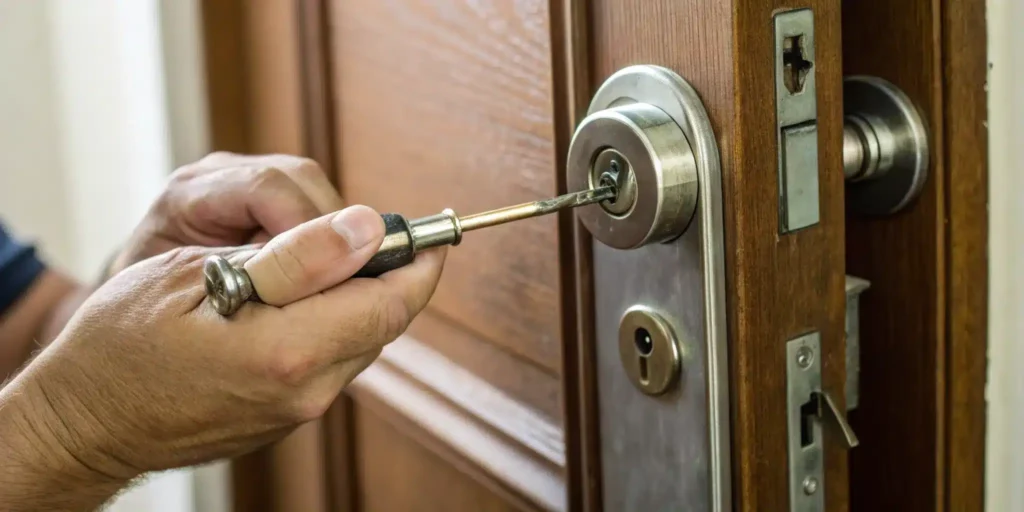
Think of rekeying as giving your lock a fresh start without replacing the whole thing. A locksmith carefully changes the inside parts of the lock cylinder, known as the pins, to match a brand-new key. Once the process is complete, the old keys will no longer work. You get to keep your existing doorknobs and deadbolts, which is great if you like your current hardware. This is a popular choice for new homeowners who need a residential locksmith to ensure previous owners can’t access the property. Because you’re only paying for a locksmith’s time and a few small parts, rekeying is almost always the more affordable option.
How Lock Replacement Works
Lock replacement is exactly what it sounds like: taking out the entire lock mechanism and installing a brand-new one. This is your best bet when your current locks are old, damaged, or you simply want to upgrade your security. For instance, you might want to switch to high-security locks or a modern keyless entry system. While it costs more because you’re buying new hardware in addition to paying for labor, it’s the right move for a true security overhaul. It’s also necessary if you’re changing hardware styles to match a home renovation or need to install a new door entirely.
Common Rekeying Myths, Debunked
There’s a lot of misinformation out there, so let’s clear a few things up. First, many people believe rekeying makes a lock more secure. This isn’t true. Rekeying only changes which key can open the lock; it doesn’t strengthen the hardware itself. If your goal is to improve your property’s defenses, you should consider upgrading to better security systems. Another common myth is that rekeying is an easy DIY project. While it might look simple in a video, one small mistake can permanently damage the lock, leaving you with a bigger problem and in need of an emergency locksmith.
When to Rekey Your Locks
Deciding to rekey is often the smartest and most cost-effective choice for enhancing your security. It’s a straightforward process that addresses some of the most common security concerns without the expense of a full hardware replacement. If you find yourself in one of the following situations, rekeying is likely the perfect solution for your home or business.
You Just Moved Into a New Place
Congratulations on the new place! Before you finish unpacking, there’s one crucial task to check off your list: rekeying the locks. You have no way of knowing who the previous owners gave copies of the key to—neighbors, contractors, dog walkers, you name it. Taking control of your home’s security from day one is essential for peace of mind and truly making the space your own. A quick call for a residential locksmith service to rekey the existing locks ensures you and your family are the only people with access. It’s a simple, affordable step that secures your new home right away, letting you focus on settling in without any lingering worries about old keys.
You’ve Lost Your Keys
That sinking feeling when you realize your keys are gone is the worst. Whether they slipped out of your pocket on the subway or were stolen from a bag, a lost key represents a direct security risk to your home. Instead of worrying about who might find it and what their intentions are, you can immediately invalidate that old key by rekeying the lock. This is a much faster and more affordable option than replacing the entire lock mechanism. If you’re in a bind, an emergency locksmith can rekey your locks quickly, restoring your home’s security and letting you breathe a huge sigh of relief.
You’re Managing Employee Access
For business owners, managing who has access to the property is a top priority. When an employee leaves the company, collecting their key isn’t always enough to guarantee security, as you can’t be sure if copies were made. Rekeying is an efficient way to handle employee turnover without the hassle and cost of installing new hardware across multiple doors. Our commercial locksmith services can quickly rekey your building’s locks, ensuring that old keys no longer work and only current, authorized personnel can get inside. This process helps you maintain a secure environment for your business, assets, and team with minimal disruption to your operations.
You Want One Key for Everything
Are you tired of fumbling with a heavy keychain that looks like a janitor’s? If you have separate keys for your front door, back door, and garage, life could be much simpler. As long as the locks are from the same manufacturer or have compatible keyways, a locksmith can rekey them all to work with a single key. This streamlines your daily routine and eliminates the guesswork of finding the right key every time you come home, especially when your hands are full. It’s a small, convenient change that declutters your pockets and your mind, making your home access effortless and straightforward.
When to Replace Your Locks
While rekeying is a great option, sometimes the lock hardware itself is the problem. If your locks are old, damaged, or you’re ready for an upgrade, a full replacement is the smartest move for your security. It’s about more than just changing who has access; it’s about strengthening the physical barrier protecting your property. Here are the key moments when swapping out your locks entirely is the best call.
You’re Ready for a Security Upgrade
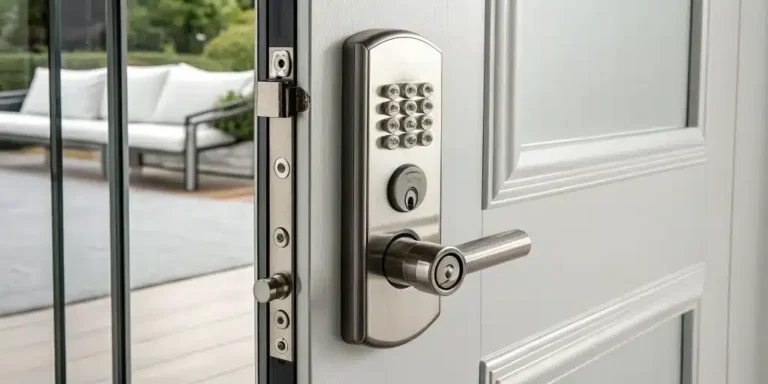
If you want to seriously improve your property’s security, replacing your locks is the way to go. Standard locks may not hold up against modern threats, so this is your chance to install high-security hardware with anti-pick and anti-drill features. You could also make the leap to keyless entry with modern security systems like smart locks or keypad deadbolts. Upgrading your hardware is a proactive step that provides a more robust defense than a simple rekey can offer.
Your Locks Are Damaged or Old
Locks wear out over time. If yours is visibly rusted, tarnished, or difficult to operate—meaning you have to jiggle the key to get it to turn—it’s time for a replacement. A sticky lock isn’t just an annoyance; it’s a security risk that could fail when you need it most. Our residential locksmith services can help you swap out old, unreliable hardware for something new and dependable that works smoothly every time.
You’re Updating Your Home’s Style
Hardware is a key part of a home makeover. If you’re renovating, old locks can stick out and ruin a modern aesthetic. Replacing them is a simple way to create a cohesive look. You can choose new locks in finishes like matte black or satin nickel to match your new door handles and other design elements. A stylish lock set is the perfect finishing touch when you’re updating your doors to improve your home’s curb appeal.
Your Current Locks Are Incompatible
Dreaming of one key for every door? It’s only possible if your locks are compatible. If your front door has a Schlage lock and your back door has a Kwikset, they can’t be rekeyed to work with the same key. Their internal mechanisms are different. The only way to achieve the one-key dream is to replace one or more of the locks so they all use the same keyway. This creates a streamlined system that simplifies your keychain.
The Pros and Cons of Each Option
Deciding between rekeying and replacing your locks comes down to your specific needs, budget, and current hardware. There’s no single right answer, but understanding the benefits and drawbacks of each will make the choice much clearer. Rekeying is a clever solution that adjusts your existing lock to work with a new key, while a full replacement means swapping out the entire mechanism for something brand new.
Think of it this way: rekeying is like changing the password to an account, while replacing the lock is like getting a whole new, more secure account. Both can be effective, but they solve different problems. If you’re happy with your current locks and just need to control key access, rekeying is often the perfect fit. But if your locks are old, damaged, or you’re looking to add modern features, a replacement is the way to go. Let’s break down the specifics so you can feel confident in your decision.
The Upside and Downside of Rekeying
Rekeying is a popular choice for a reason, and its biggest advantage is cost. Since you’re keeping your existing lock hardware, you only pay for the locksmith’s time and expertise to change the internal pins. This makes it a fast and affordable way to secure your property after moving in or losing a key. You get the peace of mind that old keys will no longer work, all while keeping the locks you already like. It’s an ideal solution for most standard residential locksmith needs.
The main downside? Rekeying doesn’t upgrade your lock’s physical security. If your current lock is flimsy, old, or easy to pick, it will still be just as vulnerable after being rekeyed. It’s a security reset, not a hardware improvement.
The Upside and Downside of Lock Replacement
Choosing to replace your locks opens up a world of possibilities for better security. This is your chance to install high-security, pick-resistant hardware or even transition to modern security systems like smart locks that offer keyless entry and remote access. If your current locks are damaged, worn out, or simply don’t match your home’s style, replacement is the only option that solves the problem. It gives you brand-new hardware and a fresh set of keys.
The primary drawback is the price. Lock replacement is more expensive because you’re paying for both the new lock hardware and the labor for installation. The process can also be a bit more involved than a simple rekey, but the investment often pays for itself in enhanced security and peace of mind.
Let’s Talk Cost: Rekeying vs. Replacing
Okay, let’s get down to brass tacks: the budget. When you’re deciding between rekeying and replacing your locks, cost is almost always a deciding factor. The good news is that securing your home or business doesn’t have to break the bank. Understanding the price difference between these two services will help you make a smart choice that fits your security needs and your wallet. Both are great options, but they come with different price tags for different reasons.
Breaking Down Rekeying Costs
If you’re looking for the most cost-effective way to secure your locks, rekeying is usually your best bet. The price typically covers the service call and the labor involved in changing the internal pins of the lock cylinder, and it scales with the number of locks being rekeyed. Since you’re keeping your existing lock hardware, you’re primarily paying for the technician’s time and skill. It’s a straightforward and affordable solution, especially when you need to update several locks at once after moving into a new apartment or home. This makes it a popular choice for our residential locksmith clients across NYC.
Breaking Down Lock Replacement Costs
Replacing your locks completely is a bigger investment. The per-lock cost depends on the hardware grade you choose, and it goes higher for more advanced models. Unlike rekeying, this price includes both the new hardware and the labor to install it. While you could buy a new lock set from a hardware store, hiring a professional ensures it’s installed correctly for maximum security. This is the route to take when your old locks are worn out or you’re ready to invest in a significant upgrade for your property’s security systems.
What Influences the Final Price?
So, what determines that final number on your invoice? With rekeying, the cost is almost entirely based on labor—how many locks you have and how complex they are. For lock replacement, you’re paying for both the parts and the labor. The type of lock you choose makes a huge difference. A standard deadbolt will cost far less than a high-security, pick-resistant lock or a new smart lock with keyless entry. When you need a commercial locksmith for a business, factors like master key systems can also influence the price. The best way to get a clear picture is to get a quote based on your specific needs.
Which Option Is More Secure?
When it comes to securing your home or business, the choice between rekeying and replacing locks often boils down to one question: which is safer? The truth is, both can be highly secure options, but the right one for you depends entirely on your current hardware and your security goals. Rekeying is perfect for restoring security when the lock itself is still in great shape, while replacing the lock opens the door to a whole new level of modern protection. Let’s break down what that means for you.
Is Rekeying Secure Enough for You?
Absolutely, as long as your existing lock is in good condition. Rekeying is a process that changes the internal pins of a lock, rendering any old keys useless. Think of it as a security reset. If you’ve just moved in or had a key go missing, rekeying immediately restores your peace of mind by ensuring only you and the people you trust have access. It’s a fast and effective way to secure your property without changing the hardware. For most standard situations, a professional residential locksmith can confirm if your current locks are robust enough for a simple rekey to be a perfectly secure solution.
Considering Modern Security Features
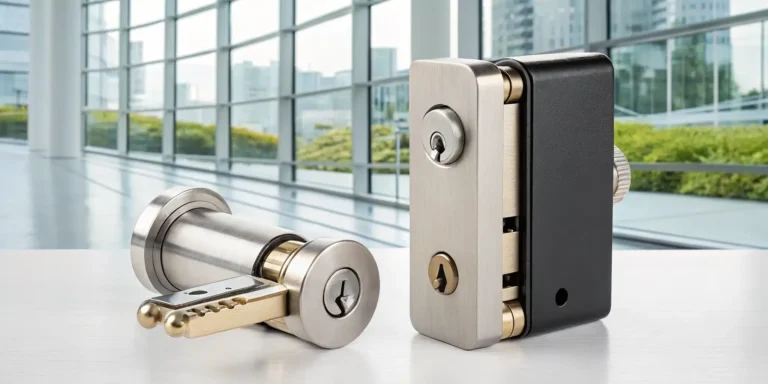
If your locks are old, worn, or a basic model, replacing them is a significant security upgrade. Lock technology has come a long way, and newer models offer features that provide much greater protection against forced entry. High-security locks often include hardened steel components, anti-drill plates, and complex pin systems that make them resistant to picking and bumping. Upgrading your locks isn’t just about a new key; it’s about investing in better materials and more sophisticated designs. This is your chance to install a stronger deadbolt or explore advanced security systems that offer more comprehensive protection for your property.
The Benefits of Smart and Keyless Locks
For the ultimate in convenience and control, replacing your old lock with a smart lock is the way to go. These modern devices offer keyless entry through codes, fingerprints, or your smartphone, so you never have to worry about a lost key again. Many smart locks also provide an activity log, letting you see who has entered and when. You can grant temporary access to guests or service providers from anywhere and integrate the lock with your other smart home devices. For a business, this level of access control is invaluable, making it easy to manage employee permissions with a commercial locksmith service.
How to Make the Right Choice
Deciding between rekeying and replacing your locks can feel like a bigger deal than it needs to be. The good news is that the right answer usually becomes clear once you ask yourself a few simple questions. Your choice comes down to your current locks, your security goals, and your budget. Think of it this way: rekeying is like changing the password to an account, while replacing the lock is like getting a whole new security system. Both are effective, but they solve different problems. Let’s walk through how to figure out which path is the right one for your home or business.
Key Questions to Help You Decide
To find your answer, start by thinking about your specific situation. Are your current locks physically damaged or just old and worn out? If so, a full replacement is your best bet. But if the hardware is in great shape, rekeying is an excellent, cost-effective option. Rekeying simply changes the internal pins so that old keys no longer work. It’s the perfect solution when you’ve just moved into a new place or need to restrict access after a key is lost. If your goal is to upgrade your security with high-security deadbolts or smart locks, you’ll need to replace the entire unit.
Why You Should Call a Professional
While a DIY project can be satisfying, your home’s security isn’t the place to experiment. Rekeying a lock requires special tools and a precise understanding of its internal mechanics; a small mistake can compromise the entire lock. A professional locksmith not only gets the job done right but also provides peace of mind. We can assess the condition of your locks and doors, spot potential vulnerabilities you might miss, and offer expert advice on the best solution for your needs. Whether you need a simple residential rekey or a full security overhaul for your business, calling a professional ensures your property is truly secure.
Related Articles
- Locksmith Rekey Locks Cost: A Price Breakdown
- Rekey Vs. Change Locks: Which Is Right For You?
- Keyless Access Control Systems: Costs, Types, And Benefits
- Mul-T-Lock Vs. Medeco: A Locksmith’s Comparison
Frequently Asked Questions
I’m still not sure which service I need. What’s the simplest way to decide? The easiest way to choose is to look at your current lock hardware. If your locks are in good shape and work smoothly, but you’re concerned about who might have a key (like after moving in or losing a set), rekeying is the perfect, cost-effective solution. If your lock is old, rusted, sticky, or you want to add modern features like a keypad, then a full replacement is the right move.
Does rekeying make my lock weaker? Not at all. This is a common misconception, but rekeying has no impact on the physical strength or integrity of your lock. The process only involves changing the small pins inside the lock cylinder to match a new key. The lock’s hardware remains just as strong and secure as it was before the service.
Can all of my locks be rekeyed to work with just one key? This is a great way to simplify your life, but it depends on the locks themselves. For a single key to work in multiple locks, they must all be from the same manufacturer or have compatible keyways. If your front door has a different brand of lock than your back door, they can’t be rekeyed to match. In that case, you would need to replace one of them to create a unified system.
How long does the process usually take? The timeline is pretty quick, which is great when you need your security restored right away. Rekeying a single lock typically takes a professional about 15 to 30 minutes. A full lock replacement might take a bit longer, usually around 30 to 60 minutes, depending on the type of lock and the condition of your door.
Is it okay to buy my own lock and have a professional install it? You can certainly do that, but it’s often better to source the hardware directly from your locksmith. The locks available at big-box stores are often residential-grade and may not offer the same durability as the professional-grade hardware a locksmith provides. We can recommend and supply high-quality locks that are best suited for your specific door and security needs.
Need professional help in NYC? Contact Golden Key Locksmith NYC for Manhattan Locksmith Services or Apartment Lockout Help. Available 24/7 across Manhattan and all NYC boroughs.