

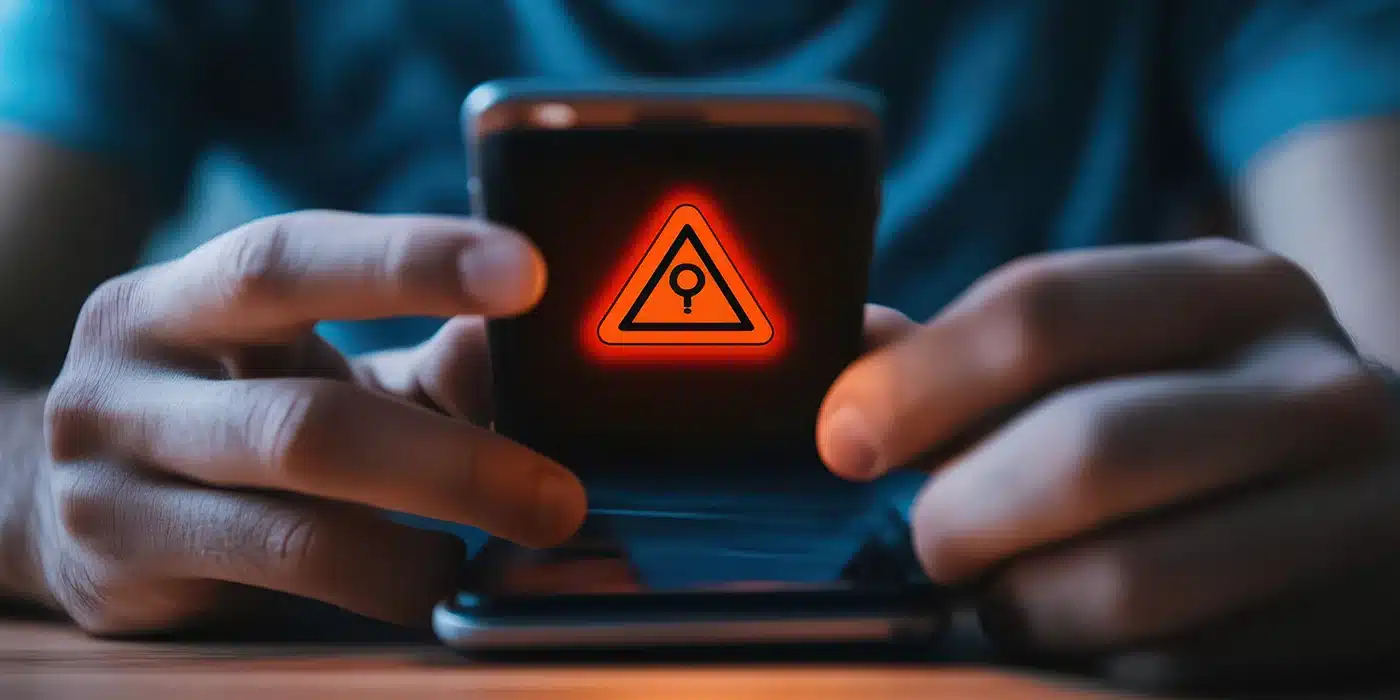
In a world where security is paramount, it’s easy to overlook the very items that surround you daily. You might think of security in terms of locks, alarms, and surveillance systems, but the truth is that many common household items can pose significant risks to your safety and privacy. Understanding these risks is the first step toward safeguarding yourself and your loved ones.
By recognizing how everyday items can compromise your security, you can take proactive measures to mitigate these threats. As you navigate through your home or workplace, consider the various objects that fill your space. From seemingly innocuous items like keys and mail to more complex devices like smart home technology, each has the potential to either enhance or undermine your security.
By becoming aware of these vulnerabilities, you empower yourself to make informed decisions that protect your personal information and physical safety. This article will delve into the common household items, personal belongings, and technological devices that can compromise your security, as well as provide strategies for minimizing these risks.
Key Takeaways
- Everyday items can compromise your security without you even realizing it.
- Common household items like spare keys and mail can put your security at risk.
- Personal items such as social media posts and personal documents can also compromise your security.
- Technology and devices like smart home systems and public Wi-Fi can pose security risks.
- Protect yourself by being aware of potential security risks and taking steps to minimize their impact.
Common household items that can compromise your security
You may not realize it, but many everyday household items can inadvertently expose you to security threats. For instance, your mailbox is a prime target for identity thieves. If you leave mail unattended or fail to secure it properly, sensitive information such as bank statements or credit card offers can be easily accessed by anyone passing by.
This simple oversight can lead to identity theft, which can have devastating consequences for your financial health and personal reputation. Another common item that can compromise your security is your spare key. Many people hide spare keys in predictable locations, such as under doormats or flower pots.
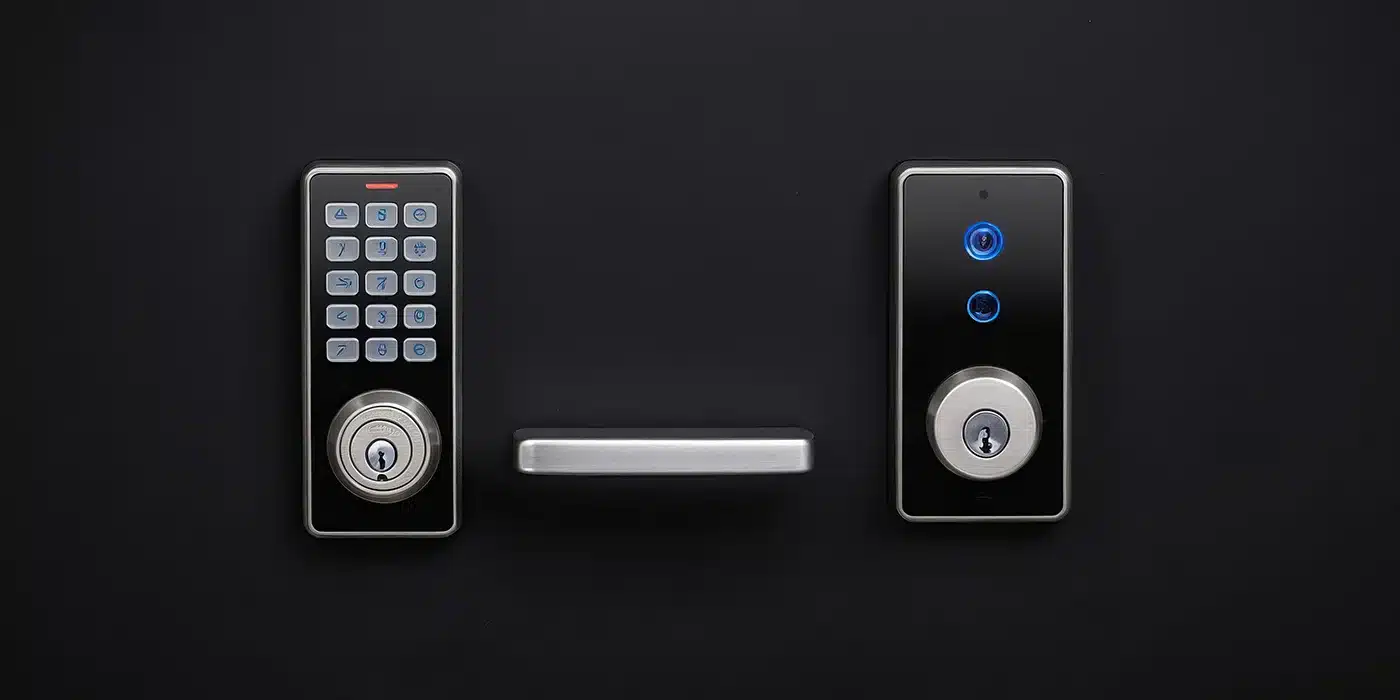
This practice makes it easy for intruders to gain access to your home without much effort. Instead of relying on traditional hiding spots, consider giving a trusted neighbor or friend a spare key or investing in a smart lock that allows you to grant access remotely. For immediate assistance during lockouts, rely on a trusted lockout service Manhattan to regain access quickly and securely. By rethinking how you manage access to your home, you can significantly enhance your security.
Personal items that put your security at risk
Your personal belongings also play a crucial role in your overall security. Items such as wallets, purses, and mobile phones are often filled with sensitive information that can be exploited if they fall into the wrong hands. For example, if you leave your wallet unattended in a public place or fail to secure it properly while traveling, you risk losing not only cash but also credit cards and identification documents.
This loss can lead to unauthorized transactions and identity theft, which can take months or even years to resolve. Additionally, consider the implications of social media on your personal security. Sharing details about your life online—such as vacation plans or new purchases—can inadvertently alert potential thieves that your home is unoccupied or that you possess valuable items.
It’s essential to be mindful of what you post and to adjust your privacy settings accordingly. By being cautious about the information you share, you can protect yourself from becoming an easy target for criminals.
Technology and devices that can compromise your security
In today’s digital age, technology plays a significant role in both enhancing and compromising your security. Smart home devices, such as cameras and voice assistants, offer convenience but can also create vulnerabilities if not properly secured. For instance, if you fail to change default passwords or neglect software updates, hackers may exploit these weaknesses to gain unauthorized access to your home network.
This could lead to not only privacy breaches but also physical security risks if intruders manipulate smart locks or alarms. Moreover, consider the implications of public Wi-Fi networks on your security. While convenient for browsing the internet on the go, these networks are often unsecured and can expose your personal information to cybercriminals.
If you connect to public Wi-Fi without using a virtual private network (VPN), sensitive data such as passwords and credit card information can be intercepted easily. To protect yourself while using public networks, always use a VPN and avoid accessing sensitive accounts until you’re on a secure connection.
Ways to protect yourself from these hidden dangers
To safeguard yourself from the hidden dangers posed by everyday items, it’s essential to adopt proactive measures. Start by conducting a thorough assessment of your home and personal belongings. Identify potential vulnerabilities and take steps to address them.
For example, invest in a secure mailbox or consider using a locking mailbox that requires a key for access. This simple change can significantly reduce the risk of mail theft and identity fraud. Additionally, consider implementing a routine for securing personal items when you’re out in public.
Always keep your wallet or purse close to you and avoid leaving valuables unattended in cars or public spaces. When it comes to technology, ensure that all devices are equipped with strong passwords and two-factor authentication whenever possible. Regularly update software and firmware on all devices to protect against known vulnerabilities.
By being vigilant and proactive, you can create a safer environment for yourself and those around you.
The importance of being aware of potential security risks

Empowering Yourself through Awareness
Awareness is key when it comes to protecting yourself from potential security risks. By understanding the various ways everyday items can compromise your safety, you empower yourself to make informed decisions about how you manage your belongings and technology. This awareness extends beyond just recognizing risks; it also involves staying informed about emerging threats and trends in security.
Spreading Awareness to Those Around You
Moreover, being aware of potential risks allows you to educate those around you—friends, family members, and colleagues—about the importance of security in everyday life. By fostering a culture of awareness and vigilance within your community, you contribute to a safer environment for everyone.
A Collective Responsibility
Remember that security is not just an individual responsibility; it’s a collective effort that requires everyone’s participation. By working together, we can create a safer and more secure world for everyone.
How to minimize the impact of everyday items on your security
Minimizing the impact of everyday items on your security involves adopting practical strategies that address vulnerabilities head-on. Start by decluttering your space and removing any unnecessary items that may pose a risk. For instance, dispose of old documents containing personal information securely by shredding them rather than tossing them in the trash.
This simple act can prevent identity theft by ensuring sensitive information doesn’t fall into the wrong hands. Additionally, consider implementing smart organizational practices for managing personal belongings. Use designated spots for important items like keys and wallets so that they are always secure and easy to find.
When it comes to technology, regularly review privacy settings on social media accounts and devices to ensure they align with your security preferences. By taking these proactive steps, you can significantly reduce the likelihood of everyday items compromising your safety.
Taking steps to improve your security in everyday life
In conclusion, understanding how everyday items can compromise your security is crucial in today’s world. By recognizing the risks associated with common household items, personal belongings, and technology, you empower yourself to take proactive measures that enhance your safety and privacy. From securing mailboxes to being mindful of what you share online, every small step counts toward creating a more secure environment.
As you move forward in your daily life, remember that awareness is key. Stay informed about potential risks and continuously assess your surroundings for vulnerabilities. By adopting practical strategies and fostering a culture of vigilance within your community, you contribute not only to your own safety but also to the well-being of those around you.
Ultimately, taking steps to improve your security in everyday life is an ongoing journey—one that requires commitment but pays off in peace of mind and protection against potential threats.
If you are concerned about the security of your home, you may want to consider getting your locks repaired by a professional locksmith. Locks that are not functioning properly can compromise the safety of your home and make it easier for intruders to gain access. In a related article, NYG Key discusses the importance of maintaining secure locks to protect your property. Additionally, if you ever find yourself locked out of your house, it is crucial to have a reliable locksmith on hand to help you regain entry. Check out Locksmith Chinatown for more information on their emergency lockout services. Remember, your residential doors are the first line of defense against potential threats, so it is essential to ensure they are secure.
FAQs
What are some everyday items that compromise security?
Some everyday items that compromise security include unsecured Wi-Fi networks, smart home devices, public USB charging stations, and social media.
How do unsecured Wi-Fi networks compromise security?
Unsecured Wi-Fi networks can compromise security by allowing unauthorized access to personal and sensitive information, such as passwords and financial data, through hacking and eavesdropping.
What are the security risks associated with smart home devices?
Smart home devices pose security risks such as hacking, unauthorized access to home networks, and potential privacy breaches through the collection and misuse of personal data.
How do public USB charging stations compromise security?
Public USB charging stations can compromise security by potentially exposing devices to malware and unauthorized data access when connected for charging.
In what ways does social media compromise security?
Social media compromises security by exposing personal information, location data, and daily routines to potential threats such as identity theft, stalking, and burglary.