
Install a Keyless Entry Door Lock: What to Check First
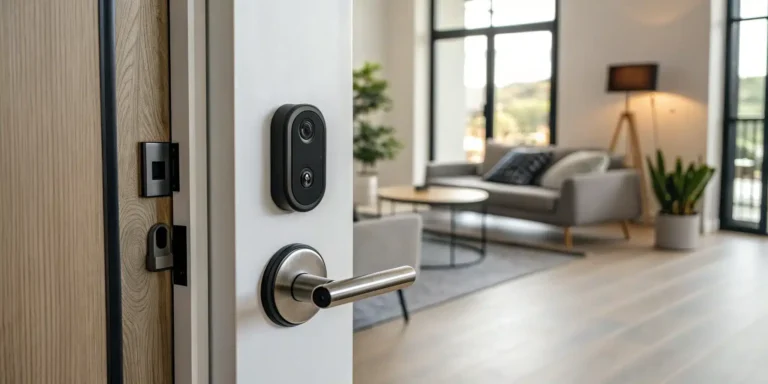
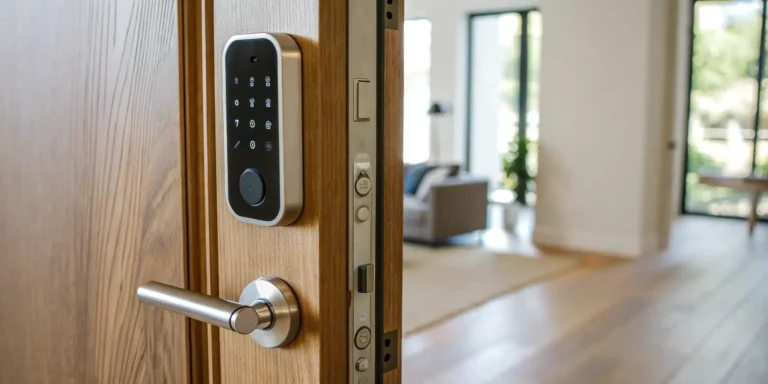
Keyless entry can make a door easier to manage. Instead of handing out keys, you can use a keypad, card, fob, mobile credential, or smart lock. For apartments, offices, rentals, and commercial spaces, that convenience can be valuable. But the hardware has to match the door and the security need.
A keyless lock that is poorly chosen or poorly installed can be less reliable than the lock it replaced. Before installing one, check the door, the users, the power requirements, and the backup plan.
Decide what keyless entry means for this door
For a single apartment or home, keyless entry may mean a smart deadbolt or keypad lock. For a business or multi-tenant building, it may mean a full access control system with audit trails, user permissions, and remote management.
The right solution depends on how many users need access, how often codes change, whether you need records of entry, and whether the door is part of a larger security plan.
Check the door and frame
The door must close smoothly before a keyless lock is installed. If the deadbolt rubs, the latch misses the strike, or the door needs to be lifted to lock, the new hardware will likely fail or drain batteries quickly.
Door thickness, backset, bore size, handing, and strike alignment all matter. Metal doors, storefront doors, and fire-rated doors may need commercial-grade hardware rather than a retail smart lock.
Consider power and backup access
Battery-powered smart locks need battery maintenance and a backup entry method. Wired access control devices need a proper power supply, protected wiring, and compatible controllers. Some systems also need backup power for outages.
Do not install a keyless system without deciding how authorized people enter if the battery dies, the network fails, or the power goes out.
Manage codes and users safely
Keyless entry is only secure if users are managed well. Shared codes should be avoided when possible. Former employees, vendors, tenants, or guests should be removed promptly. For businesses, individual credentials are better than one code used by everyone.
If you need scheduled access, audit trails, or multiple permission levels, a commercial access control system is usually better than a standalone keypad.
When access control is the better choice
A standalone keypad may be enough for one door with a small user list. For businesses, apartment buildings, and managed properties, access control is usually more practical because users can be added, removed, scheduled, and audited. If you expect staff turnover, vendors, cleaners, tenants, or multiple entry points, plan the system before choosing hardware for one door.
Professional installation
A locksmith can confirm whether your existing door can accept the hardware, install it cleanly, align the strike, and set up the access method. For commercial properties, installation may also need to coordinate with closers, panic hardware, intercoms, or electric strikes.
NYGKEY installs keyless locks and access control systems across NYC. Link this post to Access Control Systems, Smart Lock Installation NYC, and Lock Change Service.
FAQ
Is keyless entry safer than a regular lock?
It can be, but only if the hardware is strong, installed correctly, and managed properly. Convenience alone does not equal better security.
Can I install a keypad lock on any door?
No. Door thickness, backset, lock type, and alignment must be compatible. Commercial and fire-rated doors may require specific hardware.
What happens if the battery dies?
Most standalone locks have a backup method, but it varies by model. Plan for battery maintenance and emergency access before installation.