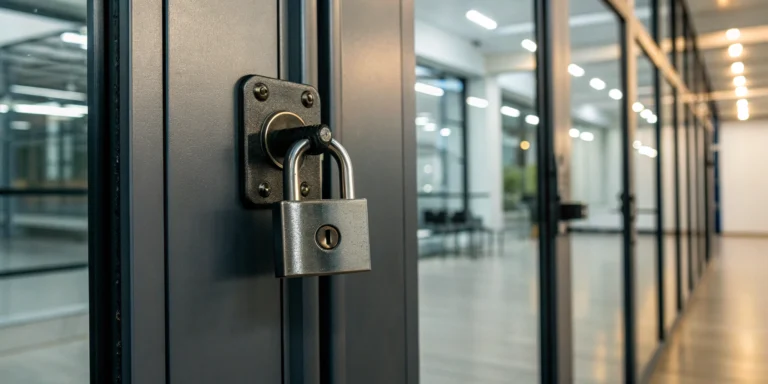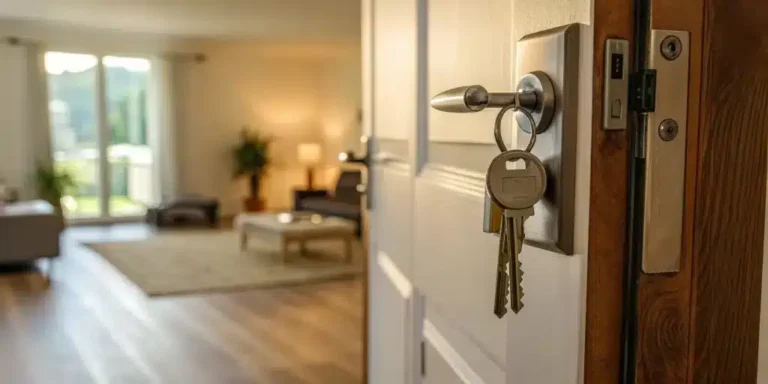
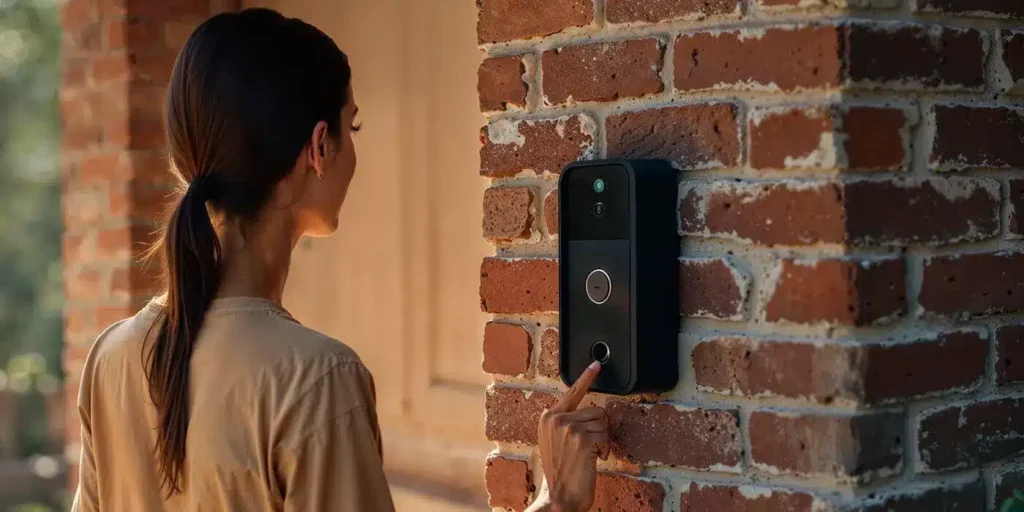
Keyless entry sounds great until you are standing outside your own door at 11 p.m. with a phone that died and a keypad that will not light up. These systems are genuinely useful in NYC apartments, brownstones, and small offices, but they are not a magic upgrade, and the wrong product in the wrong door creates more headaches than it solves. This guide walks through how keyless entry actually works, where it makes sense, where a traditional cylinder is still the better move, and what to look for before you buy.
Key Takeaways
- Keyless entry is about access control, not just convenience: The real value is being able to add, change, and revoke codes on demand instead of cutting or collecting physical keys.
- Your door and frame matter more than the brand: Even the smartest lock is only as secure as the deadbolt, strike plate, and frame it is mounted on.
- A professional install prevents most of the failure stories: Most lockouts and glitches trace back to a rushed DIY job, not a defect in the lock itself.
How Keyless Entry Actually Works
Keyless entry is an umbrella term for any lock that lets you open the door without a traditional cut key. In NYC homes and small businesses, you will run into four main types: PIN keypads, key fobs and RFID cards, Bluetooth or Wi-Fi smart locks that pair with a phone, and biometric locks that read a fingerprint. Under the surface, they all do the same thing: they replace the mechanical pins inside a cylinder with an electronic decision about whether the motor should throw the bolt.
Keypads and PIN Codes
A keypad lock is the simplest version and the one most NYC apartment owners start with. You punch in a code, the lock releases, and you are in. The best ones let you set multiple codes, so a cleaner, a dog walker, and a guest can each have their own number that you can delete later without affecting anyone else.
Smart Locks, Fobs, and Biometrics
Smart locks add a phone app, remote access, and an event log so you can see who unlocked the door and when. Fob and RFID systems are the standard for small offices and multi-unit buildings because the cards are cheap to reissue and easy to deactivate. Biometric locks read a fingerprint and are great for a main residence door where the same small group of people come and go every day.
The Real Pros and Cons
The sales pitch makes keyless entry sound flawless. The honest version is more balanced. Here is what actually matters day to day:
- No more lost keys, no more re-cutting copies for roommates, no more paying a locksmith at 2 a.m. because you left your keys in the office.
- Instant control. You can change a code in thirty seconds after a breakup, a tenant turnover, or a cleaner moving on.
- An access log tells you exactly when the door was opened, which is useful for Airbnb hosts, landlords, and small business owners.
- Batteries die. Phones die. Wi-Fi drops. A good lock warns you for weeks before it gives up, but cheap models fail quietly.
- Low-end smart locks have real security flaws. Shopping on price alone is how people end up on the news.
None of these are deal breakers, but they are the reason your choice of model and installer matters more than the brochure photo.
Choosing the Right System for Your Door
Before you pick a brand, match the lock to the door. An NYC apartment door with a mortise cylinder is a different install from a storefront aluminum door or a brownstone front door with a vintage deadbolt. The same smart lock that works beautifully on a suburban slab door may not even physically fit a co-op door.
For Apartments and Condos
Most co-op and condo boards have rules about what you can change on the hallway side of the door. A deadbolt-replacement smart lock that keeps the existing mortise cylinder on the outside is usually the path of least resistance, because the hallway view does not change. Check your building’s alteration agreement before you buy.
For Small Offices and Retail
Shops and offices should lean toward fob or keypad systems that support multiple users and an audit trail. If you are already thinking about adding cameras or remote monitoring, consider a full commercial locksmith consultation so the lock is part of a real access plan instead of an impulse buy from a big-box shelf.
For Brownstones and Townhouses
Owners of older Manhattan and Brooklyn townhouses often want the convenience of a smart lock without butchering a historic door. A skilled installer can usually pair a modern interior smart deadbolt with the existing exterior cylinder and hardware so the street-facing view stays intact.
Installation: DIY vs. Professional
A keypad deadbolt on a well-aligned residential door is a legitimate DIY job if you are comfortable with a screwdriver and a level. The manufacturer’s instructions genuinely cover most of it. Where people get in trouble is when the door is out of square, the strike plate is worn, or the existing mortise pocket does not match the new lock. In those cases, a forced install leaves the bolt dragging, the door out of alignment, and the whole system more likely to fail in the first cold snap.
If your door has ever stuck in humid weather, slammed hard enough to crack the jamb, or been kicked during a past break-in, get a locksmith to look at it before you mount new hardware. A few minutes with a chisel and a new strike plate is the difference between a lock that works for ten years and one that needs service every six months. Our Manhattan locksmith team handles keyless installs from Harlem down to the Financial District and can usually get it done in a single visit.
Using and Maintaining Your System
Once the lock is in, a few simple habits keep it reliable. Pick codes that are not obvious: no birthdays, no 1234, no address numbers. Give each regular user their own code so you can track usage and remove access cleanly when someone moves on. Swap the batteries on a schedule, not when the lock starts complaining, and keep a spare set in the junk drawer.
For smart locks, keep the app and firmware updated and turn on two-factor authentication on the account tied to the lock. If the lock is on Wi-Fi, put it on a network segment that is not shared with guest devices. And keep a mechanical backup plan: either a real key override, a hidden lockbox with a key, or a neighbor who can let you in. When the worst happens and you are stuck outside, a call to a local team that handles apartment lockouts in NYC will always beat standing in the hallway troubleshooting an app.
Security Considerations Worth Taking Seriously
The most common way a keyless lock gets beaten is not hacking. It is the door being kicked in around a cheap strike plate, or the cylinder on the override key being bumped because nobody upgraded it. Pair your keyless lock with a solid strike plate, three-inch screws into the framing, and, on higher-risk doors, a high-security lock cylinder for the mechanical backup.
On the digital side, stick with reputable brands, avoid off-brand products from unknown manufacturers, and never reuse your keypad code as a PIN for anything else. If the lock offers an auto-lock timer, turn it on. Most accidental break-ins are simply someone walking through a door that was never actually locked.
Final Thoughts
Keyless entry is the right call for a lot of NYC homes and businesses, but only when the lock, the door, and the install all match the job. Decide what you actually need from the system, pick a product that fits your door, and put it in the hands of someone who installs this hardware every day. Do those three things and you get the convenience everyone advertises, without the lockout stories nobody talks about.
Need professional help in NYC? Contact Golden Key Locksmith NYC for Manhattan Locksmith Services or Apartment Lockout Help. Available 24/7 across Manhattan and all NYC boroughs.