

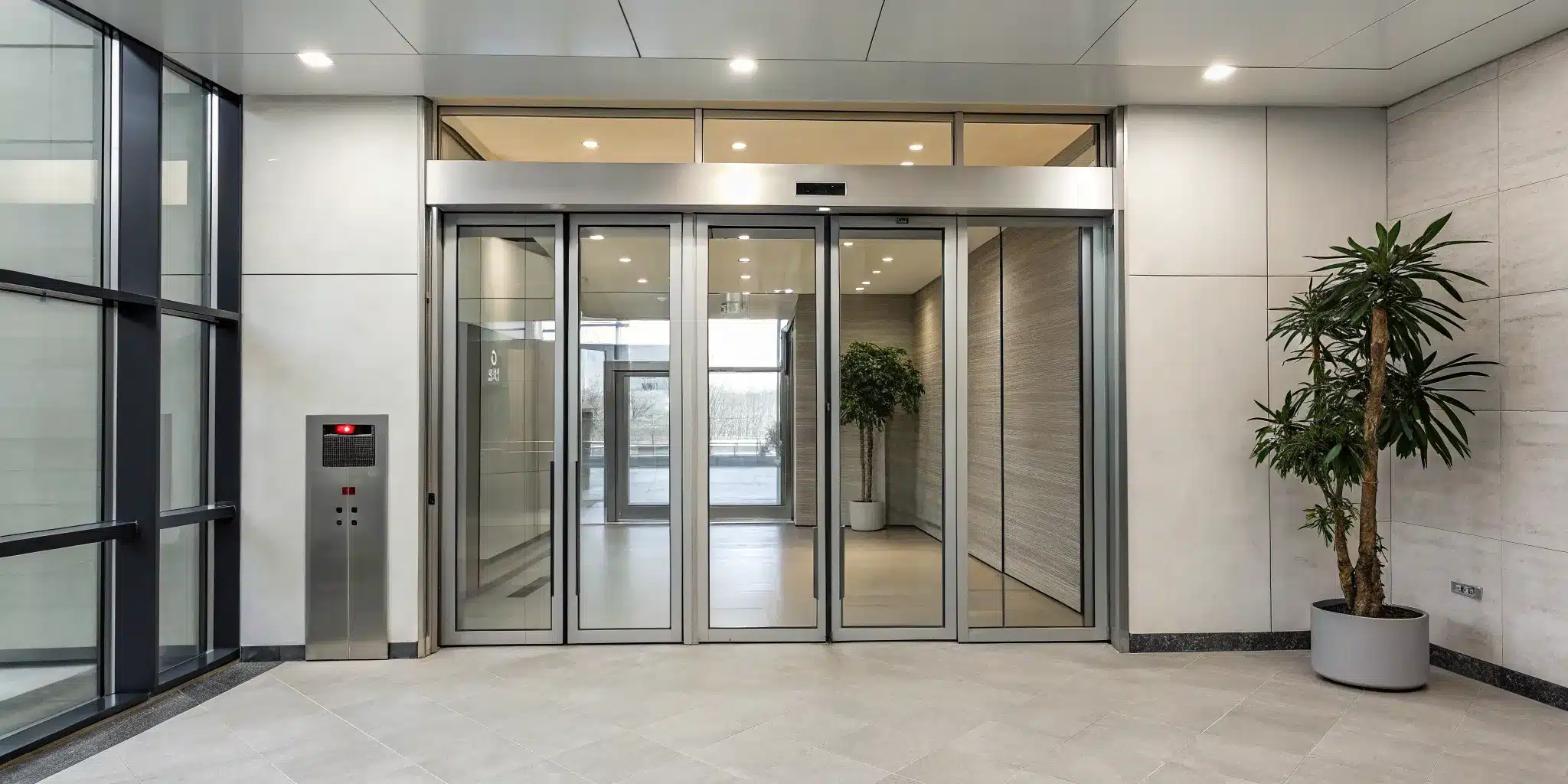
Creating a space that is truly welcoming for everyone starts right at the front door. For people using wheelchairs, pushing strollers, or simply carrying a heavy load, a standard door can be a significant obstacle. This is where technology can make a real impact. An automatic door closer with sensor removes that physical barrier, providing effortless, hands-free access for every single person. Beyond being a thoughtful convenience, installing one is a critical step in meeting ADA compliance and fostering an inclusive environment. This guide will walk you through the benefits, the different types of systems, and how to choose the perfect model to make your property accessible to all.
Key Takeaways
- Assess your door’s specific needs first: Before choosing a model, consider your door’s weight, size, and the amount of daily foot traffic it handles. This ensures you select a closer with the right power and durability for your space.
- Prioritize professional installation for safety and compliance: An automatic door closer involves electrical wiring and precise calibration. Hiring an expert guarantees the system meets ADA standards and local codes, preventing future safety hazards and operational issues.
- Look beyond convenience to see the full value: A sensor-equipped closer is a smart investment that improves accessibility, enhances building security by ensuring the door always latches, and can lower energy bills by maintaining climate control.
How Do Sensor-Activated Door Closers Work?
Have you ever walked up to a door and had it open for you like magic? That seamless experience is thanks to a sensor-activated door closer. These smart systems are designed to make buildings more accessible and convenient for everyone, from a parent pushing a stroller to a delivery person with their hands full. They are a common feature in commercial buildings, but they also offer incredible benefits for residential properties, especially for those with mobility challenges. The basic idea is straightforward: a sensor detects when someone or something approaches, sends a signal to the door operator, and the door opens or closes automatically.
This technology is a key component in many modern security systems that help manage the flow of people safely and efficiently. Instead of fumbling for keys or struggling with a heavy door, you get effortless entry. For business owners in busy areas like Manhattan or Brooklyn, this means a better customer experience and improved traffic flow. For homeowners, it adds a layer of modern convenience and can be a crucial accessibility upgrade. The system combines mechanical parts with smart technology to create a reliable and responsive entryway.
The Technology Behind the Sensor
At the heart of every automatic door is its sensor—the system’s eyes and ears. The sensor’s job is to constantly monitor a specific area around the doorway. When you enter this detection zone, the sensor picks up on the change in the environment. It could be your motion, your body heat, or even the pressure of your footsteps. Once it detects your presence, it instantly converts that information into an electrical signal. This signal travels to the door’s control mechanism, telling it to activate the motor and open the door. It’s a simple but brilliant process that makes hands-free entry possible.
A Breakdown of Sensor Types: PIR, Microwave, Infrared, and Pressure
Not all sensors work the same way, and different types are suited for different environments. Understanding the main options can help you figure out what might work best for your property.
- Passive Infrared (PIR) Sensors: These are very common and work by detecting body heat. When a person walks into the sensor’s range, the change in infrared energy triggers the door.
- Microwave Sensors: These sensors send out microwave pulses and monitor the reflection pattern. When you move through the area, you disturb the pattern, signaling the door to open.
- Active Infrared Sensors: These emit a focused beam of infrared light across the doorway. When an object or person breaks the beam, the door is activated.
- Pressure Sensors: These are weight-activated mats placed on the floor. When you step on the mat, the pressure tells the door to open.
The best sensor often depends on the building’s layout and foot traffic, which is why a professional door installation is so important for getting it right.
Choosing a Door Closer: Key Features to Look For
Picking the right automatic door closer involves more than just finding one that fits your door. You need to consider how it will function in your specific space, who will be using it, and what safety standards it needs to meet. From the type of sensor it uses to its power source, each feature plays a role in creating a seamless and secure entry for your home or business. Let’s walk through the key features to look for so you can make a confident choice.
Finding the Right Sensor Type and Detection Range
The sensor is the brain of your automatic door closer, telling it when to open. Different technologies work best for different situations. For example, overhead swing doors often use motion sensors with microwave technology because they are reliable and their detection range can be easily adjusted. This is important because you want the door to open for approaching people, not for someone just walking by on the sidewalk. An expert can help you select the right sensor and calibrate its range to match your entryway’s traffic flow, ensuring smooth operation without unnecessary openings.
Adjusting Speed and Force Controls
Have you ever had a heavy door slam shut behind you or a slow one that feels like it takes forever to close? Adjustable speed and force controls prevent these issues. These settings allow you to fine-tune how quickly the door closes and the amount of force it uses, which is crucial for safety and convenience. For a business, this ensures the door is accessible for everyone, including people with disabilities or those carrying items. Proper adjustment also reduces wear and tear on the door and the closer mechanism, extending the life of your door and security hardware.
Meeting Safety and Compliance Standards
For any business, safety and legal compliance are non-negotiable. Automatic door closers must meet specific standards, including those set by the Americans with Disabilities Act (ADA), to ensure they are safe and accessible for everyone. This involves more than just the closer itself; it includes necessary safety accessories and proper installation. Missing these details can lead to compliance issues and create potential hazards. Working with a professional ensures your installation meets all local building codes and national safety standards, giving you peace of mind.
Considering Power Options and Backup Systems
Most automatic door closers are hardwired into your building’s electrical system for consistent power. But what happens when the power goes out? It’s essential to consider a model with a backup power source, like a battery, or a manual override feature. This ensures your door remains functional and secure during an outage, preventing people from getting trapped inside or outside. For high-traffic commercial buildings, a reliable backup system is a critical feature that maintains both security and accessibility, no matter the circumstances. A professional can advise on the best backup options for your specific commercial locksmith needs.
Checking Installation and Door Compatibility
Not every automatic closer is compatible with every door. Factors like your door’s weight, size, and material, as well as the frame it’s set in, all play a role. An improper match can lead to installation challenges, such as misalignment or strain on the operator, which can cause the system to fail prematurely. Before you buy, it’s a good idea to have a professional assess your existing setup. This ensures you choose a compatible model and that the installation process is handled correctly from the start, preventing future headaches and repair costs.
Top Automatic Door Closer Brands for Your Business
Once you’ve decided to install an automatic door closer, the next step is choosing the right brand. The market is full of options, and the best one for your business depends on your specific needs, like foot traffic, door size, and budget. A high-traffic retail store in Manhattan will have different requirements than a small office in Queens. The key is to find a brand known for reliability, durability, and performance. Investing in a quality closer from a reputable manufacturer means fewer headaches, lower maintenance costs, and a safer environment for your employees and customers.
To help you get started, I’ve put together a list of some of the top brands in the industry. Each offers something a little different, from heavy-duty systems designed for constant use to models focused on accessibility and compliance. Think of this as your starting point for research. We’ll look at what makes each brand stand out so you can find the perfect match for your commercial space. Remember, the right hardware not only makes access easier but also reinforces your building’s security and efficiency.
Our Professional Installations at Golden Key Locksmith NYC
Choosing a brand is just one part of the equation; professional installation is what ensures your new door closer works perfectly from day one. At Golden Key Locksmith NYC, we have extensive experience with all the leading brands. Our team handles everything from helping you select the right model to ensuring it’s installed correctly and calibrated for your specific doorway. We provide expert door repair and installation services across Manhattan, Brooklyn, and Queens, making sure your system meets all safety and compliance standards. We’re here to give you a seamless experience and a reliable, long-lasting solution for your business.
A Look at ASSA ABLOY Commercial Systems
You’ve likely seen the name ASSA ABLOY on doors and locks without even realizing it—they are a global leader in access solutions. Their door closers and operators are engineered for superior performance, especially in demanding environments. If your business experiences high foot traffic or the doors are subject to heavy use, this brand is an excellent choice. ASSA ABLOY focuses on creating products that deliver precise opening and closing actions every time. Their systems are built to withstand the rigors of busy commercial spaces, making them a go-to for durability and reliability.
Exploring Norton Electromechanical Closers
Norton is another trusted name in the industry, particularly known for its high-performance electromechanical closers. Models like the Norton 6200 are highly rated for their smooth and consistent operation. These systems represent a more premium investment, but their advanced features and robust construction offer incredible value for businesses that need top-tier performance. Norton automatic door openers are ideal for settings where precise control and automation are critical, such as healthcare facilities, retail centers, and modern office buildings. They combine the mechanics of a traditional closer with smart, electronic control.
Understanding Global Door Controls ADA Models
If accessibility is your top priority, Global Door Controls is a brand worth looking into. They offer excellent ADA-compliant solutions that are both reliable and affordable. Their light-duty automatic door closers are consistently among the best-rated products in their category, making them a popular choice for businesses looking to improve access for everyone. These models ensure your entrances are welcoming and easy to use for people with disabilities, helping you meet legal requirements while creating a more inclusive environment for your customers and staff.
Reviewing Door Closers USA Solutions
For business owners who need a straightforward, dependable solution, Door Closers USA offers a range of products designed for commercial security and ease of use. Their closers are built to be durable and provide a reliable way to secure your space without overcomplicating things. A commercial door closer from this brand is a solid choice for standard commercial applications where you need a workhorse that gets the job done right. They focus on the essentials: securing your property, controlling door movement, and standing up to daily wear and tear.
How Much Do Automatic Door Closers Cost?
Figuring out the budget for an automatic door closer isn’t as simple as picking one off a shelf. The price can swing dramatically based on what you need it to do and where you plan to install it. A simple closer for a home office will have a very different price tag than a heavy-duty system for a bustling storefront in Manhattan. The main factors that influence cost are the closer’s durability, the technology inside, and whether it’s built for residential or commercial use.
Think of it like this: a basic model ensures the door shuts, while a more advanced system manages traffic flow, improves accessibility, and integrates with your security. As you move up in price, you’ll find features like adjustable speeds, motion sensors, and the ability to handle heavy, high-traffic doors. We’ll break down the typical price ranges so you can get a clearer picture of the investment required for your specific needs, from simple, budget-friendly options to robust, premium systems designed for the busiest commercial spaces.
Entry-Level Options: Under $200
If you’re looking for a solution for a low-traffic area like a home office or a small stockroom, you can find entry-level automatic door closers for under $200. These are often simple, surface-mounted devices designed for lighter doors. For example, you can find basic punch-free sensor closers online that are easy to install and handle the fundamental job of pulling a door shut. While they are affordable, they generally lack the durability and advanced features needed for a commercial entrance. They can be a great starting point for residential or light-use applications where the demands are minimal.
Commercial-Grade Models: $200-$500
For most businesses, the sweet spot for automatic door closers falls between $200 and $500. These commercial-grade models are built to withstand the daily wear and tear of a public entrance. They offer greater durability, more reliable performance, and better control over closing speed and force than their residential counterparts. While this range covers many standard applications, some advanced electromechanical systems can cost significantly more due to specialized features. For any business, investing in a quality closer is a key part of maintaining a safe and professional entryway, a core focus of our commercial locksmith services.
Premium Electromechanical Systems: $500+
When you need top-tier performance for high-traffic areas like hospitals, retail centers, or busy office buildings, you’ll be looking at premium electromechanical systems. These start at $500 and can go well into the thousands. These closers are the workhorses of the industry, offering advanced features like push-and-go activation, power assist, and seamless integration with security systems. They are engineered for maximum durability and are essential for meeting strict ADA compliance in demanding environments. The higher price reflects their robust construction, sophisticated technology, and ability to handle hundreds or even thousands of cycles per day without fail.
What Features Increase the Price?
The jump in price between a basic and a premium door closer comes down to the technology packed inside. Features like smart controls, which allow for remote adjustments, will add to the cost. The type and sensitivity of the sensor—whether it’s microwave, infrared, or pressure-activated—also play a big role. More sophisticated models include adjustable backcheck, which cushions the door when it’s opened forcefully, and delayed action, which keeps the door open longer for people with carts or wheelchairs. Essentially, you’re paying for enhanced safety, convenience, and the ability to fine-tune the door’s operation to your exact needs.
Factoring in Installation and Maintenance
The price of the door closer itself is just one piece of the puzzle. Professional installation is crucial for ensuring the unit functions safely, meets building codes, and doesn’t cause damage to your door or frame. The total cost will also include labor, which can vary based on the complexity of the installation and any necessary electrical work. Don’t forget to plan for long-term maintenance. Like any mechanical device, automatic door closers need regular check-ups to keep them running smoothly. Proper door repair and installation from the start can save you from costly fixes down the road.
The Benefits of Upgrading to a Sensor-Equipped Door Closer
Thinking about upgrading your door closer? A sensor-equipped model is more than just a modern convenience—it’s a smart investment for your business or building. These systems offer a range of benefits that go far beyond a simple hands-free entry, touching on everything from accessibility and security to your bottom line. Let’s look at why making the switch is one of the best decisions you can make for your property.
Improve Accessibility and Meet ADA Compliance
First and foremost, an automatic door closer makes your space welcoming to everyone. For people using wheelchairs, walkers, or pushing strollers, a hands-free entrance isn’t just a convenience; it’s a necessity. These systems enhance accessibility for individuals with disabilities, ensuring your building is compliant with the Americans with Disabilities Act (ADA). By providing easy, barrier-free access, you show that you care about every person who walks through your doors. This simple upgrade can make a world of difference in creating an inclusive environment and helps you avoid potential fines for non-compliance, making it a win-win for your business and your community.
Save Energy and Control Your Climate
We all know how unpredictable NYC weather can be—sweltering summers and freezing winters. An automatic door closer helps you maintain a comfortable indoor climate. Because they are equipped with sensors, these systems only open when someone is passing through and close securely behind them. This prevents your heated or cooled air from escaping, which means your HVAC system doesn’t have to work overtime. This simple function prevents unnecessary energy loss and can lead to a noticeable reduction in your utility bills. It’s an eco-friendly choice that also keeps your wallet happy, making our door repair and installation services a smart investment in efficiency.
Increase Security and Fire Safety
An automatic door closer is like having a silent security guard on duty 24/7. It ensures your door latches securely every single time someone enters or leaves, eliminating the risk of a door being accidentally left ajar. This simple function significantly enhances the security of your building, preventing unauthorized access. In an emergency, these closers play a critical role in fire safety. When integrated with your fire alarm system, they can automatically close doors to contain smoke and flames, slowing their spread and giving people more time to evacuate safely. It’s a crucial component of a comprehensive security system that protects both people and property.
Reduce Long-Term Maintenance and Operational Costs
While there’s an upfront cost, a sensor-equipped door closer is an investment that pays for itself over time. By controlling the door’s movement, it prevents it from slamming shut or being flung open, which reduces wear and tear on the door, frame, and locking mechanisms. This means fewer service calls and a longer lifespan for your hardware. When you combine these maintenance savings with the lower utility costs from better climate control, the financial benefits become clear. Upgrading is a strategic move for any commercial locksmith client looking to manage operational expenses and get the best long-term value from their property’s infrastructure.
The Installation Process: What to Expect
Once you’ve chosen the right automatic door closer, the next step is getting it installed. Proper installation is the key to making sure your new system works safely and reliably for years to come. While it might seem straightforward, there are a few critical steps that can make or break the performance of your door closer. From wiring to sensor placement, getting it right the first time saves you headaches down the road. Let’s walk through what the process looks like so you know exactly what to expect.
Should You Hire a Pro or DIY?
While a DIY project can be tempting, installing an automatic door closer is more complex than it looks. These systems involve electrical wiring, precise mechanical adjustments, and safety sensor calibration. A small mistake can lead to big problems, like a door that sticks, operates too slowly, or fails to open at all. Hiring a professional ensures the job is done correctly and safely. A trained technician can handle any unexpected challenges and make sure your door installation meets all functional and safety standards, giving you peace of mind that your investment is protected and your patrons are safe.
Understanding the Electrical Requirements
Automatic door closers need a consistent and adequate power supply to function correctly. One of the most common installation challenges is an inadequate power source, which can cause the system to perform poorly or fail completely. Before installation, a professional will assess your building’s electrical setup to ensure it can support the new hardware. This involves checking for the correct voltage and ensuring the wiring is secure and up to code. For battery-powered or hybrid models, it means making sure the backup systems are properly configured to take over seamlessly during a power outage.
Placing and Calibrating the Sensor
The placement of the sensor is everything. If it’s not positioned and calibrated perfectly, the door won’t work as it should. Common installation mistakes like incorrect sensor placement can cause the door to open when no one is there or, more dangerously, fail to detect a person in its path. A professional installer will determine the optimal location for the sensor based on your entrance’s layout and foot traffic patterns. They will then carefully calibrate its detection range and sensitivity to ensure it responds accurately, preventing erratic behavior and ensuring smooth, safe operation for everyone who comes through your door.
Complying with Local Building Codes
In a place like New York City, building codes are strict and non-negotiable, especially when it comes to accessibility and public safety. Automatic doors must comply with regulations like the Americans with Disabilities Act (ADA) as well as local fire and safety codes. A professional installer is familiar with these requirements and ensures your door closer is fully compliant from day one. This protects you from potential fines and liability issues and confirms that your entrance is safe and accessible for all customers and employees. It’s a crucial step that guarantees your upgrade is a true asset, not a risk.
Troubleshooting Common Automatic Door Closer Issues
Even the best automatic door closers can act up occasionally. When your sensor-equipped door starts behaving strangely—opening when it shouldn’t or not opening at all—a few common issues are usually to blame. Before you panic, running through a quick troubleshooting checklist can often identify the problem. From sensor glitches to simple mechanical wear, many fixes are straightforward. Here’s how you can diagnose and address the most frequent problems.
Fixing Sensor Detection and Calibration Glitches
If your door isn’t responding correctly, the sensor is the first place to look. Often, the issue is as simple as a blocked or dirty lens. Check for things like cobwebs, dust, or debris that might be obstructing the sensor’s view. A gentle wipe with a soft, dry cloth can make a world of difference. Also, make sure that new decorations, signs, or furniture aren’t in the sensor’s path. Misalignment is another common culprit. If the sensor has been bumped, it might not be pointing at the correct detection zone. While a simple cleaning is an easy DIY fix, recalibrating a sensor can be tricky. If the problem persists, it’s best to call a professional for a door repair and installation service.
Solving Power Supply and Battery Problems
An inconsistent power supply can cause your automatic door to act erratically, leading to unexpected openings or failures to operate. If your unit is hardwired, start by checking the circuit breaker to ensure it hasn’t been tripped. For battery-operated models, the solution is often as simple as replacing the batteries with a fresh set. An inadequate power source is a frequent cause of malfunction, so ensuring your closer has a steady and sufficient supply of electricity is essential for its performance. If you suspect faulty wiring or a more complex electrical issue, it’s crucial to contact a professional to avoid safety risks and ensure your property remains secure.
Dealing with Environmental Interference
Have you noticed your door opening randomly on a sunny day or during a storm? Environmental factors can sometimes interfere with your door’s sensor. Strong sunlight, reflections from wet pavement, heavy rain, or even wind-blown debris can trigger a false detection, causing the door to open unnecessarily. Most sensors have adjustable sensitivity settings that can be fine-tuned to ignore these minor interferences. You can often find instructions for this in your user manual. However, if adjusting the sensitivity doesn’t solve the problem, there might be a deeper issue with the sensor placement or type. Our commercial locksmith team can help assess your entrance and recommend a better solution.
Addressing Mechanical Wear and Tear
Beyond the electronics, an automatic door closer is a mechanical system that works hard every day. Over time, parts can wear out. Listen for unusual sounds like grinding, squeaking, or clicking, as these often signal mechanical distress. Check that the door is properly aligned within its frame and that all mounting hardware is tight. Improper alignment or an incompatible door can put extra strain on the closing mechanism, leading to premature failure. Regular inspections can catch these issues early, but if you notice significant wear or damage, a professional door repair is the safest way to get your door working smoothly again and prevent more costly damage.
Making the Final Choice: Which Door Closer Is Right for You?
You’ve explored the technology, weighed the benefits, and reviewed the top brands. Now it’s time to bring it all together and select the perfect automatic door closer for your space. Making the right choice comes down to a few key factors that are unique to your property. Think of this as your final checklist before you commit.
First, you need to look closely at the door itself—its size, weight, and how often it’s used. Next, consider the environment where the door is located, as this will influence the type of sensor you need and where it should be placed. You also have to think about how the new closer will work with your current security setup. A seamless integration is crucial for a truly effective system. Finally, you’ll want to plan your budget to ensure you’re getting the best long-term value, not just the lowest upfront price. By carefully considering these four areas, you can confidently choose a door closer that meets your needs for years to come.
Assess Your Door’s Specs and Foot Traffic
Not all door closers are created equal, and they certainly aren’t one-size-fits-all. The first step is to evaluate the door you’re outfitting. Is it a heavy, solid wood door or a lighter glass and aluminum one? The weight and size of your door will determine the strength or “power size” of the closer required to control it effectively. An underpowered closer will struggle to shut a heavy door, while an overpowered one can make a light door difficult to open. You also need to consider foot traffic. A high-traffic entrance at a commercial building in Queens requires a durable, commercial-grade closer built for constant use, unlike a residential door that sees less action.
Consider Your Building’s Environment and Sensor Placement
Where your door is located plays a huge role in choosing the right sensor. An exterior door exposed to rain, snow, and direct sunlight needs a more robust and weatherproof sensor than an interior office door. The surrounding space also matters. A sensor in a narrow hallway needs a focused detection area to avoid accidentally triggering the door every time someone walks by. Proper sensor placement is critical; installing it incorrectly is a common mistake that can cause the door to open unexpectedly or fail to detect someone approaching. A professional can help you find the perfect spot to ensure reliable and safe operation for your door repair and installation.
Integrate with Your Existing Access Control System
Your automatic door closer shouldn’t be an island. It needs to work in harmony with your building’s overall security plan. If you already have a key card reader, intercom, or electric strike, your new closer must be compatible with that system. For example, you’ll want the door to unlatch via the access control system and then be opened by the automatic operator. For doors that are primarily used as automatic entrances, an electro-mechanical operator is often the best choice as it’s designed for this kind of integrated use. Planning for this integration ensures your access control systems remain effective and user-friendly.
Plan Your Budget for the Best Return on Investment
While it’s tempting to go for the cheapest option, it’s better to view your door closer as a long-term investment. A high-quality, ANSI-grade commercial closer might cost more upfront, but its durability and performance will save you money on future repairs and replacements. These systems also contribute to energy savings by ensuring your door closes properly every time, keeping your heated or cooled air inside. Think about the total value: improved accessibility, enhanced security, and lower operational costs. By planning your budget around performance and durability, you’ll get a much better return on your investment and a system you can rely on.
How to Properly Maintain Your Automatic Door Closer
Once your automatic door closer is installed, a little routine care will go a long way in keeping it running smoothly and safely for years. Think of it like any other piece of important equipment in your building—regular maintenance prevents small quirks from turning into costly repairs or safety hazards. You don’t need to be a technical expert to handle the basics. By setting up a simple schedule for inspections and knowing when to call in a professional, you can protect your investment and ensure your doors remain accessible and secure for everyone who uses them.
A Simple Schedule for Regular Inspections and Cleaning
Set a reminder to check on your door closer about once every three months. During your inspection, watch the door open and close a few times. Does it move smoothly? Does it latch securely without slamming? Check the closer’s housing and arm for any visible signs of wear, damage, or leaks. You’ll also want to clear away any dirt or debris that has built up on the unit or its components. A quick wipe-down with a damp cloth is usually all it takes to keep things clean and prevent grime from interfering with the closer’s performance.
When to Monitor and Replace Batteries
If your automatic door closer uses a sensor, its batteries are the key to its reliability. It’s a good practice to check the batteries every six months and plan on replacing them at least once a year, even if they haven’t died yet. This simple step can prevent a lot of headaches. When batteries run low, the sensor can become unreliable, causing the door to fail to open or close correctly. Scheduling a battery replacement annually is an easy way to ensure consistent, hands-free operation and avoid unexpected malfunctions that could inconvenience your visitors or staff.
Knowing When to Call for Professional Service
While basic cleaning and inspection are great DIY tasks, some issues require an expert eye. If you notice the door isn’t closing properly, is making grinding or squeaking noises, or if you see any fluid leaking from the closer unit, it’s time to call for professional help. These are often signs of internal wear or a loss of hydraulic pressure that can’t be fixed with a simple adjustment. Our team at Golden Key Locksmith NYC provides expert door repair and installation services to diagnose and resolve these problems, ensuring your door closer is safe and compliant.
Best Practices for Preventive Maintenance
To get the most out of your automatic door closer, it helps to follow a few best practices. First, keep the area around the door clear of obstructions that could block its path and cause damage. Second, consider keeping a simple log of when you perform inspections, clean the unit, or change the batteries. This record can be incredibly helpful for tracking the closer’s condition over time. Finally, if your closer has adjustable settings, avoid making changes unless you know what you’re doing. Incorrectly adjusting the speed or force can lead to safety issues and violate ADA compliance standards.
Related Articles
- What Is A Door Open Sensor? A Complete Guide
- A Guide To Commercial Glass Door Installation
- How To Choose The Right Commercial Door Push Bar
- How To Install A Push Bar Door Lock Mechanism
- Step-by-Step Push Bar Door Lock Mechanism Replacement
Frequently Asked Questions
Can an automatic closer be installed on my current door? In most cases, yes. The majority of commercial and residential doors can be retrofitted with an automatic closer. The key is ensuring the closer you choose is compatible with your door’s weight, size, and material. A heavy, solid wood door needs a much stronger operator than a lightweight aluminum and glass one. A professional assessment is the best way to confirm compatibility and make sure your door frame is in good condition to support the new hardware.
What happens if the power goes out? Will I be locked in or out? This is a great question and a common concern. You won’t be trapped. Quality automatic door closers are designed with power outages in mind. Most models have a manual override, allowing the door to function like a traditional door that you can push or pull open. Many systems also come with a battery backup that kicks in automatically, ensuring the door continues to operate for a period of time until power is restored.
Are these systems safe for a business with lots of foot traffic, including children? Absolutely. Safety is a primary feature of modern automatic door closers. They come with adjustable speed and force controls, so we can set the door to close gently and slowly, preventing it from slamming. The sensors are also calibrated to detect people in the doorway, which keeps the door from closing on someone. These features are essential for meeting ADA standards and creating a safe environment for every customer.
How do I know which sensor type is right for my entrance? Choosing the right sensor depends entirely on your environment. For a busy storefront with people constantly walking in and out, a microwave sensor that detects motion is often a great choice. For an area where you need a more defined activation zone, an active infrared sensor that creates an invisible beam might be better. The best approach is to have a professional evaluate your entryway’s layout and traffic patterns to recommend the most reliable option for your specific needs.
How much maintenance do these systems actually require? They are surprisingly low-maintenance, but they aren’t “set it and forget it.” A simple routine of checking them every few months for smooth operation and cleaning the sensor lens is a great start. If your model has batteries, plan to replace them annually to avoid any surprise failures. If you ever hear strange noises like grinding or see any fluid leaks, that’s your cue to call a professional for a service check to keep it running safely.
Need professional help in NYC? Contact Golden Key Locksmith NYC for Commercial Door Services or Metal Door Installation. Available 24/7 across Manhattan and all NYC boroughs.