

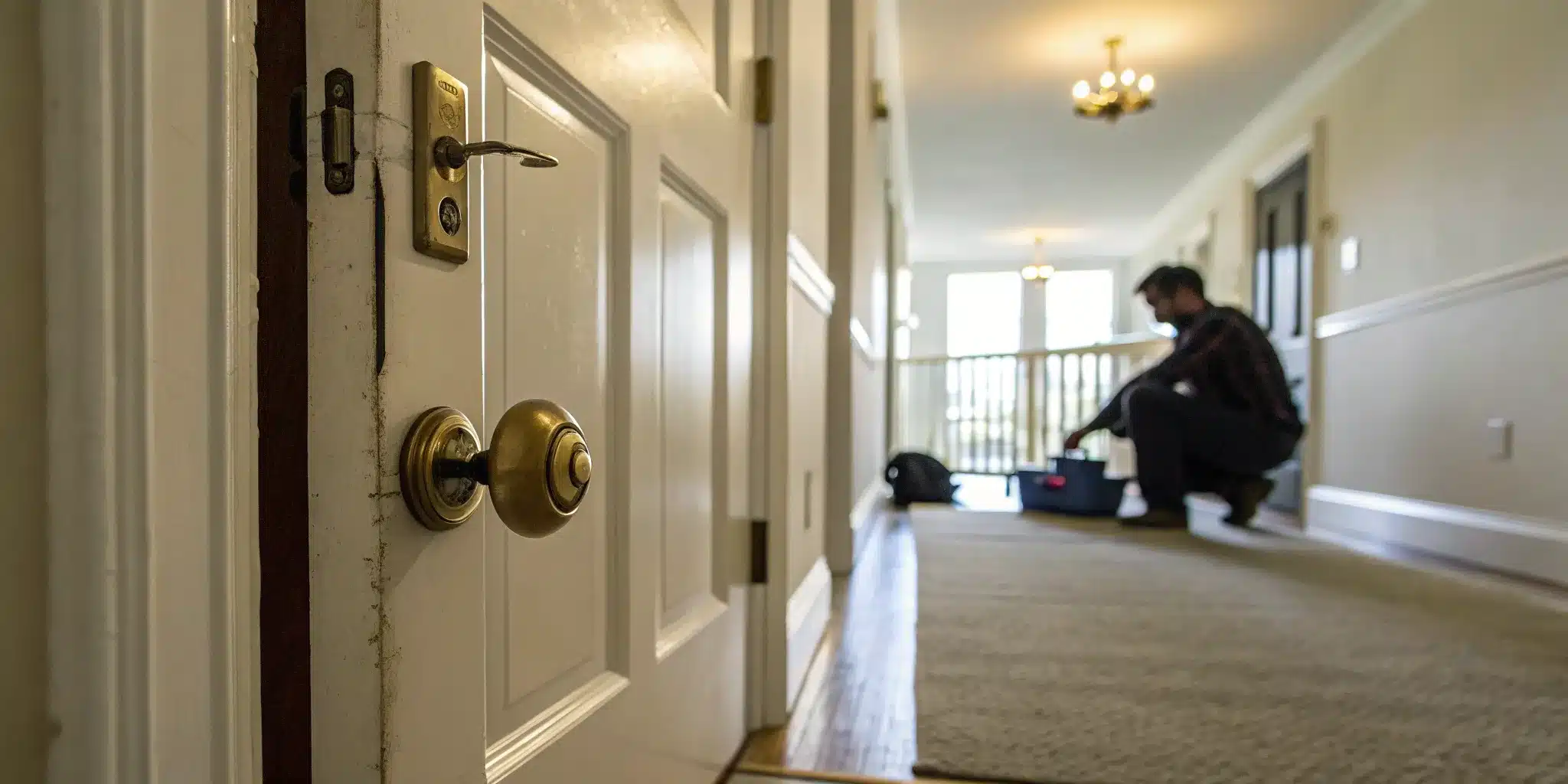
While we’re experts at resolving lockouts, we’d honestly prefer you never have to experience one. The stress, the unexpected cost, and the disruption to your day are things everyone wants to avoid. That’s why being prepared is your best defense. This guide is about more than just what to do in the moment; it’s about creating a smart system to prevent future apartment lockouts altogether. We’ll cover simple strategies like creating a reliable spare key network and exploring modern keyless entry options. Think of this as your complete playbook for lockout prevention, giving you the peace of mind that comes from knowing you have a backup plan for your backup plan.
Key Takeaways
- Follow a step-by-step plan when locked out: Before you panic, run through your simplest options first—check for spare keys with trusted friends or neighbors, and then contact your landlord or property manager.
- Prevent future lockouts with a smart strategy: Create a reliable spare key system with a trusted contact, build a good relationship with a neighbor, and consider talking to your landlord about upgrading to a keyless smart lock.
- A professional locksmith is your safest solution: If your landlord can’t help, never try to force your way in. Calling a 24/7 emergency locksmith is the most reliable and damage-free way to get back inside your apartment.
Locked Out of Your Apartment? Here’s What to Do First
That sinking feeling when you hear the click of the door closing behind you, only to realize your keys are still inside, is something no New Yorker wants to experience. But it happens. Before you start to panic, know that you have options. The key is to work through them calmly and logically. Taking a moment to think clearly can save you time, money, and a whole lot of stress. Follow these steps in order to get back inside your apartment safely and efficiently.
Stay Calm and Assess the Situation
First things first: take a deep breath. Panicking will only make the situation feel worse and can cloud your judgment. It’s a frustrating and stressful moment, but you will get back inside. Take a minute to pause and think through your next steps. Do you have your phone? Is it charged? Where were you headed? Assessing your immediate situation helps you move from a state of panic to one of problem-solving. A clear head is your most valuable tool right now, allowing you to remember potential solutions you might otherwise overlook in a rush of anxiety.
Safely Check for Open Windows or Doors
Before making any calls, do a quick, safe check of your apartment’s entry points. Is there a patio door you might have left unlocked? A first-floor window that’s cracked open? Be extremely careful here—your safety is the top priority. Never try to climb balconies or force entry in a way that could cause injury or damage. This is simply a quick check for an easy, overlooked solution. If you don’t find an obvious and safe way in, it’s time to move on to the next step instead of attempting anything risky.
Check with Trusted Contacts for a Spare Key
Now, think about who might have a spare key. Have you ever given one to a trusted friend, family member, or neighbor for emergencies? What about a partner, roommate, or even a dog walker? If so, a quick phone call could be your fastest way back inside. Run through your list of trusted contacts who live or work nearby. This is often the simplest and cheapest solution, so it’s worth taking a few minutes to reach out to anyone who might be able to help you out before you explore other options.
Call Your Landlord or Property Manager
If you don’t have a spare key with a friend, your next call should be to your landlord, super, or property management office. They almost always have a master key or a copy of your key on file for maintenance and emergencies. Be prepared to show your ID to prove you’re the tenant. It’s also a good idea to check your lease agreement, as some landlords may charge a fee for lockout assistance, especially if it’s after business hours. This is a very common solution for renters, so don’t hesitate to reach out to them for help.
Call a Professional Locksmith
When all else fails—your landlord is unavailable, and no one has a spare key—it’s time to call a professional. A reliable locksmith can get you back inside quickly and without damaging your property. For those in Manhattan, Brooklyn, or Queens, a 24/7 emergency locksmith service is your best bet, especially if you’re locked out late at night or on a weekend. Professional locksmiths have the tools and expertise to handle any type of lock. They are trained to provide access efficiently, making them a dependable solution when you’re in a bind and need to get back into your home.
Have Your ID and Proof of Residency Ready
Whether you call your landlord or a locksmith, be prepared to verify your identity and prove you live in the apartment. This is a crucial security measure that protects you and your property from unauthorized access. A reputable locksmith will always ask for proof of residency, such as a driver’s license with your current address or a piece of mail along with your photo ID. Having these items ready will make the process much smoother and faster. It’s a sign of professionalism and ensures that the person helping you is following proper security protocols for your residential locksmith needs.
Know Your Rights as a Tenant During a Lockout
Getting locked out is stressful enough without worrying about a conflict with your landlord. But what happens if your landlord is the one who changed the locks? It’s a scary thought, but knowing your rights is the first step to resolving the situation. In New York City, tenants have strong protections against being unlawfully forced out of their homes. An “illegal lockout” occurs when your landlord tries to evict you by changing the locks, removing your belongings, or shutting off utilities instead of going through the proper legal channels. Understanding the rules can help you stay calm and take the right actions if you ever find yourself in this difficult position.
What Are Your Local Tenant Protection Laws?
As a tenant in NYC, you are protected by specific laws that prevent landlords from taking matters into their own hands. These regulations are designed to ensure that any eviction process is handled formally through the court system, not by a surprise lock change. According to NYC’s tenant protection laws, it is illegal for a building owner to lock you out of your apartment without a court order. This means your landlord can’t just decide you have to leave and bar your entry. These rules exist to protect your right to stable housing and due process, ensuring you have a fair chance to respond to any issues before being displaced.
What Landlords Can’t Legally Do
Even if you’ve had a disagreement or are behind on rent, your landlord is not allowed to force you out. This is often called a “self-help eviction,” and it is illegal. Prohibited actions include changing the locks on your doors, using a boot or chain to block your entry, or removing the front door to your apartment entirely. They also cannot legally remove your belongings from the apartment or shut off essential services like water or electricity to make you leave. If you find yourself in this situation, it’s considered an emergency, and you should call an emergency locksmith to help you document the situation and regain access if legally permissible.
When Can a Landlord Legally Lock You Out?
A landlord can never legally lock you out on their own authority. The only scenario in which a legal lockout can occur is after your landlord has gone through the entire formal eviction process. This involves taking you to housing court, winning the case, and obtaining a court order called a “warrant of eviction.” Even then, your landlord can’t be the one to physically remove you or change the locks. Only a city marshal or sheriff is legally authorized to execute the warrant and oversee your removal from the property. This process takes time and gives you multiple opportunities to appear in court and defend yourself.
Common Myths About Tenant Lockout Rights
It’s easy to be misled by what’s written in a lease or what a landlord tells you. A common myth is that if your lease says management won’t help with lockouts or will charge a fee, you have no other options. However, a clause in a lease does not override the law. If a part of your lease violates your legal rights as a tenant, it is generally considered void. Another dangerous myth is that a landlord can change the locks as soon as you miss a rent payment. This is false. Your landlord must always follow the legal eviction process through the courts, regardless of your payment status.
How to Document an Illegal Lockout
If you suspect you’ve been illegally locked out, documentation is your best friend. Strong evidence will be crucial if you need to take legal action or involve the authorities. Start by keeping a clear record of everything that happens.
- Take clear photos or videos of the new lock or any notice posted on your door.
- Write down the date and time you discovered the lockout.
- Keep a log of all communication with your landlord, including texts, emails, and notes from phone calls.
- Gather proof that you live there, such as a copy of your lease, recent utility bills, or your driver’s license with the address.
Your Legal Options for an Unlawful Lockout
An illegal lockout is a serious offense, and you have legal recourse. Your first step should be to call the police and report that your landlord has illegally locked you out. You can also file an illegal lockout case in housing court to be restored to your apartment. Organizations like The Legal Aid Society or local tenant unions can offer guidance and support. If you take your landlord to court and win, they may be required to pay for your legal fees and other damages, such as the cost of a hotel room. Knowing you have these options can provide a clear path forward during a very challenging time.
How to Prevent Future Apartment Lockouts
Getting locked out is a frustrating, stressful, and often expensive experience. While we’re always here to help you get back inside, the best-case scenario is avoiding the situation altogether. The good news is that a little bit of planning goes a long way. By taking a few proactive steps, you can create a safety net that protects you from future lockouts. It’s not about being perfect; it’s about being prepared. These simple strategies will give you peace of mind and save you from that sinking feeling of realizing your keys are on the wrong side of a locked door. Think of it as a favor to your future self—one that saves time, money, and a whole lot of hassle. From creating a reliable spare key system to upgrading your hardware, here are some practical ways to make sure you never get stuck outside your own home again.
Create a Smart Spare Key Plan
The classic spare key is your first line of defense, but where you keep it matters. Hiding a key under the doormat or a flowerpot is the first place a potential intruder will look. A much safer approach is to create a small, trusted network of keyholders. Think about a reliable friend who lives or works nearby, a family member, or a neighbor you have a good relationship with. Giving a copy to someone you can call in a pinch is often the fastest and cheapest way to solve a lockout. Just be sure it’s someone you trust completely with access to your home.
Consider Keyless Entry and Smart Locks
If you’re tired of worrying about physical keys, it might be time to go keyless. Modern security systems like smart locks and keypad entry allow you to unlock your door with a code, your smartphone, or even your fingerprint. This technology can virtually eliminate lockouts caused by lost or forgotten keys. You’ll likely need your landlord’s permission to install a new lock, so start a conversation about the security benefits. Many landlords are open to upgrades that add value and security to their property, and you can even offer to cover the installation cost.
Get to Know a Trusted Neighbor
Building a good relationship with your neighbors is one of the most underrated security assets you can have. Beyond just being friendly, a trusted neighbor can be a lifesaver during a lockout. They’re your closest option for holding a spare key and can often help much faster than a friend or family member who has to travel across town. It also creates a sense of community and mutual watchfulness in your building. Start with a friendly hello, and over time, you can build the kind of rapport where you feel comfortable asking for this kind of small but important favor.
Use a Secure Lockbox or Hiding Spot
If you don’t have a trusted person nearby, a secure lockbox is your next best option. These small, durable safes can be attached to a discreet and sturdy fixture near your apartment, holding a spare key that’s accessible only with a combination code. Choose a high-quality lockbox that is difficult to break into and place it somewhere out of plain sight. Avoid obvious spots like your front door. A hidden but accessible location on your property is ideal for ensuring you can always get your spare key when you need it most.
Schedule Regular Lock Maintenance
Sometimes, a lockout isn’t your fault at all—it’s the lock’s. Over time, locks can wear out, keys can break off inside them, and mechanisms can jam. You can prevent these mechanical failures by paying attention to your locks. If you notice your key sticking, the lock feeling loose, or difficulty turning the deadbolt, it’s a sign that you need maintenance. Scheduling a periodic check-up with a residential locksmith can catch these issues early and keep your hardware in perfect working order, preventing a malfunction from locking you out.
Set Up an Emergency Contact Plan
When you’re stressed and standing outside your apartment, it’s hard to think clearly. That’s why you should have an emergency plan ready before you ever need it. Save your landlord’s or property manager’s phone number in your contacts under a clear name. Do the same for a reliable emergency locksmith service in your area. It’s also wise to keep a photo of your ID and a recent utility bill on your phone to easily provide proof of residency if a locksmith or your landlord asks for it.
Your Landlord Won’t Help? Costs and Next Steps
It’s a frustrating moment: you’re locked out, and your landlord or property manager is either unreachable or unwilling to help. This is more common than you might think, and it doesn’t mean you’re out of options. When you can’t rely on your landlord, it’s time to take matters into your own hands. The key is to act calmly and strategically to get back inside safely without causing more problems for yourself.
Your next steps involve understanding the potential costs, knowing your lease agreement, and finding a reliable professional. While it’s an unexpected hassle, having a clear plan will make the situation much more manageable. Instead of panicking, focus on the most direct solution: calling a professional who can solve the problem quickly and efficiently. This approach saves you time, protects you from accidentally damaging the property, and is often the only way forward when your landlord isn’t available to assist.
What to Expect for Locksmith Fees
When your landlord can’t help, your most reliable option is to call a professional locksmith. It’s important to go into this with realistic expectations about the cost. Professional locksmith services come with a fee, and this price can vary based on a few factors. The time of day is a big one; if you’re locked out late at night, on a weekend, or during a holiday, you can expect to pay more for the convenience of an emergency locksmith. The type of lock you have can also influence the price. While it’s an unplanned expense, paying a professional ensures you get back inside quickly and without damaging your door or lock, which could lead to even higher costs down the line.
Know Your Landlord’s Policy on Lockouts
Before you find yourself in a lockout situation, it’s a good idea to understand your landlord’s official policy. Take a look at your lease agreement. Most of the time, landlords are not legally required to provide 24-hour lockout assistance unless it is explicitly stated in your lease. Some leases will outline a specific fee for lockout services, while others might state that tenants are entirely responsible for handling lockouts themselves. Knowing this information ahead of time can save you a frantic and ultimately fruitless call to your property manager. If your lease makes it your responsibility, you’ll know immediately that your best course of action is to contact a trusted locksmith directly.
What to Do When Your Landlord Refuses to Help
If you’ve called your landlord or property manager and they’ve refused to help, don’t be discouraged. Many leases include clauses stating that management won’t unlock doors for tenants, so this is a fairly standard policy. Their refusal isn’t personal; it’s often a rule set to manage liability and resources. Once you’ve confirmed they can’t or won’t let you in, your path forward is clear. Stop spending time trying to convince them and shift your focus to the next best solution. This is the point where you should confidently reach out to a professional residential locksmith who specializes in helping tenants in your exact situation. They are equipped to handle this without needing the landlord’s involvement.
Why You Shouldn’t Try to Break In Yourself
In a moment of desperation, you might be tempted to try forcing a window open or manipulating the lock yourself. Please don’t do this. Trying to break into your own apartment is almost always a bad idea. You could easily injure yourself or cause significant damage to the door, frame, or lock. Any damage you cause will likely be your financial responsibility, and your landlord could charge you for the door repair, potentially costing you much more than a locksmith’s fee. A professional has the right tools and expertise to open your door without causing any harm to the property. It’s always safer and more cost-effective to leave it to an expert who can handle the job correctly.
Find an Emergency Locksmith in Your Borough
When you’re locked out and on your own, a 24/7 emergency locksmith is your best friend. These professionals are prepared to help at any hour, ensuring you’re not left stranded. Instead of searching randomly online, look for a reputable service that operates in your specific area. Whether you’re in Manhattan, Brooklyn, or Queens, a local emergency locksmith can get to you quickly. At Golden Key Locksmith NYC, we offer rapid response across the boroughs to help you get back inside your home safely. Keep our number handy so you have a trusted contact ready for any unexpected lockout situation.
Related Articles
- Apartment Locked Out? NYC Solutions For Your Dilemma
- Locked Out Of My Apartment After Hours? Do This
- Apartment Door Lockouts In NYC: Call Golden Key Locksmith NYC
- Locked Out Of Apartment NYC? Call Golden Key Locksmith NYC Now
Frequently Asked Questions
What happens when I call an emergency locksmith? What information will they need? When you call a professional locksmith, they will first ask for your location and a brief description of your situation, like the type of door and lock you have. Most importantly, a reputable locksmith will require you to prove that you live there once they arrive. This is a critical security step to protect you. Having your driver’s license with your address or a piece of mail and a photo ID ready will make the entire process smooth and quick.
Will a locksmith damage my door, and is it expensive? A trained, professional locksmith has the tools and skills to get you back inside without causing any damage to your door or lock. Their goal is always to use the least invasive method possible. As for the cost, it can vary depending on the time of day and the complexity of your lock. While it is an unplanned expense, you are paying for a fast, safe, and damage-free solution that gets you back into your home without the risk of costly repairs later.
My landlord is unresponsive. Can I just have a locksmith change the lock and send my landlord the bill? While you absolutely have the right to call a locksmith to get back inside, you should be cautious about changing the lock entirely without permission. Doing so could violate your lease agreement. Your best course of action is to have the locksmith let you in. If the lock is broken and needs replacement, document your attempts to contact your landlord and keep all receipts. Reimbursement isn’t guaranteed, so it’s best to treat it as your responsibility unless your lease specifies otherwise.
Is it ever legal for my landlord to change the locks on me without warning? No. In New York City, it is illegal for a landlord to change your locks to force you out of your apartment. This is considered an illegal lockout. The only way a landlord can legally remove you is by going through the formal eviction process in housing court and getting a court order, which is then carried out by a city marshal. A surprise lock change is never a legal part of that process.
I’m thinking about getting a smart lock to avoid this in the future. Do I need my landlord’s permission? Yes, you will almost certainly need your landlord’s permission before installing a smart lock. Since it involves changing the existing hardware on the door, it’s considered an alteration to the property. Most landlords are open to security upgrades, so approach them with the benefits. Explain how it improves security and offer to provide them with access codes for maintenance or emergencies.
Need professional help in NYC? Contact Golden Key Locksmith NYC for Emergency Locksmith Manhattan. Available 24/7 across Manhattan and all NYC boroughs.