

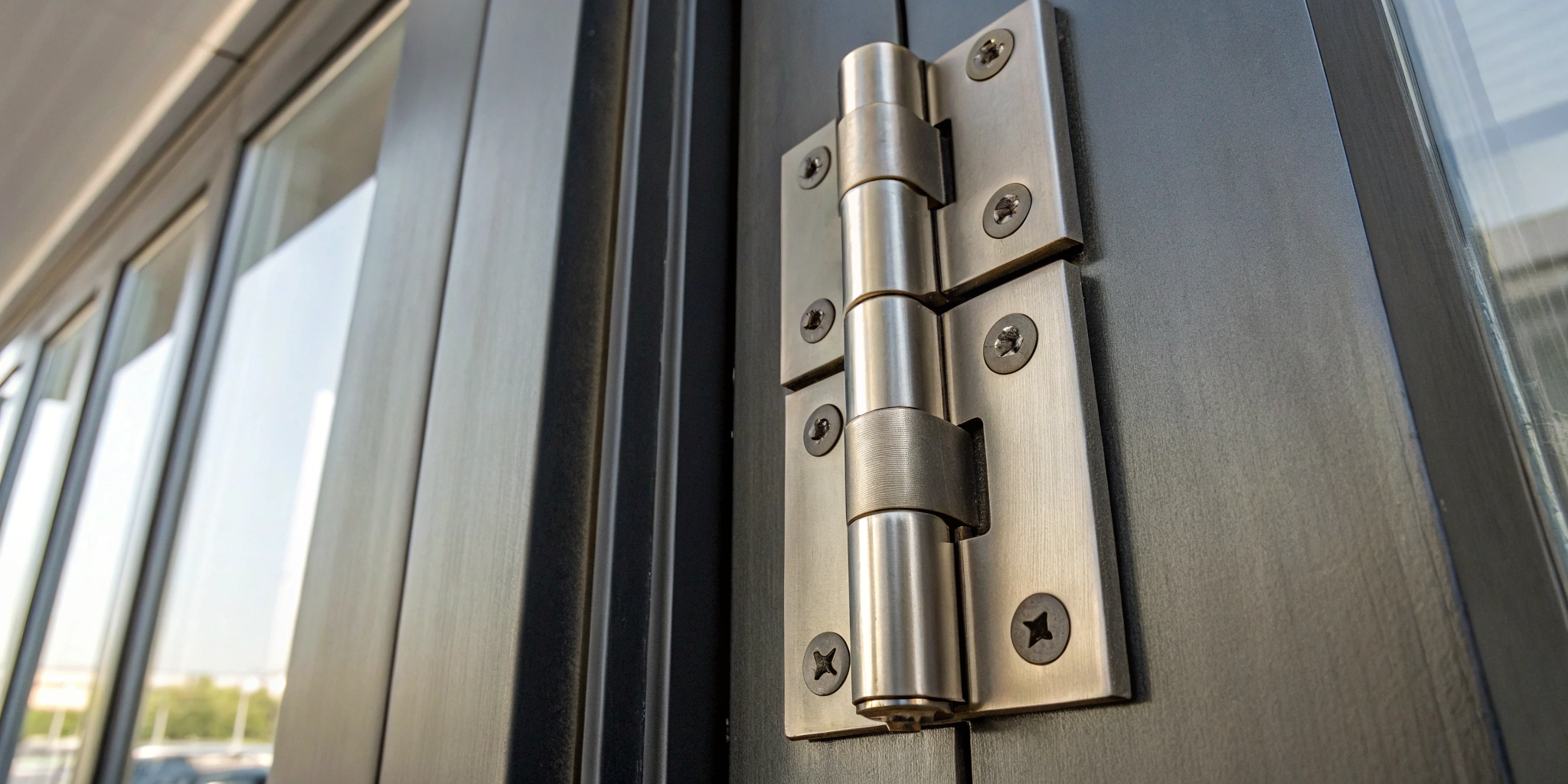
Every detail matters when it comes to securing your business, from high-tech access control systems to the basic hardware on your doors. A seemingly minor issue, like an empty hinge mortise on a door frame, can be an overlooked vulnerability. This gap isn’t just unsightly; it weakens the frame and can even be a point of leverage for tampering. For businesses in NYC, maintaining a secure and compliant entryway is non-negotiable. That’s where commercial door hinge blanks come in. These simple filler plates are a critical component for reinforcing your door frames, sealing off weak spots, and ensuring a solid, secure barrier. In this article, we’ll cover how to select and install them to support your building’s overall security.
Key Takeaways
- Hinge Blanks Are a Security Feature, Not Just a Cover Plate: Using a hinge blank does more than create a clean look; it seals a weak point in your door frame, protecting it from moisture and reinforcing it against potential tampering.
- Choose the Right Hinge by Analyzing Your Door’s Needs: The right hinge blank depends on your specific door. Consider its weight, how often it’s used, and its location to select the correct material (like stainless steel for exterior doors) and type (heavy-duty for high-traffic areas).
- Prioritize Precise Installation and Regular Checks: Correct alignment is essential for a commercial door to close and lock securely. Once installed, perform routine inspections for loose screws or sagging to catch small issues before they become security risks.
What Is a Commercial Door Hinge Blank?
If you’ve ever removed a door or a hinge from a frame, you’ve probably noticed the recessed cutout left behind. That space is called a mortise, and in a commercial setting, leaving it exposed is not an option. This is where a commercial door hinge blank comes in. In simple terms, it’s a solid metal plate designed to perfectly cover that empty space, creating a smooth, clean surface on the door frame where a hinge used to be. Think of it as a professional-grade filler plate that restores the frame’s original look and function.
But hinge blanks do more than just improve appearances. They play a crucial role in maintaining the structural integrity and security of your entryway. An open hinge mortise is a weak point that can collect dirt, dust, and moisture, which can lead to rust or wood rot over time and compromise the frame’s strength. By installing a hinge blank, you seal off this vulnerability, protecting the frame from damage and extending its lifespan. This is especially important in high-traffic commercial buildings where doors and hardware are subject to constant use and abuse. For any business, maintaining secure and functional entryways is a top priority, and using the right components is a fundamental part of any professional door repair and installation project. It’s a small, inexpensive piece of hardware that provides a clean finish while reinforcing one of your building’s most critical access points.
Its Role in Commercial Buildings
In a commercial building, hinge blanks are more than just cosmetic fixes; they are practical solutions for a variety of common door issues. For instance, they are perfect for covering up old mortise holes from different lock types or filling in unused deadbolt holes when security hardware is updated or reconfigured. This is crucial for maintaining security, as any unfilled hole can be a potential vulnerability for tampering. By covering these gaps, hinge blanks reinforce the door frame and also help a building comply with fire and safety codes, which often require door frames to be solid and free of openings. As a business owner or property manager, using these components is a straightforward way to handle door modifications while supporting your building’s overall security—a core focus of any commercial locksmith service.
Hinge Blanks vs. Pre-Drilled: What’s the Difference?
When you’re looking at filler plates, you’ll likely see both hinge blanks and pre-drilled options. The main difference is simple: hinge blanks are solid metal plates with no holes. This makes them incredibly versatile because you can drill custom holes to match any unique screw pattern or specific installation need, making them the go-to choice for non-standard frames or custom repair jobs. On the other hand, pre-drilled plates come with holes already in place, designed to match standard hinge patterns for quick and easy installation. While convenient for standard jobs, they lack the flexibility of a blank plate. Choosing the right one depends entirely on your project—a blank offers customization, while a pre-drilled plate offers speed. Both are important components in your building’s broader security systems.
How to Choose the Right Type and Material
Picking the right commercial door hinge blank goes beyond just matching the metal to your door handles. The right hinge ensures your door functions smoothly, stands up to daily use, and keeps your property secure. Making the wrong choice can lead to sagging doors, alignment problems, and even safety hazards. To get it right, you need to consider the hinge type, the material it’s made from, and the correct size for your specific door. Let’s walk through how to make the best decision for your business.
Standard vs. Heavy-Duty Options
The first question to ask is how much traffic your door will handle. Is it a back office closet or the main entrance to a busy Manhattan storefront? For low-frequency doors, a standard hinge might be sufficient. But for main entrances, public restrooms, or any door that sees constant use, you’ll need a heavy-duty option. As experts point out, high-frequency doors in places like schools, hospitals, and industrial buildings require heavy-duty commercial hinges to handle the stress. Investing in a heavy-duty hinge from the start prevents premature wear and tear, saving you from future headaches and repair costs. If you’re unsure, a professional commercial locksmith can assess your needs.
A Look at Materials: Stainless Steel, Brass, and Bronze
The material of your hinge blank determines its strength, longevity, and resistance to the elements. For most commercial applications, you’ll be looking at stainless steel, brass, or bronze. Stainless steel is a top choice for durability and can withstand frequent use, making it a reliable option for high-traffic areas. Similarly, robust materials like stainless steel or brass are common in commercial settings because they resist corrosion and wear. Bronze also offers excellent strength and a classic look. When choosing, consider your environment. A door exposed to NYC’s humid summers and harsh winters will benefit from the corrosion resistance of stainless steel.
Finding the Correct Size for Your Door
A hinge can’t do its job if it’s the wrong size. Hinge size isn’t just about length and width; it’s about its ability to support the door’s weight and width. An improperly sized hinge will cause the door to sag, scrape the floor, and fail to close properly, creating a major security issue. The right hinge needs to stabilize the door’s weight and accommodate its frequency of use. A wider, heavier, or taller door requires a larger and stronger hinge. Getting this right involves measuring the door’s thickness, width, and estimating its weight. If you’re replacing old hinges, measuring them is a good starting point, but confirming the door’s specs is always the best practice for any door repair and installation.
What to Look for in Finishes and Features
Once you’ve settled on the right type and material for your hinge blanks, it’s time to think about the details. The finish and features of a hinge do more than just complete the look—they play a huge role in its long-term performance and durability. Choosing the right ones ensures your doors not only match your building’s aesthetic but also stand up to the demands of a commercial environment. From resisting wear and tear to supporting the door’s weight, these final touches are what separate a good installation from a great one.
Matching the Finish to Your Building’s Style
The finish of your door hinges should complement your building’s overall design. Think of it as the final piece of the puzzle. For a modern office in Manhattan, a sleek, brushed stainless steel finish might be the perfect fit. If you’re outfitting a classic Brooklyn brownstone, an oil-rubbed bronze or polished brass finish can add a touch of timeless elegance. Commercial door hinges are typically made from robust materials like stainless steel or brass, which can be finished in various ways to match your decor. A professional commercial locksmith can help you select hardware that not only looks great but also provides the security and functionality your business needs.
How to Prioritize Durability and Corrosion Resistance
In a commercial setting, looks are important, but durability is essential. Your door hinges will be opened and closed hundreds, if not thousands, of times a day. When it comes to choosing the most durable material, stainless steel is a top contender due to its incredible strength and resistance to wear. This makes it a reliable choice for high-traffic areas. Bronze is another excellent option that maintains its functionality for years. Corrosion resistance is also key, especially for exterior doors exposed to NYC’s weather. A corrosion-resistant finish prevents rust and ensures the hinge operates smoothly, which is a critical part of any professional door repair and installation.
Factoring in Door Weight and Environment
Not all doors are created equal, and your hinge choice must reflect that. A heavy, solid-core wood or steel door requires a heavy-duty hinge to support its weight without sagging or failing. As a rule, high-frequency doors need heavy-duty commercial steel hinges to handle the constant motion. The environment also plays a major role. An exterior door facing the street needs a hinge made from a material like stainless steel that can withstand rain, humidity, and temperature changes. For interior doors in a climate-controlled office, you might have more flexibility. Always consider how the door will be used and what kind of stress it will endure to ensure you choose the right hardware.
How to Install Commercial Door Hinge Blanks
Installing hinge blanks on a commercial door might seem straightforward, but it’s a job that demands precision. Commercial doors are heavier and see far more daily use than residential ones, so a perfect installation is essential for safety, security, and long-term function. Getting it right from the start ensures the door will swing smoothly for years to come. A small mistake, on the other hand, can lead to binding, sagging, or even damage to the door and frame, creating bigger problems down the line. Let’s walk through the process, from gathering your tools to making those final adjustments for a flawless fit.
The Tools and Hardware You’ll Need
Before you begin, it’s best to gather everything you need to avoid interruptions. You’ll want a power drill with a good set of bits, a sharp chisel, a rubber mallet, a measuring tape, a combination square, and a level. Don’t forget your safety glasses. For the hardware, your most important decision is selecting the correct hinge blanks. Using the wrong size or type can quickly lead to damage and premature wear. Make sure your hinges are rated for the weight of your commercial door and that you have the right screws for the door and frame material, whether it’s wood, metal, or a composite.
A Step-by-Step Installation Guide
With your tools and hardware ready, you can get started. The key here is to work carefully and double-check your measurements at every stage to achieve a professional result.
- Mark Your Positions: Use your measuring tape and combination square to mark exactly where the hinges will sit on both the door edge and the door jamb. A level will ensure they are perfectly aligned vertically.
- Create the Mortises: Score the outlines with a utility knife, then use your sharp chisel and mallet to carefully remove the material inside the lines. Work in shallow passes to create a recess so the hinge plate sits flush with the surface.
- Drill Pilot Holes: Drill small pilot holes for your screws within the mortises. This simple step prevents the material from splitting and makes driving the screws much easier.
- Attach and Test: Screw the hinge leaves onto the door and frame. Once attached, hang the door and gently swing it to check its path. It should open and close smoothly without any binding or obstruction.
Avoiding Common Mistakes and Ensuring Proper Alignment
Proper alignment is everything. A slightly crooked hinge can prevent a heavy commercial door from closing and latching securely, creating a serious security risk and causing uneven wear. One of the most common mistakes is choosing the wrong type of hinge for the door’s function. A high-traffic entryway needs heavy-duty commercial steel hinges, not standard ones. It’s also critical to check for proper clearances to ensure the door can open fully without hitting a wall or another obstruction. If you’re dealing with a fire-rated door or a complex security system, the specifications can get tricky. When in doubt, it’s always best to call a professional for door repair and installation to ensure the job is done safely and correctly.
How to Solve Common Hinge Challenges
Even the best commercial door hinges can cause problems if they aren’t the right fit for the door or the building. A sticking door or a squeaky hinge isn’t just an annoyance—it can be a sign of a bigger issue that might affect your business’s security and accessibility. Getting ahead of these challenges means understanding what causes them in the first place. From choosing the right hardware for a heavy door to making sure everything is perfectly aligned, a few key details make all the difference. Let’s walk through some of the most common hinge-related hurdles and how you can solve them to keep your doors functioning smoothly.
Selecting the Right Weight and Bearing Type
One of the most common mistakes is using a standard hinge on a door that needs more support. High-frequency doors, like those in busy offices, schools, or hospitals, require heavy-duty commercial steel hinges to handle the constant use. For especially heavy wood or metal doors, heavy-weight bearing hinges are essential for long-term performance. When you’re choosing, think about how often the door is used and what it’s made of. A hinge that’s not up to the task will wear out quickly, causing the door to sag and creating a potential security risk. If you’re unsure what your building needs, our commercial locksmith team can help you select and install the right hardware.
Matching the Material to the Environment
The location of your door plays a huge role in what kind of hinge material you should choose. Commercial door hinges are typically made from durable materials like stainless steel or brass, which are designed to withstand heavy usage and resist corrosion. For an exterior door exposed to New York’s rain and humidity, stainless steel is an excellent choice because it won’t rust. Brass is another strong, corrosion-resistant option that also offers a classic aesthetic for interior or exterior doors. Choosing the wrong material can lead to rust and degradation, which weakens the hinge and compromises your door’s integrity. A professional door repair and installation service can ensure your hardware matches your environment.
Getting the Clearance and Swing Path Right
A door that binds, sticks, or scrapes the floor is often a symptom of poor hinge alignment. One of the most critical parts of installation is ensuring proper clearances and a clear swing path. This means there should be enough space around the entire door for it to move freely without catching on the frame or the floor. If the alignment is off, the door won’t close properly, putting stress on the hinges and the lock. This not only causes premature wear but can also make the door difficult to secure. If you have a door that suddenly won’t latch or close correctly, it could be a security issue that requires immediate attention from an emergency locksmith.
Where to Find Quality Hinge Blanks
Once you know what type of hinge blank you need, the next step is finding a reliable source. The right supplier can make all the difference in getting a high-quality product that fits your door perfectly and stands the test of time. Your two main options are professional locksmiths and general hardware suppliers, each with its own set of pros and cons. For commercial applications where security and durability are non-negotiable, making an informed choice is key.
Professional Locksmiths vs. Hardware Suppliers
While you can find basic hinges at a big-box hardware store, their selection is often limited to standard residential options. For commercial-grade hinge blanks, your best bet is to consult a professional. Commercial locksmiths have access to a much wider range of specialized products that you won’t find on typical store shelves. We can source specific sizes, materials, and finishes to match your building’s exact requirements. More importantly, a locksmith provides expert advice, ensuring you select the right hinge blank for your door’s weight, usage, and environment, preventing future issues and costly repairs.
What to Know Before Buying Online
Shopping online offers convenience and a vast selection, but it comes with its own challenges. If you decide to buy hinge blanks online, it’s crucial to verify all the specifications before you click “purchase.” Double-check the size, thickness, and material to ensure they are compatible with your door and frame. Read product descriptions carefully and look through customer reviews to get a sense of the product’s quality and performance. Finally, always check the retailer’s return policy. A good return policy is your safety net in case the hinge blanks don’t fit or meet your expectations once they arrive.
How to Maintain Your Commercial Door Hinges
The hinges on your commercial doors do a lot of heavy lifting, day in and day out. They support heavy doors, withstand constant use, and are a key part of your building’s security. But just like any hardworking component, they need a little attention to stay in top shape. Ignoring them can lead to bigger headaches down the road, from annoying squeaks to serious security risks. The good news is that a little bit of maintenance goes a long way. By knowing what to look for and when to call in a professional, you can keep your doors swinging smoothly and securely for years.
A Simple Guide to Inspection and Care
Think of this as a quick health check for your doors. Once a month, take a moment to look over your hinges. Open and close the door, listening for any squeaking or grinding noises. Check the gaps around the door—are they even, or is the door starting to sag? Look for loose screws or any signs of rust. Many common door problems start small, so catching them early is key. For basic care, keep a can of silicone-based lubricant handy to quiet noisy hinges. If you spot any loose screws, simply tighten them with a screwdriver. These simple steps can prevent wear and tear, but if you notice something that seems off, it’s always best to get a professional opinion from a commercial locksmith.
Key Signs You Need a Replacement
Sometimes, a little tightening and lubrication aren’t enough. If a hinge is truly worn out, it’s time for a replacement. One of the biggest red flags is a door that binds or sticks when you try to open or close it. This often means the hinge is bent or has lost its integrity. Another clear sign is a loose hinge pin that won’t stay in place, which indicates the hinge is failing. Ignoring these issues can cause damage to the door itself or the frame, leading to a much more expensive fix. If you notice these signs of worn-out hinges, it’s time to call for professional door repair and installation to ensure your entryway is secure and functions correctly.
Related Articles
- The 6-Step Balanced Door Hardware Installation Guide
- A Guide To Balanced Doors For Historic Buildings
- Commercial Door Services
- A Simple Guide to Cylindrical Door Lock Repair
Frequently Asked Questions
Why can’t I just leave the old hinge cutout empty on the door frame? Leaving that recessed space, or mortise, exposed is a bad idea for a few reasons. First, it’s a weak spot in your door frame that can easily collect dust and moisture, leading to rust or rot that compromises the frame’s strength over time. Second, from a security standpoint, any opening or weakness in a door frame is a potential vulnerability. A hinge blank covers that gap, restoring the frame’s solid surface, reinforcing its integrity, and giving it a clean, professional finish.
When should I choose a solid hinge blank instead of a pre-drilled one? A solid hinge blank is your best friend when you’re dealing with a non-standard or custom job. Since it has no holes, you have the flexibility to drill your own to match any unique screw pattern on an older or custom door frame. Pre-drilled plates are convenient for standard, modern doors where the hole pattern is predictable, but a blank plate offers the versatility you need for tricky repairs or unique installations.
My door is really heavy and gets used all the time. How do I know the hinge blank can handle it? This is where choosing the right material and type is critical. For a heavy, high-traffic commercial door, you need to look for heavy-duty options made from strong materials like stainless steel or bronze. These are designed to support significant weight and withstand constant opening and closing without failing. A standard, lightweight hinge blank simply won’t hold up and will lead to sagging and alignment issues down the road.
Is installing a commercial door hinge blank something I can do myself? While it might seem like a simple task, installing hardware on a commercial door requires a high degree of precision. These doors are much heavier than residential ones, and even a slight misalignment can cause it to bind, sag, or not latch properly, which creates a security risk. If you’re not experienced with creating a perfect mortise and ensuring flawless alignment, it’s best to call a professional to handle the installation.
My door is starting to stick and feels misaligned. Could the hinges be the problem? Yes, that’s often one of the first signs of a hinge issue. A sticking or sagging door usually means the hinges are worn out, bent, or can no longer support the door’s weight. You might also notice loose screws or that the hinge pin won’t stay in place. This isn’t just an annoyance; it means your door isn’t closing securely. It’s a clear signal that your hinges likely need to be replaced.
Need professional help in NYC? Contact Golden Key Locksmith NYC for Metal Door Installation or Sliding Door Services. Available 24/7 across Manhattan and all NYC boroughs.