

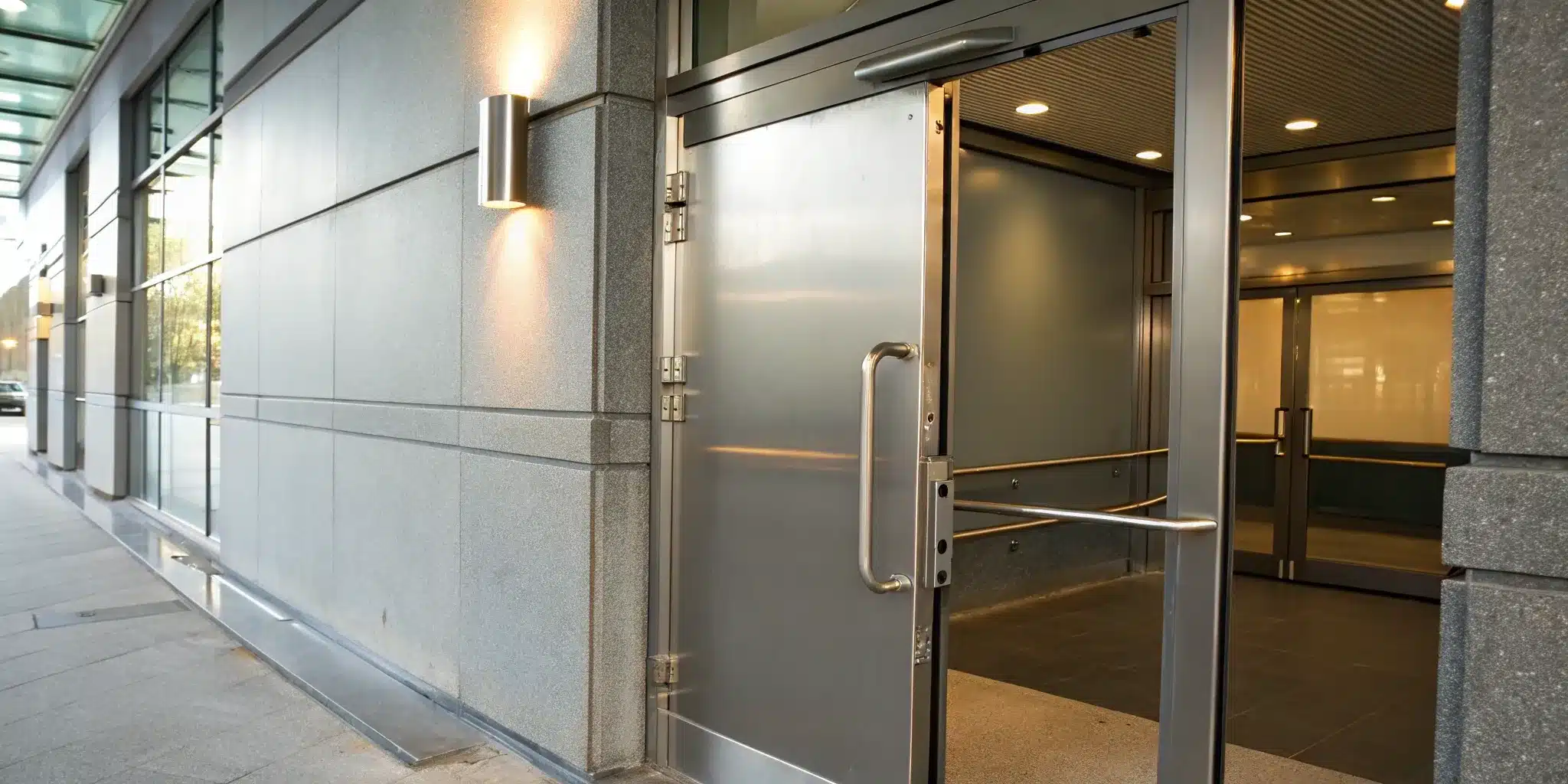
I love a good DIY project, but installing a fire door is one task where the stakes are simply too high to wing it. This isn’t like putting together a bookshelf; it’s a life-saving installation where every detail matters. Using non-rated hinges, getting the gap sizes wrong, or failing to use the right intumescent seals can have devastating consequences. Many people search for a simple fire door installation guide pdf hoping for a quick weekend project, but soon realize the complexity involved. This guide is designed to show you exactly why precision is so critical and to help you understand every step, so you can ensure the job is done right, whether by you or a professional.
Key Takeaways
- Think Beyond the Door Slab: A fire door’s effectiveness relies on a complete, certified system. The door, frame, hinges, latches, and seals must all be fire-rated and work together, as a single non-compliant part can cause the entire system to fail.
- Mind the Gaps and Hardware: The small details are what matter most. Incorrect gap sizes (usually 3-4mm) or using non-certified hardware can render a fire door useless, allowing smoke and flames to spread. Always follow the manufacturer’s exact specifications.
- Prioritize Professional Installation for Compliance: Due to strict building codes and the life-saving nature of the job, fire door installation should be handled by a professional. This ensures every component is installed correctly, your building passes inspection, and the door functions as intended in an emergency.
What is a Fire Door and Why is it Important?
A fire door isn’t just any heavy-duty door; it’s a crucial piece of life-saving equipment engineered to perform in an emergency. Think of it as a barrier designed to hold back fire and smoke, giving people precious time to escape a building. Its main job is to compartmentalize a fire, containing it within a specific area and protecting vital escape routes like hallways and stairwells. According to fire safety experts, these special doors are designed to stop fire from spreading through a building and keep escape routes clear so people can get out safely. When a fire breaks out, every second counts, and a properly installed fire door can be the difference between a safe evacuation and a tragedy.
These doors are a critical component of a building’s passive fire protection system. Unlike active systems like sprinklers, which activate to fight a fire, passive systems are built into the structure to limit the spread of flames and smoke from the start. A fire door assembly includes the door, the frame, hardware like hinges and latches, and the seals around the edges. Each part must be fire-rated to work effectively. That’s why ensuring your building has the right door repair and installation services is so important for overall safety. A well-fitted fire door works with fire-resistant walls and floors to create a protective shell, keeping escape paths clear and accessible.
Understanding Legal Requirements for Your Building
It’s important to know that in many cases, fire doors aren’t just a suggestion—they’re a legal requirement. For anyone managing or owning property in New York City, especially non-domestic buildings like offices and businesses or multi-occupancy residential buildings like apartment complexes, fire safety codes are strict. These regulations mandate the use of fire doors to ensure the safety of everyone inside. This is a key responsibility for any commercial locksmith or property manager.
The law designates a “Responsible Person”—typically the building owner, employer, or manager—who is legally accountable for the building’s fire safety. This person’s duties include assessing fire risks and implementing measures to minimize them. A huge part of this responsibility is ensuring that all fire doors are correctly installed, regularly inspected, and properly maintained. Failing to meet these legal standards can lead to serious penalties, and more importantly, can put lives at risk.
How Fire Ratings and Standards Work
Not all fire doors are created equal. They come with specific fire ratings that tell you how long they can withstand fire. You’ll often see ratings like FD30 or FD60. The number indicates the minutes of protection the door provides; an FD30 door is rated to resist fire for 30 minutes, while an FD60 offers 60 minutes of protection. The right rating for your building depends on its specific layout and fire safety strategy, which often requires professional assessment to protect both people and property.
The materials used to build the door also play a huge role in its effectiveness. Fire doors can be made from steel, wood, or composite materials, each selected for its ability to resist heat and prevent the passage of smoke. These doors are part of a complete security system that protects a building from various threats, including fire. Every component, from the door itself to the frame, hinges, and seals, must be fire-rated and work together to meet safety standards.
What You’ll Need for a Fire Door Installation
Getting a fire door installation right starts long before you hang the door. It’s all about preparation and having the correct, certified materials on hand. Unlike a standard interior door, a fire door is a complete, engineered safety system. Every single component must work together to hold back smoke and flames, so gathering the right supplies isn’t just a suggestion—it’s a critical step for safety and legal compliance. Before you begin, you’ll need to make sure you have the specific parts, tools, and sealing materials required to create a secure barrier that performs as expected when you need it most.
Fire-Rated Door Parts and Hardware
First things first: a fire door is only as strong as its weakest part. It’s not enough for the door slab itself to be fire-rated; every piece of hardware must also be certified. This includes the hinges, lockset, latches, door closer, and even the frame it sits in. Using a standard, non-rated hinge or lock can cause the entire system to fail during a fire, completely defeating the door’s purpose. When sourcing your materials, check that each component has the appropriate fire rating to match the door. This ensures the entire assembly can withstand intense heat and maintain its structural integrity, which is a core part of a proper fire door installation.
The Right Tools for the Job
Having the right tools will make the installation process smoother and more precise. You don’t need a massive workshop, but a few key items are essential for a secure fit. Start with your measuring tools: a tape measure, a level, and a square will ensure everything is perfectly aligned. For fastening, you’ll need a drill and #2 Phillips screwdrivers. You’ll also want a utility knife or scissors for trimming seals. The screws you use are also important. Depending on your wall structure, you’ll need specific types, like coarse-thread drywall screws for wood studs, self-tapping screws for metal studs, or flat-head masonry screws for concrete or brick.
Essential Foam and Sealing Materials
The gaps around a fire door are one of the most critical areas to address. To prevent smoke and toxic gases from seeping through, you must use specialized sealing materials. This includes fire-rated foam and fire-rated caulk, often called intumescent sealant. These materials are designed to expand when exposed to heat, effectively sealing the gaps between the door frame and the wall. Using standard construction foam or all-purpose caulk is a dangerous mistake, as they will quickly burn away and leave your space vulnerable. Proper sealing is a fundamental part of your building’s overall security systems and can make all the difference in an emergency.
How to Measure for a New Fire Door
Measuring for a fire door is a game of precision. Unlike a standard interior door where a little wiggle room might be fine, a fire door needs to fit perfectly to do its job. The goal is to create a barrier that can effectively seal off a room from fire, smoke, and heat. This requires getting the measurements exactly right and ensuring the frame is perfectly prepared. It’s a detailed process, but breaking it down makes it much more manageable. Let’s walk through how to get the accurate measurements you need for a safe and compliant installation.
Getting Accurate Doorway Measurements
When you measure for a fire door, you’re not just checking the size of the slab. You need to be incredibly precise because fire safety regulations dictate the exact gap tolerances required around the door. Start by measuring the height and width of the door opening in at least three different places—top, middle, and bottom for both. Use the smallest of these measurements to determine the right door size. Remember that every piece of hardware, from the hinges and latches to the lockset, must also be fire-rated. Using the wrong components can compromise the entire door assembly, so always check that your hardware is certified and compatible with the door itself.
Prepping the Frame and Minding the Gaps
The door frame is just as critical as the door. An improperly prepared or non-compliant frame will prevent the door from sealing correctly, rendering it ineffective. Before you even think about hanging the door, inspect the frame to ensure it’s square, plumb, and structurally sound. A fire door must be installed in a compatible, fire-rated frame to meet safety standards. If the existing frame isn’t up to the task, it will need to be replaced. This is often where professional door repair and installation becomes essential to ensure everything is aligned and installed correctly, creating the perfect seal needed to contain a fire.
A Step-by-Step Guide to Installing a Fire Door
Installing a fire door is a job where precision is everything. Unlike a standard interior door, a fire door is a critical piece of safety equipment designed to slow the spread of fire and smoke, giving people more time to escape. The entire assembly—from the door and frame to the hinges, latches, and seals—must work together perfectly to meet strict safety standards. While it’s possible to tackle this yourself, the process requires careful attention to detail. One small mistake can compromise the door’s effectiveness. This guide breaks down the essential steps, but for a job this important, consider calling in a professional for your door repair and installation to ensure it’s done right.
Step 1: Install the Fire-Rated Frame
The foundation of any successful fire door installation is a properly installed, fire-rated frame. This isn’t just a standard door frame; it’s specifically engineered to withstand high temperatures and maintain its structural integrity during a fire. The installation must be flawless. According to experts at GV Lock, “Fire doors must be installed with exact gap tolerances, structural fasteners, certified hardware, fire-rated foam, and caulking.” This means the frame must be perfectly square, plumb, and level in the opening. Any deviation can prevent the door from closing and latching correctly, rendering it useless in an emergency. Secure the frame using the specified fasteners and fill any gaps between the frame and the wall with certified fire-rated materials.
Step 2: Hang the Door Correctly
Once the frame is securely in place, it’s time to hang the door slab. This step requires careful alignment to ensure the gaps between the door and the frame are consistent and within the manufacturer’s specified tolerances (usually around 3-4 mm). As Pella’s installation instructions note, you should “Center the door between the sides of the opening and insert one 1-1/4″ screw into a hole in the installation fin near each of the top corners” to begin securing it. From there, you’ll continue to add screws, constantly checking that the door is level and swings freely without binding. This is often a two-person job, as fire doors are typically much heavier than standard doors.
Step 3: Add Hardware and Sealing Systems
A fire door is only as effective as its components. Every single piece of hardware must be fire-rated and compatible with the door’s specific rating. As we’ve noted in our own guides, “Every piece of hardware on a fire door, from the lockset to the latches, must also be fire-rated and compatible with the door itself.” This includes the hinges, lockset, latch, and the all-important self-closing device. You also need to install intumescent seals around the frame or door edges. When exposed to heat, these seals expand to block smoke and toxic gases. Using non-rated hardware is a critical error that completely undermines the door’s safety function, a common issue our commercial locksmith team sees.
Step 4: Perform Final Tests and Adjustments
With everything installed, the final step is to test the door thoroughly. This isn’t just a quick open-and-shut check. The installation process must include “final tests to ensure proper functionality and compliance with safety standards,” as noted by Asturmadidoors. Check that the self-closing mechanism works correctly, allowing the door to close and latch firmly from any open position. Use a gap gauge to verify that the space between the door and the frame is within the required tolerance on all sides. Test the latch to ensure it engages securely every time. If anything is off, you’ll need to make precise adjustments to the hinges or closer until it functions perfectly.
Common Fire Door Installation Mistakes to Avoid
Installing a fire door isn’t like hanging a standard interior door. The details matter—a lot. A small oversight can completely undermine its ability to protect property and save lives. Getting it right means being aware of the common pitfalls so you can steer clear of them. Let’s walk through the most frequent mistakes to ensure your installation is safe, compliant, and effective from the start.
Getting the Gap Sizes and Seals Wrong
The space around the door, known as the gap, is one of the most critical details. Fire doors must be installed with exact gap tolerances. If the gap is too big, smoke can easily spread, and fresh air can get in, which makes a fire burn hotter and faster. Generally, the gap between the door and the frame should be around 3mm. The gap at the bottom is also important and must be fitted with the correct seals. These intumescent seals are designed to expand when heated, completely closing off the gaps to stop smoke and flames from passing through. Always check the manufacturer’s specific guidelines for precise measurements.
Using the Wrong (Non-Certified) Hardware
A fire door is only as strong as its weakest component. Every piece of hardware—from the hinges and closers to the latches and locks—must be fire-rated and compatible with the door itself. Using standard, non-certified hardware is a critical error. A regular set of hinges could warp and fail under intense heat, causing the door to fall out of its frame. Similarly, a non-rated lock could melt, preventing a secure latch. When you need professional door repair and installation, make sure every part is certified to work as a complete, fire-resistant system. This ensures there are no weak points that could compromise your safety.
Overlooking Frame and Alignment Issues
The door itself is just one part of the equation; the frame is equally important. A fire door must be fitted into a fire-rated frame with a matching rating (e.g., an FD30 door needs an FD30 frame). Installing a high-quality fire door into a standard, non-rated frame completely defeats the purpose. The frame will fail long before the door does. Proper alignment is also essential. The door must hang perfectly straight so it can swing shut and latch securely on its own every time. If it’s misaligned, it might not close completely, leaving a dangerous opening for fire and smoke to pour through. This is a common issue our commercial locksmith team sees and corrects.
How to Test Your Newly Installed Fire Door
Once your fire door is in place, the job isn’t quite done. Performing a few key tests is the final, crucial step to confirm it’s installed correctly and will function as a life-saving barrier when needed. These checks are straightforward but absolutely essential for ensuring your building’s safety and compliance. Think of it as a final quality check that gives you peace of mind. Here’s what you need to look for.
Checking the Self-Closing Mechanism
A fire door’s most important job is to close on its own to contain a fire. To test this, open the door to various angles—first all the way, then about halfway, and finally just a few inches—and let it go each time. It should swing shut smoothly and latch securely on its own, without slamming or getting stuck. If the door hangs open or doesn’t latch firmly, the self-closing device needs adjustment. This mechanism relies on the entire system working together, from the certified hardware to the precise installation. A properly functioning closer ensures the door creates a complete seal.
Verifying Gap Measurements
The gaps around your fire door are a critical safety feature. If the gap is too large, it can allow smoke to pour through and let in oxygen that fuels the fire. Use a gap gauge to measure the space between the door and the frame. Generally, the gaps at the top and sides should be around 3-4 mm, while the gap at the bottom is usually larger but must still meet the manufacturer’s specifications. Check the entire perimeter to ensure the gap is consistent. If you find spots that are too wide or narrow, the door or frame may need an adjustment to ensure a proper and safe fit.
Testing Latches, Locks, and Hinges
Every piece of hardware on your fire door plays a role in its performance. Start by checking the latch. When the door closes, you should hear a distinct click as it engages with the frame. The door should feel secure, with no rattling. Next, test the lock and handles, ensuring they operate smoothly from both sides without sticking. Finally, inspect the hinges. They should be firmly secured with no loose screws, allowing the door to swing freely. Remember, every component must be fire-rated and compatible. If you have any concerns about your hardware, our residential locksmith services can help ensure everything is up to code.
Keeping Your Fire Door in Top Shape: A Maintenance Guide
Installing a fire door correctly is a huge step, but the job isn’t finished once the last screw is in place. Regular maintenance is what ensures your fire door will actually work when you need it most. Think of it like a car—you wouldn’t skip oil changes and expect it to run perfectly forever. A fire door is a critical piece of safety equipment that requires consistent attention to stay in life-saving condition, protecting both people and property from the spread of fire and smoke.
Over time, daily use can lead to wear and tear on hinges, latches, and seals. Gaps can widen, closers can fail, and even minor damage can compromise the door’s integrity. Catching these issues early through routine checks is the key to ensuring compliance with local fire codes and, more importantly, maintaining a safe environment. A well-maintained fire door provides peace of mind, knowing it’s ready to perform its essential function without fail. This guide will walk you through what to look for during inspections and which parts need the most attention, so you can feel confident in your building’s safety measures.
What to Include in Regular Inspections
Regular inspections are the foundation of fire door maintenance. While official safety standards like NFPA 80 require a formal fire door inspection at least once a year, it’s a good practice to perform your own visual checks more frequently. During these inspections, look for any visible damage to the door, frame, or glazing (the glass panel). Make sure the door closes and latches securely on its own every single time without needing an extra push or pull. Also, check the surrounding area to ensure nothing is blocking the door or stored against it, as this could prevent it from closing in an emergency. If you spot any issues, it’s crucial to get them fixed right away.
Common Wear Points to Keep an Eye On
Fire doors have several components that work hard every day, making them prone to wear. Knowing where to look can help you spot trouble before it becomes a serious problem. Pay close attention to the closing mechanism; if it’s sluggish or slams shut, it needs adjustment. Inspect the frames and any glass for cracks or signs of damage. The metal shielding and casings should be fully intact, as they protect the door’s core. Finally, if your door has fusible links (designed to melt at a certain temperature to close the door automatically), ensure they are in good condition. Addressing these common wear points promptly is essential for reliable door repair and installation.
Finding Official Guides and Resources
When it comes to installing a fire door, guesswork isn’t an option. This is one project where following the rules is absolutely critical for safety and legal compliance. The good news is that you don’t have to figure it out alone. The most important information you’ll need comes from two key sources: the door’s manufacturer and your local building authority. These official guides provide the exact specifications required to ensure your door functions correctly during an emergency.
Think of them as your roadmap to a successful and safe installation. Trying to install a fire door without them is like trying to bake a cake without a recipe—you might end up with something that looks right, but it won’t perform when it matters most. A fire door is a complex system where every component, from the hinges to the seals, must work together perfectly. Without the official documentation, you risk using the wrong hardware, leaving incorrect gaps, or missing a crucial step that could render the door ineffective in a fire. Relying on these documents helps you avoid common installation mistakes and ensures your building meets all necessary safety standards, protecting both property and lives. Before you even pick up a tool, your first step should always be to gather and thoroughly read these resources.
Manufacturer’s Instructions and Documents
Think of the manufacturer’s guide as your primary playbook for the installation. The company that designed and built the door knows exactly how it needs to be installed to perform as intended. These instructions provide critical details you can’t find anywhere else, including precise gap tolerances, the specific types of structural fasteners to use, and a list of certified hardware that’s compatible with the door. You’ll also find requirements for fire-rated foam and caulking needed to create a proper seal. Most manufacturers offer a comprehensive collection of technical specs and installation guides on their websites, making it easy to find the right documents for your specific product.
Local Building Codes and Standards
Beyond the manufacturer’s specs, you also need to follow your local building codes. In places like New York City, fire door regulations are a legal requirement for all non-domestic buildings (like offices and businesses) and multi-family residences (like apartment buildings). These rules are in place to protect occupants, and they aren’t flexible. Because codes can vary depending on your location and whether you’re working on a new build or an existing structure, it’s essential to check what’s required in your borough. A quick search for your local building department’s website is the best place to start. This ensures your project is fully compliant from day one.
DIY vs. Hiring a Pro: What’s the Right Call?
While tackling home or business improvement projects yourself can be rewarding, installing a fire door is a task where the stakes are incredibly high. Unlike a standard interior door, a fire door is a crucial piece of life-saving equipment. Its effectiveness depends entirely on a precise, compliant installation. A single mistake can compromise its ability to stop the spread of fire and smoke, which is why understanding the risks of a DIY approach is so important.
This isn’t just about having the right tools; it’s about having the specialized knowledge to meet strict safety regulations. Before you decide to handle this yourself, consider what could go wrong and when it’s essential to rely on professional expertise.
Safety, Compliance, and Other DIY Risks
I love a good DIY project, but fire door installation is one area where you absolutely should not cut corners. These doors are critical safety devices, and even a tiny mistake during fitting can have devastating results. The process requires exact gap tolerances, certified hardware, and specific fire-rated foam and caulking to create a complete, sealed barrier. Getting any of these details wrong can void the door’s fire rating, lead to failed building inspections, and, most importantly, put lives at risk. This is a project where precision is non-negotiable, and the margin for error is zero.
When to Call a Professional Locksmith
So, when is it time to call in a pro? For fire door installation, the answer is always. You can’t even build a fire door frame yourself—it must be purchased from an approved manufacturer to be compliant. A professional locksmith ensures every single component, from the hinges to the lockset, is fire-rated and installed correctly. They understand complex local building codes and will make sure your door passes inspection. By hiring an expert for your door repair and installation, you’re not just getting a door hung; you’re investing in peace of mind and the safety of everyone in your building.
Related Articles
- The 6-Step Balanced Door Hardware Installation Guide
- A Guide To Balanced Doors For Historic Buildings
- Commercial Door Services
- How to Become a Certified Fire Door Installer
Frequently Asked Questions
Can I just use a heavy, solid wood door instead of an official fire door? While a solid wood door might feel sturdy, it’s not a substitute for a certified fire door. A true fire door is an engineered safety system where every component—the door itself, the frame, hinges, latches, and seals—is specifically designed and tested to withstand fire for a set period. A standard door, no matter how heavy, lacks the special core materials and intumescent seals that expand with heat to block smoke and flames.
My fire door doesn’t latch on its own anymore. Is that a big deal? Yes, that’s a critical issue that needs immediate attention. A fire door’s main job is to close and latch automatically to create a complete barrier against fire and smoke. If it’s not latching, it leaves a gap for deadly smoke to travel through, defeating its entire purpose. This usually means the self-closing mechanism needs to be adjusted or repaired to ensure it functions correctly.
How can I tell if a door in my building is actually a fire door? The easiest way to check is to look for a certification label. You can usually find a metal or plastic tag on the top edge of the door or on the frame’s hinge side. This label will provide information about the door’s manufacturer and its fire-resistance rating, such as FD30 (30 minutes). If you can’t find a label, it’s best to assume it isn’t a fire door and have it professionally inspected.
Why can’t I use my regular, heavy-duty hardware on a fire door? Standard hardware, even if it seems strong, is not designed to withstand the extreme heat of a fire. Regular hinges can warp and fail, causing the door to fall from its frame, while a standard lockset can melt and seize. Every piece of hardware on a fire door must be fire-rated to ensure it maintains its integrity and keeps the door securely in place when you need it most.
Is it really necessary to hire a professional for this installation? For a project with zero margin for error, a professional is the only way to go. Fire door installation is governed by strict building codes that dictate exact gap measurements and require certified materials. A professional ensures every detail is handled correctly, from fitting the fire-rated frame to testing the final assembly. This guarantees the door will pass inspection and, more importantly, function properly to protect lives and property.
Need professional help in NYC? Contact Golden Key Locksmith NYC for Metal Door Installation or Sliding Door Services. Available 24/7 across Manhattan and all NYC boroughs.