

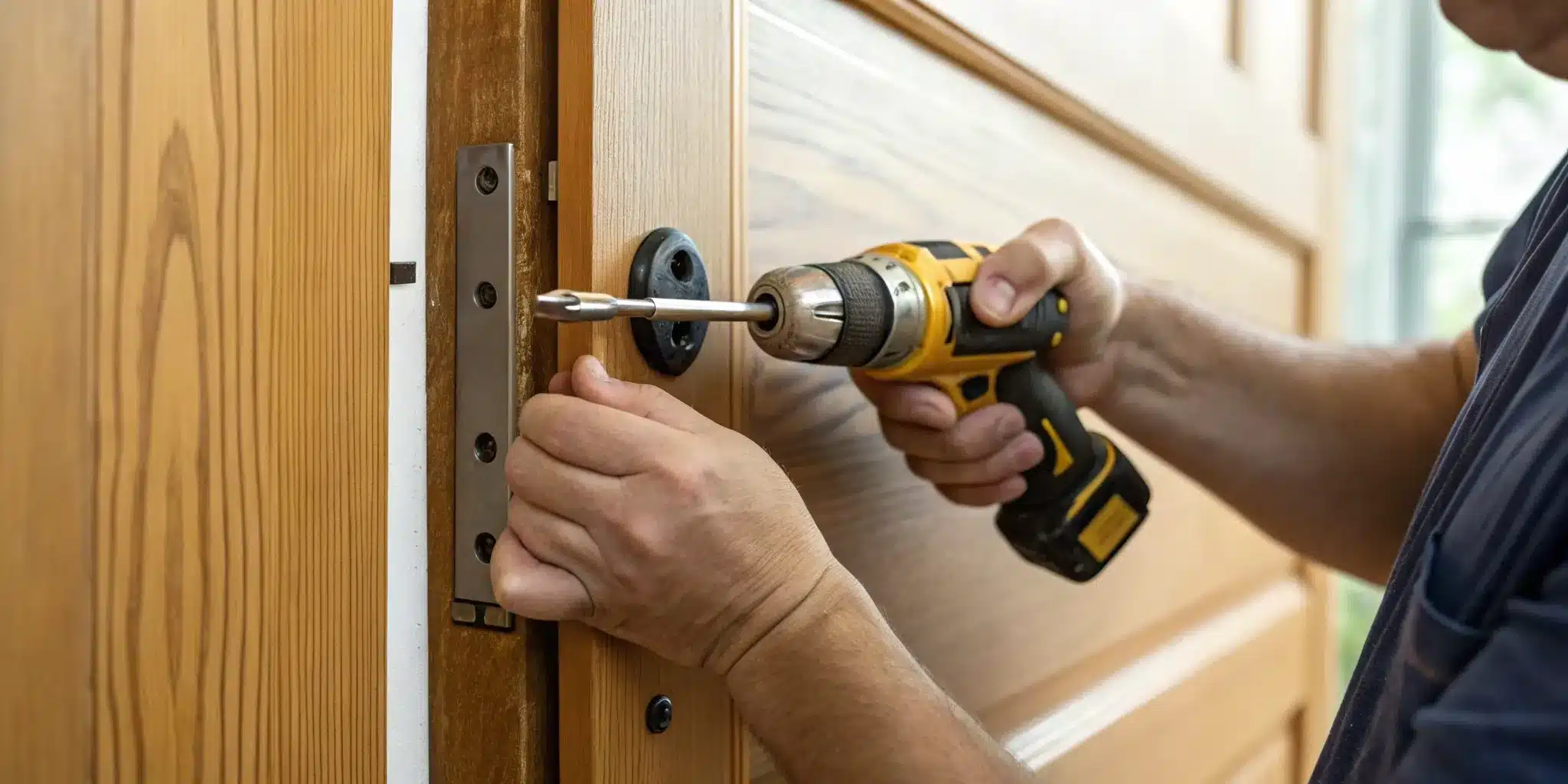
That wobbly handle is a symptom, and to fix it for good, you need to find the root cause. Simply tightening a screw might work for a little while, but if the problem comes back, there’s likely something else going on. The issue could be anything from screws that are actually too tight, pinching the internal spring, to a buildup of grime inside the mechanism. Before you can learn how to fix a floppy door handle correctly, you need to do a little detective work. This guide will help you diagnose the problem first, so you can apply the right solution and ensure your fix is a permanent one, not just a temporary patch.
Key Takeaways
- Identify the Real Problem First: Before reaching for a screwdriver, check how the handle moves. A wobbly handle usually needs tightening, but a drooping one often means the screws are too tight and are pinching the internal spring.
- Master a Few Simple DIY Tricks: You can solve most common issues yourself. Use a toothpick and wood glue to give stripped screws something to grip, and try slightly loosening the screws to fix a handle that won’t spring back into place.
- Know When to Replace Instead of Repair: Don’t risk your security on a failing handle. If you see visible cracks, significant rust, or if the lock itself is difficult to operate, it’s safer and more effective to replace the entire handle set.
Why Is My Door Handle Loose?
That wobbly, sagging door handle is more than just an eyesore; it’s a sign that something inside isn’t working right. The good news is that it’s often a simple fix you can handle yourself. Before you can tighten things up, you need to understand what’s causing the problem. While many loose handles are a quick DIY project, some issues might point to a need for professional door repair and installation. Let’s break down the common causes and the parts involved so you can get your door functioning smoothly again.
What Causes a Loose Door Handle?
A floppy door handle usually comes down to a few common culprits. More often than not, the screws holding the handle in place have simply worked themselves loose over time. However, sometimes the screws are actually too tight, which can squeeze the internal spring and prevent it from working correctly. Dirt and dust can also build up inside the mechanism, causing it to stick. If you’ve recently replaced your handle, the new parts might not be fully compatible with the old latch inside the door. And, of course, there’s simple wear and tear—the internal spring can just wear out or break after years of use.
A Quick Look at Your Door Handle’s Parts
To figure out the fix, it helps to know what you’re looking at when you take the handle off. The main components are pretty straightforward. You have the handles themselves, which are connected through the door by a square metal bar called a spindle. This spindle is what turns the latch mechanism inside the door. Everything is held together by a set of screws. Inside the handle plate, there’s a spring mechanism (often called a spring cassette) that’s responsible for returning the handle to its horizontal position. If this spring is broken or worn out, you’ll get that classic, droopy look.
What You’ll Need for the Fix
Before you dive in, gathering your supplies will make the whole process smoother. A little prep work now saves you from running back and forth to the garage later. Most of what you need is probably already in your toolbox, so let’s get everything together.
The Right Tools for the Job
For most door handles, a simple Phillips or flathead screwdriver is all you’ll need to get the job done. Take a close look at your handle—if you see a tiny, recessed screw on the side or base, you’ll also want to grab a hex or Allen wrench. These are often used to hold the handle onto the internal spindle. Sometimes, the main screws are hidden under a decorative cover plate, which you can usually pry off gently with your flathead screwdriver. Having the right tools on hand makes the process of repairing a loose door handle much less frustrating.
Don’t Forget Your Safety Gear
I know it’s easy to skip this step for a small fix, but it’s always a good idea to protect yourself. Grab a pair of work gloves and some safety glasses before you start. Door hardware can have surprisingly sharp edges, especially on the internal components you don’t normally see. Plus, old parts can be brittle and might chip or send small bits of debris flying when you apply pressure. Taking a moment to put on some basic safety gear ensures your quick DIY project doesn’t end with a cut or an eye injury. It’s a simple habit that makes a big difference.
Helpful Materials to Have on Hand
A couple of extra items can be lifesavers. If you discover a screw that just spins in its hole, it’s likely stripped. A fantastic trick is to dip a wooden toothpick or matchstick in a bit of wood glue and place it in the hole. Let it dry, then break it off flush—this gives the screw new material to bite into. Also, if your handle feels droopy, the internal spring might be worn out. You can often find a replacement spring at your local hardware store. Just be sure to bring the old one with you to find an exact match.
How to Find the Source of the Problem
Before you start taking things apart, it’s smart to play detective for a few minutes to pinpoint exactly what’s going on. A loose handle can be a symptom of a few different issues, and figuring out the root cause will make the fix much smoother. A quick diagnosis now can save you a lot of time and frustration later. Let’s walk through a few simple checks to figure out what you’re dealing with.
Start With a Visual Check
Your first step is the easiest: just give the door handle a good look. Get up close and inspect the entire mechanism, including the handle itself, the base plate (also called a rosette or escutcheon), and the latch on the side of the door. Look for any obvious signs of trouble. Are there visible cracks or chips in the metal or finish? Do you see any rust forming, especially around the screws? Sometimes, the problem is right there in plain sight. If the handle is clearly damaged, you’re likely looking at a replacement rather than a simple tightening.
Test the Handle’s Movement
Next, pay attention to how the handle feels when you use it. Does it jiggle or wobble in place even when you’re not turning it? When you do turn it, does it feel mushy or require extra effort to operate the latch? A perfectly functioning handle should feel firm and spring back into place crisply after you let go. If your handle feels loose, sticks in the down position, or seems disconnected from the internal latch mechanism, it’s a clear sign that something is wrong on the inside. This simple test tells you whether the problem is with the external screws or the internal workings.
Key Signs of a Problem
Beyond a simple wobble, there are other red flags that signal a problem with your door hardware. Keep an eye out for difficulty locking or unlocking the door, as a loose handle can throw off the alignment of the entire locking mechanism. You might also notice that your key doesn’t turn as smoothly as it used to. Sometimes, the issue isn’t just the handle but the door itself. If you see the door is sagging on its hinges, feel drafts coming from the edges, or hear grinding noises when you open or close it, you might have a bigger alignment issue. These problems can put extra stress on your handle and lock, and often require professional door repair and installation to fix correctly.
How to Fix Your Loose Door Handle, Step-by-Step
Alright, you’ve figured out what’s wrong and you have your tools ready. Now for the fun part: fixing it. Don’t worry, you can easily fix a loose door handle yourself with a little patience. Just follow these steps carefully, and you’ll have a sturdy, reliable handle in no time. We’ll walk through taking it apart, making the fix, and putting it all back together.
First, A Quick Safety Check
Before you start unscrewing anything, take a moment for a quick safety check. If you’re working on an exterior door, make sure it’s closed and locked so it doesn’t swing open unexpectedly. It’s also a good idea to prop the door open with a doorstop if you need to work on both sides at once. This prevents the door from slamming shut on your hands. Gather all your tools—your screwdriver, Allen wrench, and anything else you need—and place them nearby on a cloth to protect your floor. A little prep work now makes the whole process smoother and safer.
Take the Handle Apart
Let’s get inside that handle. Most door handles have a cover plate, or “rose,” that hides the mounting screws. To get started, you’ll need to remove this cover plate. Look for a small slot or indentation along the edge; you can usually pop it off with a flathead screwdriver. If you don’t see any visible screws on the handle base, check for a tiny set screw on the side of the handle itself. You’ll likely need a hex or Allen wrench to loosen it. Once the set screw is loose, you can slide the handle off the spindle and then remove the cover plate to reveal the main screws.
Tighten and Adjust the Inner Parts
With the inner workings exposed, you’ll see the screws that hold the handle assembly to the door. These are almost always the culprits. Use your screwdriver to tighten them, alternating between screws to ensure even pressure. Be careful not to overtighten them. If the screws are too tight, they can pinch the internal mechanism and cause the handle to stick or droop. Sometimes, the fix is actually to loosen the screws a tiny bit to allow the handle to move freely and spring back to its horizontal position. The goal is snug, not strained.
Put It Back Together and Test Your Work
Once you’ve tightened the screws, it’s time to reassemble. Put everything back together in the reverse order you took it apart: place the cover plate back on, slide the handle onto the spindle, and tighten the set screw. Before you call it a day, give the handle a thorough test. Turn it, pull it, and push it to make sure it feels solid and operates the latch correctly. Does it spring back into place? Is the wiggle gone? If everything feels right, you’re all set. If it’s still loose or not working properly, you may have a more complex issue that requires professional door repair and installation.
Tackling Trickier Problems
Sometimes, you’ll take the handle apart and find the problem is a little more complicated than a loose screw. Don’t worry—these issues are common, and most have straightforward solutions. If you’ve tightened everything and the handle is still wobbly, crooked, or just not working right, one of these tricky situations might be the culprit. From screws that won’t grip to handles that just won’t sit straight, these problems can feel frustrating. But before you throw in the towel, let’s walk through a few specific fixes. You might be surprised at how simple the solution is.
These next steps address the head-scratchers that can stop a simple DIY project in its tracks. We’ll cover what to do when the screw holes are worn out, how to straighten a handle that insists on drooping, and what it means when the spring mechanism has given up. Each of these issues has a specific cause and, more importantly, a specific fix that you can handle with just a little extra know-how. Think of this as the advanced course in door handle repair. It’s for those moments when the obvious solution doesn’t work and you need to dig a little deeper. With the right approach, you can solve these more stubborn problems and get your door functioning perfectly again.
What to Do About Stripped Screws
There’s nothing more frustrating than a screw that just keeps turning without ever getting tight. That’s a stripped screw hole, and it happens when the wood fibers inside the hole have been worn away, leaving nothing for the screw threads to grip. Luckily, there’s a classic trick for this. Grab a wooden toothpick or a matchstick and a bit of wood glue. Dip the toothpick in the glue, insert it into the hole (you might need to break it off to fit), and then re-insert the screw. The extra wood and glue fill the gap, giving the screw something solid to bite into. It’s a simple, sturdy fix that works like a charm.
How to Realign a Crooked Handle
Does your door handle have a permanent downward droop? It might not be a sign of a serious problem. Often, a crooked handle is simply the result of overtightened screws. When you screw the handle onto the door too aggressively, it can compress the spring mechanism inside, preventing it from returning to its proper horizontal position. The fix is surprisingly easy: just loosen the screws a little bit. Give them a quarter-turn or so, and you should see the handle pop back into place. This small adjustment allows the internal spring to move freely again, correcting the alignment and getting rid of that sad-looking sag.
Fixing a Worn-Out Spring
If your handle feels limp and doesn’t spring back up after you turn it, the internal spring cassette is likely worn out or broken. This is the part responsible for the handle’s snappy return action. While it might seem like you could just replace the spring, it’s often not that simple. Finding the exact replacement spring can be a real challenge, as they vary widely between models, and installing them correctly is tricky. In most cases, the most practical and time-saving solution is to replace the entire handle set. This ensures all the parts are new and working together perfectly. If you need help with a new door repair and installation, it’s always best to get a professional opinion.
Is It Time for a New Door Handle?
Sometimes, no matter how many times you tighten the screws, that floppy handle just won’t cooperate. While many issues can be fixed with a little DIY effort, there comes a point when you’re better off starting fresh with a new handle. A worn-out or broken handle isn’t just an annoyance; it can be a real security risk. Knowing when to switch from repair mode to replacement mode will save you time, frustration, and give you peace of mind. Let’s walk through the signs that your door handle is past its prime and what to look for when choosing its successor.
Signs It’s Beyond Repair
Visible damage is the most obvious sign that your door handle needs to be replaced. If you see cracks, deep chips, or significant rust, the handle’s integrity is compromised. These aren’t just cosmetic issues; they can cause the handle to fail completely when you least expect it, potentially locking you in or out. Another major red flag is a handle that feels wobbly or loose even after you’ve tightened all the screws. This often points to stripped internal mechanisms that can’t be fixed. If your key sticks, is hard to turn, or the lock doesn’t engage smoothly, the problem might be deeper than a simple adjustment. When a handle’s core function is failing, replacement is your safest bet. A broken handle can quickly become a security issue, so if you find yourself in a bind, our emergency locksmith team is available 24/7 to help.
Repair or Replace: What Makes More Sense?
Deciding between repair and replacement often comes down to the specific problem and its severity. If you’re dealing with a simple loose screw or a misaligned latch, a repair is usually a quick and easy fix. However, for more complex issues, replacement is often the smarter choice. Think about problems like a jammed handle that won’t turn, a broken internal spring, or a completely worn-out latch mechanism. While you might be able to find replacement parts, the time and effort involved can sometimes outweigh the cost of a new handle. Plus, if one part has failed due to age, others are likely not far behind. A new handle provides a complete, reliable solution. If you need a professional opinion, our residential locksmith services can assess the damage and help you decide on the best course of action.
Tips for Picking the Perfect Replacement
Choosing a new door handle might seem simple, but a little thought goes a long way in finding the perfect one. First, consider compatibility. Make sure the new handle will fit your door’s existing holes and latch setup to avoid extra work. Next, think about the material and quality. A solid, durable handle will stand up to daily use and keep your home secure. Look for materials that match your home’s style but are also built to last. Finally, don’t forget about aesthetics. The right door handle can complement your decor and add a nice finishing touch to your space. Whether you need a simple interior handle or a high-security exterior lock, we can help with professional door repair and installation to ensure it’s fitted perfectly.
When to Leave It to the Pros
There’s a special kind of satisfaction that comes from fixing something yourself. But there’s also wisdom in knowing when to put down the screwdriver and pick up the phone. Some door handle issues are symptoms of a bigger problem, and a DIY fix might just be a temporary patch. If you’ve tried the steps above and the handle is still loose, or if you suspect the problem is more complex than a few loose screws, it’s probably time to call in a professional. A skilled locksmith can diagnose the root cause quickly and ensure the job is done right, giving you security and peace of mind.
Know When to Call for Help
Certain signs are clear indicators that your door handle needs more than a simple tightening. If you see visible cracks or chips in the handle or its components, it’s a sign of structural failure. A handle that still feels wobbly after you’ve tightened everything, or one that makes it difficult to lock or unlock the door, points to a problem with the internal mechanism. Don’t ignore visible rust, as it can compromise the integrity of the lock. Another major red flag is a misaligned door, which can put stress on the entire locking system. These issues can affect your home’s security, so if you’re facing a serious malfunction, an emergency locksmith can provide a swift and secure solution.
How to Find a Trustworthy Locksmith
When you need to hire a locksmith, you want someone you can trust with the safety of your home or business. Start by asking friends, family, or neighbors for recommendations—a personal referral is often the most reliable. Next, check online reviews on trusted platforms to get a broader sense of a company’s reputation and customer service. Before you agree to any work, it’s crucial to confirm that the locksmith is licensed and insured. This protects you from liability in case of any accidental damage during the repair. A reputable residential locksmith will always be transparent about their credentials.
What to Expect for a Professional Repair
When a professional locksmith arrives, they’ll start by thoroughly assessing the door handle, lock, and surrounding hardware. This diagnosis helps them determine whether a repair is possible or if a full replacement is the better option. They should explain the problem to you clearly and outline your choices. You can expect the cost to include both parts and labor, so be sure to ask for a quote before they begin the work. It’s also a smart idea to inquire about any warranties on their service or the new parts. A good door repair and installation service will stand by their work, giving you confidence that the fix will last.
Keep Your Door Handles Working Smoothly
A little bit of maintenance goes a long way in preventing that dreaded floppy handle from making a comeback. You don’t need to be a pro to keep your door hardware in great shape. By adding a few simple checks to your routine, you can catch small issues before they turn into bigger headaches, ensuring your doors work smoothly for years to come. Think of it as a small investment of your time that pays off with reliable, sturdy handles on every door in your home or business.
Create a Simple Inspection Routine
Set aside a few minutes every few months to give your door handles a quick once-over. Wiggle the handle and knob to check for looseness. Open and close the door to see if the latch catches properly without sticking. Common problems like jammed latches, loose hinges, or misaligned strike plates often start small. Catching them early means you can often fix them with a simple screwdriver adjustment instead of a major repair. This quick check helps you stay ahead of wear and tear and keeps everything functioning as it should.
Use Your Handles the Right Way
This might sound obvious, but using your door handles correctly is key to their longevity. Avoid hanging heavy bags on them or yanking them open forcefully. Some handles, especially certain commercial or minimalist designs, don’t have internal springs and rely on a heavy-duty latch to return to their position. Forcing these types of handles can cause unnecessary strain and lead to premature failure. Being mindful of how you use your doors every day is a simple but effective way to prevent damage and keep the internal mechanisms from wearing out.
Simple Tips for Long-Term Care
If you notice a handle starting to droop, try loosening the screws on the faceplate just a tiny bit. Sometimes, screws that are too tight can pinch the mechanism, preventing it from moving freely. For a deeper tune-up, you can remove the handle and spray a quality lubricant inside. Wiping down the parts and applying a little grease to the moving components before you put it back together can make a world of difference. If these fixes don’t solve the problem, it could point to a more complex issue, and professional door repair might be your next best step.
Related Articles
- DIY Guide To Fix A Door Handle That Turns But Doesn’t Open: Fix Door Handles
- How To Repair A Door Lock Handle: A Step-by-Step Guide
Frequently Asked Questions
I tightened the screws, but now my handle is stiff and won’t spring back. What did I do wrong? This is a really common issue, and it usually means the screws are actually too tight. When you overtighten them, it can pinch the internal spring mechanism, preventing it from moving freely. The fix is simple: just loosen each screw a tiny bit, maybe a quarter-turn at a time, until the handle moves smoothly and springs back to its horizontal position. The goal is to have the handle feel snug and secure, not strained.
My handle is tight, but it still sags. What’s the problem? If the handle itself isn’t wobbly but has a permanent droop, the problem is almost certainly the internal spring. This little part, often called a spring cassette, is what gives the handle its snappy return action. Over time, it can wear out or break. While finding an exact replacement spring can be difficult, the most straightforward solution is usually to replace the entire handle set to ensure all the components are new and working together correctly.
The screws in my door handle just spin and won’t tighten. Is there a fix for this? Yes, and it’s a classic trick that works wonders. When a screw just spins, it means the wood in the screw hole has been stripped away, leaving nothing for the threads to grip. To fix this, dip a wooden toothpick or matchstick in a bit of wood glue and insert it into the hole. Let it dry completely, then break it off so it’s flush with the door. This new wood gives the screw something solid to bite into, allowing you to tighten it securely.
Is it better to fix my old handle or just buy a new one? This really depends on the problem. If you’re dealing with simple loose screws or minor alignment issues, a repair is quick and makes the most sense. However, if you see visible cracks in the metal, the internal mechanism is broken, or the lock itself is failing, replacement is the safer and more reliable option. A new handle set ensures all parts are in perfect working order, which is crucial for your home’s security.
My handle seems fine, but the door is hard to lock. Is this related? Absolutely. A loose or misaligned handle can throw off the alignment of the entire locking mechanism, making it difficult for the deadbolt or latch to engage properly. This can also be a sign of a bigger issue, like a sagging door or a warped frame, which puts extra stress on all your door hardware. If your key is sticking or the lock feels stiff, it’s a good idea to have a professional assess the situation to address the root cause.
Need professional help in NYC? Contact Golden Key Locksmith NYC for Commercial Door Repair or Metal Door Repair. Available 24/7 across Manhattan and all NYC boroughs.