You’re locked out or locked in, the handle turns, and the door still won’t open. In most cases, that points to a mechanical failure like a loose spindle, a failed latch spring, or a door that has slipped out of alignment. Before you force the door, figure out whether you are dealing with an interior privacy latch, an exterior entry door, or older NYC mortise hardware. This guide focuses on that immediate problem: how to get the door open safely, how to diagnose what failed, and when it makes more sense to call an emergency locksmith than risk more damage.
Key Takeaways
- Troubleshoot the Mechanism First: A spinning handle usually points to a simple mechanical failure inside, like a loose spindle or a worn-out latch, rather than a complex lock issue.
- Try Simple Fixes Before Replacing: Before buying new hardware, try tightening the set screw on the handle’s base, cleaning the latch, and applying a silicone-based lubricant—these steps often solve the problem.
- Prioritize Security and Call a Pro When Needed: If you’re locked out of an exterior door, see visible damage, or can’t fix it after a few tries, call a locksmith to prevent damaging the door and ensure your home is properly secured.
Why Is My Door Handle Turning But Not Opening?
It’s a frustrating moment: you turn the door handle, feel the usual movement, but the latch doesn’t budge. You’re stuck. Whether you’re locked in or out, a malfunctioning handle is a major inconvenience and a potential security risk. The good news is that the problem often stems from a few common mechanical issues inside the door. Understanding what’s going on is the first step to getting it fixed and securing your home or business again.
Common Reasons a Door Handle Fails
More often than not, the problem lies with a small, simple part inside your door. The most likely culprit is the spindle, a small metal bar that connects the handles on both sides of the door and operates the latch mechanism. If this spindle becomes worn down, stripped, or loose, the handle will turn, but it won’t be able to engage the latch. Other common issues include a broken spring in the latch cassette, which prevents the latch from retracting, or a completely worn-out latch mechanism that has simply failed from years of use. Sometimes, the problem isn’t the handle at all but a misaligned door, which prevents the latch from clearing the strike plate. These are issues we often see in our door repair and installation services.
Local Law 62/111 Compliance
For NYC apartment buildings (Multiple Dwellings), a door handle that turns but doesn’t open can be a violation of the NYC Housing Maintenance Code. If your door fails to self-close and latch due to a faulty handle, you may be liable for fines under Local Law 111. We ensure all repairs meet current Fire Department (FDNY) standards for self-closing entrance doors.
How to Tell if the Mechanism Is Broken
You can often diagnose a broken internal mechanism by feel and sound. When you turn the handle, do you feel any resistance at all? A handle that spins with no tension whatsoever often points to a disconnected spindle or a completely broken latch. You might also hear a grinding or clicking sound, which indicates that internal parts are broken or no longer aligned correctly. The connecting rod inside the door might be bent or may have slipped off the latch assembly. If the handle feels loose and wobbly in its housing, it’s a clear sign that internal components have failed. If the handle still sags after tightening the hardware, use our guide to fixing a floppy door handle. When this happens unexpectedly and you find yourself locked out, our emergency locksmith team is ready to help 24/7.
A Quick Look at Different Handle Types
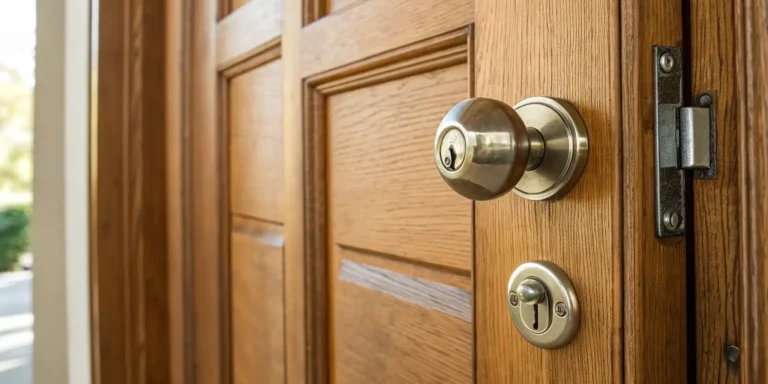
The handle type can still give you a clue, but the immediate question is whether the latch is actually being moved. Lever handles often fail at the set screw or spindle connection, standard knobs can spin when the internal connection strips, and older NYC mortise hardware may fail inside the case even when the trim still turns. If you are dealing with older or heavier-duty hardware, keep that in mind before forcing anything or ordering replacement parts.
What You’ll Need for the Job
Before you start taking things apart, let’s get your tools and supplies in order. Having everything you need within arm’s reach will make this process much smoother and save you from running back and forth to the garage. Think of it as your mission prep—a little organization now will help you get that door open in no time. Most of these items are things you likely already have around the house.
Your Basic Toolkit
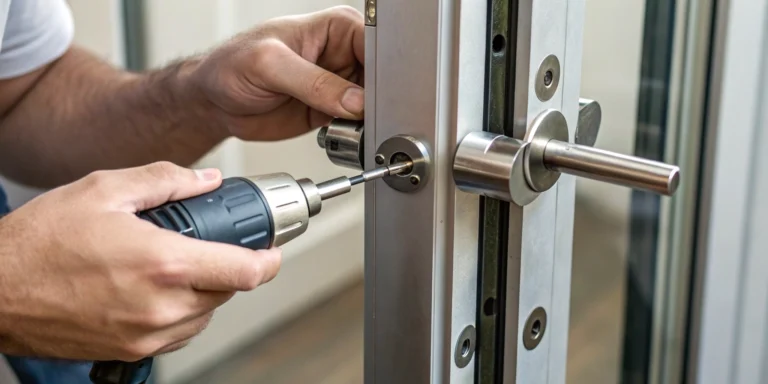
First, you’ll need a few essential hand tools. The star of the show is a good screwdriver. Most door handles are held together with Phillips head screws, but it’s smart to have a flathead on hand, too. You’ll need it to remove the screws on the interior side of the handle to access the inner mechanism. Some handles use a small set screw that might require an Allen key. It’s best to use a manual screwdriver instead of a power drill for this job to avoid stripping the small screws and causing a bigger headache. If you find the internal parts are beyond a simple fix, our residential locksmith team can always help.
Essential Cleaning and Lubricating Supplies
Over time, dust, grime, and tiny metal shavings can build up inside your door handle’s mechanism, causing it to stick. To clear it out, you’ll want a soft brush or a can of compressed air to remove any loose debris. After cleaning, a good lubricant is key. A spray lubricant like WD-40 can work wonders on the internal parts, but for the lock cylinder itself, a graphite-based or dry lubricant is a better choice because it won’t attract more dirt. A quick spray can get all the moving parts working together smoothly again, which is a core part of any door repair.
Don’t Forget Safety Gear
Wear gloves if you are working around greasy or sharp hardware, and stick with hand tools so you do not strip the screws or damage the handle while diagnosing the problem.
How to Get In When You’re Locked Out
That sinking feeling when you realize you’re locked out is the worst. Before you panic, take a deep breath. Depending on the door and the tools you have on hand, you might be able to get back inside without too much trouble. The key is to assess the situation calmly and decide if it’s a simple DIY fix or a job for a professional. If you’re dealing with an exterior door that secures your home or business, your safest bet is always to call for help to avoid damaging the lock or the door frame. But for an interior door, like a bedroom or bathroom, a few simple tricks might just do the job.
Ways to Open the Door Manually
If you’re trying to open an interior door with a simple latch, you can sometimes manually retract it from the outside. The classic trick involves using a thin, stiff piece of plastic, like an old credit card or gift card. Slide the card into the crack between the door and the frame, right where the latch is. You’ll need to angle it toward the doorknob and wiggle it while pushing against the latch to try and pop it back. This works best on spring latches that aren’t deadbolted. For some older knobs, you might even be able to use a shoelace or a piece of wire to loop around the latch and pull it open from the other side.
Quick Fixes to Get You By
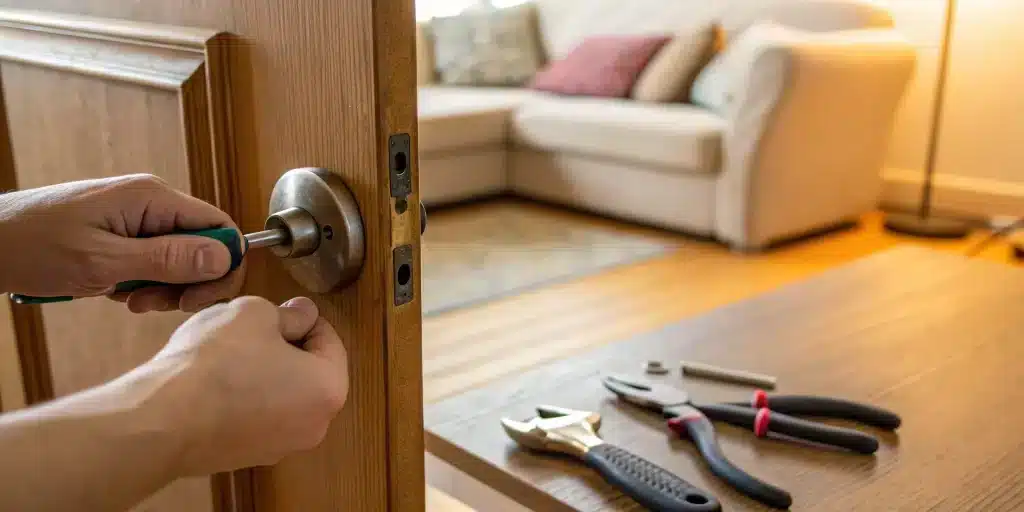
If you’re on the inside of the room and the handle is just spinning, the problem is likely with the spindle—the small metal bar that connects the two handles through the door. Often, a tiny set screw that holds the handle to the spindle has just come loose. If you have a small screwdriver or Allen key, you can try removing the handle to see what’s going on inside. Tightening that screw or realigning the spindle might be all it takes to get the mechanism to catch again. If you need to take the trim apart first, this guide on how to remove a lever door handle can help you reach the mechanism without guessing. This is a common issue that can often be resolved without needing a full replacement, making it a great first step for any residential locksmith issue.
Know When to Call a Professional
Let’s be real: DIY methods have their limits. If you’ve tried a few tricks and you’re still stuck, it’s time to stop before you accidentally cause more damage. If you hear broken parts rattling inside the handle, can’t get the latch to budge, or are locked out of your apartment or business, your best move is to call a professional. A broken handle can be a serious security risk, and forcing it can damage the door frame, leading to a much more expensive repair. An emergency locksmith has the right tools and expertise to get you inside quickly and safely, without wrecking your door in the process.
How to Repair Your Door Handle, Step-by-Step
Alright, you’ve got your tools ready and you’re prepared to figure this out. Taking apart a door handle can feel intimidating, but the mechanics are usually pretty straightforward. We’ll go through it together, step by step. Often, a little patience and a screwdriver are all you need to get your door working again. Just remember to work slowly and keep track of any screws or small parts you remove. Let’s get started.
First, Inspect the Handle
Before you take anything apart, take a close look at the handle itself. Is it loose or wobbly? If the handle spins freely without engaging the latch, the problem is often a tiny component called a set screw. Look for a small screw on the side or underside of the handle or lever. If you find one, grab the right screwdriver or Allen key and tighten it. This simple fix can re-engage the handle with the internal spindle, solving the problem instantly. While you’re there, check for any visible cracks or damage that might signal a more serious issue requiring professional door repair.
Clean and Lubricate the Mechanism
If tightening the screws doesn’t work, your next step is to clean the internal parts. Over time, dust, dirt, and grime can build up inside the latch mechanism, causing it to stick. Unscrew the handle from the door to expose the inner workings. Use a clean cloth or a small brush to wipe away any debris you see. Once it’s clean, apply a lubricant like a graphite or silicone-based spray directly into the latch mechanism. Work the handle back and forth a few times to spread the lubricant evenly. This maintenance can often restore smooth operation to a sticky or unresponsive handle.
Fix Common Issues Inside the Handle
If cleaning doesn’t do the trick, you might have a problem with the spindle—the square metal bar that connects the two handles through the door. If this part is stripped or has come loose, the handle will turn, but it won’t be able to retract the latch. After removing the handles, inspect the spindle and the square holes in the handles for wear. Sometimes, just reseating it can help. Another common issue is a broken spring inside the latch mechanism itself. If the latch doesn’t spring back on its own, the internal spring is likely broken, and you’ll probably need to replace the entire latch unit. For these more complex residential lock issues, don’t hesitate to call a pro.
Test and Make Final Adjustments
Once you’ve cleaned, lubricated, and reassembled everything, it’s time to test your work. Before you close the door, turn the handle and watch the latch bolt. Does it retract fully and smoothly? Does it spring back into place when you release the handle? Make sure all the screws are snug but not overly tight, as that can sometimes cause the mechanism to bind. Open and close the door a few times, testing the handle from both sides to ensure it’s working perfectly. If it’s still not functioning correctly after all your hard work, it might be a sign of a deeper problem that needs an expert eye.
How to Fix a Misaligned Door
Sometimes, the problem isn’t with your door handle at all. If your door has shifted over time, the latch might not line up correctly with the strike plate on the frame. This misalignment can prevent the door from opening, even when the handle turns perfectly. Before you take the handle apart, it’s worth checking if the door itself is the real issue. A misaligned door can cause sticking, drafts, and security vulnerabilities, so it’s a good problem to fix. Luckily, most alignment issues can be corrected with a few simple adjustments.
Spot the Signs of Misalignment
First, let’s play detective. Look for uneven gaps between the door and the frame. Is the space wider at the top than the bottom? That’s a classic sign of a sagging door. Next, pay attention to where the door sticks. If you feel resistance at the top corner opposite the hinges, the frame is likely sagging or the hinges are loose. If the door sticks or feels tight right around the latch area, the strike plate is probably out of position. Observing these little clues will tell you exactly where to focus your efforts and save you a lot of guesswork.
Adjust the Door Hinges
Your first and easiest fix is to check the hinges. Over time, the screws holding the hinges to the door and the frame can work themselves loose, causing the door to sag. Grab a screwdriver and tighten every single screw on all the hinges. Start with the top hinge, as it bears the most weight. You might be surprised to find a few that have become quite loose. Giving them a good tightening can often be enough to lift the door back into its proper position, allowing the latch to align and operate smoothly again.
Reposition the Strike Plate
If tightening the hinges didn’t do the trick, your next stop is the strike plate—the metal plate on the doorframe that the latch clicks into. Close the door slowly and watch how the latch bolt meets the plate. Is it hitting too high or too low? If so, it needs to be moved. Use a screwdriver to remove the strike plate. You may need to file the opening slightly larger or shift the plate up or down to align it perfectly with the latch. Once it’s in the right spot, screw it back in securely.
Make Simple Frame Repairs
What if you try to tighten a hinge screw and it just keeps spinning? That means the screw hole is stripped. An old carpenter’s trick is to dip a few wooden toothpicks in wood glue, stick them in the hole, and break them off flush with the surface. Let the glue dry, and you’ll have a solid base to drive the screw back in. For a door that sags persistently, try replacing the top hinge screws with longer, 3-inch screws. These will go through the doorjamb and anchor directly into the wall stud, providing much stronger support. If the frame itself is cracked or damaged, you might need professional door repair and installation to ensure your home is secure.
When and How to Replace the Handle
You’ve tried cleaning, lubricating, and tightening, but the handle still isn’t working. Sometimes, a repair just won’t cut it, and it’s time for a replacement. Swapping out a door handle can feel like a big step, but it’s often the most effective way to restore function and security to your door. Whether your current handle is broken, outdated, or just not matching your style anymore, installing a new one is a manageable project that can make a huge difference. Let’s walk through how to decide when to replace your handle and the right way to get it done.
Should You Repair or Replace?
Deciding between a quick fix and a full replacement can be tricky. If your door handle is just a bit loose or spinning freely, the problem might be as simple as a tiny set screw that has worked its way out of place. Tightening it can solve the problem in seconds. However, if you see visible cracks in the handle, significant rust, or if parts of the internal mechanism are clearly bent or broken, a replacement is your best bet. A handle that feels flimsy or doesn’t engage the latch consistently is more than an annoyance—it’s a security risk. When you’re locked out and unsure what to do, our emergency locksmith team can help you assess the situation and get back inside safely.
Choose the Right Replacement Handle
When you’re ready to buy a new handle, you’ll want to choose one that not only looks great but also fits your door correctly. Before you shop, measure the distance from the edge of the door to the center of the handle—this is called the backset. You’ll need a replacement with the same measurement to avoid drilling new holes. Think about the door’s function, too. A bedroom or bathroom needs a privacy lock, while a closet just needs a simple passage handle. If your old handle failed because of a broken spring or a worn-out latch, look for a high-quality replacement built for durability. Our residential locksmith experts can offer advice on selecting secure and reliable hardware for your home.
Step-by-Step Installation
Once you have your new handle, installation is usually straightforward. Start by removing the old one. You’ll typically find two visible screws on the interior side of the handle; unscrew these to loosen the entire assembly. You should then be able to pull the handles off both sides of the door. Next, remove the two screws on the edge of the door holding the latch mechanism in place and slide it out. To install the new one, just reverse the process: insert the new latch, position the new handles, and tighten the screws. Always read the instructions that come with your new hardware, as models can vary. If you run into trouble, our team offers professional door repair and installation to get the job done right.
Test Your New Handle
Don’t close your toolbox just yet. After installing the new handle, it’s crucial to test it thoroughly. With the door open, turn the handle and watch the latch. It should retract smoothly and fully extend when you let go. If it sticks, the internal spindle might be misaligned. Next, close the door and test it again. Does the latch catch securely in the strike plate? It shouldn’t rattle or feel loose. Finally, if your handle has a lock, test it several times with the key from both inside and outside. A perfectly installed handle is a key part of your home’s safety. If you’ve upgraded your handle, it might be a good time to evaluate your overall home protection with modern security systems.
Keep Your Door Handles Working Smoothly
The best way to fix a broken door handle is to prevent it from breaking in the first place. Your door handles see daily use, so wear and tear is inevitable. By spending just a few minutes on maintenance a couple of times a year, you can extend the life of your hardware and avoid the frustration of a sudden lockout. A little proactive care goes a long way in keeping your doors functioning correctly and your home secure.
Create a Simple Maintenance Routine
Think of this as a quick health check for your doors. Twice a year, take a moment to lubricate all the moving parts with a quality graphite or silicone-based spray. A quick spray into the latch mechanism and keyhole keeps everything moving without friction. Dirt and grime can cause parts to stick, so wipe down the handle and latch area with a clean cloth as you go. This simple routine is a core part of good residential locksmith care and helps prevent the common issues that lead to a handle failing.
Catch Problems Before They Start
Get in the habit of paying attention to how your door handle feels. Is it loose or wobbly? Are the screws tight? Does the latch retract smoothly? One of the biggest warning signs is a handle that doesn’t fully spring back to its horizontal position. If the lever still droops after you tighten hinges and strike alignment, move on to our fix floppy door handle walkthrough. This often means an internal spring has broken or slipped, a problem that will only get worse. Catching these small issues early gives you time to fix them before you’re stuck in a lockout. If you notice a serious problem, it might be time to call an emergency locksmith before you get locked out.
Tips for Long-Lasting Handles
Beyond cleaning and lubricating, a few good habits can make a big difference. Avoid slamming the door, as the impact can damage the delicate internal mechanisms. It’s also a good idea not to hang heavy items like purses or grocery bags on the handle, which puts extra strain on the components. Finally, check that your door is properly aligned. If you have to push or pull on the door to get the latch to catch, it’s putting constant pressure on the handle. Proper door repair and installation can solve alignment issues and protect your hardware from unnecessary stress.
Thinking About Your Home’s Security
When a door handle breaks, it’s easy to focus only on the immediate problem of getting the door open. But it’s also a great opportunity to step back and look at your home’s security as a whole. A faulty handle can be a sign that your hardware is aging or that there are weak points you haven’t considered. Taking a moment to assess your locks and doors can give you peace of mind and help you protect what matters most.
Different Types of Lock Mechanisms
To understand why your handle failed, it helps to know a little about how it works. Most door handles connect to a part called a spindle, a small metal bar that passes through the door. When you turn the handle, the spindle rotates and pulls back the latch bolt—the small metal “tongue” that keeps the door shut. If the handle turns but the latch doesn’t move, the problem is often a stripped or disconnected spindle. Over time, the connection points can wear down, causing the handle to spin freely without actually engaging the lock mechanism inside the door.
Consider Extra Security Features
A broken door handle is a clear security risk. It makes your home an easier target and signals that your hardware might be outdated. If your lock is old, rusty, or visibly damaged, simply repairing the handle might not be enough. This is the perfect time to consider an upgrade. Replacing a standard lock with a high-security deadbolt adds a significant layer of protection. You could also explore modern security systems that integrate smart locks, giving you more control and awareness over who enters your home. Taking this extra step turns a frustrating repair into a smart security investment.
Smart Latch Retrofitting
A growing trend for 2026 is the ability to retrofit existing hardware. Many mechanical handles can now be upgraded to support smart entry systems without the need to replace the entire door, providing a high-tech security boost to traditional setups.
Vintage Mortise Lock Specialists
We provide specialized services for pre-war buildings, particularly in the Upper West Side and West Village. These historic properties often feature vintage mortise locks that are prone to the “spinning handle” failure mode due to their age, requiring expert mechanical knowledge to repair correctly while maintaining the building’s aesthetic.
When to Get a Professional Security Assessment
If you’ve tried a few fixes and the door still won’t budge, it’s time to call a professional. A locksmith has the specialized tools and experience to diagnose the problem without causing further damage to your door or frame. Sometimes, a sticking door can even point to a larger issue, like a shifting foundation. While a locksmith can address the lock and door alignment, they can also help you identify if a more serious structural problem is the root cause. Getting a professional residential locksmith to assess the situation ensures the job is done right and your home is secure.
Related Articles
- Locked Out? 5 Steps to Take Before Calling a Locksmith
- Understanding Different Lock Types: A Quick Overview
- What To Do When Locked Out of House
Frequently Asked Questions
What’s the most likely reason my handle is just spinning? More often than not, a spinning handle points to a problem with the spindle, which is the small metal bar that connects the handles through the door. This part can become worn down or disconnected over time, causing the handle to turn without actually moving the latch. Another common culprit is a tiny set screw on the handle itself that has simply worked its way loose.
I’m locked out of a room right now. What should I try first? If you’re locked out of an interior room like a bedroom or bathroom, you can often use a thin, stiff piece of plastic like a credit card to get in. Slide it into the gap between the door and the frame right at the latch, angle it, and jiggle it to pop the latch back. If that doesn’t work or you’re dealing with an exterior door, your safest and fastest option is to call a professional to avoid damaging the lock or door.
How do I know if the problem is the handle or the door itself? Pay attention to how the door closes. If you have to push, pull, or lift the door to get it to latch properly, the issue is likely misalignment. You might also see uneven gaps around the door frame. If the door closes perfectly but the handle feels loose, makes grinding noises, or spins without resistance, the problem is almost certainly within the handle’s internal mechanism.
Is it better to just replace the whole handle instead of trying to fix it? If the handle is old, rusty, or has visible cracks, replacing it is usually the best long-term solution. A repair is a great option for simple issues like a loose screw or a mechanism that just needs a good cleaning and lubrication. However, if internal parts like the spring or latch are broken, a full replacement is often easier and more reliable than trying to find specific replacement parts.
When should I give up on a DIY fix and call a locksmith? You should call a professional if you’re locked out of your home or business, as forcing the door can cause expensive damage. It’s also time to call for help if you’ve taken the handle apart and can see broken metal pieces, or if you’ve tried all the simple fixes and the handle still won’t work. A professional can diagnose the issue quickly and has the right tools to fix it without compromising your security.
Is my NYC landlord responsible if my door handle breaks and won’t open? In most NYC rental buildings, the landlord is legally responsible for maintaining entrance doors in good repair, including handles and locks, under the Warranty of Habitability. However, if you are a commercial tenant or own a co-op/condo, the responsibility typically falls on you. We provide itemized repair invoices accepted by NYC management companies for reimbursement.
Why does my door handle spin freely without retracting the latch? A spinning handle usually indicates a broken spindle or a detached set screw inside the mechanism. In older NYC mortise locks, this often means the spring cartridge has failed. Unlike modern tubular locks, these require specialized repair parts rather than full replacement to maintain the door’s fire rating and aesthetic.
Need professional help in NYC? Contact Golden Key Locksmith NYC for Commercial Door Repair or Metal Door Repair. Available 24/7 across Manhattan and all NYC boroughs.
Need help? Call Golden Key NYC for professional locksmith services in NYC. Available 24/7 at (212) 204-1655.