

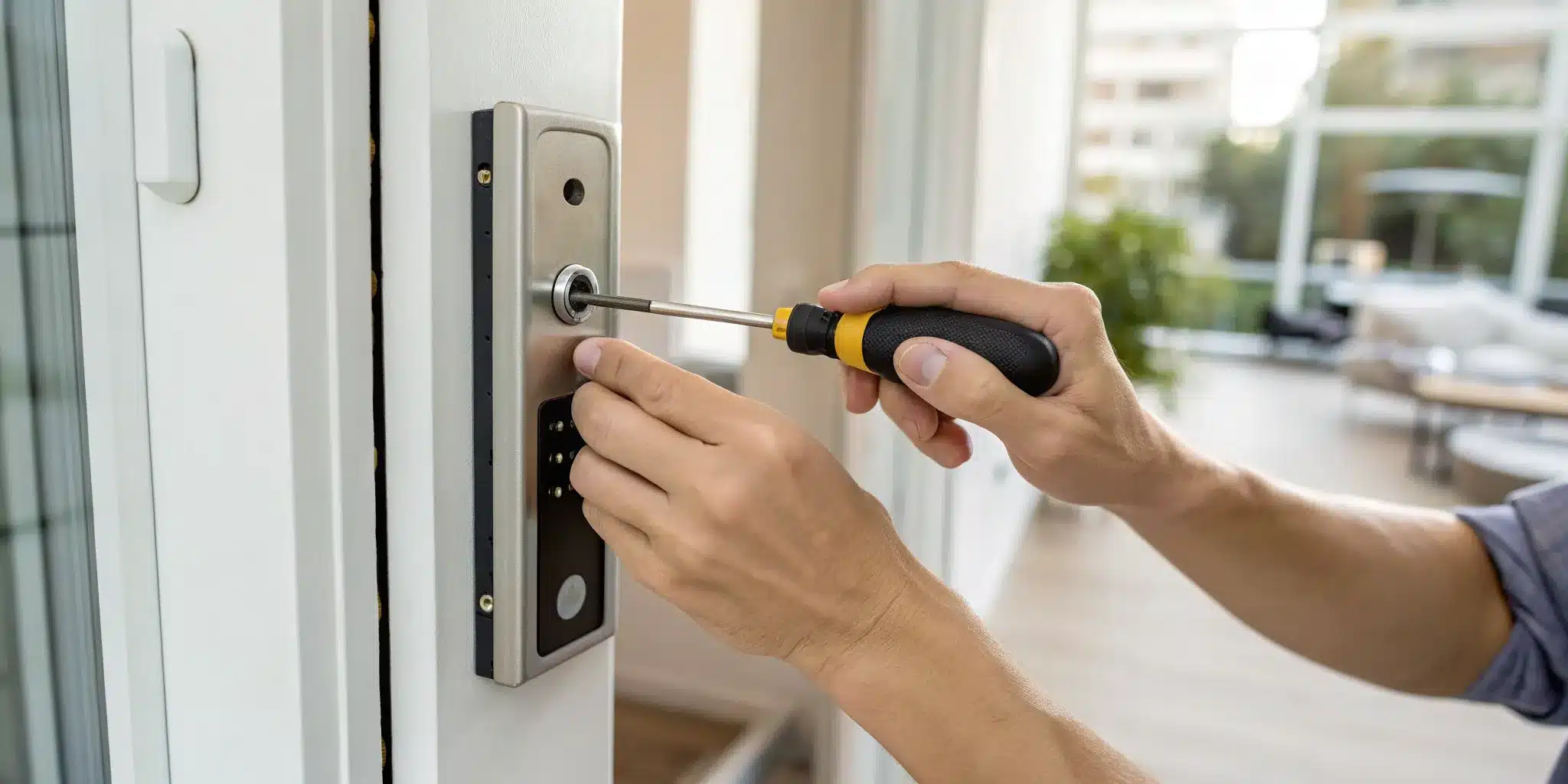
When your flat intercom phone not working, your first instinct might be to call for an expensive repair. But what if the fix is something you can handle in just a few minutes? Before you assume the worst, it’s worth doing a little detective work. Intercom systems, especially in older buildings, can be finicky, but their problems often follow a pattern. A loose connection, a tripped breaker, or even a muted setting can be the source of the trouble. This article is your practical guide to troubleshooting. We’ll cover the simple checks you can perform safely, help you identify the signs of a more serious problem, and empower you to make an informed decision.
Key Takeaways
- Check the basics before you call: Many intercom issues stem from simple problems like a tripped circuit breaker, incorrect volume settings, or a loose wire. A quick self-check can often solve the problem without needing a service call.
- Leave complex issues to the pros: Persistent static, intermittent functionality, or problems affecting multiple units are signs of a deeper electrical fault. For safety and a reliable fix, these issues require a professional technician.
- View frequent repairs as a sign to upgrade: If you’re constantly fixing an old system, the costs can add up. Upgrading to a modern intercom is often a more cost-effective long-term solution that also improves your property’s security.
Why Isn’t My Intercom Working?
It’s one of those classic New York City frustrations: you’re expecting a delivery or a friend, and your intercom decides to stop working. Suddenly, you’re cut off. Before you start yelling down from your window, it helps to understand what might be going on. Most intercom problems boil down to a handful of common issues, from simple power glitches to the natural wear and tear that comes with age. For many apartment dwellers and business owners, a faulty intercom is more than an inconvenience—it’s a security concern.
Figuring out the root cause is the first step toward getting it fixed. Often, the solution is surprisingly simple, like a tripped breaker. Other times, the problem lies deeper within the system’s wiring or internal components, especially in older buildings. Tracing the issue can feel like detective work, but knowing where to look can save you a lot of time and stress. We’ll walk through the most frequent culprits, from power supply hiccups and bad wiring to worn-out parts, so you can get a better handle on why your buzzer has gone silent and what you can do about it. This knowledge will help you decide if it’s a quick fix or time to call in a professional for your building’s security systems.
Power Supply and Circuit Breaker Issues
Before you assume the worst, let’s start with the simplest explanation: a power problem. Your intercom system needs electricity to function, and any interruption can knock it offline. The first place you should always check is your circuit breaker box. A power surge or an overloaded circuit could have tripped the breaker connected to your intercom. Simply flipping it back on might solve the issue instantly. If the breaker trips again right away, that signals a deeper electrical problem that needs a professional’s attention. A building-wide power outage, even a brief one, can also sometimes cause intercoms to glitch, requiring a reset. It’s the most basic step, but one that’s often overlooked in the heat of the moment.
Faulty Wiring and Loose Connections
If the power seems fine, the next likely suspect is the wiring. Over time, wires can fray, corrode, or simply come loose, especially in older buildings where the wiring has been around for decades. A single loose connection anywhere in the system—from the main panel to your apartment’s handset—can disrupt the signal and cause the entire unit to fail. You might notice symptoms like static, intermittent functionality, or a complete lack of sound. While you can sometimes spot a loose wire at the connection point in your apartment, tracing issues within the walls is a job best left to an expert who understands how to handle these delicate residential locksmith and security tasks safely.
Low Voltage Problems
Intercom systems typically run on low voltage, which is supplied by a component called a transformer. This transformer steps down your building’s standard electrical voltage to a level that’s safe for the intercom to use. If the transformer starts to fail or if there’s an issue with the wiring connected to it, the system won’t receive the correct amount of power. This can lead to a range of problems, from a weak or non-existent buzz to a video screen that won’t turn on. Diagnosing a low voltage issue requires a tool like a voltage meter, so this is another area where professional help is usually necessary to ensure an accurate and safe repair.
Worn-Out Internal Parts
Like any electronic device, the internal parts of your intercom won’t last forever. Buttons get stuck from constant use, speakers can blow out, and the buzzer mechanism itself can simply break down. In older analog systems, these mechanical failures are quite common. You might find that your button works but no one can hear you, or you can hear visitors but the door release buzz won’t engage. Finding replacement parts for vintage systems can be a challenge, and sometimes the cost and effort of repairing an old unit make upgrading a more practical choice. When your intercom fails unexpectedly, it can feel like a crisis, which is why having an emergency locksmith on call is always a good idea.
How to Troubleshoot Your Intercom Step-by-Step
When your intercom stops working, it can feel like a major headache, especially in a busy building. But before you assume the worst, there are a few simple troubleshooting steps you can take on your own. Often, the fix is surprisingly simple and doesn’t require a professional call-out. Walking through these checks can help you identify the root of the problem and, in many cases, solve it yourself in just a few minutes. Let’s go through the process one step at a time to see if we can get your system back online.
Check the Power and Reset the Breaker
First things first, let’s make sure the unit is actually getting power. It sounds basic, but it’s the most common culprit when an intercom goes completely silent. Head over to your apartment or office’s circuit breaker box and look for the switch that controls your intercom system. It might not be labeled, so you may need to check the diagram inside the panel door. If the breaker is tripped (usually in the middle or “off” position), simply flip it back to the “on” position. This single step can often restore power and bring your intercom back to life instantly.
Inspect Wires and Connections
If the power is on but the intercom still isn’t working, the next step is to check the wiring. Over time, connections can become loose or wires can get damaged. Start by examining the wires leading into your main intercom unit. Do you see anything that looks frayed, disconnected, or pinched? Make sure everything is securely plugged in. If you feel comfortable, you can turn off the power at the breaker and gently tug on the connections to ensure they are snug. Damaged wiring is a common issue in older buildings and can disrupt the signal, but a quick inspection will tell you if you need professional security system help.
Test Buttons and Door Release
Sometimes the problem isn’t with the system’s core but with the physical buttons you use every day. Check each button on your intercom unit—the “talk,” “listen,” and “door” buttons. Do any of them feel stuck, sticky, or unresponsive? Gunk and grime can build up over time, preventing them from making proper contact. Try cleaning around the buttons with a soft, dry cloth. While you’re at it, test the door release function. If you can communicate through the intercom but the door won’t buzz open, the issue might be with the door’s electric strike, not the intercom itself. This could point toward needing a door repair instead.
Adjust Volume and Privacy Settings
This is another simple fix that’s easy to overlook. Many intercom systems have a volume control dial or slider. It’s possible it was accidentally turned all the way down, making it seem like the system is broken when you just can’t hear it. Check for any volume controls and turn them up. Additionally, look for a privacy switch or button. This feature is designed to mute the intercom so you aren’t disturbed. If the privacy mode is activated, your unit won’t buzz or receive calls from the main entrance. Make sure this switch is in the “off” position to allow normal operation.
Look for Visible Damage Inside
If you’ve tried everything else and are still having issues, you can perform a quick visual inspection of the internal components. Before you do anything, make sure you shut off the power at the circuit breaker for safety. Carefully remove the cover of your intercom unit and look inside for any obvious signs of trouble. You’re looking for things like burnt spots on the circuit board, corrosion from water damage, or wires that have come loose from their terminals. If you see anything that looks damaged, don’t try to fix it yourself. This is a clear sign that it’s time to call a professional residential locksmith to handle the repair safely.
Signs You Need a Professional for Intercom Repair
Sometimes, a quick fix just isn’t in the cards. While it’s great to try troubleshooting on your own, certain intercom problems are clear signs that it’s time to call in a professional. Pushing a DIY repair too far can sometimes make the problem worse or even create a safety hazard. If you run into any of the following issues, your best bet is to put down the tools and pick up the phone to schedule a service call. A professional technician can diagnose these complex issues quickly and get your system back online safely.
No Sound or Constant Static
If you pick up your intercom handset and hear complete silence, or worse, a loud, high-pitched squeal, something is definitely wrong internally. This isn’t just a bad connection; it often points to a malfunctioning speaker, microphone, or another electronic component inside the unit. That constant static or screeching sound is a classic symptom of hardware failure. Instead of trying to dismantle the handset yourself, which could void a warranty or cause more damage, it’s wise to have an expert take a look. They have the right tools to diagnose and replace the faulty parts in your security system.
System Keeps Disconnecting
Does your intercom work one minute and cut out the next? Frequent and random disconnections are incredibly frustrating and usually signal a deeper issue than a simple loose wire. If you’ve already tried resetting the system and checking for obvious issues, but the problem persists, it could be related to faulty wiring within the walls or a problem with the central power supply. An unreliable intercom is an insecure one. A professional can trace the connection from your unit to the main system to find the source of the instability, ensuring your residential locksmith and security needs are met.
Video Display Isn’t Working
For those with video intercoms, a blank or flickering screen can be caused by a number of things. It could be a problem with the camera itself, a poor internet connection, a power supply issue, or even a software glitch. With so many potential culprits, diagnosing the exact cause can feel like a wild goose chase. A professional technician can systematically test each component to pinpoint the failure without the guesswork. This saves you time and ensures that the right part of your access control system gets fixed correctly the first time.
Multiple Units in the Building are Failing
Before you assume the problem is just with your apartment, it’s a good idea to check with a few neighbors. Are they having intercom trouble, too? If multiple units in your building are experiencing the same issue, the problem likely isn’t in your flat. This usually points to a failure in the building’s central intercom panel or the main wiring that connects all the units. This is a large-scale problem that requires a professional who understands how these complex commercial locksmith and residential systems are wired and can safely work on them without disrupting service for the entire building.
Simple Maintenance to Prevent Intercom Problems
A little prevention goes a long way, especially with the systems we rely on daily. Your intercom is no exception. Instead of waiting for it to fail completely, you can perform some simple, regular maintenance to keep it running smoothly. These small steps can save you from the headache of a sudden breakdown and potentially expensive repairs. Think of it as a quick health check-up for your building’s communication system.
Clean and Inspect It Regularly
This might sound basic, but you’d be surprised what a little cleaning can do. Dust, grime, and even tiny insects can get into the speaker, microphone, and button crevices, causing muffled sound or sticky buttons. Use a soft, dry cloth to wipe down the exterior unit and your indoor handset. A can of compressed air can be great for clearing out debris from small openings. While you’re at it, do a quick visual inspection. Do you see any cracked casings, frayed wires, or signs of moisture? Catching these small issues early can prevent bigger problems.
Tighten Connections and Test Voltage
Over time, vibrations and daily use can cause wires to loosen. For wired systems, this is a common source of trouble. If you’re comfortable, you can carefully open the unit (after turning off the power at the breaker!) and gently check that all wire connections are secure. If you see any that are loose, tighten them. However, if you notice damaged or corroded wires, it’s best to stop there. Dealing with electrical components can be tricky, and it’s always safer to call a professional for any emergency locksmith or repair needs rather than risk causing more damage or injuring yourself.
Update Software on Digital Systems
If you have a modern video or smart intercom, you’re dealing with more than just wires—you’re dealing with software. Just like your phone or computer, these systems need occasional updates to fix bugs, patch security vulnerabilities, and improve performance. Check the manufacturer’s app or website for any available firmware updates. Running on outdated software can lead to connectivity issues, app glitches, or a non-responsive system. Keeping your security systems up-to-date is a simple but crucial step for ensuring they work when you need them most.
Schedule Checks for Components and Batteries
For a truly hands-off approach, schedule periodic professional maintenance. This is especially important for multi-unit residential or commercial buildings. A technician can perform a more thorough inspection, test voltage levels, check backup batteries, and identify wear and tear on internal components before they fail. Having a professional from a trusted commercial locksmith service look at your system once or twice a year provides peace of mind and helps extend the life of your intercom. It’s a small investment that prevents major disruptions down the line.
Is It Time to Upgrade Your Intercom System?
Sometimes, fixing what’s broken is the right move. But when it comes to your building’s intercom, repeated repairs might just be a temporary fix for a much bigger problem. An outdated or failing system isn’t just an inconvenience; it can be a security risk. If you find yourself constantly troubleshooting or calling for repairs, it might be more cost-effective and secure to consider an upgrade.
Deciding to replace your intercom is a big step, but it often solves persistent issues for good while introducing modern features that improve your daily life and security. Think of it as an investment in your property’s safety and functionality. If you’re on the fence, there are a few clear signs that your current system has reached the end of its useful life. From outdated technology that’s impossible to service to a growing need for better security, let’s walk through the key indicators that it’s time for a change.
The Technology is Outdated
If your intercom system looks like it belongs in a museum, it’s probably time for an upgrade. Older systems often rely on complex, hard-to-trace wiring that can be a nightmare to diagnose and repair, especially when it’s hidden behind walls. Finding replacement parts for these decades-old units can be next to impossible, and instruction manuals are often long gone. Technicians may spend hours just trying to figure out the original setup, which translates to higher labor costs for you. Modern intercoms are designed with simpler, more efficient technology that is easier to install, service, and use, saving you from the headache of dealing with obsolete hardware.
Repair Costs are Adding Up
Are you on a first-name basis with your repair technician? While a single service call might seem affordable, frequent breakdowns are a sign of a failing system. When you find yourself budgeting for intercom repairs every few months, those costs start to accumulate. Eventually, you’ll spend more on patching up an old system than you would on a brand-new, reliable one. If your intercom fails unexpectedly and you need an emergency locksmith to get it working again, take a moment to consider the long-term costs. Investing in a new system can stop the cycle of expensive repairs and give you peace of mind.
You Need Better Security Features
An intercom is your first line of defense, so its features should meet modern security standards. Many old systems offer little more than a crackly audio connection, leaving you to guess who’s at the door. Upgrading gives you access to high-definition video, so you can see and speak to visitors clearly. Modern security systems often include features like mobile app integration to answer your door from anywhere, temporary access codes for guests or deliveries, and a time-stamped log of who entered and when. These features provide a significant security improvement for both homes and businesses, giving you much more control over who enters your property.
You Want to Integrate with Other Systems
Your intercom doesn’t have to be a standalone device. Today’s systems are designed to be part of a connected smart home or business ecosystem. Imagine your intercom working seamlessly with your smart locks, security cameras, and alarm system, all controlled from a single app on your phone. This integration adds a layer of convenience and control that older systems simply can’t offer. For a business, a modern intercom can be integrated into a larger access control network, making it easier for your commercial locksmith to create a comprehensive security plan. An upgrade allows you to build a smarter, more responsive security setup.
The Perks of a Modern Intercom System
If you’re constantly dealing with a faulty intercom, you might be wondering if it’s worth another repair. Sometimes, the best fix is an upgrade. Modern intercoms offer much more than just a way to buzz someone in; they are sophisticated tools that can seriously improve your property’s security and your daily convenience. Moving to a new system can solve persistent issues for good and introduce features you’ll quickly wonder how you lived without. From crystal-clear video to controlling access from your phone, the benefits are pretty compelling for any NYC home or business.
Advanced Security and Video
The biggest leap forward in intercom technology is video. Instead of guessing who’s on the other side of a crackly speaker, you can see a clear, full-color image of your visitor right on an indoor monitor or your smartphone. This simple feature is a powerful deterrent against unauthorized entry and gives you total confidence before you grant access. Knowing exactly who is at your door provides a level of security that audio-only systems just can’t match. Upgrading your building’s entry is a key part of a modern security system.
Smart Home and Mobile App Control
Today’s intercoms are designed to fit right into your connected lifestyle. Many new systems integrate with smart home technology, allowing you to manage your front door alongside your lights and thermostat. The real magic is in the mobile app control. Whether you’re in your apartment or across town, you can see who’s buzzing, have a conversation, and grant entry all from your phone. This makes managing deliveries, guests, and service providers incredibly simple and secure. It’s about having complete control over your entryway, right in the palm of your hand.
Clearer Audio Quality
Remember the frustration of trying to understand a muffled voice through an old intercom? Modern systems have left that problem in the past. Thanks to advanced audio technology, you get crisp, clear sound quality in both directions. This means no more shouting matches or misunderstood messages. Whether you’re confirming a delivery or speaking with a guest, you can have a normal conversation without static or distortion. This reliability is crucial for effective communication and makes the entire experience much more pleasant and professional for both you and your visitors.
Remote Access from Anywhere
The ability to manage your intercom remotely is a true game-changer. With mobile app integration, you’re never out of reach. If a package arrives while you’re at the office, you can see the delivery person and unlock the door for them to leave it in a secure lobby. If friends show up early, you can let them in while you’re on your way home. This feature gives property managers and homeowners an incredible amount of flexibility and control. It adds a powerful layer of convenience to your residential locksmith security plan, ensuring you’re always in charge of who enters your space, no matter where you are.
DIY vs. Professional Repair: Which is Right for You?
When your intercom stops working, the urge to fix it yourself can be strong. A quick DIY solution seems like the fastest and cheapest route. But before you start unscrewing panels, it’s worth taking a moment to consider if a professional repair is the smarter choice. Sometimes, what looks like a simple fix can quickly become a complicated and costly problem, especially with the intricate wiring found in many NYC buildings. Weighing the complexity, safety, and long-term costs will help you decide the best path forward.
Safety and Building Code Compliance
Your first step shouldn’t be to grab a screwdriver, but to check with your landlord or building management. In many apartment buildings, the intercom is considered shared equipment, and they may be responsible for the repairs. Handling electrical wiring without experience can be risky, and a faulty repair could violate city building codes. A professional technician understands these regulations and ensures any work done is safe and compliant. This protects you from potential fines and ensures the safety of everyone in the building. It’s always better to rely on an expert for security systems to avoid any liability.
How Complex is the Problem?
If you’ve already tried basic troubleshooting like checking the power and the problem persists, it’s likely more than a loose wire. Older intercom systems, common in many New York buildings, can be a maze of complicated, unlabeled wiring, and finding a manual is often impossible. A professional can quickly diagnose the root cause, whether it’s a faulty connection, a worn-out component, or a low-voltage issue. They have the right tools and experience to trace the problem without causing further damage, saving you hours of frustration and guesswork. For any residential locksmith or security issue, an expert diagnosis is key.
Cost vs. Warranty Protection
While a DIY fix might seem cheaper upfront, the costs can add up if the problem keeps coming back. Investing in professional repairs often provides better long-term value. A reputable service will stand by their work, offering a warranty on both parts and labor that you simply don’t get when you do it yourself. If your system is old and requires frequent fixes, a technician can also advise you on whether it’s more cost-effective to upgrade. A modern system can offer better performance and security, saving you from the endless cycle of patching up outdated technology.
How to Choose the Right Intercom Repair Pro
When your intercom system acts up, finding the right person to fix it can feel like a challenge. You need someone reliable, skilled, and available when you need them most. To make sure you hire a true professional, focus on a few key areas that separate the experts from the amateurs.
Check for Qualifications and Licenses
First things first, always verify a technician’s qualifications. A licensed and insured professional has the proven expertise to handle complex wiring and delicate electronic components. Experts have the right tools and skills to diagnose problems you can’t see, ensuring the repair is done correctly the first time. Hiring an unqualified person can lead to bigger issues, potential damage to your property, and even safety risks. A qualified pro will understand local building codes and ensure your security systems are compliant and secure.
Confirm Service Area and Emergency Availability
Imagine your intercom fails late at night, leaving your building’s entrance unsecured. In moments like these, you need a local team that offers emergency services. Before you hire anyone, confirm they serve your neighborhood—whether you’re in Manhattan, Brooklyn, or Queens—and that they have a 24/7 response team. A reliable company should prioritize customer support and be able to get to you quickly. When you’re assessing your options, ask about their average response time for an emergency locksmith call to ensure they can provide the timely help you need.
How Golden Key Locksmith NYC Can Help
At Golden Key Locksmith NYC, we check all the boxes. Our team is made up of licensed, experienced technicians who specialize in a wide range of intercom and security systems for both homes and businesses. We proudly serve Manhattan, Brooklyn, and Queens with 24/7 emergency availability, so you’re never left waiting when a problem arises. Whether you need a simple repair or a full system diagnosis, our residential locksmith and commercial experts are equipped to handle the job efficiently and professionally, restoring your peace of mind.
Related Articles
- Intercom Not Working? 7 Easy Fixes To Try
- DIY Intercom System Repair: A Step-by-Step Guide
- Intercom Buzzer With Door Release: A Buyer’s Guide
Frequently Asked Questions
I’ve tried the basic troubleshooting steps, and my intercom is still broken. What’s next? If you’ve already checked the circuit breaker and looked for simple issues like loose wires or incorrect settings, it’s time to call a professional. At this point, the problem is likely internal, such as a failing component or a wiring issue within the walls. A technician has the specialized tools to safely diagnose and fix these more complex problems without causing further damage.
Is it more cost-effective to repair my old intercom or just replace it? A good rule of thumb is to consider an upgrade if your repair costs are adding up to half the price of a new system. If you find yourself calling for service more than once a year, replacing the unit is often the smarter long-term investment. A new system not only solves the recurring issues but also provides better security features and reliability.
My intercom is making a constant buzzing or humming sound. What does that mean? A persistent humming or buzzing noise usually points to an electrical problem. This could be an issue with the system’s power supply, specifically the transformer, or a short circuit somewhere in the wiring. Because this involves electrical currents, it’s not something you should try to fix yourself. It’s best to have a professional inspect it to ensure a safe and accurate repair.
The talk/listen function on my intercom works, but the door won’t unlock. Is this an intercom issue? It could be, but not necessarily. While the problem might be a faulty door release button on your intercom unit, it’s just as likely that the issue is with the electric strike mechanism in the door frame itself. A professional locksmith can test both parts of the system to pinpoint the exact cause and determine if it’s an intercom repair or a door hardware repair that’s needed.
How often should my building’s intercom system be professionally checked? For most residential or commercial buildings, having a professional inspect the intercom system once a year is a great practice. This preventative check-up allows a technician to spot signs of wear and tear, test voltage levels, and ensure all connections are secure before they turn into bigger problems. Regular maintenance helps extend the life of your system and prevents unexpected failures.
Need professional help in NYC? Contact Golden Key Locksmith NYC for Commercial Door Repair or Metal Door Repair. Available 24/7 across Manhattan and all NYC boroughs.