

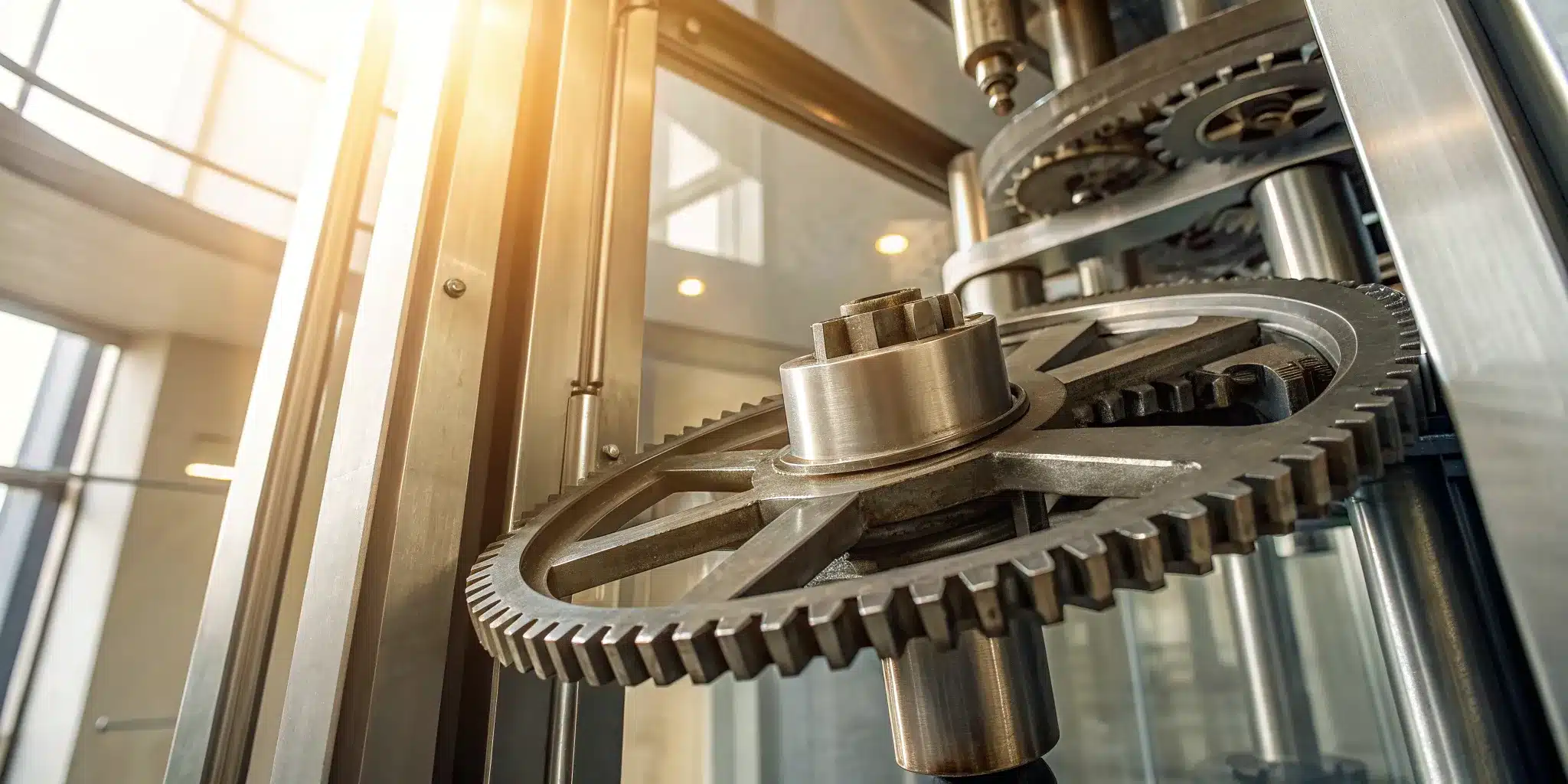
That unmistakable grinding sound. The slight shudder as the door struggles to complete a rotation. These aren’t just minor annoyances; they’re warning signs that your building’s main artery is in trouble. For property managers in New York City, a malfunctioning revolving door is more than an inconvenience—it’s a disruption to the constant flow of people and a potential safety hazard. Ignoring these early signals often leads to more complex and expensive problems, from complete mechanical failure to electrical issues. This guide will walk you through the common symptoms that call for professional revolving door repair, helping you understand when to make the call and what to expect from a qualified technician.
Key Takeaways
- Practice Proactive Care: Combine daily visual checks for strange noises or debris with scheduled professional tune-ups. This simple routine is the most effective way to prevent major failures and extend the life of your door.
- Act on Early Warning Signs: Grinding sounds, inconsistent speed, or visible damage are clear signals that your door needs attention. Calling a technician for these small issues keeps them from turning into expensive, business-disrupting emergencies.
- Rely on Qualified Technicians: Revolving doors are complex systems that must meet strict safety and accessibility codes. Always hire certified professionals to ensure repairs are done correctly, safely, and in full compliance with regulations.
What is a Commercial Revolving Door?
If you manage a commercial building in New York City, you’re probably familiar with revolving doors. They’re a staple in hotels, office buildings, and high-traffic storefronts for a reason. At its core, a commercial revolving door is an elegant solution for managing the flow of people while also keeping the building’s internal climate stable. Think of it as a gatekeeper for your building’s energy efficiency. By creating an airlock, these doors prevent drafts, keeping heated or cooled air inside where it belongs. This design helps control energy costs and maintains a comfortable environment for everyone inside.
Beyond energy savings, revolving doors are masters of crowd control. They allow a continuous, smooth flow of entry and exit without the constant opening and closing of traditional swing doors. This makes them ideal for busy entrances where you need to prevent bottlenecks. Whether you have a classic manual door or a modern automatic system, its primary job is to offer a seamless transition between the outdoors and your indoor space. Understanding how these complex systems work is the first step in knowing how to properly maintain them and when to call for professional door repair and installation.
How It Works: Key Components
A revolving door might look complicated, but it operates on a few simple principles and core parts working together. The most visible parts are the door panels, often called “wings,” which are the sections you push or that move automatically. These wings are connected to a central pole that acts as the axis of rotation. The entire assembly is housed within a round glass enclosure known as a “rotunda.” Above, the ceiling contains the mechanism that controls the door’s speed. In manual doors, this is a braking device, while automatic doors have a motor to power the rotation. Each component is essential for the door’s smooth and safe operation.
Common Types of Revolving Doors
Not all revolving doors are created equal; they come in several types designed for different building needs. The most common are manual and automatic. Manual doors are user-powered and often found in buildings with moderate foot traffic. Automatic doors, powered by motors and sensors, are perfect for high-traffic locations like airports and hospitals. For buildings with higher security needs, there are specialized options. Security revolving doors are designed to prevent “tailgating” by allowing only one person per segment, while ballistic or bulletproof doors offer an even higher level of protection. Choosing the right type is a key decision for any commercial property.
Standard Safety Features
Safety is paramount when it comes to revolving doors, which is why they are built with several key features. In the United States, all revolving doors are required to have a “panic collapsing mechanism.” This brilliant feature allows the door wings to fold outward in an emergency, like a fire, creating a wide, unobstructed exit path for a quick evacuation. This ensures the door doesn’t become a hazard when every second counts. Many modern doors also include sensors that can detect if someone is moving too slowly or has stopped, preventing them from getting trapped. When these features fail, it’s a serious issue that requires an emergency locksmith or door technician right away.
When to Call for Revolving Door Repair
Revolving doors are complex machines, and when they start acting up, it’s more than just an inconvenience—it can be a safety hazard. Knowing the early warning signs can save you from a bigger headache down the road. From strange noises to sluggish movement, these doors have ways of telling you something is wrong. Paying attention to these signals and calling for a professional door repair service at the right time keeps your building accessible, safe, and running smoothly. Let’s walk through the specific issues you should be looking out for.
Mechanical Problems to Watch For
Grinding, squeaking, or scraping sounds are your first red flags. These noises often mean internal components are worn or misaligned. You might also notice the door is harder to push or that its speed is inconsistent. Because these systems are so intricate, it’s best to leave the diagnosis to the pros. An inexperienced hand can cause more damage, turning a simple fix into a major repair. Only factory-trained technicians truly understand the complexities of these doors and can address the root cause of the problem safely and effectively.
Signs of Electrical Failure
Many modern revolving doors have electrical components that manage their speed and automatic functions. If your door suddenly stops responding to a push button or its rotation becomes jerky and uneven, you could be looking at an electrical issue. Flickering sensors or a complete lack of movement are also clear signs of trouble. Don’t try to troubleshoot these problems yourself. Electrical work requires specialized knowledge to avoid injury and further damage to the door’s control system. A professional commercial locksmith can safely inspect the wiring, sensors, and motor to get things spinning correctly again.
Spotting Structural and Weather Damage
Your revolving door is constantly exposed to the elements, and over time, that takes a toll. Check the seals along the edges of the door wings. These rubber and felt components are designed to wear out over time and need regular replacement to maintain an effective barrier against drafts. Also, look for cracked glass, dented panels, or a frame that seems to be pulling away from the building. After a major storm or extreme temperature shifts, it’s always a good idea to give your door a quick visual inspection for any new signs of damage.
How to Tell if Safety Features Are Failing
Safety features are non-negotiable. All revolving doors in the U.S. are required to have a “panic collapsing mechanism,” which allows the door wings to fold away during an emergency to create a wide-open exit. If this feature is jammed or difficult to engage, it’s a serious safety risk that needs immediate attention. Other safety sensors, like those that prevent the door from hitting a person or object, should also be tested regularly. If you notice the door isn’t slowing or stopping as it should, it’s time to call for an emergency locksmith to ensure your building remains compliant and safe for everyone.
What to Expect from a Professional Repair
When your revolving door starts acting up, calling a professional is the right move. But what happens next? A proper repair isn’t just a quick fix; it’s a systematic process designed to get your door running safely and efficiently. Knowing what to expect can help you feel confident in the service you’re receiving and ensure the job is done right the first time. From the initial diagnosis to the final safety checks, a qualified technician will follow a clear set of steps to address the problem thoroughly. This approach not only fixes the immediate issue but also helps prevent future breakdowns, protecting your investment and keeping foot traffic moving smoothly.
The Initial Assessment
The first thing a technician will do is a thorough assessment. This isn’t just a quick glance; it’s a deep dive to understand the root cause of the problem. Revolving doors are complex systems, and an inexperienced person can easily misdiagnose the issue or even cause more damage. That’s why it’s crucial to have a trained professional handle the inspection. They’ll examine the mechanical components, electrical systems, and safety sensors to pinpoint exactly what’s wrong. This initial diagnosis is the foundation for an effective door repair and installation plan, ensuring that the proposed solution will actually solve the problem for good.
Step-by-Step Repair Process
Once the assessment is complete, the technician will walk you through the repair plan. They should explain what needs to be done, why it’s necessary, and what the timeline looks like. A key part of a professional repair is addressing the system as a whole. Simply fixing one broken part can throw the entire door out of balance, putting extra strain on other components like the opener and springs. A good technician understands this and will look for related wear and tear to ensure the entire system functions harmoniously after the repair, preventing a domino effect of future problems.
Replacing Worn-Out Parts
During the repair, any worn-out or broken parts will be replaced. While it might seem tempting to go for the cheapest option, a professional service will use high-quality, durable parts that are compatible with your specific door model. Investing in proper commercial locksmith and door services might feel like a significant expense upfront, but it’s a smart move in the long run. Using the right components is a preventative measure that saves you from far more expensive and disruptive repairs down the road. This commitment to quality ensures your revolving door remains reliable and safe for everyone who uses it.
Final Testing and Safety Checks
The job isn’t finished once the parts are replaced. The final and most critical step is comprehensive testing. The technician will run the door through its full range of operations to confirm everything is working perfectly. This includes checking the rotation speed, ensuring sensors are responsive, and testing emergency stop features. These safety checks are non-negotiable, as they ensure your door is not only functional but also compliant with safety standards. If you ever face a sudden door failure, knowing a reliable emergency locksmith can provide peace of mind. A thorough final test guarantees your door is ready for daily use.
How to Choose the Right Repair Service
Finding the right team to handle your revolving door repair is about more than just getting a quick fix. These doors are complex systems, and a shoddy repair can lead to bigger problems, safety hazards, and even more expensive fixes down the line. You need a service provider who is not only skilled but also transparent and reliable. Think of it as finding a long-term partner for your building’s health and security. A great technician will ensure your door operates smoothly and safely for years, protecting your investment and the people who use it every day.
Check for Certifications and Experience
Revolving doors aren’t your average entryway. They have intricate mechanical and electrical components that require specialized knowledge. As experts note, an inexperienced crew can easily cause more damage than they fix. When vetting a company, ask specifically about their experience with revolving doors, not just general door repair and installation. Look for technicians who are factory-trained or hold certifications for the major brands. A reputable company will be proud to share their team’s qualifications and has a proven track record of working with commercial properties across New York City.
Key Questions to Ask a Technician
Don’t be afraid to ask direct questions before you commit. This is your chance to gauge their expertise and professionalism. A trustworthy technician will be happy to provide clear answers.
Here are a few key questions to get you started:
- Have you worked on this specific make and model of revolving door before?
- What does your initial assessment include?
- Can you provide a few references from other commercial clients?
- What is your typical response time for an emergency service call in my borough?
Getting answers to these questions will help you feel confident that you’re placing your property in capable hands.
What to Know About Service Warranties
A solid warranty is a sign that a company stands behind its work. Always ask about the warranties offered on both parts and labor. A comprehensive warranty protects you if a replaced part fails prematurely or if the initial repair doesn’t fully solve the problem. While a professional repair might seem like a big expense upfront, it’s a preventative measure that saves you from far more costly damage later. Make sure you get all warranty details in writing on your estimate or invoice before the work begins for complete peace of mind.
How to Read Your Repair Estimate
A clear and detailed estimate is a hallmark of a professional service. Vague quotes with a single bottom-line number can hide unexpected costs. Your estimate should be itemized, breaking down the costs for parts, labor (whether it’s a flat rate or hourly), and any potential extra fees for travel or after-hours service. This transparency allows you to understand exactly what you’re paying for. While it’s wise to get a couple of quotes, remember that the cheapest option isn’t always the best. Choose a provider based on their expertise, responsiveness, and the overall value they offer.
Maintain Your Revolving Door Like a Pro
A revolving door is a significant investment in your building’s efficiency and appearance, and keeping it in top shape is easier than you might think. Proactive maintenance is the key to preventing unexpected breakdowns, ensuring user safety, and extending the life of your door. While your team can handle daily checks, the intricate mechanics of these systems require a professional touch for any hands-on service. As experts point out, only factory-trained and experienced technicians should service revolving doors to avoid causing more damage. Think of it as a partnership: your daily observations help you spot issues early, and a trusted technician provides the expert care needed to keep things running smoothly. A little attention goes a long way in avoiding costly emergency repairs and frustrating downtime for your business.
Your Preventive Maintenance Checklist
You don’t need to be a mechanic to keep an eye on your revolving door’s health. A quick daily check can help you catch small problems before they become big headaches.
Here’s a simple checklist for your daily walk-through:
- Look and Listen: Watch the door complete a few rotations. Is the motion smooth and even? Listen for any grinding, squeaking, or scraping sounds that are out of the ordinary.
- Check for Debris: Look for rocks, dirt, or other debris in the floor tracks or weather stripping that could obstruct the door’s movement.
- Inspect the Glass and Seals: Check for any cracks in the glass panels and look at the condition of the weather seals. Are they cracked, loose, or falling apart?
- Test Push Bars: If your door has emergency-collapse hardware, gently check that the push bars are secure.
If you notice anything amiss, it’s time to call for a professional door repair and installation service.
Tips for Seasonal Care
New York City’s weather can be tough on any exterior fixture, and your revolving door is no exception. In the winter, rock salt and slush can get tracked inside, corroding metal components and jamming the tracks. The cold can also make seals brittle and prone to cracking. In the summer, high humidity and heat can cause materials to expand and warp. The rubber and felt seals on the door wings are particularly vulnerable and wear out over time, compromising the door’s efficiency. Scheduling a professional tune-up before summer and winter can address these seasonal challenges, ensuring your door is prepared for whatever the weather brings.
Keep Good Maintenance Records
Keeping a simple log of all maintenance and repairs is one of the smartest things you can do. This record becomes an essential tool for tracking your door’s health over time. Each time a technician visits, jot down the date, the service performed, any parts that were replaced, and the technician’s recommendations. As industry professionals note, keeping detailed records is crucial because it helps track service history and identify recurring issues. When you can see a pattern of repairs, you and your technician can make more informed decisions about future maintenance or potential upgrades. This simple habit helps you manage costs and stay ahead of potential problems.
How to Prevent Common Emergencies
No one wants to deal with a door that’s stuck, unsafe, or completely out of commission. The best way to handle emergencies is to prevent them from happening in the first place. Regular, professional maintenance is your first line of defense. While it might feel like an added expense, it’s a smart investment. Professional repair services act as a preventative measure against damage that would be far more expensive to fix down the line. A well-maintained door is less likely to fail unexpectedly, protecting your patrons and preventing a sudden disruption to your business. And if the unexpected does happen, having a reliable emergency locksmith on call provides peace of mind.
Stay Compliant: Safety and Building Codes
Keeping your revolving door in good working order is about more than just convenience; it’s a matter of safety and legal compliance. Building codes and accessibility standards are not just suggestions—they are firm requirements that protect everyone who enters your property. Staying on top of these rules helps you avoid fines, prevent accidents, and ensure your building is a safe space for employees, customers, and emergency responders.
As a business owner in New York City, you’re responsible for making sure your entryways meet all local and national standards. These regulations can feel complex, but they break down into a few key areas: emergency egress, accessibility for people with disabilities, and specific safety features. Think of compliance as part of your routine door repair and installation maintenance. A professional technician can help you identify and fix any issues to keep your building safe and up to code.
Know the Current Regulations
Building codes are updated regularly, so it’s important to know which rules apply to your door. For instance, the 2024 International Building Code has specific requirements for revolving doors, focusing heavily on their function during an emergency. One of the most critical rules is that the door wings must be able to “break out” into an open position under pressure. This allows the doorway to serve as a clear exit path during an evacuation. If your door’s breakout mechanism is faulty or outdated, it’s not just a repair issue—it’s a major safety violation that needs immediate attention.
Meeting ADA Requirements
Your revolving door must also be accessible to everyone, which means complying with the Americans with Disabilities Act (ADA). A key part of ADA compliance is providing a clear and accessible path of egress. This means that alongside your revolving door, there must be an alternative accessible entrance, like a swinging or sliding door, that is at least 36 inches (about 0.9 meters) wide. Ensuring you meet these updated standards for safe egress is essential for creating an inclusive environment and protecting your business from potential legal action. Regular inspections can confirm your entire entryway system is up to par.
Essential Safety Features
Beyond general building codes, fire codes have their own set of rules for revolving doors. The 2021 International Fire Code mandates that revolving doors cannot be located within 10 feet of the top or bottom of stairways or escalators. This prevents dangerous bottlenecks during an emergency evacuation. The code also regulates the door’s speed, or revolutions per minute (RPM), to prevent it from spinning too fast and causing injury. These features are vital for the safety of your building’s occupants and should be checked during any professional service call.
Proper Documentation for Compliance
Keeping detailed records of all maintenance and repairs is a simple but powerful habit. This documentation serves as your proof of compliance during a building inspection and can be invaluable for troubleshooting recurring problems. Your records should include the date of service, the name of the technician, what work was performed, and which parts were replaced. This log demonstrates due diligence and is critical for understanding how your revolving doors impact firefighting operations and overall building safety. A well-maintained log helps you, your technician, and safety inspectors stay on the same page.
Repair or Replace? Making the Right Call
Deciding whether to fix a faulty revolving door or invest in a new one is a major decision for any property manager or business owner. It’s not just about the upfront cost; it’s about long-term safety, efficiency, and performance. Understanding the key signs of wear and the benefits of each option will help you make a confident choice that protects your investment and keeps people moving smoothly through your entrance.
When to Repair vs. When to Replace
A simple repair is often the right move for isolated issues, like a malfunctioning sensor or a worn-out weatherstrip. But sometimes, a replacement is the only practical solution. It’s time to consider a full replacement if the door shows signs of serious structural damage, such as large cracks in the glass or a warped, bent frame from an impact. If you find yourself calling for repairs over and over for the same recurring problems, it’s a strong signal that the door’s core components are worn out. A door that can no longer provide a proper seal against the elements isn’t just inefficient—it’s a liability.
Weighing the Costs and Benefits
While a repair might seem less expensive at first, it’s important to think about the long-term value. Investing in a professional door repair and installation service can be a smart preventative measure, stopping minor issues from becoming major failures that would be far more costly to fix down the line. However, if your door is old, constantly breaking down, or lacks modern safety features, the money spent on frequent fixes might be better put toward a new system. A new revolving door is a significant investment, but it pays off with improved reliability, enhanced security, and a fresh, modern look for your building’s entrance.
Consider the Impact on Energy Efficiency
One of the biggest advantages of a revolving door is its ability to save energy. Because the design is always “closed” to the outside, it creates an airlock that prevents your heated or cooled air from escaping. This can make a real difference in your utility bills. If your current door has gaps, worn-out seals, or doesn’t rotate smoothly, it’s likely leaking air and wasting energy. While repairing seals can help, a modern replacement door is engineered for superior thermal performance. Upgrading could lead to substantial energy savings that help offset the initial cost over time.
Tips to Optimize Door Performance
Whether you repair or replace, the quality of the service is what matters most. Revolving doors are complex systems, and an inexperienced technician can easily cause more damage, turning a simple fix into a major headache. Always work with certified professionals who have specific experience with these types of doors. When you get a quote, ask about their training and the warranties they offer on parts and labor. Proper installation and routine professional maintenance are the best ways to ensure your door operates safely, efficiently, and reliably for years to come.
Why Professional Maintenance Pays Off
Putting off maintenance for your revolving door might seem like a way to save money in the short term, but it often leads to bigger, more expensive problems down the road. Think of professional maintenance not as a cost, but as an investment in your property’s safety, efficiency, and longevity. A well-cared-for door runs smoothly, keeps your building secure, and protects your bottom line. Regular check-ups from a qualified technician can prevent unexpected breakdowns, ensure you’re compliant with safety codes, and keep your entryway looking professional and welcoming.
Extend Your Door’s Lifespan
A commercial revolving door is a complex piece of machinery with many moving parts. It’s not a job for a general handyman. As experts note, having an inexperienced crew work on these systems can cause more damage than they fix. A professional technician understands the mechanics and electronics inside and out. They can spot minor wear and tear on brushes, seals, and bearings before they cause a major failure. This proactive approach to door repair and installation is the key to adding years to your door’s operational life, helping you avoid a premature and costly replacement.
Lower Your Operating Costs
While a service call comes with a fee, it’s a smart financial move. Professional repair is a preventative measure that helps you avoid far more expensive damage later on. When a door is properly calibrated and lubricated, its components work efficiently without unnecessary strain. This reduces the risk of a sudden motor burnout or sensor failure—repairs that can shut down your entrance and lead to emergency call-out fees. By investing in regular maintenance, you’re protecting yourself from unexpected budget hits and the potential loss of business that comes with a broken-down entrance.
Improve Your Building’s Security
Your revolving door is a critical part of your building’s first line of defense. If its locking mechanisms are faulty or it doesn’t integrate properly with your access control, your property is vulnerable. Don’t hesitate to call a professional at the first sign of trouble. A technician can ensure that all security features are functioning correctly, from electronic locks to emergency stop buttons. Addressing these issues early saves you time, money, and headaches. It also ensures your security systems are working together seamlessly to keep your building, employees, and visitors safe.
Save on Energy Bills
One of the biggest benefits of a revolving door is its ability to create an airlock, preventing outside air from rushing in and conditioned air from escaping. This simple function can significantly reduce your heating and cooling costs. However, if the door’s weather stripping is worn or the panels are misaligned, that energy-saving seal is broken. A professional can adjust the door’s rotation speed and replace worn seals to restore its efficiency. This ensures your HVAC system isn’t working overtime to compensate for drafts, which translates directly into lower energy bills month after month.
Related Articles
- Revolving Door Repair & Installation In NYC
- Revolving Doors 101: The Ultimate Guide For 2025
- A Guide To Commercial Glass Door Installation
- Revolving Doors Financial District
- How To Customize Balanced Doors For Architecture
- Door Repair Or Lockout In NYC? Find A Local Locksmith Near You Today
Frequently Asked Questions
How often should I have my revolving door professionally serviced? For most commercial buildings, scheduling a professional maintenance check once or twice a year is a great rule of thumb. However, if your entrance sees very high foot traffic, like in a major hotel or office tower, you might consider more frequent inspections. Think of it like seasonal care—a tune-up before the harsh winter and another before the summer heat can prevent weather-related damage and keep everything running smoothly.
My revolving door is making a squeaking sound. Can I just use some WD-40 on it? It’s tempting to try a quick fix, but I strongly advise against it. That squeak is a symptom, not the actual problem. It could be a sign of worn-out bearings, a misaligned panel, or another internal issue that needs a professional diagnosis. Using the wrong lubricant can attract dirt and grime, making the problem worse over time. It’s always best to have a trained technician identify and fix the root cause.
What should I do if my automatic revolving door suddenly stops moving? First, stay calm. Check to see if there is an obvious obstruction in the track or if an emergency stop button was pushed. If the door seems clear and won’t restart, your next step is to call for professional service right away. Don’t try to force the door to move, as this could cause significant damage to the motor and internal mechanisms. A technician can safely diagnose the electrical or mechanical failure.
How long will a repair take? I’m worried about my building’s entrance being out of commission. The duration of a repair really depends on the problem. A simple adjustment or replacing a common part might only take a few hours. However, if the issue is more complex or requires a special-order part, it could take longer. A professional technician will perform a thorough assessment first and then give you a clear, realistic timeline so you can plan accordingly and minimize disruption to your business.
Is every revolving door problem considered an emergency? Not necessarily, but any issue involving safety or security should be treated as one. If the door’s emergency collapse feature is jammed, if it stops erratically and poses a trapping risk, or if it won’t lock properly, you should call for emergency service immediately. A door that is simply moving a bit slow or making a minor noise can likely be scheduled for a standard service call during business hours.
Need professional help in NYC? Contact Golden Key Locksmith NYC for Commercial Door Repair or Metal Door Repair. Available 24/7 across Manhattan and all NYC boroughs.