

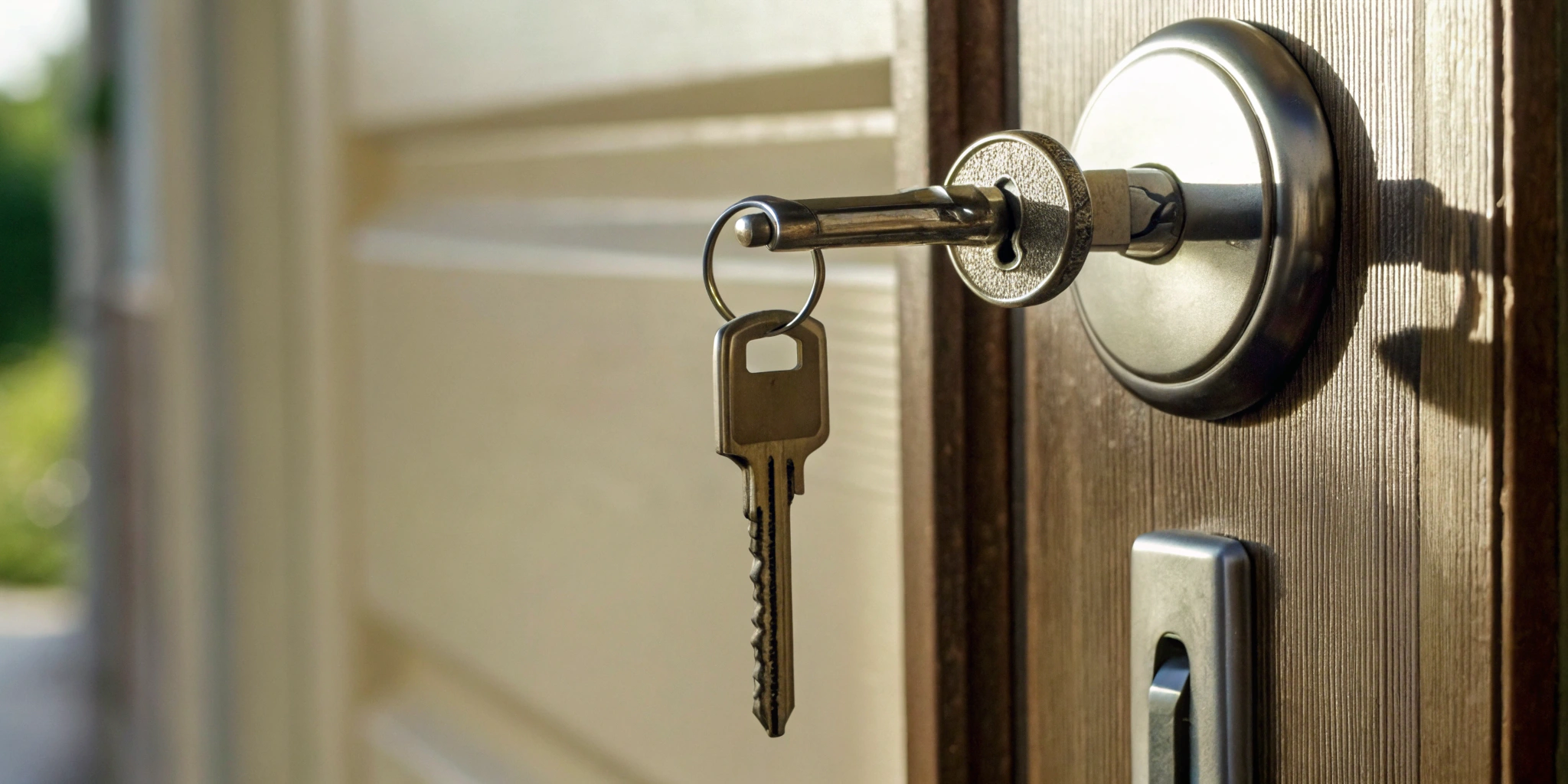
A broken key is more than just an inconvenience; it’s often a symptom of a bigger issue with your lock’s health. While getting the broken piece out is the immediate priority, what comes next is just as important for your security. Was the lock already stiff or old? Did the extraction process cause any internal damage? This guide looks beyond the initial crisis. We’ll help you understand the full scope of a broken key in lock repair, from removing the fragment to assessing the lock’s condition and deciding whether a simple replacement key, a rekey, or a full security upgrade is your best move forward.
Key Takeaways
- Handle DIY Extraction with Caution: Before attempting to remove a broken key, lubricate the lock and calmly assess the situation. While pliers can work if a piece is sticking out, forcing it or using risky methods like super glue can cause permanent damage to the lock’s internal mechanism.
- Recognize When to Call a Professional: If the key is broken deep inside, the lock is old, or your DIY attempts fail after a few minutes, it’s time to stop. Continuing can turn a simple extraction into a full lock replacement, so calling an expert is the safest and often cheapest long-term solution.
- Prevent Future Breaks with Simple Habits: The best fix is prevention. Invest in high-quality keys, lubricate your locks annually to keep them turning smoothly, and never force a key that feels stuck. For a permanent solution, consider upgrading to a keyless entry system.
Why Your Key Broke in the Lock
It’s one of those moments that can instantly ruin your day: you put your key in the lock, give it a turn, and hear a sickening snap. Now, half the key is in your hand and the other half is stuck in the door. Before you panic, it helps to understand why this happens. It’s rarely a random event. More often than not, a broken key is the final result of ongoing stress, either on the key itself or within the lock mechanism.
Think of your key as a tool that endures a lot of daily friction. Over time, the metal can weaken, developing microscopic cracks you’d never notice. This is especially true for older keys that have been used thousands of times. Then, one day, you’re in a rush or the lock is a bit sticky, you apply a little extra pressure, and that’s all it takes for the weakened metal to give way. The problem might not even be the key, but the lock itself. An old, poorly maintained, or misaligned lock can create so much resistance that even a brand-new key can’t withstand the force needed to turn it. Understanding these underlying issues is the first step to figuring out your next move and preventing it from happening again. If you find yourself in this situation, our emergency locksmith team is always ready to help you get back inside.
Common Causes: Wear, Force, and Debris
Let’s break down the top culprits behind a snapped key. First is simple wear and tear. Most keys are made of soft metals like brass, which weaken over years of use, creating stress points along the blade. Second, and perhaps most common, is using too much force. If your lock feels stiff, jiggling or forcing the key is a natural reaction, but it puts immense pressure on the key’s weakest point. Finally, the lock’s condition plays a huge role. Internal pins can get clogged with dirt, grime, or rust, preventing the key from turning smoothly. This resistance is what ultimately causes the metal to snap. A well-maintained lock is a crucial part of any secure home, a service your residential locksmith can help with.
Key Snapped? Here’s What to Do First
That sickening snap sound is one no one wants to hear. Finding half a key in your hand and the other half stuck in the lock is incredibly frustrating, but it happens to the best of us. Before you do anything else, take a moment. The next few steps are crucial and can mean the difference between a simple fix and a more complicated repair. Let’s walk through the immediate actions you should take to handle the situation safely and effectively.
Stay Calm and Assess the Damage
First thing’s first: take a deep breath. Panicking and trying to force the lock or jam the other half of the key in will only push the broken piece deeper, making it much harder to remove. Instead, get a good look at the lock. Is any part of the key fragment sticking out of the keyway? Is the lock itself showing any signs of damage, like cracks or warping? A calm, clear assessment will help you decide if this is something you can handle yourself or if it’s time to call in a professional.
See How Much of the Key Is Showing
Your next move depends entirely on how much of the key is visible. If a decent piece is sticking out, you might be in luck. You could potentially grip it with a pair of needle-nose pliers or strong tweezers. However, be extremely careful. If you don’t have a firm grip, you risk pushing the fragment further into the lock. If the key is broken off flush with the lock or deep inside, your DIY options become much riskier. In that case, your best bet is to call for emergency locksmith services to avoid causing more damage.
Lubricate the Lock to Loosen the Fragment
Whether you’re attempting the removal yourself or waiting for a locksmith, a little lubrication can go a long way. Spray a penetrating lubricant like WD-40 or a graphite-based lock lubricant directly into the keyway. This helps reduce friction between the key fragment and the lock’s internal pins, making it easier for the piece to slide out. Give the lubricant a minute to work its way in. This simple step can make the extraction process much smoother and prevent you from having to use excessive force.
How to Remove a Broken Key Yourself
Okay, you’ve got a key snapped off in the lock. Before you panic, take a deep breath. There are a few clever tricks you can try with household items to coax that broken piece out. These methods work best when you’re patient and gentle—forcing anything will only make it worse. Remember, the goal is to remove the key fragment without damaging the lock itself. If at any point you feel like you’re in over your head or might be causing more harm than good, it’s always smarter to stop and call for help. A professional can handle the situation quickly and prevent a simple key extraction from turning into a full lock replacement.
Using Pliers or Tweezers
This is your best-case scenario. If a piece of the key is still sticking out of the lock, you might be able to solve this in seconds. First, grab a can of spray lubricant (like WD-40) and give the keyhole a quick spritz. This will help loosen the fragment and reduce friction. Next, take a pair of needle-nose pliers or sturdy tweezers and get a firm grip on the protruding key piece. The trick is to pull it straight out, without wiggling or twisting, which could damage the lock’s internal pins. A steady, gentle pull should be all it takes to get the job done.
The Super Glue Method
This method requires a steady hand and a bit of courage. If the key fragment is flush with the lock face, you can try bonding something to it to pull it out. Find a thin, sturdy object like a paperclip you’ve straightened out or the end of a matchstick. Place a tiny drop of super glue on the very tip—and I mean tiny. Using too much glue is the biggest risk here, as you could accidentally glue the key fragment to the lock itself. Carefully press the glued tip against the broken key’s edge and hold it steady for about 15 seconds until it bonds. Once it feels secure, gently pull it straight out.
The Jigsaw Blade Trick
When the key is broken off deeper inside the lock, you’ll need to go fishing. For this, a thin serrated jigsaw blade is perfect, but a sturdy paperclip can also work in a pinch. The goal is to slide the blade into the lock alongside the broken key piece, with the serrated teeth pointing toward you. The teeth are designed to hook onto the key’s cuts. Once you feel it catch, you can gently and slowly pull the blade back out, hopefully bringing the key fragment with it. This takes patience, so don’t rush it. If you damage the internal mechanism, you might need a commercial locksmith to repair or replace the entire unit.
The Hot Glue Stick Approach
If the super glue method feels a little too permanent for your comfort, this is a great alternative. You’ll need a standard hot glue stick (you don’t even need the gun). Carefully heat the end of the stick with a lighter until it’s soft and melted. Immediately press the melted end firmly onto the broken key in the lock. Hold it in place for at least a minute or two, allowing the glue to cool down and completely harden. Once it’s solid, it should be bonded to the key fragment. Give the glue stick a gentle, straight pull to see if you can ease the broken piece out.
Using a Paperclip or Hooked Wire
This is another fishing technique that requires some finesse. Take a sturdy paperclip and unbend it, then use pliers to create a tiny hook at the very end—small enough to fit into the keyway. Gently slide your new tool into the lock, aiming for the gap between the key fragment and the side of the keyway. Your goal is to feel around for the end of the broken key and hook it. Once you think you have a hold, slowly and carefully pull the wire straight back. This can be a delicate operation, and if you’re not careful, you could misalign the pins. If things aren’t working, it’s better to call for emergency locksmith services than to risk further damage.
Tools You’ll Need for Key Extraction
Before you try to pull that broken key fragment out, it helps to gather a few supplies. The right tools can make all the difference between a quick fix and a bigger headache. You might be surprised to find that you already have most of what you need lying around the house. Let’s walk through the items that will give you the best shot at success, from simple household gadgets to more specialized equipment. Preparing your toolkit is the first real step toward solving the problem.
Everyday Household Items
You don’t need a professional kit to get started. First, check your toolbox or junk drawer for a pair of needle-nose pliers or sturdy tweezers—these are perfect for grabbing any part of the key that’s sticking out. If the key is deeper inside, a straightened paperclip or a thin jigsaw blade can work as a hook. A small tube of super glue can also be a secret weapon when paired with a matchstick or paperclip to bond with the key fragment. Finally, grab a spray lubricant like WD-40 or some graphite powder. A little lubrication will make everything slide out much more smoothly and is a crucial first step for almost any extraction method.
Specialized Extraction Tools
If you want to approach this like a pro, you can find broken key extractor kits online or at hardware stores. These kits typically contain a set of thin, hooked, or serrated metal tools designed specifically to slide into the lock alongside the key fragment. The idea is to hook onto the key’s teeth and gently pull it out. While these tools are made for the job, they do require a bit of finesse and a steady hand. Using them incorrectly can push the key deeper or damage the lock’s internal pins, so it’s important to be patient and gentle if you decide to go this route.
Safety Gear and Lubricants
Safety first! While this isn’t a high-risk job, wearing a pair of gloves can protect your hands from sharp metal edges or lubricants. Speaking of which, lubrication is your best friend here. Before you attempt any extraction, generously spray a lubricant like WD-40 directly into the keyhole. This helps loosen any rust or debris that might be holding the key fragment in place. If you’re in a bind and can’t get the key out, remember that a 24/7 emergency locksmith has professional-grade tools and lubricants to resolve the issue without damaging your lock. Regular lock maintenance, including lubrication, can also prevent keys from breaking in the first place.
When to Skip the DIY and Call a Locksmith
While it’s tempting to try and solve a broken key problem yourself, some situations are best left to the pros. Knowing when to put down the tweezers and pick up the phone can save you from a bigger headache, a more expensive repair, and a lot of frustration. If you find yourself in a tricky spot, especially after hours, a 24/7 emergency locksmith can resolve the issue quickly and without causing more damage. Let’s walk through the signs that it’s time to call for backup.
The Key Is Stuck Deep Inside
If the broken piece of the key is flush with the lock or pushed deep inside, your household tools probably won’t reach it. Trying to dig it out with a paperclip or knife can push the fragment further in, making the problem much harder to solve. Locksmiths come equipped with professional key extraction tools designed specifically for this job. These thin, hooked instruments can slide past the key fragment and pull it out without harming the lock’s internal pins. It’s a delicate operation that requires special skills to avoid damaging the lock mechanism.
The Lock Itself Seems Damaged
Sometimes, the key breaks because the lock was already failing. If your lock was old, rusty, or difficult to turn even before the key snapped, forcing the broken piece out could be the final straw. Look for signs of wear and tear, like rust around the keyhole or a stiff turning mechanism. Attempting a DIY extraction on a compromised lock can cause irreversible damage. A professional can assess the situation, safely remove the key, and determine if you need a simple lock repair or a full replacement for your home or business.
Your DIY Attempts Aren’t Working
There’s no shame in trying, but there’s also wisdom in knowing when to stop. If you’ve spent more than 15-20 minutes trying to get the key out with no success, it’s time to call a professional. Continuing to poke and prod inside the lock can do more harm than good. You could accidentally damage the tumbler, which is the internal part of the lock with the pins. If you break the tumbler, the entire lock becomes useless and will need to be replaced. A locksmith can prevent this from happening.
You’re Dealing with an Old or Rusty Lock
Older locks, especially those exposed to the elements, can be incredibly fragile. Rust and corrosion can cause the metal components to seize up, essentially fusing the broken key fragment to the inside of the lock. Applying too much force can break the internal mechanisms, which might be brittle from age. A locksmith has the experience to work with these delicate situations. They can use the right lubricants and techniques to gently free the key without destroying an antique or hard-to-replace lock.
You’re Locked Out in an Emergency
If a broken key has left you locked out of your apartment in Brooklyn or your shop in Manhattan, your priority is getting back inside safely and quickly. This is not the time to experiment with DIY methods you found online. An emergency locksmith can get to you fast, extract the broken key, and get your door open. They can also cut a new key or rekey the lock on the spot, providing an immediate solution so you can get on with your day (or night) without any more stress.
Understanding the Cost of a Professional Fix
When you’re staring at a key snapped off in your door, one of the first questions that pops into your head is probably, “How much is this going to cost?” It’s a valid concern, and the answer depends on a few key factors: the time of day, the complexity of the extraction, and whether the lock itself is damaged. While a DIY attempt might seem free, calling a professional is an investment in getting the job done correctly and without causing more expensive damage.
A professional locksmith can give you a clear quote upfront. The cost typically breaks down into a service fee for their time and expertise, plus the cost of any new parts if your lock needs to be replaced. Think of it this way: you’re not just paying for a key to be pulled out; you’re paying for a swift, damage-free solution that gets you back inside safely. A reputable service will be transparent about all potential charges before they even start working, so you won’t be hit with surprise fees.
Emergency Service vs. Standard Repair Costs
The timing of your call plays a big role in the final bill. A standard service call during regular business hours for a simple key extraction will naturally cost less than an urgent, middle-of-the-night lockout. Most locksmiths, including us, offer 24/7 help because these things rarely happen at a convenient time. This availability is why an emergency locksmith service has a higher price point—it covers the technician’s immediate response outside of typical hours. Generally, you can expect service fees to range from the lower end for a scheduled visit to a higher rate for an after-hours emergency.
Potential Lock Replacement Expenses
Sometimes, the problem is bigger than just the broken key. If the key broke because the lock was already old and stiff, or if a DIY attempt damaged the internal pins, an extraction might not be enough. A locksmith might determine that the lock is too compromised to be salvaged. In these situations, the most secure and effective solution is to replace the lock entirely. This will add the cost of new hardware to your service bill, but it also gives you a fresh start with a secure, fully functional lock, which is a great peace of mind for any residential locksmith service.
The Risks of a DIY Approach
I get it—your first instinct when a key snaps is probably to grab some pliers and solve the problem yourself. While that can-do spirit is great for many household tasks, trying to extract a broken key can be a surprisingly delicate operation. Before you start digging into your lock, it’s worth understanding the potential downsides of a DIY approach, which can quickly turn a minor inconvenience into a much bigger, more expensive headache.
Damaging the Lock Further
Your lock is a more complex piece of machinery than it looks. Inside, there are tiny pins and a cylinder that have to align perfectly for it to work. When you try to force a key fragment out with the wrong tool, you risk messing up this delicate alignment. If you try to fix it yourself with DIY methods, you could break the inside part of the lock, making the whole thing useless. A simple key extraction can quickly become a full lock replacement if a pin is bent or the cylinder wall gets scratched, requiring new hardware and a more involved installation.
Making the Problem Worse
Sometimes, your best efforts can accidentally push the broken key piece deeper into the lock mechanism. If the key is too deep to reach, your attempts to remove it might wedge it in even further, making it impossible to get out without taking the entire lock apart. This is especially true if you try a risky method like super glue, which can permanently fuse the key fragment to the internal pins. When this happens, you’ll have no choice but to call for emergency locksmith services. A professional has specialized extraction tools designed to grip the key without pushing it further in.
Personal Safety Concerns
Beyond the risk to your lock, there are also personal safety issues to consider. You could easily injure yourself with sharp tools or wires while trying to fish out the key fragment. More importantly, a damaged lock is an insecure lock. If you manage to get the key out but have damaged the internal mechanism, your lock may no longer function correctly, leaving your home or business vulnerable. A professional can remove the broken key safely without damaging your lock and can assess it afterward to confirm it’s still working properly, giving you complete peace of mind.
How to Keep Your Keys from Breaking
Dealing with a broken key is a major headache, but the good news is that it’s usually preventable. A little bit of foresight and care can save you from getting locked out and needing an emergency fix. By paying attention to the quality of your keys, the condition of your locks, and how you handle them daily, you can significantly reduce the risk of a key snapping when you least expect it. Think of it as simple maintenance for one of the most important tools you use every day.
Invest in Quality Keys
It can be tempting to go for the cheapest, quickest option when you need a key copied, but this is one area where quality really matters. Inexpensive keys are often made from softer, weaker metals that are more prone to bending, wearing down, and eventually breaking under normal stress. A professionally cut key from a reputable locksmith is made from durable materials and is precisely shaped to fit your lock. If you ever feel like you have to force your key to turn, stop. It’s a sign that either the key is poorly cut or there’s an issue with the lock itself.
Perform Regular Lock Maintenance
Your locks work hard, and just like any other mechanical device, they need a little upkeep to function smoothly. Over time, dust, dirt, and grime can build up inside the lock mechanism, causing friction and making it difficult to turn the key. This resistance puts extra strain on your key. To prevent this, lubricate your locks once or twice a year with a graphite powder or a dry silicone spray. This keeps the internal pins moving freely and reduces the force needed to operate the lock. If a lock feels consistently gritty or stiff even after lubrication, it might be time for a professional lock repair.
Handle Your Keys Correctly
How you use your keys every day has a huge impact on their lifespan. Avoid using them for tasks they weren’t designed for, like opening packages, scraping surfaces, or prying things open. Each time you do, you create tiny weak points in the metal. When you insert your key into a lock, do it gently. If it doesn’t turn easily, don’t force it. Jiggling or applying excessive pressure can bend the key or damage the lock’s internal components. Pull the key out, make sure it’s inserted all the way, and try again. Developing these simple habits can keep both your keys and locks in great shape.
Consider Keyless Entry Options
The most effective way to prevent a key from breaking in your lock is to get rid of the key entirely. Upgrading to a keyless entry system is a modern, convenient solution that eliminates the problem at its source. Options like keypad locks, smart locks controlled by your phone, or card readers offer secure access without a traditional metal key. This not only removes the risk of a key snapping but also adds a new level of convenience and control over who enters your home or business. If you’re tired of worrying about lost or broken keys, exploring modern security systems is a fantastic next step.
Is the Lock Damaged? Your Next Steps
Once you’ve removed the broken key fragment (or decided it’s time to call in the pros), the next step is to figure out the state of your lock. A key breaking off inside the lock can be a sign of a bigger issue, or it can cause damage to the internal pins and tumblers during the extraction process. Before you breathe a sigh of relief, take a moment to inspect the lock itself. Does it operate smoothly with a spare key? Do you notice any new grinding or sticking?
Answering these questions will help you decide what to do next. Sometimes, the lock is perfectly fine and you just need a new key. Other times, the incident is a clear signal that it’s time for a change. You generally have three paths forward: replacing the lock entirely, rekeying the existing one, or taking the opportunity to upgrade your entire security setup. Each option has its own benefits depending on your situation, the condition of your lock, and your long-term security goals.
Options for Lock Replacement
If the key was severely jammed or the lock was already old and worn, replacement might be your best bet. Forcing a broken key out can damage the delicate mechanisms inside, making the lock unreliable or completely unusable. If the key broke because you had to apply a lot of force, it’s often more practical to have a professional drill the lock and install a new one. This ensures you have a fully functional, secure lock without worrying about any lingering damage. A complete lock replacement gives you a fresh start and peace of mind, especially if the old lock was giving you trouble before the key snapped.
When to Rekey Your Lock
What if the lock itself seems to be in good working order? In that case, rekeying is an excellent and cost-effective solution. Rekeying involves changing the pins inside the existing lock so that it works with a new key. This makes any old, lost, or broken keys useless. If you managed to get both pieces of the broken key and they fit together cleanly, a locksmith can often use them to cut a new key. However, if the break is messy, creating a copy might not be possible. Rekeying is a great choice when you want to maintain your current hardware but improve your security.
Upgrading Your Security System
If you want to prevent this problem from ever happening again, consider this your sign to go keyless. Upgrading to a smart lock is the ultimate way to avoid broken keys because it eliminates physical keys entirely. You can open your door with a code, your smartphone, or even your fingerprint. This not only solves the broken key issue but also adds a new layer of convenience and control to your home or business security. It’s a fantastic opportunity to move beyond traditional locks and explore modern security systems that offer better protection and features.
Related Articles
- Artificial Intelligence In Security (Guide)
- Beware Of Scams: Common Tricks Targeting Homeowners
- Locksmith Services
- Cybersecurity for Your Smart Home: Protecting Your Data
- Why NYC Property Managers Choose Golden Key for Door Maintenance
Frequently Asked Questions
What’s the very first thing I should do if my key breaks in the lock? Before you do anything else, take a deep breath and resist the urge to force the broken piece out. Your first step is to assess the situation. See how much of the key is sticking out of the lock. Then, apply a penetrating lubricant like WD-40 into the keyway. This will help loosen the fragment and make any removal attempt, whether by you or a professional, much easier.
Is it really a good idea to use super glue to pull the key out? While the super glue trick can work in a pinch, it’s extremely risky. If you use even a tiny bit too much glue, you could accidentally bond the key fragment to the internal pins of the lock. This turns a simple extraction into a situation where the entire lock must be replaced. It’s often safer to try other methods first, like using pliers on a protruding piece or calling a professional who has the right tools for the job.
Will I have to replace my entire lock now that the key is broken inside? Not necessarily. If the lock was in good condition before the key snapped and wasn’t damaged during the extraction, you might not need to replace it at all. A professional can often remove the broken piece without harming the lock. If the lock is old or was already giving you trouble, replacement might be the best option for your security. Another great choice is rekeying, where a locksmith changes the lock’s internal pins to work with a new key.
How do I know when to give up on the DIY methods and call a locksmith? It’s time to call for help if the key is broken off deep inside the lock where you can’t reach it, or if you’ve been trying to get it out for more than 15 minutes with no success. Continuing to poke around can damage the lock’s internal mechanism. You should also call a professional immediately if you’re in an emergency situation and need to get inside quickly and safely.
How can I stop this from happening again in the future? The best way to prevent a broken key is through simple maintenance. Start by using high-quality keys from a reputable locksmith, as cheap copies are made from softer metal. Once or twice a year, spray a graphite or silicone-based lubricant into your locks to keep them turning smoothly. Finally, be gentle with your keys—if a lock feels stiff, don’t force it. This is usually a sign that the lock needs attention.
Need professional help in NYC? Contact Golden Key Locksmith NYC for Commercial Door Repair or Metal Door Repair. Available 24/7 across Manhattan and all NYC boroughs.