

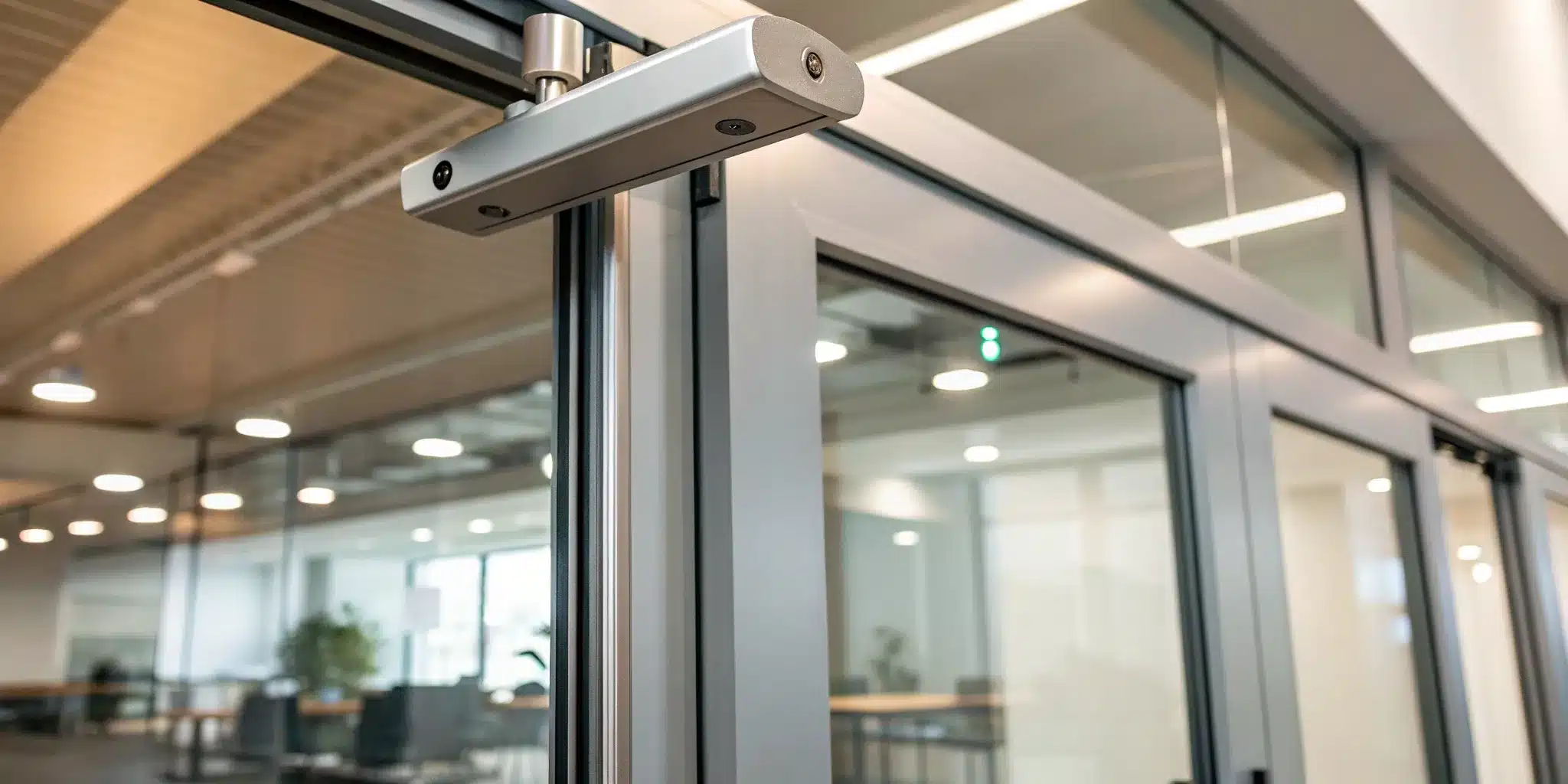
We’ve all been there: juggling groceries, pushing a stroller, or carrying a heavy delivery, only to be stopped by a heavy, awkward door. That daily frustration is exactly what an automatic door closer with a sensor is designed to solve. This technology isn’t just a luxury for fancy office buildings anymore; it’s a practical and accessible upgrade for any entryway. By detecting your approach and opening on its own, it creates a seamless, hands-free experience that makes life easier for everyone. In this guide, we’ll explore how these systems work, what features to look for, and why they are a smart addition to both homes and businesses across New York.
Key Takeaways
- Choose a Closer Built for Your Door: An automatic closer isn’t a one-size-fits-all solution. Consider your door’s weight, size, and daily foot traffic to select a model that will operate safely and last for years without failing.
- Think Accessibility, Security, and Savings: Installing an automatic door closer makes your building more welcoming and ADA compliant, enhances security by ensuring the door always latches, and can reduce energy costs by keeping conditioned air inside.
- Invest in a Professional Setup: The performance of your automatic door closer depends entirely on a correct installation. Hiring a professional ensures sensors are perfectly calibrated and the power supply is right, saving you from future malfunctions and costly repairs.
What Is an Automatic Door Closer with a Sensor?
You’ve probably walked through one a thousand times without a second thought—a door that magically opens as you approach. That’s an automatic door closer with a sensor at work. At its core, it’s a device that opens and closes a door on its own by detecting when someone or something is nearby. This simple function makes buildings more convenient and accessible for everyone, from a parent pushing a stroller to a delivery person with their hands full.
These systems are a smart upgrade for any entryway, blending convenience with modern technology. They are a key component in creating smarter, more responsive buildings and can be integrated with broader security systems to manage access and improve traffic flow. Whether for a bustling storefront in Brooklyn or a quiet office in Manhattan, these closers offer a hands-free solution that streamlines daily life.
How Do the Sensors Work?
So, how does the door know you’re there? It’s all about the sensor. These sensors act as the system’s eyes, constantly monitoring the area around the doorway. When they detect movement or presence within their range, they send a signal to the door’s operating mechanism, telling it to open. Once you’ve passed through and the sensor no longer detects you, it signals the door to close safely and smoothly. The entire process is designed to be seamless, providing instant access without you ever needing to touch a handle.
Common Sensor Types: Motion, Infrared, Radar, and Pressure
Not all sensors are created equal. The type of sensor used in an automatic door closer depends on the location and its specific needs. Choosing the right one is a crucial part of any professional door repair and installation. Here are the most common types you’ll find:
- Motion Detectors: Often seen mounted above a door, these optical sensors detect any movement in their field of view, making them a popular all-around choice.
- Infrared Sensors: These come in two varieties. Active sensors send out beams of light and open the door when an object breaks the beam. Passive sensors detect changes in thermal energy, like the body heat of a person walking by.
- Radar Sensors: These use microwave radar to detect moving objects. They are highly effective and can even be set to detect the direction of movement, preventing the door from opening for people just walking past.
- Pressure Sensors: These are mats placed on the floor near the door. When someone steps on the mat, the weight triggers the door to open. They are reliable and great for ensuring the door stays open as long as someone is standing there.
What to Look For in an Automatic Door Closer
Picking the right automatic door closer isn’t just about convenience; it’s about safety, security, and efficiency. With so many options on the market, it’s easy to feel overwhelmed. The key is to match the closer to your specific needs, whether you’re securing a busy storefront in Manhattan or making your home more accessible. A closer that’s perfect for a lightweight office door will fail on a heavy, high-traffic entrance, leading to frustration and costly repairs.
Think about who uses your door every day. Is it for customers, employees, or residents? Does it need to withstand the harsh New York weather? Answering these questions will help you narrow down the features that matter most. From the type of sensor that activates the door to its ability to handle a heavy steel frame, every detail plays a role in its performance and longevity. A well-chosen closer operates smoothly, saves energy, and improves accessibility for everyone. Let’s walk through the four main things you should consider to find the perfect automatic door closer for your space.
Sensor and Activation Options
The sensor is what tells your automatic door when to open and close. Different environments call for different types of activation. For a high-traffic commercial entrance, a motion sensor that detects approaching people is ideal for keeping things flowing smoothly. In other cases, like accessible restrooms, a push-button or wave-to-open sensor provides on-demand access. Automatic door sensors are designed to make buildings easier to use by sensing people and objects, creating a more convenient experience for everyone. When chosen correctly, these sensors can also integrate with your building’s broader security systems for a seamless and secure setup.
Adjustable Speed and Force
You need to have complete control over how your door operates. An automatic closer gives you much more control over how fast the door closes and how much force it uses. This is a critical safety feature—a door that slams shut can cause injuries, while one that closes too slowly can compromise security and let out expensive heating or air conditioning. A properly calibrated closer ensures a gentle, consistent closing speed every time, preventing damage to the door frame and reducing noise. A professional can help you set the perfect speed and latching action for your specific door, ensuring it closes securely without being a hazard.
Door Weight and Compatibility
Not all door closers are created equal. One of the most important factors is ensuring the model you choose is rated for your door’s specific size and weight. A heavy-duty closer installed on a light, residential door will make it difficult to open, while an undersized closer on a heavy commercial door will wear out quickly and fail to close it properly. When you’re looking for a closer, you have to consider the door material, height, and width. Whether it’s a glass storefront door, a solid wood apartment door, or a steel fire door, getting the compatibility right is essential for performance and durability. Our team can handle any door repair and installation and match it with the perfect closer.
Durability and Weather Resistance
Your exterior doors take a beating, especially in a city like New York. From summer humidity to winter snow and ice, the weather can take a toll on mechanical hardware. That’s why choosing a door closer built to last is so important. Look for models made from corrosion-resistant materials that can handle fluctuating temperatures without failing. A durable closer resists rust and wear, ensuring it functions reliably for years. This is especially crucial for commercial locksmith clients, as a malfunctioning door can disrupt business and create security vulnerabilities. Investing in a high-quality, weather-resistant closer from the start will save you money on repairs and replacements down the road.
Why Install an Automatic Door Closer?
If you’re thinking an automatic door closer is just a fancy gadget, think again. For businesses in bustling areas like Manhattan, Brooklyn, and Queens, these systems are a game-changer. They offer a seamless experience for your customers and employees while providing some serious practical benefits. From making your entrance more welcoming to tightening up your security and even saving you money, an automatic door closer is a smart investment that works for you around the clock. It’s about creating a safer, more efficient, and more accessible space for everyone who walks through your door. Let’s look at exactly why installing one is a great move for your property.
Improve Accessibility and ADA Compliance
One of the most significant benefits of an automatic door closer is that it makes your building more accessible to everyone. Think about parents pushing strollers, delivery drivers with their hands full, or customers using wheelchairs or walkers. Automatic doors remove a major physical barrier, creating a more welcoming environment. This isn’t just good customer service; it’s also a key part of meeting Americans with Disabilities Act (ADA) standards. By ensuring your entrance is easy for people of all abilities to use, you show that you value inclusivity and avoid potential compliance issues. It’s a simple upgrade that makes a world of difference for your community.
Save on Energy Bills
An open door is like an open window for your energy budget. Every time a door is propped open or left slightly ajar, your heating or air conditioning has to work overtime to maintain the indoor temperature. An automatic door closer ensures the door shuts securely every single time, sealing the building envelope. This simple action can lead to noticeable reductions in your energy costs over time. By minimizing the exchange of air between inside and out, you keep your conditioned air where it belongs. For any business looking to cut down on overhead, this is a practical and effective way to make your building more energy-efficient.
Integrate with Your Security System
Modern automatic door closers can do much more than just open and close. They can be a vital part of your building’s overall security plan. These systems can easily integrate with your existing security systems, allowing for controlled access. You can set them up with features like key card readers, keypads, or even “wave to open” sensors that only grant entry to authorized personnel. This gives you precise control over who enters your space and when, which is essential for offices, residential buildings, and retail stores. It’s the perfect blend of convenience for the right people and security against those who shouldn’t be there.
Lower Maintenance and Repair Costs
A door that slams shut or is constantly being pushed or pulled with excessive force is a door that’s going to wear out quickly. Automatic door closers guide the door through a smooth, controlled motion, preventing the damage caused by rough, manual use. This reduces stress on the hinges, frame, and the door itself, which means fewer service calls and a longer lifespan for your hardware. While the closer itself requires some basic upkeep, this proactive approach helps you avoid more expensive door repair and installation jobs down the line. A professional installation ensures everything is calibrated correctly from day one, setting you up for long-term, trouble-free operation.
Comparing Top Brands and Models
Once you have a clear idea of the features you need, it’s time to look at the brands that bring those features to life. The market for automatic door closers is filled with reliable names, but a few consistently stand out for their quality, durability, and innovation. Choosing the right brand often comes down to the specific demands of your space—whether it’s a bustling retail store, a quiet office, or a high-security facility. Let’s break down some of the top players in the industry and what makes each of them a solid choice.
Professional Installations by Golden Key Locksmith NYC
No matter which brand you choose, a flawless installation is what makes all the difference. At Golden Key Locksmith NYC, we specialize in fitting and maintaining a wide range of automatic door closers to ensure they work safely and efficiently for years to come. With decades of experience serving New York City, we provide comprehensive door repair and installation services, integrating your new closer with existing security features like high-security locks and access control systems. Think of us as your local partner in creating a secure, accessible, and welcoming entrance for your building.
Norton Automatic Systems
If you’re looking for a workhorse that combines smart design with rugged durability, Norton is a fantastic option. Their automatic door closers are engineered to perform well in high-traffic environments, making them a popular choice for retail stores, schools, and office buildings. Norton Automatic Systems is known for its innovative and reliable products that are built to last. They offer a variety of models, so you can easily find a closer that fits the specific weight and size of your door while providing smooth, consistent operation day in and day out.
Dorma Commercial Solutions
For spaces where aesthetics are just as important as functionality, Dorma (now dormakaba) is a leading name. Their automatic door closers are celebrated for their sleek, modern designs that blend seamlessly into any architectural style. But they’re not just about looks; Dorma’s solutions are engineered for longevity and exceptionally smooth, quiet operation. This makes them an ideal choice for environments like hotels, corporate offices, and healthcare facilities where a calm and sophisticated atmosphere is key. Dorma’s commitment to quality ensures their products meet rigorous safety standards while enhancing the user experience.
LCN Heavy-Duty Closers
When your door needs to withstand the toughest conditions, LCN is the brand to trust. Renowned for their heavy-duty door closers, LCN products are built to handle the constant use and abuse of high-traffic, demanding environments like hospitals, universities, and government buildings. LCN closers are constructed from robust materials and feature advanced engineering to ensure maximum durability and security. If reliability is your absolute top priority and you need a closer that will perform flawlessly for years with minimal maintenance, LCN offers some of the most dependable solutions on the market.
What’s the Cost of an Automatic Door Closer?
The price of an automatic door closer can vary quite a bit, depending on the features you need and where you plan to install it. The cost of the unit itself is just one piece of the puzzle; you also have to think about installation and potential maintenance. To give you a clearer picture, let’s break down the costs based on common types of closers, from simple home models to heavy-duty commercial systems.
Residential Options
If you’re looking for a basic automatic closer for your home, you’re in luck. These are the most affordable and widely available options. You can find thousands of different automatic door closers on sites like Amazon, designed for lighter residential doors. These models are typically straightforward, focusing on the core function of closing a door automatically without advanced sensors or security integrations. They’re a great entry point if you want to add a touch of convenience to your home, like ensuring the door to the garage or a back patio always shuts securely behind you.
Mid-Range Commercial Models
For small businesses, offices, or multi-family residential buildings, you’ll likely need to step up to a mid-range commercial model. These systems are built to handle more traffic and offer greater functionality. You’ll start to see electromechanical automatic door closers that can integrate with your security setup. Features like “wave to open” sensors or compatibility with key card access systems become available at this level. These closers provide a good balance of durability, advanced features, and cost, making them a popular choice for businesses that want to improve accessibility and security without investing in a top-tier system.
Premium High-Traffic Systems
Large commercial venues like retail stores, hospitals, and schools have different needs altogether. These spaces require premium, heavy-duty systems designed for constant, intensive use. These closers are built with the most durable materials and feature sophisticated commercial automatic door sensors that can withstand thousands of cycles per day. While the upfront cost is higher, these systems are engineered for reliability and longevity in the most demanding environments. Specialized suppliers often provide these systems, ensuring you get a product that meets strict safety and accessibility standards.
Factoring in Installation and Long-Term Value
It’s important to remember that the sticker price isn’t the final cost. Professional installation is key to ensuring your automatic door closer works correctly and safely, which adds to the initial investment. While some might hesitate at the upfront expense, a quality door closer is an essential investment for most commercial properties. A properly installed system improves accessibility, can help with energy efficiency, and enhances security. Trying to cut corners can lead to malfunctions and breakdowns, which often result in more expensive emergency repairs down the line. Think of it as a long-term investment in your property’s safety and functionality.
Choose the Right Closer for Your Space
The best automatic door closer for a bustling Brooklyn storefront is very different from the one you’d want for a quiet apartment in Queens. The right choice depends entirely on your environment, daily foot traffic, and security needs. Before you start comparing models, take a moment to think about your space. Who uses the door most often, and what do they need? Is it for public convenience in a high-traffic retail shop, accessibility for patients in a healthcare clinic, or securing a private office after hours? Answering these questions will point you toward the perfect fit.
An automatic closer is more than just a convenience; it’s a key part of your building’s accessibility, energy efficiency, and security. For a business, it can mean complying with ADA standards and creating a welcoming entrance for all customers. For a homeowner, it can mean no more slammed doors and an extra layer of safety. The technology has become so adaptable that there’s a solution for nearly every doorway, from heavy glass entrances to simple interior doors. To help you find a closer that works for your specific situation, let’s break down the best options for four common settings. This will help you find a closer that not only works well but also makes life easier and safer for everyone who walks through your door.
For High-Traffic Commercial Spaces
In busy commercial areas like retail stores or building lobbies, you need a door closer that can handle constant use without slowing people down. Look for heavy-duty models with features designed for convenience and control. For example, “wave to open” technology allows for touchless entry, which is great for customers with full hands. You can also integrate the closer with your existing security card access system to manage entry smoothly. These features help keep foot traffic flowing while ensuring your commercial space remains secure and accessible, even during the busiest hours of the day.
For Healthcare and Accessibility Needs
In healthcare settings like clinics and hospitals, accessibility is the top priority. Automatic door sensors are essential for creating a safe and navigable environment for patients, staff, and visitors, especially those with mobility challenges. These systems detect when someone is approaching and open the door automatically, eliminating physical barriers. This not only provides convenience but is also a key part of meeting ADA compliance standards. Choosing the right sensor-activated closer ensures that everyone can move through your facility with ease and independence, making your space truly welcoming for all.
For Office Buildings and Security
For office buildings, an automatic door closer plays a dual role: it provides convenience for employees and enhances security. The right model ensures doors latch properly every time they close, which is critical for both fire safety protocols and preventing unauthorized entry. Look for closers that can be integrated with your building’s access control systems, allowing you to manage permissions and monitor entry points effectively. This connection between your doors and your security setup creates a much safer environment, giving you peace of mind that your workspace is protected around the clock.
For Homes and Quiet Environments
At home, you want a door closer that adds convenience without creating a disturbance. For residential settings, especially if you have children or pets, the best options are those designed for quiet and gentle operation. These closers prevent doors from slamming shut, which reduces noise and protects little fingers from getting caught. A simple, punch-free automatic sensor closer can be a great addition to a home office, a back door, or any room where you want to control access without the loud bang of a closing door. It’s a small upgrade that makes your home life a little safer and more peaceful.
What Real Customers Think About Performance
When you’re investing in a new piece of hardware for your home or business, hearing from people who already use it can be incredibly helpful. Automatic door closers are no different. Looking at reviews and feedback gives us a clear picture of what works well, what doesn’t, and what you should know before you buy. From favorite features to common frustrations, here’s a breakdown of what real customers have to say.
Favorite Features and Benefits
People consistently praise the convenience and reliability of modern automatic door closers. A top feature is their multifunctionality—the ability to automatically and smoothly close any door they’re attached to. For business owners, this means improved foot traffic flow and energy efficiency. For homeowners, it’s a simple, hands-free solution. Many users also point to the impressive durability of certain models, highlighting things like high-quality steel wire ropes that have passed tens of thousands of tensile and rebound tests. This kind of robust construction gives you peace of mind that your investment is built to last against daily wear and tear.
Common Issues and How to Fix Them
Even the best technology can have its off days. The most frequent complaints about automatic door closers involve the sensors. Sometimes, a door might fail to open or stay open when it shouldn’t. The good news is that the fix is often simple. The most common culprits are sensor misalignment or dirt and debris blocking the lenses. A quick wipe-down of the sensors can solve the problem. If that doesn’t work, the pathway might be blocked or the wiring could be faulty. While you can handle basic cleaning, more complex issues like damaged wiring are best left to a professional emergency locksmith to avoid causing further damage.
Feedback on Durability and Reliability
Durability is a major selling point, and for the most part, high-quality automatic closers deliver. Many models are specifically designed to be anti-corrosive, wear-resistant, and weatherproof, making them a stable and reliable choice for years. The internal components, like steel wire ropes tested for over 50,000 cycles, are often highlighted as proof of their longevity. However, the type of sensor can impact long-term performance. For example, floor sensors in high-traffic areas can sometimes get damaged from excessive weight, while optical sensors might get confused by new objects placed in their path, causing the door to stay open.
Thoughts on the Installation Process
The installation process is where many people run into trouble. While a DIY approach might seem tempting, customer feedback often reveals it’s more complex than it looks. Common mistakes include placing sensors in the wrong location, using an inadequate power supply, or failing to calibrate the door operator correctly. These errors can lead to poor performance and even safety hazards. Getting it right from the start is crucial, which is why many customers recommend a professional door repair and installation service. A professional ensures everything is wired, placed, and calibrated for optimal, safe, and reliable operation.
What to Expect During Installation
Getting an automatic door closer installed is a straightforward process when you know what’s involved. From picking the right spot for sensors to connecting the power, a professional installation ensures your door works safely and reliably from day one. Here’s a look at the key steps a technician will handle.
Professional vs. DIY Installation
While tackling a home project yourself can be satisfying, installing an automatic door closer is a job best left to the pros. The system’s effectiveness hinges on precision. For example, one of the most common installation mistakes is placing the sensors in the wrong location, which can cause the door to open unexpectedly or not at all. A professional technician understands the nuances of different door types and entryways. They will ensure every component is positioned for optimal performance and safety, saving you the headache of troubleshooting a faulty setup.
Wiring and Power Needs
An automatic door closer needs a consistent and correct power source to function properly. It’s not as simple as plugging it into the nearest outlet. Using an inadequate power supply can lead to malfunctions, from sluggish operation to complete system failure. A professional installer will assess your building’s electrical setup to ensure the closer is connected to a power source that meets its specific voltage and amperage requirements. This crucial step protects the motor and sensors from damage and ensures your door operates smoothly every time.
Calibrating the Sensors
Once the closer is installed and wired, the sensors need to be calibrated. This process involves fine-tuning their sensitivity and range to detect motion accurately. Sensor misalignment is a frequent issue with improper installations, causing doors to open for people far away or fail to detect someone standing right in front of them. A technician will carefully adjust the sensors to match your entryway’s traffic flow, ensuring the door is responsive, safe, and efficient for everyone who uses it.
How Your Environment Affects Performance
Your local environment plays a big role in how well an automatic door performs. In a place like New York City, with its hot summers and cold winters, sensitivity to environmental conditions is a real factor. Extreme temperatures, direct sunlight, and even heavy rain can sometimes interfere with sensor functionality. During your professional door repair and installation, the technician will consider these factors. They’ll choose the right type of sensor for your location and position it to minimize environmental interference, ensuring reliable operation no matter the weather.
How to Maintain Your Automatic Door Closer
Once your automatic door closer is installed, a little routine maintenance will keep it running smoothly for years. Think of it like any other piece of important equipment in your home or business—regular check-ups prevent small issues from turning into major headaches. Consistent care ensures your door remains accessible, secure, and energy-efficient. While many of these tasks are simple enough to handle on your own, knowing when to call for professional help is just as important. Following a simple maintenance plan will protect your investment and keep your entryway functioning perfectly.
Create a Cleaning and Inspection Schedule
Setting up a regular cleaning and inspection routine is the easiest way to extend the life of your automatic door closer. Start by wiping down the sensor lenses and the door mechanism weekly to remove dust and debris, which can interfere with performance. Once a month, take a closer look at the moving parts. Do they look like they need lubrication? Are the seals and gaskets intact, or are they showing signs of cracking? A quick visual inspection for general wear and tear can help you catch potential problems before they lead to a breakdown. This simple schedule takes just a few minutes but makes a huge difference in reliability.
Troubleshoot Common Sensor Problems
If your automatic door starts acting up, don’t panic. Many common sensor issues have simple fixes you can try yourself. Often, the problem is just a dirty or blocked sensor. Carefully clean the sensor lenses with a soft cloth and make sure nothing is obstructing their path, like a new floor mat or a misplaced sign. Sometimes, sensors can become misaligned. Check to see if they are still pointed in the correct direction. If the door still isn’t opening or closing properly after you’ve cleaned and checked for obstructions, you might be dealing with faulty wiring, which is a job best left to a professional.
Adjust Settings for the Best Performance
Over time, you might find that your door’s sensitivity needs a little tweaking to perform at its best. Environmental changes, like different lighting conditions or seasonal decorations, can sometimes affect how well the sensors work. Most systems allow you to calibrate the sensor sensitivity and adjust the door’s opening and closing speed. Checking these settings periodically ensures the door is responsive without being overly sensitive, providing smooth entry for visitors while preventing unnecessary openings that waste energy. Proper calibration is key to maintaining a perfect balance of convenience, accessibility, and efficiency.
When to Call a Professional for Maintenance
While DIY checks are great for routine upkeep, some jobs require an expert touch. If you notice grinding noises, jerky movements, or if the door fails to open or close consistently after you’ve tried basic troubleshooting, it’s time to call for help. Damaged wiring, internal mechanical failures, or complex calibration issues should always be handled by a trained technician. Scheduling an annual professional inspection can also prevent unexpected failures, especially for high-traffic commercial doors. If you need an expert opinion or a reliable fix, our team specializes in door repair and installation and can get your system working like new.
Related Articles
- What Is A Door Open Sensor? A Complete Guide
- Revolving Doors 101: The Ultimate Guide For 2025
- The Guide To Panic Bars For Schools & Universities
- The Pressed Door Frame: A Complete Buyer’s Guide
- Commercial Door Hinge Blanks 101: A Simple Guide
Frequently Asked Questions
What happens to an automatic door if the power goes out? You won’t be trapped. Most automatic door closers are designed to function as a standard manual door during a power outage. You can simply push or pull it open like any other door. Some advanced systems may include a battery backup that allows them to continue operating automatically for a short period, but the default is always to ensure you can still get in and out safely.
Can an automatic closer be installed on any type of door? While these systems are incredibly versatile, they aren’t a one-size-fits-all solution. The door’s weight, size, and material—whether it’s a heavy steel commercial door or a lighter residential glass door—are all important factors. A professional assessment is the best way to determine which model is compatible with your specific entryway and will perform reliably without causing damage to the door or frame.
Are automatic doors safe for homes with children and pets? Absolutely. Modern automatic door sensors are highly sensitive and can detect small children and pets, preventing the door from closing on them. A key safety feature is the ability to adjust the closing speed and force, ensuring the door shuts gently every time. This controlled motion actually makes them safer than a standard door that could slam shut unexpectedly.
How long does a typical installation take? A straightforward installation on a standard door can usually be completed by a professional in just a few hours. The timeline can extend if the job is more complex, such as integrating the closer with an existing access control system or if custom wiring is needed. The goal is always to get the job done efficiently and correctly the first time.
Is it really necessary to hire a professional for installation? While it might seem like a project you can handle yourself, professional installation is about more than just mounting the device. It involves precise sensor placement, correct wiring to a suitable power source, and careful calibration of the door’s movement. Getting these details right is essential for the system’s safety, performance, and longevity.
Need professional help in NYC? Contact Golden Key Locksmith NYC for Commercial Door Services or Metal Door Installation. Available 24/7 across Manhattan and all NYC boroughs.