

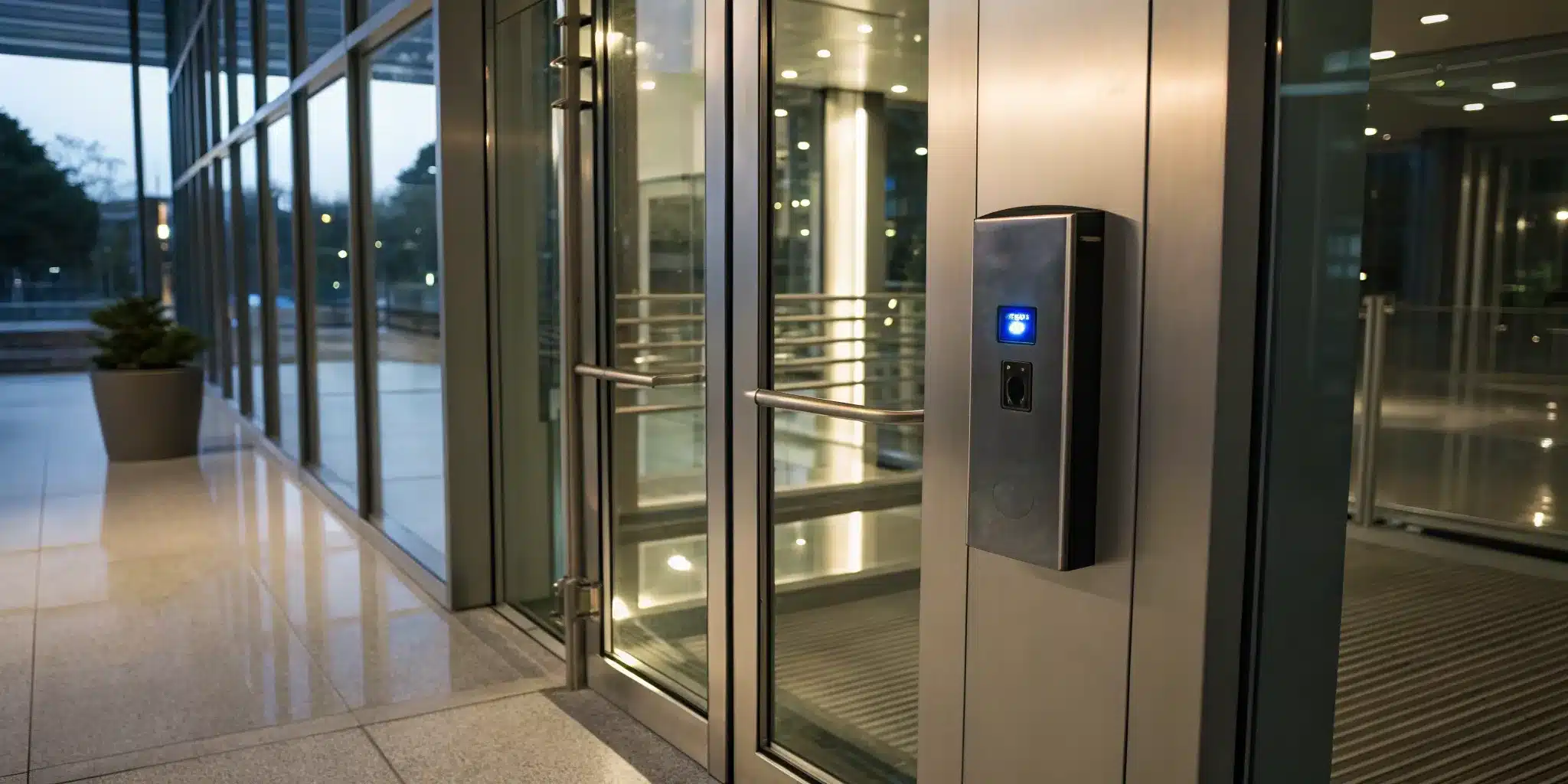
You probably use your fingerprint or face to unlock your phone dozens of times a day. It’s fast, easy, and secure. So why are we still fumbling with metal keys and plastic cards to get into our homes and offices? That same seamless technology is no longer a thing of the future; it’s a practical and powerful tool for property security. High-quality biometric access control systems in NYC bring that same level of convenience and protection to your front door. They replace outdated methods with a system that recognizes you instantly, granting access with a simple touch or glance. This guide will walk you through how this technology works and why it’s becoming the new standard for modern security.
Key Takeaways
- Swap Traditional Keys for Biometric Security: Using your unique biological traits as your key removes the security gaps and hassles of lost cards or copied keys, giving you direct control over who has access to your property.
- Prioritize Practicality and Future Growth: The best system for you combines strong security features like multi-factor authentication with everyday ease of use, and it should be able to scale as your home or business needs change over time.
- Rely on Professional Installation and Support: A biometric system is not a DIY project. Working with an expert ensures your system is installed correctly, complies with local NYC privacy laws, and includes the ongoing support needed to keep it functioning perfectly.
What Is a Biometric Access Control System?
Think of all the times you’ve fumbled for your keys or worried about a lost keycard. A biometric access control system does away with all that by using something you can’t lose: you. These are advanced security systems that grant or deny access based on your unique biological traits. Instead of a metal key or a plastic card, your identifier might be your fingerprint, the pattern of your iris, or the structure of your face.
For NYC businesses and residential buildings, this technology offers a more secure and streamlined way to manage who comes and goes. Traditional keys can be copied, stolen, or lost, creating security risks that require changing locks. Keycards can be misplaced or shared. Biometrics, on the other hand, are tied directly to an individual, making it incredibly difficult for an unauthorized person to gain entry. It’s a modern approach to security that replaces the question “What do you have?” with “Who are you?”
How Your Body Becomes Your Key
The core idea behind biometrics is simple: your body has unique characteristics that can act as a key. Features like your fingerprints, facial geometry, and even the sound of your voice are distinct to you and nearly impossible to replicate perfectly. A biometric system turns these personal traits into a secure credential.
Instead of remembering a code or carrying a fob, you just need to be yourself. Access is granted with a simple touch of a finger or a quick glance at a scanner. This makes entry seamless and removes the hassle of managing physical keys, especially for businesses with many employees or apartment buildings with numerous residents. Your unique biology is the one thing you always have with you, making it the ultimate form of identification.
How Do These Systems Actually Work?
The process is straightforward and happens in seconds. First, an authorized user is enrolled in the system by scanning their biometric data—say, a fingerprint. The system doesn’t store an actual image of your fingerprint. Instead, it converts the scan into an encrypted digital template of data points and saves it securely.
Later, when you want to enter, you present your fingerprint to the scanner again. The device reads it, converts it into a new digital template, and compares it to the one stored during enrollment. If the two templates match, the system verifies your identity and unlocks the door. This all happens almost instantly, providing a secure and efficient way to control access to your property.
Why Switch to Biometric Access Control?
If you’re managing access to a property in NYC, you know that traditional keys and keycards come with their own set of headaches. They get lost, stolen, or copied, creating security gaps you might not even know exist. Biometric access control changes the game by turning a person’s unique biological traits into their key. This shift doesn’t just add a layer of futuristic cool to your building; it offers practical, powerful advantages in security, convenience, and even your bottom line. It’s about creating a seamless and secure environment where access is granted to the right people, effortlessly.
Tighter Security (No More Shared Keys)
The biggest advantage of biometrics is the massive security improvement. A key can be handed off and a code can be shared, but you can’t loan someone your fingerprint. Biometric systems authenticate users based on unique biological characteristics, which are nearly impossible to replicate. This drastically reduces the risk of unauthorized access from former employees or lost keycards. For businesses, this means you have a clear, unchangeable record of who enters a space and when. This level of control is a core part of a modern commercial locksmith security strategy, ensuring that sensitive areas are protected by more than just a simple lock and key.
Quick, Convenient Access for Your Team
Think about how much time is wasted fumbling for keys or realizing you left an access card at home. Biometric systems eliminate that daily friction. Employees and residents no longer need to memorize complex passwords or worry about losing their credentials. A simple touch or a quick scan is all it takes to get through the door. This streamlined entry makes day-to-day life easier and more efficient for everyone. Modern access control systems are designed with the user in mind, providing a hassle-free way to move through a building without compromising on security. It’s a small change that makes a big difference in daily operations.
Long-Term Cost Savings
While the initial setup for a biometric system might seem like a significant investment, it pays for itself over time. Consider the ongoing costs of traditional systems: replacing lost keycards, changing locks when an employee leaves, and the potential financial fallout from a security breach. Biometrics cut out these recurring expenses entirely. You’ll never have to re-key a building or deactivate and reissue cards again. More importantly, by preventing just one instance of unauthorized access, the system can save you from theft or data loss, making it one of the smartest security system investments for your property’s future.
Popular Biometric Systems for NYC Properties
Once you start looking into biometric security, you’ll find a few different technologies leading the pack. Each one uses a unique biological trait to grant access, and the right choice for your brownstone in Brooklyn might be different from what a commercial high-rise in Manhattan needs. The great thing is that these systems are no longer just for spy movies; they are practical, reliable, and increasingly common across the city. From a simple fingerprint scan to more complex multi-modal setups, there’s a solution that fits your security goals and budget.
Choosing the right system means understanding how each one works. Some are better for high-traffic areas, while others offer the highest level of security for sensitive spaces. As you explore these options, think about who needs access, how often they’ll use it, and the level of security your property demands. We can help you find the perfect fit, whether you’re securing your family home or a bustling office. Let’s walk through the most popular security systems available for NYC properties.
Fingerprint Scanners
You’ve probably used this technology on your phone, and it works the same way for your door. Fingerprint scanners are one of the most common and trusted biometric systems out there. They work by mapping the unique ridges and valleys of a person’s fingerprint to verify their identity. Because no two fingerprints are exactly alike, they offer a reliable way to secure your property. These scanners are a great starting point for both residential and commercial buildings, providing a solid balance of security and convenience without being overly complex to install or manage.
Facial Recognition
Facial recognition is another technology that has become incredibly popular. This system analyzes unique facial features—like the distance between your eyes or the shape of your nose—and compares them to a database of approved individuals. It’s completely touchless, which makes it a fantastic option for busy entryways in office buildings or apartment complexes. In a fast-paced environment like NYC, facial recognition technology allows for quick, seamless entry, so you don’t have to worry about fumbling for keys or access cards when you have your hands full.
Iris and Retina Scanners
When you need an exceptionally high level of security, iris and retina scanners are the gold standard. These devices scan the unique patterns in your eye—either the colored part (iris) or the blood vessel patterns at the back (retina). The complexity of these patterns makes them nearly impossible to replicate, offering one of the most secure biometric methods available. You’ll often find these systems in places that require stringent access control, like financial institutions, data centers, or secure areas within a commercial property.
Multi-Modal Systems
For the ultimate peace of mind, multi-modal systems combine two or more biometric methods to verify a person’s identity. For example, a system might require both a fingerprint scan and a facial scan to grant access. This layered approach creates a much more robust security checkpoint, as it’s highly unlikely that a potential intruder could fool multiple biometric authenticators at once. A guide to biometric systems often recommends this option for high-security environments where protecting sensitive assets is the top priority.
How to Choose the Right Biometric System in NYC
Picking the right biometric system feels like a big decision, but it doesn’t have to be overwhelming. When you know what to look for, you can find a solution that fits your property perfectly. It’s all about balancing advanced security with practical, everyday use. Think about your specific needs—are you securing a single apartment door or an entire office building? Answering that question is the first step. From there, focus on a few key features that separate a good system from a great one, ensuring your investment is smart, secure, and built to last.
Prioritize Multi-Factor Authentication and Encryption
A biometric scan is incredibly secure, but you can make it even stronger. Look for systems that support multi-factor authentication (MFA), which is just a fancy way of saying it requires a second form of ID. This could be a PIN, an access card, or a code from a smartphone app used along with a fingerprint or facial scan. This layered approach makes it nearly impossible for an unauthorized person to gain access. Just as important is encryption. The system stores your unique biological data, so you need to ensure that information is scrambled and unreadable to anyone who might try to steal it. Strong encryption is non-negotiable for protecting your team’s or family’s privacy.
Ensure It Can Scale With Your Business
If you’re choosing a system for your business, think about your future growth. The system you install today should be able to grow with you. Will you be hiring more employees in the next few years? Do you plan on expanding to a new floor or a second location? A scalable system allows you to easily add new users and secure additional doors without having to replace the entire setup. Investing in a flexible solution from the start saves you significant time and money down the road. It’s a key part of a smart commercial locksmith strategy that anticipates your needs before they become urgent problems.
Check for Accuracy and Ease of Use
The most advanced security system in the world is useless if it’s a pain to use every day. Before committing, check the system’s accuracy rates. How often does it fail to recognize an authorized user (a false rejection)? A high-quality scanner should be quick and reliable, working seamlessly even if a person’s hands are a little dirty or the lighting isn’t perfect. The software interface should also be intuitive for both the people using it and the administrator managing it. The goal is to find a system that makes life easier and more secure, not one that causes daily frustration for your team or family.
Understand Local Compliance Rules
New York City has specific regulations regarding the collection and use of biometric data. For example, the Tenant Data Privacy Act (TDPA) requires building owners to get consent from tenants before using biometric access systems and to provide a clear privacy policy. While you don’t need to be a legal expert, it’s crucial to work with an installer who understands these local rules. A knowledgeable partner can help you choose and implement a system that not only secures your property but also complies with all relevant NYC biometric laws, protecting you from potential fines and legal issues.
Common Myths About Biometric Access, Debunked
Switching to a new security system can feel like a big step, and it’s natural to have questions. Biometric technology, in particular, is often surrounded by a lot of misinformation. You might have heard that it’s wildly expensive, easily fooled, or an invasion of privacy. The truth is, modern biometric systems are more accessible, secure, and regulated than ever before. Let’s clear the air and tackle some of the most common myths head-on so you can make an informed decision for your property. These systems are quickly becoming the new standard for a reason, and understanding the facts is the first step toward better security. By separating fiction from reality, you can see how a biometric access control system can be a practical and powerful upgrade for your home or business.
Addressing Cost and Security Concerns
One of the biggest hesitations people have is the price tag. It’s true that the initial installation cost for a biometric system can be higher than a standard lock and key. However, it’s more helpful to think of it as a long-term investment. You’ll eliminate the recurring costs of replacing lost keys, rekeying locks when an employee leaves, or managing keycards. When it comes to security, some worry that biometric data can be hacked. But these systems offer heightened security precisely because they use your unique biological traits. Unlike a key that can be copied or a password that can be shared, your fingerprint is yours alone. Modern systems convert this data into encrypted code, making it incredibly difficult to compromise.
The Truth About Convenience and Reliability
Another common myth is that biometric scanners are finicky and slow. We’ve all seen movies where the hero has to press their finger on the scanner five times before the door finally opens. In reality, today’s technology is incredibly fast and reliable. High-quality systems can identify and authenticate a person in less than a second. Think about the convenience: no more fumbling for keys with your hands full or forgetting an access code. Your team can move through the building seamlessly. And what happens if the power goes out? Professional installations always include battery backups and fail-safes, so you’re never locked out. These systems are designed for the real world, where reliability is just as important as security.
A Note on Privacy and Data Protection
Privacy is a valid concern for everyone, and it’s one of the most misunderstood aspects of biometrics. Many people imagine a database full of their fingerprints, just waiting to be misused. The reality is much more secure. When you register your fingerprint or face, the system doesn’t store an actual image. Instead, it maps unique points and converts them into an encrypted digital template. This template can’t be reverse-engineered to recreate your fingerprint. Furthermore, New York City has specific laws in place to protect residents. The Tenant Data Privacy Act (TDPA), for example, requires building owners to get consent before collecting biometric data and to be transparent about how it’s stored and used. These safeguards to protect biometric data ensure your information is handled responsibly.
Finding Your Biometric Security Partner in NYC
Choosing and installing a biometric access control system isn’t a DIY project. You need a partner who understands the technology and your unique security needs, whether you’re protecting your family home or your business. The right installer does more than just set up the hardware; they provide a complete security solution that gives you confidence and peace of mind. Think of them as your long-term security advisor, helping you make the best choice for your property and ensuring it works flawlessly for years to come.
Our Approach to Biometric Solutions
We believe that modern security should be both stronger and simpler. Biometric systems are a perfect example of this, replacing traditional keys and PINs with something you can’t lose or forget: your unique biological traits. By using fingerprints, facial features, or even your iris, these systems make it incredibly difficult for unauthorized people to gain access. Our goal is to help you find the right security systems that fit your daily life or business operations, making sure your property is secure without adding unnecessary complications for you, your family, or your team. We focus on solutions that are reliable, user-friendly, and tailored to the specific demands of your NYC property.
What to Look for in a Professional Installer
When you’re vetting a security professional, it’s important to ask the right questions. A great installer will be able to explain their process clearly and answer all your concerns. Look for a partner who has proven experience with various biometric technologies, from fingerprint scanners to facial recognition. They should also assess how a new system will integrate with your existing infrastructure, including your doors and other security measures. Make sure the system they recommend can scale with you as your business grows or your needs change. Finally, ask about the user experience—a system is only effective if it’s easy for everyone to use correctly.
Why Ongoing Support Matters
The installation is just the beginning of your relationship with a security partner. Technology requires maintenance, and questions will inevitably come up. A reliable partner will provide thorough training for you and your staff to ensure everyone knows how to use the system properly. They should also offer ongoing support for troubleshooting, software updates, and any potential issues. Because we’re available 24/7 for emergency locksmith services, you can trust that we apply that same round-the-clock dedication to supporting our security system clients. This continuous support is what keeps your system running smoothly and your property secure over the long term.
Ready to Upgrade? Your Next Steps
Feeling ready to make a change is a great first step. Moving from traditional locks to a biometric system might seem like a huge leap, but the process is more straightforward than you think when you have the right partner. It’s all about taking a methodical approach to ensure the final system perfectly fits your property’s needs. Think of it as a three-part plan: understanding your space, implementing the solution, and keeping it running smoothly for years to come. A professional security provider will walk you through each phase, making sure you feel confident and in control from start to finish.
Start With a Professional Assessment
Before you can choose the right system, you need a clear picture of your security landscape. Every building in NYC has its own unique layout, entry points, and vulnerabilities. That’s why the first step is always a professional on-site evaluation. A security expert can assess your property, discuss your specific goals, and identify the best biometric options for your budget and needs. This initial consultation is your chance to ask questions and understand what’s possible for your space without any commitment. It’s the foundation for building a truly effective security system that protects what matters most.
Plan the Installation and Training
Once you’ve completed the assessment and chosen a system, the next step is creating a detailed plan. Your security partner should provide a clear roadmap that outlines the entire installation process, from timeline to cost. This ensures there are no surprises along the way. Just as important is the training that follows. A new access control system is only as good as the people using it, so your team needs to be comfortable with its operation. A seamless installation and proper training are essential for any commercial locksmith project, guaranteeing a smooth transition and immediate security improvements.
Schedule Ongoing System Maintenance
Your security is not a one-and-done project. Like any technology, biometric systems require regular maintenance to perform at their best. Scheduling ongoing support ensures your system stays up-to-date with the latest software, that hardware is functioning correctly, and that any potential issues are caught before they become problems. A reliable security partner offers maintenance plans to keep your investment protected and your property secure long-term. Knowing you have an expert available gives you peace of mind, much like having a trusted emergency locksmith on call when you need one.
Related Articles
- A Guide To Cloud-Based Access Control Systems
- 4 Types Of Electronic Access Control Credentials
- Access Control Systems
Frequently Asked Questions
What happens if the power goes out? Will I be locked out of my property? That’s a completely valid concern, but you can rest easy. Any professional biometric system we install comes equipped with a battery backup that keeps it running during a power outage. On top of that, these systems almost always include a manual override or an alternative entry method, so you always have a reliable way to get inside, no matter what.
Is my biometric data, like my fingerprint or face scan, actually safe? Absolutely. This is one of the most common and important questions people ask. The system doesn’t store an actual picture of your fingerprint or face. Instead, it converts the unique points of your scan into an encrypted piece of digital code, called a template. This template can’t be reverse-engineered to recreate the original image, ensuring your personal data remains private and secure.
Are these systems only for large corporate offices, or can I get one for my apartment or small business? Biometric technology is definitely not just for giant corporations anymore. There are fantastic, scalable options perfect for everything from a single apartment door in Brooklyn to a multi-floor office in Manhattan. We can help you find a solution that provides the right level of security for your specific space and budget, without overwhelming you with features you don’t need.
What if the scanner makes a mistake and doesn’t recognize me? Am I stuck outside? While today’s scanners are incredibly accurate, no technology is 100% perfect. That’s why we almost always recommend a system with more than one way to get in. For example, you might have a fingerprint scanner paired with a PIN pad or an access card. This way, if the scanner fails to read your print for any reason, you have a simple and secure backup method to grant yourself access.
Do I have to replace all my doors to get a biometric system installed? Not at all. In most cases, biometric access control systems are designed to integrate with your existing doors and hardware. A professional installer will assess your current setup and figure out the best way to add the new technology with minimal disruption. The goal is to enhance your security, not force you into a major renovation project.
Need professional help in NYC? Contact Golden Key Locksmith NYC for Access Control Systems. Available 24/7 across Manhattan and all NYC boroughs.