

Your building’s security should do more than just keep people out; it should make your business run smarter. While traditional locks serve a single purpose, a modern access control system is a powerful operational tool. It provides valuable data on facility usage, streamlines employee and visitor entry, and gives you the flexibility to manage your property from anywhere. Instead of just a deadbolt, you get an intelligent system that enhances efficiency and provides a clear audit trail for compliance. If you are comparing credential options, start with our guide to RFID door access control systems. The right door access control systems for business are an investment in operational excellence, helping you save money, reduce administrative burdens, and create a safer, more productive environment for everyone on your team.
Key Takeaways
- Ditch the Keys for Smarter Security: Access control systems eliminate the risks and costs associated with lost or copied keys. You gain the power to instantly grant or revoke entry permissions, ensuring only the right people have access to the right areas at the right times.
- Choose a System That Grows With You: Your security needs will evolve. Select a scalable system that can easily expand to new doors or locations and integrate with other tools like cameras and alarms. This foresight prevents you from outgrowing your investment.
- Proactive Management is Non-Negotiable: An access control system isn’t a “set it and forget it” solution. Regular audits of user permissions, timely software updates, and routine hardware checks are essential to keep your system effective and your property secure.
What Is a Door Access Control System?
Think of a door access control system as a smart gatekeeper for your business. Instead of relying on traditional metal keys that can be lost, stolen, or easily copied, this system gives you complete control over who can enter your building, specific offices, or sensitive areas—and when. It’s a security solution that uses technology to manage access, ensuring only authorized people can get in. This not only strengthens your property’s security but also provides a detailed record of every entry, giving you peace of mind and a clear audit trail. You no longer have to worry about collecting keys from former employees or the expense of rekeying locks every time a key goes missing.
For any business in a bustling city like New York, managing foot traffic is crucial. Whether you run a small retail shop in Brooklyn or a large office in Manhattan, an access control system helps protect your assets, employees, and sensitive information from unauthorized entry. It replaces the old lock-and-key method with a more flexible, secure, and manageable approach to keeping your premises safe. These modern security systems are designed to be the foundation of a comprehensive security strategy for any commercial space, allowing you to focus on running your business instead of worrying about who has a key.
Key Components
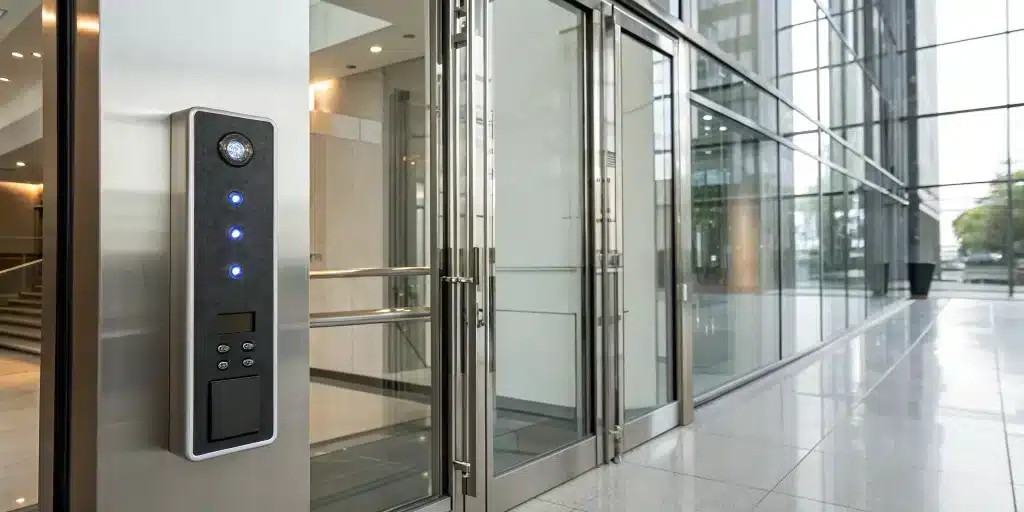
At its core, every access control system is made up of a few key parts working together. The control panel is the brain of the operation, processing every access request and storing user permissions. At each door, a reader authenticates credentials—this could be a device that scans a key card, fob, or even a fingerprint. The credentials themselves are what your team uses to gain entry, from physical cards and PINs to mobile apps on their phones. Finally, electronic lock hardware physically secures the door, and management software lets you easily add or remove users, set access schedules, and review entry logs from a central platform.
How Modern Systems Work
The process is simple and incredibly fast. When an employee presents their credential, like a key card, to the door reader, the reader sends that information to the control panel. The panel instantly checks if that person has permission to enter that specific door at that specific time. If everything checks out, the panel signals the electronic lock to disengage, and the door opens. These systems are designed to help businesses efficiently manage entry to their facilities while keeping a detailed log of every action, which is invaluable for tracking activity and investigating any security incidents.
Important Security Features
Modern access control systems come with features that create a truly robust security net. Real-time monitoring allows you to see who is entering your property as it happens, so you can respond immediately to anything unusual. Many systems can also be integrated with your existing security tools, like surveillance cameras and alarm systems, for a more unified defense. One of the biggest advantages is the ability to set flexible access permissions. You can grant an employee access to the main office but restrict them from the server room, or you can issue temporary credentials for visitors and contractors that expire automatically.
Types of Access Control Systems
Choosing the right access control system really depends on your business’s specific needs, budget, and security goals. There isn’t a one-size-fits-all solution, which is actually a good thing—it means you can find a perfect match for your property. From the classic lock and key to using your smartphone to open a door, the options are designed to provide different levels of security and convenience. Let’s walk through the main types so you can get a clearer picture of what might work best for you.
Traditional Key and Lock Systems
This is the system we all know best: a physical key opens a physical lock. It’s straightforward, familiar, and generally the most cost-effective option upfront. For many small businesses or internal doors that don’t require high security, a standard lock and key does the job perfectly. The main drawback, however, is the lack of control. If a key is lost, stolen, or an employee leaves without returning it, your security is compromised. The only way to fix this is to rekey or replace the locks, which can become a recurring expense and hassle. While simple, it’s worth weighing the long-term security risks against the initial savings.
Key Card and RFID Scanners
A significant step up from traditional keys, key card systems use cards with magnetic stripes or embedded RFID chips. Employees simply swipe or tap their card on a reader to unlock a door. This method offers much better security and control. If a card is lost or an employee leaves the company, you can instantly deactivate it from the system, eliminating the security risk without needing to change the locks. This makes managing access for a growing team much simpler and is a popular choice for offices, apartment buildings, and commercial spaces looking for a blend of security and convenience. It strikes a great balance between modern features and ease of use for your team.
Biometric Readers
For areas that require the highest level of security, biometric readers are the gold standard. These systems use a person’s unique physical traits to grant access. Think fingerprint scanners, facial recognition, or even iris scanners. Because these biological characteristics are nearly impossible to duplicate, you can be certain that only authorized individuals are entering your most secure spaces. This technology is ideal for protecting server rooms, research labs, or any area containing sensitive data or valuable assets. It completely removes the risk of lost or stolen credentials, offering you ultimate peace of mind when protecting your most critical business operations.
Mobile and Cloud-Based Access
Welcome to the future of security. Mobile and cloud-based security systems let you use smartphones as digital keys. Employees can unlock doors with an app, and you can manage everything remotely. From your computer or phone, you can grant or revoke access, set schedules for when doors can be opened, and see a log of who entered and when. This flexibility is a game-changer for business owners who aren’t always on-site. It’s a scalable, modern solution that integrates easily with other security tools, providing a seamless way to manage property access from anywhere in the world. This is perfect for businesses that value agility and remote oversight.
Must-Have Features for Business Security
When you’re choosing an access control system, it’s easy to get lost in the technical details. But a few key features can make all the difference in keeping your business safe and running smoothly. Think of these as the non-negotiables—the core functions that provide real security and peace of mind. From tracking who comes and goes to locking down in an emergency, these are the features that modern businesses in New York City rely on every day.
Real-Time Monitoring and Reports
A great access control system does more than just open doors; it tells you a story. Real-time monitoring allows you to see who is accessing which areas of your business at any given moment. This is paired with detailed reporting, which creates a log of all entry and exit activity. This data is invaluable for security, as it helps you track activity and spot any unusual patterns right away. If a door is propped open or an unauthorized access attempt is made, you’ll know instantly. It’s like having a digital security guard that keeps a perfect record of every event, giving you a clear picture of your facility’s traffic.
User Permissions and Access Levels
Not everyone on your team needs access to every room. Modern security systems allow you to create custom permissions for different people and roles. You can grant your IT manager access to the server room while restricting it for everyone else, or give your cleaning crew access only during their scheduled hours. This granular control is essential for protecting sensitive areas, equipment, and information. You can also easily set up temporary access for visitors or contractors with passes or PINs that expire automatically, ensuring they can only enter approved areas for a limited time. This flexibility keeps your operations secure without causing unnecessary bottlenecks.
Emergency Lockdown Protocols
In a critical situation, every second counts. An emergency lockdown feature is one of the most important safety tools you can have. With the press of a button—either on-site or remotely—you can instantly secure all or specific doors in your facility. This is crucial for responding to security threats, from potential intruders to other emergencies that require you to control movement within the building. Having a reliable lockdown protocol in place provides an immediate layer of protection for your employees and assets. It’s a powerful feature that you hope you never have to use, but you’ll be glad it’s there if you do.
Remote Access and Management
As a business owner, you can’t be on-site 24/7. That’s where remote access comes in. Cloud-based systems let you manage your building’s security from anywhere with an internet connection, using your smartphone or computer. Need to grant a delivery driver one-time access while you’re out of the office? No problem. Want to check on an after-hours access alert from home? You can do it in seconds. This capability gives you incredible flexibility and control, ensuring you can manage your commercial security and respond to situations immediately, no matter where you are.
Integration With Other Security Tools
Your access control system shouldn’t work in a silo. The most effective setups are those that integrate with your other security tools, like surveillance cameras and alarm systems. When these systems communicate, they create a much stronger security net. For example, you can configure your system so that when a door is accessed, a nearby camera automatically starts recording a video clip of the event. This provides visual verification for every entry, making it easier to investigate incidents. A fully integrated system gives you a comprehensive overview of your business’s security, ensuring all your tools are working together to keep you protected.
Key Benefits for Your Business
Upgrading your security isn’t just about adding another lock; it’s about making a smart investment in your business’s future. A modern door access control system does more than just keep the wrong people out—it streamlines your operations, protects your assets, and gives you invaluable peace of mind. Think of it as the central nervous system for your building’s security. Instead of fumbling with keys and worrying about who has a copy, you get a clear, manageable, and highly effective way to protect your space. From improving day-to-day efficiency to saving you money over time, the advantages are clear. Let’s walk through the key benefits you can expect when you implement a robust access control system.
Improve Security and Control
The most obvious benefit is a major upgrade to your security. Traditional keys can be lost, stolen, or copied, creating security gaps you might not even know exist. Access control systems let you manage exactly who can enter your building—and even specific rooms—without physical keys. By using key cards, PIN codes, mobile apps, or even biometrics, you can grant and revoke access instantly. If an employee leaves, you don’t have to change the locks; you just deactivate their credential. This gives you granular control over your property, ensuring that only authorized personnel can access sensitive areas and strengthening your overall commercial security posture.
Increase Operational Efficiency
An access control system can make your daily operations run much more smoothly. It eliminates the need for staff to manually lock and unlock doors or for employees to wait for someone to let them in. Approved individuals can get where they need to go quickly and easily, reducing friction and saving valuable time. When you integrate your access control with other tools like surveillance cameras, you get a complete picture of what’s happening on your property. This allows you to monitor activity in real-time and respond immediately to any security alerts, creating a more efficient and secure environment for everyone.
Save Money in the Long Run
While there’s an upfront investment, access control systems can save your business significant money over time. First, you’ll cut costs associated with traditional keys. There’s no need to rekey your entire building when an employee leaves or a key is lost—a process that can be both expensive and time-consuming. More importantly, enhanced security helps prevent theft and vandalism, protecting your valuable assets and inventory. Many businesses find that smartphone-based systems are particularly cost-effective, as they reduce the administrative work of managing access and eliminate the expense of physical cards or fobs altogether.
Simplify Compliance and Audits
For many businesses, maintaining a record of who enters and exits the premises isn’t just good practice—it’s a regulatory requirement. Access control systems automatically create a detailed log of all activity, providing a clear and accurate audit trail. This digital record shows who accessed which area and at what time, making it simple to pull reports for compliance checks or internal investigations. These security systems help you safeguard sensitive data and physical assets without getting in the way of productivity, ensuring you can meet industry standards with ease.
How to Implement Your New System
Putting a new access control system in place is more than just installing hardware. It’s about creating a seamless security strategy that fits your business perfectly. A thoughtful implementation plan ensures your system works effectively from day one and scales with you as you grow. By breaking the process down into clear, manageable steps, you can avoid common pitfalls and build a security framework that truly protects your assets and your team.
Assess Your Needs
Before you look at any specific technology, start with a simple question: What problem are you trying to solve? Walk through your facility and map out key access points. Identify which areas are public, which are for employees only, and which require the highest level of security, like server rooms or inventory storage. Consider how many people need access and what their roles are. Do you need to track entry and exit times for specific doors? Answering these questions will give you a clear blueprint for the kind of system you need. A professional can provide an expert assessment to help you identify vulnerabilities and define your security requirements.
Plan for Integration
Your access control system shouldn’t operate in a vacuum. The most effective security setups are layered, with different components working together. Think about how your new system can connect with your existing security tools. For example, you can integrate with other security measures like video surveillance, so a camera automatically records whenever a specific door is opened. Linking your access control to an alarm system can trigger an immediate alert during an unauthorized entry attempt. Planning for this integration from the start creates a more robust and responsive security network for your business.
Train Your Staff
The most advanced security system in the world won’t be effective if your team doesn’t know how to use it properly. Training is a critical step that’s often overlooked. Your staff needs to understand not just how to use their key card or app, but also the importance of security protocols, like not holding doors open for others or sharing access credentials. Host a training session to walk everyone through the new system, explain the policies, and answer any questions. Clear communication and ongoing education will help ensure everyone is on board and actively contributing to a safer workplace.
Manage Your Budget
Understanding the full cost of an access control system is key to making a smart investment. The price often goes beyond the initial hardware. When budgeting, remember to account for installation fees, software subscriptions (especially for cloud-based systems), and any additional hardware needed, like electric locks or power supplies. Many providers price their systems on a “per door” basis, so be sure to ask what that includes. It’s always a good idea to get a detailed quote that breaks down every expense, so you can avoid unexpected costs down the road and find a solution that fits your budget.
Meet Compliance Requirements
Depending on your industry, you may be subject to specific regulations regarding data security and physical access, such as HIPAA for healthcare or PCI DSS for finance. A good access control system is a huge asset for compliance. It creates a detailed digital record of who accessed which areas and when, providing a clear audit trail for regulators. When choosing a system, make sure it has the reporting and data protection features necessary to meet your industry’s standards. This not only helps you avoid potential fines but also demonstrates a strong commitment to security to your clients and partners.
Common Challenges (And How to Solve Them)
Switching to a new door access control system is a big step, and like any upgrade, it can come with a few hurdles. But don’t worry—a little planning goes a long way. Knowing what to expect can help you make smart decisions from the start, ensuring a smooth transition for you and your team. Let’s walk through some of the most common challenges businesses face and, more importantly, how to solve them.
System Compatibility
One of the first questions to ask is: will this new system play nicely with what we already have? You need to ensure your new access control technology integrates with your existing infrastructure, like your doors, wiring, and even other security tools you might be using. A system that isn’t compatible can lead to frustrating glitches, extra costs, and a messy installation process.
The best way to avoid this is with a thorough professional assessment. Before you commit to any hardware, have an expert evaluate your current setup. They can identify potential compatibility issues and recommend security systems that will work seamlessly with your property, saving you time and headaches down the road.
Getting Your Team Onboard
A security system is only as strong as the people who use it every day. If your team finds the new system confusing or inconvenient, they might find workarounds that compromise security. Getting everyone on board requires more than just a quick memo; it’s about clear communication and proper training.
Start by explaining why you’re making the change and how it benefits everyone’s safety. Hold simple, hands-on training sessions to show them exactly how to use the new system, whether it’s a key card, a mobile app, or a biometric scanner. When your team understands the system and feels comfortable using it, they become your first line of defense.
Ongoing Maintenance Costs
The initial price tag for an access control system is just one part of the total investment. You also need to budget for ongoing maintenance, software updates, and potential repairs. As you add more users or entry points, these costs can creep up, especially if you’re working with an older or less reliable system.
To manage these expenses, it’s smart to plan for them from the beginning. When choosing a system, ask about long-term maintenance needs and costs. Opting for high-quality, durable hardware can reduce the need for frequent repairs. Partnering with a trusted commercial locksmith for regular check-ups also helps keep your system running efficiently and prevents small issues from turning into expensive problems.
Planning for Growth
Your business isn’t static, and your security system shouldn’t be either. A solution that works for you today might not be enough as your company grows. Whether you’re hiring more employees, expanding to a new floor, or opening another location, your access control system needs to be able to scale with you.
Think about your five-year plan. Will you need to manage multiple sites from one central hub? Will you need to add dozens of new users quickly? Discuss these possibilities with your security provider from the outset. Choosing a flexible and scalable system from the start is far more cost-effective than having to replace an entire system that you’ve outgrown in just a few years.
How to Manage Your System Day-to-Day
Once your access control system is installed, the work isn’t over. Think of it like any other essential business tool—it needs consistent attention to perform at its best. Proper day-to-day management ensures your system remains a reliable security asset rather than a source of frustration. By establishing clear routines for operations, maintenance, and security updates, you can keep your premises secure and your team productive. It’s all about creating simple, repeatable processes that make managing access feel effortless.
Daily Operations
Your daily interactions with the system should be straightforward. This involves managing who can enter specific areas of your building using cards, keypads, or mobile apps. Common tasks include adding new employees, removing access for those who have left, and adjusting permissions as roles change. You might also need to issue temporary credentials for visitors or contractors. A good system provides an intuitive dashboard where you can see entry logs and manage users easily. Keeping a close eye on these daily activities helps you spot unusual patterns and maintain tight control over your security systems.
Regular Maintenance
Just like the locks on your doors, the hardware and software of your access control system need regular check-ups. Schedule routine inspections of card readers, electronic locks, and control panels to ensure they are functioning correctly. Dust and debris can interfere with readers, and loose connections can cause failures. Proactive maintenance helps you catch small issues before they become major security risks. While a professional installation can prevent many common problems, ongoing care is key to long-term reliability and protecting your investment.
Essential Security Updates
Technology is always changing, and so are security threats. Your system’s manufacturer will periodically release software and firmware updates to patch vulnerabilities and add new features. Applying these updates promptly is crucial for protecting your system from being compromised. Many modern systems can be updated automatically or remotely, which simplifies the process. Staying current with the latest access control trends ensures your system can integrate with other security tools and remains effective against emerging threats.
Reviewing User Permissions
It’s easy to grant access, but it’s just as important to review it regularly. Over time, employees may accumulate access rights they no longer need, creating unnecessary security risks. Set a recurring schedule—quarterly or semi-annually—to audit all user permissions. This review ensures that everyone only has access to the areas required for their job. This simple habit is a critical part of a strong security posture and is a best practice for any commercial business. It helps prevent unauthorized access and keeps your security protocols tight.
How to Future-Proof Your Security
Choosing a door access control system isn’t just about solving today’s security challenges; it’s about preparing for tomorrow’s. As your business grows and technology evolves, your security needs will change. A system that feels cutting-edge now could become outdated or insufficient in just a few years. Future-proofing means selecting a flexible, scalable solution that can adapt alongside your business. This proactive approach saves you from the costly and disruptive process of a complete system overhaul down the line. By thinking ahead, you can ensure your investment continues to protect your people, property, and assets effectively for years to come. It’s about building a security foundation that supports your business goals, rather than holding them back. A future-proof system provides peace of mind, knowing that as you add employees, expand your office, or adopt new operational tools, your security can keep pace without missing a beat. The key is to look beyond your immediate requirements and consider where your business will be in five or ten years. This long-term perspective is crucial for making a smart, sustainable investment in your company’s safety and security.
Keep an Eye on New Technology
Staying aware of new developments in security can help you make smarter long-term decisions. You don’t need to jump on every trend, but understanding what’s out there is key. For instance, touchless access control is becoming a new standard, with solutions like facial recognition offering both convenience and enhanced security. At the same time, biometric advancements are making authentication measures more secure and user-friendly than ever. Keeping these innovations on your radar helps you anticipate future upgrades and ensure your business is protected by modern, effective security systems.
Plan for Scalability
Your business isn’t static, and your security system shouldn’t be either. Whether you’re planning to hire more staff, expand to a new floor, or open another location, your access control system needs to grow with you. In the past, many systems worked in isolation, but today, businesses need solutions that can work together seamlessly. When choosing a system, ask how easily it can be expanded. Can you add new doors, users, and locations without replacing the core infrastructure? A scalable system is a smart investment for any growing business looking for reliable commercial locksmith services.
Consider Security Enhancements
Future-proofing doesn’t always mean starting from scratch. Often, you can significantly improve your security by integrating new features into your existing setup. Many modern technologies are designed to work with legacy systems, allowing you to add layers of protection incrementally. For example, you can combine existing security with touchless entry to eliminate the need for physical cards at the door. This could also involve upgrading your physical hardware, like installing high-security locks or reinforcing entry points. Thinking about enhancements helps you phase in improvements as your budget and needs allow.
Explore Cloud Integration
Cloud-based access control is a game-changer for future-proofing your security. Moving your system to the cloud offers incredible flexibility, allowing you to manage access remotely, receive real-time alerts, and integrate with other business tools. Modern systems are built on open platforms, making it easier to connect your access control with video surveillance, visitor management, and even building analytics. This level of interoperability creates a unified security ecosystem that is more powerful and easier to manage. A cloud-based approach ensures your system stays current with automatic software updates and can easily adapt to new technologies as they emerge.
Related Articles
- Access Control Systems: Security & Convenience
- Top 10 Access Control Systems Companies: 2025 Guide
- Benefits Of High-Security Locks
- Keyless Entry: The Future of Home Security
- Best Access Control Systems for NYC Businesses
Frequently Asked Questions
What happens to an electronic access control system if the power goes out? This is a very practical concern, and thankfully, professional systems are designed for this exact scenario. Most access control systems are equipped with a battery backup that kicks in automatically during a power outage. This ensures your doors remain locked and secure, and your card readers will still function, so you and your team won’t be locked out. It’s a standard feature that provides peace of mind, knowing your security stays active even when the lights go out.
Is an access control system too complex or expensive for my small business? Not at all. One of the best things about modern access control is how scalable it is. You don’t need a massive corporate budget to get started. You can begin by securing just your main entrance or a sensitive storage room and then easily add more doors as your business grows. These systems are designed to be user-friendly, and many can be managed right from your smartphone, making them a practical and affordable security upgrade for businesses of any size.
Why should I get an access control system instead of just rekeying my locks when an employee leaves? Think of it as being proactive instead of reactive. Rekeying your locks is a solution you have to pay for every single time a key is lost or not returned, and it involves scheduling a locksmith and distributing new keys. With an access control system, you simply log in to the software and deactivate that person’s credential in seconds. The security gap is closed instantly, with no extra cost or operational downtime.
Can I manage access for multiple business locations from one central place? Yes, and this is a huge benefit for any business with more than one site. Cloud-based access control systems allow you to manage the security for all your locations from a single dashboard on your computer or phone. You can grant or revoke access, check activity logs, and even lock down a facility remotely, whether you’re managing two shops in Brooklyn or offices across all three boroughs.
This all sounds great, but how do I figure out which system is right for my business? The best way to start is with a professional security assessment. An expert can walk through your property with you to understand your daily operations, identify your unique security needs, and point out potential vulnerabilities you might not have noticed. This helps you get a clear recommendation for a system that fits your specific workflow and budget, taking all the guesswork out of the process.
Need professional help in NYC? Contact Golden Key Locksmith NYC for Key Card Entry Systems or Access Control Systems. Available 24/7 across Manhattan and all NYC boroughs.