Fraud Blocker

Door lock change price: what you’ll actually pay

Door
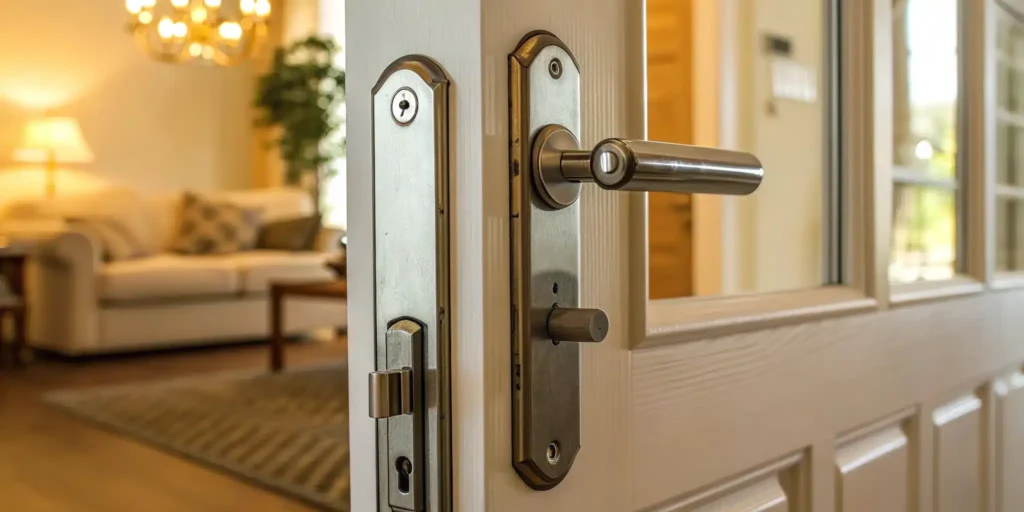
A modern door lock, a key factor in the price to change a door lock.

When it’s time to change your locks, it’s easy to focus only on the immediate task. But this is also a perfect opportunity to evaluate your property’s overall security. Are you simply replacing an old lock with the same model, or are you upgrading to something that offers better protection? The change door lock price will vary significantly if you’re moving from a basic deadbolt to a keyless smart lock or a high-security system. This decision is about more than just a new set of keys; it’s an investment in your peace of mind and the safety of your home or business.

Key Takeaways

  • Understand What You’re Paying For: Your final bill is a mix of the lock’s price, the locksmith’s labor, and when you need the service—emergency calls cost more. Always ask for an itemized quote upfront to avoid hidden fees from those “too good to be true” ads.
  • Choose Rekeying for Savings, Replacement for Upgrades: Rekeying is a budget-friendly fix when your current locks work well but you need new keys. Choose a full replacement if your hardware is old or broken, or when you’re ready to upgrade to a stronger lock for better protection.
  • Hire a Pro to Protect Your Investment: While DIY seems cheaper, a professional installation guarantees your lock works correctly and doesn’t leave you vulnerable. Hiring a pro also protects your lock’s warranty and prevents expensive mistakes, like damaging your door, which saves you money and stress.

How Much Does It Cost to Change a Lock in NYC?

Trying to pin down the exact cost of changing a lock in New York City can feel like chasing a moving target. The truth is, there’s no single price tag. The final bill depends on what kind of lock you need, when you need it, and the specifics of the job. On average, you can expect a locksmith visit to cost around $300, but this is just a ballpark figure. Understanding the different factors at play will help you get a clearer picture of what you’ll actually pay and ensure you’re getting a fair price for securing your home or business.

Typical Lock Change Costs

When you’re budgeting for a lock change, it helps to have a realistic range in mind. While the lock hardware itself might start around $90, that doesn’t include the crucial cost of professional installation. For a standard residential locksmith service call during business hours, you might see prices ranging from $150 to $300 for a new lock installation. The final cost is shaped by the complexity of the job and the type of lock you choose. A simple knob lock will be on the lower end, while a high-security deadbolt will naturally cost more. Always ask for a quote that separates the cost of the hardware from the labor.

Emergency vs. Standard Service Pricing

One of the biggest factors influencing your final bill is timing. A scheduled appointment on a Tuesday morning will always be more affordable than a late-night lockout on a Saturday. Expect to pay a higher service call fee for any work done outside of standard 9-to-5 business hours, on weekends, or on holidays. An emergency locksmith call has a premium because you’re paying for immediate, priority service. A typical service call fee can start around $65 but can climb closer to $200 for after-hours assistance, with the total for an emergency lockout situation potentially reaching over $400.

Common Myths About Locksmith Prices

You’ve probably seen ads online promising a locksmith for an unbelievably low price, like $19 or $29. It’s important to be wary of these offers. Often, this is just a bait-and-switch tactic where the advertised price is only the service fee for showing up. Once the locksmith arrives, they may add on significant, undisclosed charges for labor and parts. A reputable locksmith will provide a transparent quote upfront. A realistic price for a standard home lockout is closer to the $100–$250 range, so if a price seems too good to be true, it almost certainly is.

Will Insurance Cover Your Lock Change?

Many people wonder if their homeowner’s or renter’s insurance will foot the bill for a lock change. The answer is: it depends. If you need to change your locks because of a covered event, like a burglary, your policy will likely cover the cost as part of the claim. However, insurance typically won’t pay for a lock change if you simply lost your keys or want to upgrade your security as a precaution. It’s always a good idea to review your policy or call your insurance agent to understand what’s covered. Investing in better security systems proactively is often an out-of-pocket expense, but it’s one that pays off in peace of mind.

What Factors Into the Final Price?

When you get a quote for a lock change, you’re seeing more than just the price of a new lock. The final cost is a blend of a few key components, from the hardware you choose to the time of day you need the service. Understanding these factors helps you see exactly what you’re paying for and ensures there are no surprises when the bill arrives. Let’s break down the four main elements that determine the price of changing your locks.

The Type and Quality of the Lock

The single biggest influence on your total cost is the lock hardware itself. A standard knob lock or a basic deadbolt will be on the lower end of the price spectrum. If you’re looking to upgrade to a high-security lock or a keyless smart lock, the price can jump significantly—a smart lock can easily cost four times as much as a standard one. While it might be tempting to go for the cheapest option, investing in a quality lock is an investment in your home’s security. Better materials and more complex mechanisms provide greater protection and peace of mind for your residential locksmith needs.

Labor and Professional Expertise

When you hire a professional locksmith, you’re paying for their time, skill, and specialized tools. Labor is typically charged by the hour, with rates often falling between $50 and $100 for a standard service call. This fee covers the locksmith’s expertise in assessing your needs, recommending the right hardware, and performing the installation correctly and efficiently. A more complex installation, like fitting a mortise lock into a new door, will take more time and skill than a simple cylinder swap, which will be reflected in the labor cost. You’re not just buying a lock; you’re buying a professional installation that ensures it works perfectly.

Your Location and the Time of Service

Where you are and when you need help both play a role in pricing. Costs can vary between boroughs, and a locksmith may factor in travel time and distance, especially in a sprawling area like New York City. The time of your appointment is also crucial. A scheduled visit during standard business hours on a weekday will always be more affordable than a call-out on a weekend or holiday. Planning your lock change in advance is one of the easiest ways to manage costs. At Golden Key Locksmith NYC, we provide clear pricing for services across Manhattan, Brooklyn, and Queens.

The Extra Cost of Emergency Calls

If you’re locked out in the middle of the night or need an urgent lock change after a break-in, you’ll need an emergency service. This immediate, round-the-clock availability comes at a premium. After-hours services often have higher hourly rates, sometimes between $75 and $125, and may include an additional trip fee for the urgency. While it costs more, the value comes from getting immediate help when you are most vulnerable. Our emergency locksmith team is on call 24/7 because we know that some situations simply can’t wait until morning.

Explore Your Lock Options

The biggest variable in the cost of changing your locks is, unsurprisingly, the lock itself. Think of it like buying a new pair of shoes—you can go for something simple and functional or invest in a high-tech pair designed for performance. The right choice depends entirely on your needs, your property, and your budget. From basic doorknobs for your bedroom to advanced smart locks you can control from your phone, there’s a wide spectrum of options available.

Understanding these choices is the first step toward making a smart security decision. Are you securing a front door that faces a busy street in Brooklyn, or an interior office door in a secure building? The answer will guide you toward the right hardware. We’ll walk through the most common types of locks, from standard deadbolts to comprehensive commercial systems, so you can get a clear picture of what each offers and what it might cost. This will help you feel confident when you discuss your needs with a professional.

Basic Door Knobs

Let’s start with the basics. A standard doorknob with a built-in lock is the most common type you’ll find on interior doors, like bedrooms or bathrooms. They’re designed more for privacy than for high-level security. Installation is typically quick and straightforward, making them a cost-effective choice. You can expect the hardware and installation to run between $50 and $100. While they’re perfect for inside your home, you wouldn’t want to rely on one of these to secure your main entry points. They simply don’t offer the same level of protection against forced entry as more robust options.

Deadbolts and High-Security Locks

When it comes to securing your home’s exterior doors, a deadbolt is the standard for a reason. Unlike a spring-bolt lock on a doorknob, a deadbolt’s locking mechanism is a solid piece of metal that extends deep into the doorframe, making it much harder to force open. A professionally installed deadbolt, which typically costs between $70 and $200, is one of the most effective deterrents against break-ins. For even greater peace of mind, you can opt for high-security deadbolts that feature reinforced steel and are resistant to picking, drilling, and bumping. These are an excellent upgrade for any residential property.

Smart Locks

If you love the convenience of technology, a smart lock might be the perfect fit. These locks offer keyless entry via a keypad, your smartphone, or even your fingerprint, and you can grant temporary access to guests or service providers from anywhere. This modern solution comes with a higher price tag, usually ranging from $200 to $800 for the lock and installation. The cost reflects the advanced features, such as activity logs, auto-locking, and integration with other smart home devices. Smart locks are a fantastic way to add both convenience and control to your home’s security system.

Commercial-Grade Systems

Businesses in Manhattan and Queens have different security needs than residential properties. High foot traffic, valuable inventory, and employee access all require more durable and sophisticated locking systems. Commercial-grade locks are built to withstand heavy use and offer enhanced security features like master key systems or restricted keyways. While the upfront cost is higher than for residential locks, they are a crucial investment for protecting your assets. A professional commercial locksmith can help you choose the right system, whether it’s a heavy-duty deadbolt, a mortise lock, or an electronic access control system.

Multi-Lock Setups

For those who want the highest level of security, a multi-lock setup can provide layered protection. This often involves combining a high-security deadbolt with a locking handle or even installing two separate deadbolts on a single door. This approach creates multiple barriers for any potential intruder, significantly increasing the difficulty and time required to bypass the door. Depending on the complexity and the quality of the locks you choose, a multi-lock installation can range from $900 to $1,500. It’s a serious security upgrade ideal for anyone looking for maximum protection for their home or business.

Replace or Rekey: Which Is Right for You?

When you need to change who has access to your property, you have two main options: rekeying the locks or replacing them entirely. It’s a common question we get, and the answer isn’t always straightforward. While both solve the immediate problem of rendering old keys useless, the best choice for you depends on your budget, your current hardware, and your long-term security goals. Let’s walk through the key differences to help you decide.

When You Should Replace a Lock

Sometimes, rekeying just isn’t enough. A full lock replacement is the best move if you’re dealing with hardware that’s old, broken, or simply not up to the job. If your lock is sticking, rusted, or visibly worn, changing it is a must for reliable security. It’s also a good idea to replace locks about every seven years, just to keep up with wear and tear. The most important time to replace your locks is when you move into a new home. You never know who might have a spare key, so starting fresh with a new set of locks provides essential peace of mind. A replacement is also your only option when you want to upgrade your security systems by switching from a basic knob to a high-security deadbolt or a modern smart lock.

The Cost and Benefits of Rekeying

If your current locks are in great shape but you’ve lost a key or had a change in tenants, rekeying is a fantastic, budget-friendly solution. Rekeying involves altering the internal pins of the lock cylinder so that the old key no longer works. We then create a new key that matches the new configuration. This process is much faster and more affordable than a full replacement because you’re keeping your existing hardware. It’s the perfect choice when you need an emergency locksmith to quickly restore security without the cost of new locks. Rekeying is also great for convenience—if you’re tired of fumbling with multiple keys, we can rekey several locks to work with a single key.

Key Security Differences to Consider

It’s important to understand that rekeying doesn’t change the strength of your lock; it only changes who can open it. If you have a standard-grade lock, rekeying it will simply ensure old keys are useless. If you want to improve your home’s defense against break-ins, you’ll need to replace the hardware. For any exterior door, we recommend installing at least a Grade 2 lock, with a deadbolt providing the best protection. When you choose to replace a lock, you have the opportunity to select a more durable, pick-resistant model. This is a crucial step in any residential locksmith plan to secure your home.

Which Offers Better Long-Term Value?

Deciding between rekeying and replacing often comes down to long-term value versus short-term savings. Rekeying offers immediate cost benefits and is a perfectly smart choice if your existing locks are high-quality and functioning well. It solves the problem efficiently without unnecessary expense. However, investing in a full lock replacement can provide better long-term value. High-quality locks might cost more upfront, but their durability and superior security features save you money and worry over time. Think of it as an investment in your property’s safety. If your locks are outdated or low-grade, upgrading them is one of the most effective security improvements you can make for your home or business.

Should You Hire a Pro or DIY?

Thinking about changing your locks? The DIY route can seem tempting, especially when you’re trying to save a few dollars. But before you head to the hardware store and break out the toolbox, it’s worth weighing the pros and cons. A simple lock swap might seem straightforward, but a small mistake can lead to bigger problems with your security and your wallet. Let’s break down what you need to consider before deciding to do it yourself or call in a professional. This isn’t just about saving money today; it’s about ensuring your property is secure for the long haul.

The Tools and Skills a DIY Job Requires

If you’re swapping out a basic knob lock for an identical one, you can probably get the job done with just a screwdriver. For most standard deadbolts, you might need a drill. The real challenge comes when the job isn’t a simple one-for-one replacement. Installing a more complex lockset, adjusting the door frame, or working with high-security hardware requires specific tools and a level of precision that comes from experience. A professional residential locksmith has the right equipment and knowledge to handle any lock type, ensuring a perfect fit without damaging your door.

Hidden Costs of a DIY Lock Change

The main appeal of a DIY project is saving on labor costs, but things can get expensive fast if you make a mistake. What happens if the new lock doesn’t align with the old holes? You’ll have to drill new ones, and one wrong move could splinter the wood or damage the door’s integrity. Suddenly, your budget-friendly project requires a professional door repair and installation service. When you hire a locksmith, you’re not just paying for their time; you’re paying for their expertise to get the job done right the first time, avoiding costly errors that can turn a small task into a major expense.

The Security Risks of Doing It Yourself

Your lock is your first line of defense, and an improper installation can leave you vulnerable. A lock that isn’t fitted correctly might not engage properly, making it easy for someone to bypass. It could also jam or fail when you need it most. This is especially true for advanced hardware like smart locks or high-security systems, which require precise installation to function as designed. A professional ensures your lock is installed securely, giving you confidence that your home or business is protected. For businesses, a properly installed lock is a critical part of your overall commercial locksmith security plan.

How DIY Affects Your Warranty and Insurance

Did you know that installing a lock yourself could void its warranty? Many manufacturers, especially for smart locks, require professional installation to guarantee their product. If something goes wrong with the lock, you’ll be on your own. Furthermore, consider your insurance policy. If a break-in occurs and it’s traced back to a faulty lock you installed, your provider might question the claim. Hiring a licensed locksmith provides a record of professional installation, which protects your warranty and supports your insurance claims. It’s a small step that provides a significant layer of financial and legal protection for your property.

How to Find a Trustworthy Locksmith

Finding a locksmith you can trust feels like a huge hurdle, especially when you’re stressed out and locked out. But a little bit of vetting goes a long way in ensuring your home and property are secure. The right professional won’t just change your lock; they’ll give you peace of mind. In a city with endless options, knowing what to look for helps you separate the seasoned experts from the rest. It’s about more than just finding someone who can get the job done—it’s about finding a partner in your property’s security. A trustworthy locksmith provides transparent pricing, guarantees their work, and has the proper credentials to prove their expertise. They understand that they’re not just working on a door; they’re protecting your home, your business, and your family. Before you hire someone, take a moment to run through a few key checks. It’s the best way to make sure you’re getting quality work from a professional who stands by their service, whether you need a simple lock change for your apartment or a comprehensive security system for your business. These steps will help you feel confident in your choice and secure in your space.

Check for the Right Credentials

First things first: a legitimate locksmith should be licensed and insured. Don’t be shy about asking for proof. Insurance is crucial because it protects you and your property in the unlikely event that something gets damaged during the job. Think of it as a safety net. A professional company will have their credentials ready and will be happy to share them. This simple step is one of the easiest ways to filter out questionable operators and ensure you’re working with a pro who takes their trade—and your security—seriously.

Understand What’s in Your Quote

A vague price given over the phone is a red flag. Before any work begins, ask for a detailed quote that breaks down all the costs. This should include any call-out fees, the price for labor, and the cost of the new lock or parts. Getting everything in writing helps you avoid surprise charges on the final bill. A trustworthy locksmith will be transparent about their pricing from the start. If a company is hesitant to provide a clear, itemized estimate, it’s best to keep looking for one that will.

Ask About Service Guarantees

What happens if your new lock starts sticking a week after it’s installed? This is where service guarantees come in. A reputable locksmith will stand behind their work with a warranty on both parts and labor. This shows they are confident in the quality of their products and their installation skills. A guarantee ensures that if any issues arise from the service, they will come back to fix it. This commitment to customer satisfaction is a hallmark of a true professional, whether you’re securing your home or need a commercial locksmith for your business.

Know Their Emergency Response Protocol

Getting locked out doesn’t always happen between 9 and 5. If you find yourself needing help at an odd hour, you’ll want to know what to expect. Emergency locksmith services often come with different pricing and response times. Before you commit, ask about their availability and any additional fees for after-hours calls. Find out their estimated arrival time so you’re not left waiting and wondering. Having this information upfront helps you make a clear-headed decision, even when you’re in a panic.

How to Save Money on Your Lock Change

Changing your locks is a crucial step for securing your property, but it doesn’t have to break the bank. With a little planning, you can get the security you need while keeping costs manageable. A few smart decisions can make a big difference in the final price you pay, whether you’re securing a new apartment in Brooklyn or upgrading the locks on your Queens storefront. Here are some practical ways to save money on your next lock change.

Get a Few Different Quotes

Before you commit to a locksmith, take some time to shop around. Getting quotes from a few different professionals is the best way to understand the going rate for the service you need in your area. This simple step helps you spot any outliers and ensures you’re getting a fair price for the work. When you call for an estimate, be ready to describe the type of lock you have and what you need done. A reputable locksmith should be able to give you a clear, itemized idea of the cost over the phone, including parts and labor. This transparency helps you compare your options without any pressure or hidden surprises.

Schedule Your Service Wisely

If your lock change isn’t an emergency, your calendar can be your best money-saving tool. Locksmith services scheduled during standard business hours on weekdays are almost always more affordable. Costs tend to go up for services requested in the evenings, on weekends, or during holidays due to after-hours call-out fees. While a 24/7 emergency locksmith is a lifesaver when you’re locked out, you can avoid these premium rates by planning non-urgent lock changes for a regular workday. A little foresight to schedule an appointment in advance can lead to significant savings on the final bill.

Ask About Bundling Services

Do you need to change more than one lock? If you’re moving into a new home or office, you might be looking to replace the locks on the front door, back door, and maybe even a side entrance. Many locksmiths offer a discount if you have them replace multiple locks during the same visit. It’s more efficient for them to handle several locks at once, and they often pass those savings on to you. Don’t hesitate to ask about a package deal when you call for a quote—it’s a simple question that could lower your overall cost for a commercial or residential job.

Plan for Regular Maintenance

One of the best ways to save money on locks is to avoid needing emergency repairs in the first place. Just like any other mechanical device, locks benefit from regular maintenance. Over time, dirt, dust, and grime can build up inside the mechanism, and parts can wear down from daily use. Periodically checking your locks for signs of wear, stiffness, or rust can help you catch small problems before they become big, expensive ones. Simple upkeep can extend the life of your locks and prevent a costly failure down the road, ensuring your doors and hardware remain in top condition.

Thinking Beyond the Lock

Changing a lock is a great first step, but true security involves looking at the bigger picture. Your door is more than just a slab of wood with a lock on it; it’s a complete system. When you start thinking about how the lock, door, frame, and even your own habits work together, you can create a much safer environment for your home or business. It’s not just about keeping people out—it’s about creating a seamless, secure experience for the people who are supposed to be there. Taking a holistic approach means you’re not just reacting to a problem, but proactively building layers of protection that give you lasting confidence.

Upgrade Your Door Hardware

A high-security lock won’t do much good if it’s installed on a weak door or a flimsy frame. Think of your door’s hardware as its supporting cast—the stronger it is, the better the lock can perform. This includes reinforcing the strike plate (the metal plate on the doorframe where the bolt enters), using longer screws that anchor into the wall stud, and ensuring your hinges are secure. Choosing good quality locks is a smart investment for better security and peace of mind. If your door itself is old or damaged, consider a full door repair and installation to create a solid foundation for your new lock.

Integrate with a Security System

In an increasingly connected world, your lock can do more than just lock. Smart locks can integrate with your home or business security system, offering a new level of control and awareness. While smart locks can cost more than a standard deadbolt, they offer advanced features that enhance security, like remote locking and unlocking from your phone, temporary access codes for guests or service providers, and activity logs that show you who entered and when. Connecting your lock to a broader security system can also trigger alarms or cameras if tampering is detected, giving you a comprehensive view of your property’s safety.

Explore Access Control Systems

If you want to ditch keys entirely, an access control system is the way to go. These systems give you complete control over who can enter your property and when. Locks with keypads, fingerprint scanners, or card readers offer incredible convenience and security, especially for businesses or apartment buildings. You can easily grant or revoke access without ever changing a physical lock, and you can often set schedules to limit entry to certain times. This is a powerful tool for any commercial locksmith client looking to manage employee or tenant access efficiently while maintaining a high level of security.

Future-Proof Your Property’s Security

Your security needs can change over time. You might have a new roommate, start a home business, or simply want to keep up with new security technology. Instead of just thinking about today’s needs, consider a security solution that can grow with you. Investing in good security is important for your peace of mind, and planning ahead can save you money and stress down the road. A professional residential locksmith can help you assess your current setup and recommend scalable solutions that will keep your home secure for years to come, ensuring your investment continues to protect what matters most.

Related Articles

Frequently Asked Questions

Why can’t I get a single flat price over the phone? A trustworthy locksmith will give you a detailed estimate, but a final, flat price is tough without seeing the situation firsthand. The cost depends on your specific door, the type of lock you currently have, and whether any adjustments are needed for the new hardware to fit perfectly. A company that gives a single, low price without asking questions might be setting you up for hidden fees later. We prefer to give you an accurate quote based on the real work involved.

Is rekeying a good option if my lock is old? Rekeying is a great, cost-effective solution if your lock is in good working condition. However, it doesn’t fix any internal wear and tear. If your lock is already sticking, feeling loose, or showing signs of rust, rekeying it won’t make it more reliable. In that case, replacing the lock entirely is the safer and more sensible long-term investment for your security.

How can I tell if a locksmith is legitimate when I’m in a hurry? When you’re stressed and in a rush, look for a few key signs of professionalism. A legitimate locksmith will arrive in a marked vehicle and should be able to provide you with their license information. Most importantly, they will assess the situation and give you a clear, itemized quote before they begin any work, so you know exactly what you’re paying for.

Will installing a smart lock myself really void the warranty? In many cases, yes. Smart locks are complex pieces of technology, and manufacturers often require professional installation to ensure all their features work correctly and securely. An improper installation can not only damage the lock but also create security gaps. Sticking with a professional install protects your investment and makes sure your warranty remains intact.

What’s the real difference between a residential and a commercial lock? The main difference comes down to durability and complexity. Commercial locks are built to withstand much heavier use—think of an office door that opens hundreds of times a day versus your front door. They are made from stronger materials and can be part of a larger master key system, which allows for different levels of access for employees. Residential locks are designed for the security and usage needs of a home.

Need professional help in NYC? Contact Golden Key Locksmith NYC for Commercial Door Services or Metal Door Installation. Available 24/7 across Manhattan and all NYC boroughs.