

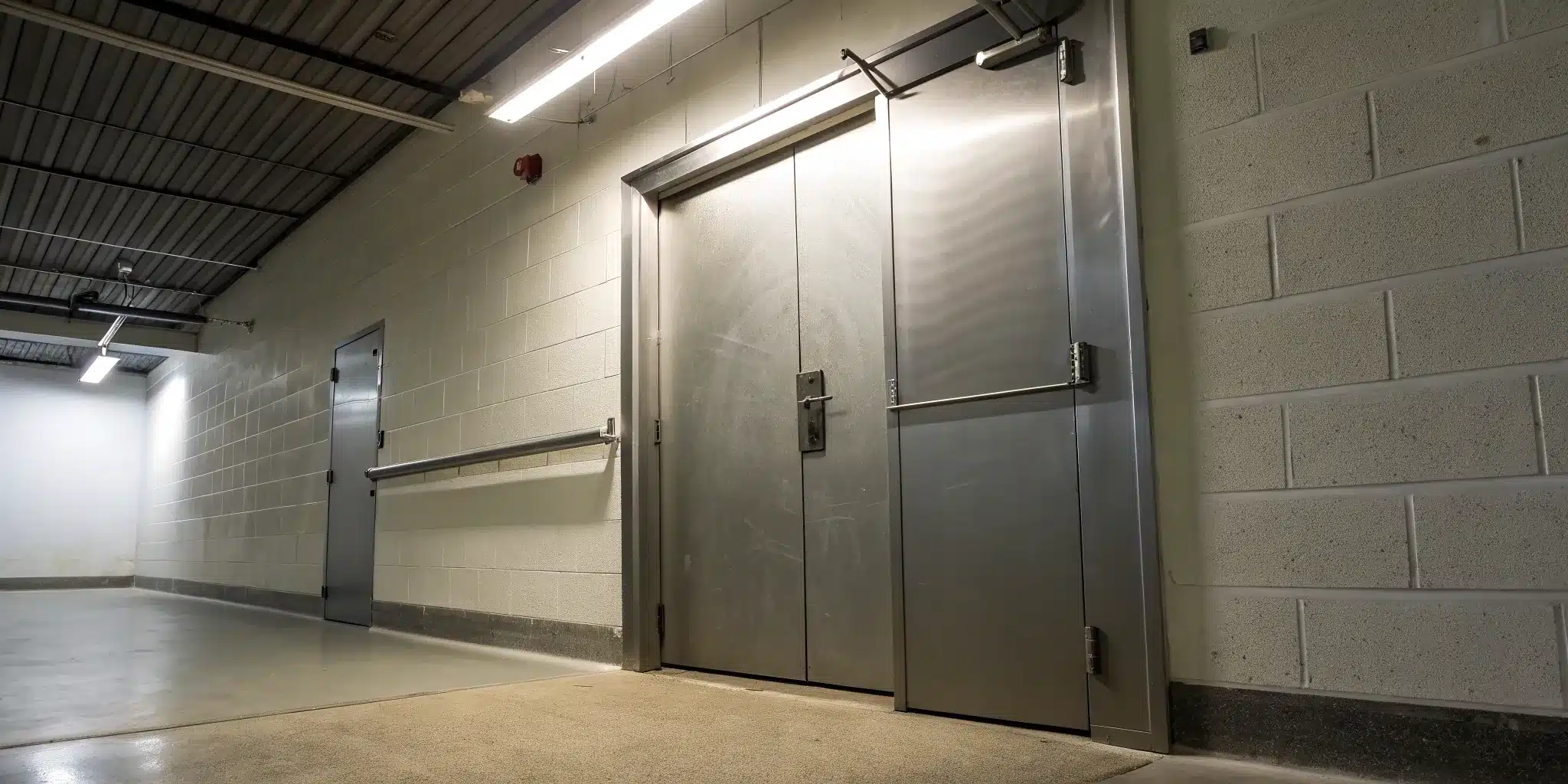
A fire door is much more than just a heavy door. It’s an engineered safety system where every part has a critical role. The door itself, the frame it sits in, the intumescent seals that expand with heat, and the hardware that keeps it closed all have to work together seamlessly to create an effective barrier against fire and smoke. If even one of these components is installed incorrectly or is incompatible with the others, the entire system can fail. A fire door installation certificate is the only way to verify that this complex assembly was put together correctly by a certified expert. It’s the seal of approval that confirms your door is truly ready to perform its life-saving function.
Key Takeaways
- A Certificate Verifies the Entire System: A valid fire door certificate proves that every component—the door, frame, hinges, and seals—has been professionally installed to function together as a complete, fire-resistant barrier.
- Hire a Certified Pro for a Valid Certificate: A legitimate fire door certificate can only be issued by a trained and accredited professional. Always ask for credentials to ensure your installation is compliant and avoids serious legal risks.
- Protect Your Certification with Regular Upkeep: A fire door certificate isn’t a one-time deal. You must schedule routine inspections and keep detailed maintenance records to ensure the door remains compliant and ready to function in an emergency.
What Is a Fire Door Installation Certificate?
Think of a fire door installation certificate as an official record that proves your fire door was installed correctly and meets all necessary safety regulations. It’s a crucial document that verifies every component—from the door itself to the frame, hardware, and seals—has been fitted according to the manufacturer’s specifications and fire safety codes. This isn’t just about checking a box; it’s about ensuring the entire door assembly will function as a complete system to block smoke and flames during a fire, giving people vital time to evacuate safely.
Every fire door should have a current certificate from an accredited installer, along with a certification label attached to the door itself. This paperwork is your proof of compliance and a cornerstone of your building’s fire protection strategy. Without it, you have no way to verify that one of your most critical life-safety features will actually work when you need it most. Professional door repair and installation is essential to guarantee that your fire doors are not only functional but also fully certified.
What Are the Legal Requirements?
Failing to have a properly certified fire door isn’t just a safety oversight—it’s a significant legal risk. For building owners, property managers, and contractors in New York, installing or maintaining non-certified fire doors can lead to serious liabilities. In the unfortunate event of a fire, if an investigation finds that your fire doors were not installed to code, you could be held legally responsible for any resulting injuries, deaths, or property damage. This can lead to hefty fines, lawsuits, and devastating financial consequences. Ensuring compliance isn’t just about following rules; it’s about protecting yourself and your tenants from preventable harm and legal trouble.
Key Components and Documentation
Proper documentation is the backbone of fire door compliance. Your installation certificate should be detailed and contain all the essential information about the door assembly. This typically includes the name and credentials of the certified installer, the date of installation, and the specific location of the door within the building. It will also specify the door’s fire rating (e.g., FD30, FD60), along with details about the frame, hardware, and seals used. Keeping these records organized and accessible is critical for property managers and business owners. You’ll need them for building inspections, insurance purposes, and as part of your overall commercial locksmith and safety records.
Understanding Certification Labels
Beyond the paper certificate, each fire door assembly should have a physical certification label. This label, usually found on the top edge of the door, is a quick, visible confirmation that the door meets specific safety standards. It signifies that the door and its components have been tested by an independent body to withstand fire for a designated period. The label provides key information at a glance, such as the manufacturer’s name, the fire-resistance rating, and a unique serial number for traceability. This small but mighty tag is proof that the professionals who handled the door possess the expertise to ensure it performs correctly in an emergency.
Common Misconceptions Debunked
One of the most dangerous misconceptions is that any sturdy-looking door can function as a fire door, or that an older fire door is automatically compliant. This is simply not true. Fire door technology and safety standards evolve, and a door that was acceptable decades ago may not meet today’s stringent requirements for smoke control and hardware. Certification isn’t just a suggestion; it’s a requirement that confirms the entire assembly is up to modern codes. Underestimating the importance of a valid, current certificate puts lives and property at unnecessary risk.
What’s Required for Certification?
Getting a fire door certified isn’t just about getting a sticker. It’s a detailed process that confirms your door assembly meets strict safety standards designed to protect lives and property. Certification is proof that every component, from the door itself to the frame and hardware, has been correctly installed and functions as a complete, fire-resistant system. This process involves understanding local regulations, knowing the specific fire ratings, and ensuring the entire assembly has been tested and approved. It’s about verifying that your door will perform as expected when you need it most. For building owners and managers in New York City, working with a professional who understands these requirements is key to ensuring both safety and compliance.
Know the Building Codes and Standards
First things first, you need to be familiar with the local building codes. In NYC, these regulations are specific and non-negotiable. Every fire door must have a current, independently accredited test certificate to prove it meets these standards. Think of it as the door’s official report card. During an inspection, officials will look for a certification label attached directly to the door. This label confirms that the door has passed the necessary tests and is compliant with fire safety regulations. Staying current with these codes is essential, as they can be updated. A professional installer will be well-versed in the latest NYC Department of Buildings requirements, ensuring your installation is up to par from the start.
Understanding Fire Rating Classifications
Fire ratings can seem a bit technical, but the concept is simple. A fire door’s rating, like FD30 or FD60, tells you how long it can withstand fire—30 minutes or 60 minutes, respectively. This crucial time allows people to evacuate safely and helps contain the fire. A common misconception is that if a door isn’t certified to the very latest standard, it’s automatically non-compliant. That’s not always true. The key is that the door met the required standards at the time of its installation and continues to be properly maintained. Understanding your building’s specific needs and the door’s rating is crucial for ensuring you have the right level of protection.
Essential Door Components
A fire door is more than just a slab of wood or metal; it’s a complete assembly. For a certificate to be valid, every single part—the door, frame, hinges, latches, and even the glass (glazing)—must be compatible and fire-rated. You can’t mix and match parts from different manufacturers and expect the door to perform correctly. The majority of fire-rated door assemblies are required to carry a fire protection listing, which verifies that all components work together as a single unit. If any part of the assembly is compromised, the entire door’s fire resistance is at risk. That’s why professional door repair and installation is so important for maintaining the integrity of the system.
How Doors Are Tested and Rated
So, how does a door get its rating? It goes through rigorous testing in a specialized laboratory. During these tests, the entire door assembly is exposed to intense heat and fire to see how long it holds up. The test measures the door’s ability to block flames and smoke and to remain structurally sound. One critical point is that the materials must be successfully tested as an assembly. For example, installing fire-rated glass into a frame that wasn’t tested with it won’t pass muster. The certification applies only to the exact configuration that was tested, which is why you can’t make alterations without voiding the certificate. This strict process ensures that every certified commercial locksmith installation provides reliable protection.
Who Can Issue a Fire Door Certificate?
When it comes to fire safety, not just any contractor has the authority to sign off on an installation. A fire door installation certificate is a formal document issued by a competent person or company, confirming that a fire door has been installed correctly and meets all required safety standards. This isn’t a task for a general handyman; it requires specific expertise. Think of it as a seal of approval from a professional who knows the ins and outs of fire safety regulations, ensuring your door will perform as expected when you need it most.
Identifying Qualified Professionals
So, who exactly is a “qualified professional”? This is someone who has proven knowledge and skills in fire door installation, inspection, and maintenance. Certification shows that an individual or company has been trained to understand the critical role of every component, from the door frame and seals to the hardware and closing mechanisms. They know how to follow the manufacturer’s instructions and building codes to the letter. Hiring a certified expert for your door repair and installation ensures the job is done right, providing a reliable barrier against fire and smoke. It’s about entrusting your safety to someone with verified expertise.
What Training and Accreditations Matter
When you’re vetting an installer, look for specific credentials. Accreditations from recognized third-party certification bodies, like BM TRADA’s Q-Mark scheme, are a strong indicator of quality. These programs aren’t easy to pass; they involve rigorous training and regular audits to ensure installers maintain high standards. An installer with these credentials can provide an independently verified certificate, giving you confidence that your fire doors are compliant. This level of diligence is especially important for a commercial locksmith project, where the safety of employees and customers is paramount. Always ask potential installers about their certifications before work begins.
How to Find a Certified Installer
Finding a certified installer is a key step in protecting your property. Start by searching the databases of accredited certification bodies, as they often list certified companies in your area. You can also ask for recommendations from your local fire department or building inspector. When you contact a potential installer, ask for proof of their certification and references from previous fire door installation projects. A reputable professional will be happy to provide this information. Taking the time to find the right expert is a smart investment in your building’s overall security systems and the safety of everyone inside.
How to Verify a Certificate
Once the installation is complete, you’ll receive a certificate. But how do you know it’s legitimate? A valid certificate should include specific details: the installer’s name and certification number, the door’s location, its fire rating, and the date of installation. Most certification bodies have an online portal where you can enter the certificate number to confirm its authenticity. Verifying this document is crucial because if a fire occurs and your doors fail, an invalid certificate could leave you liable for damages. Taking this extra step helps ensure you’re truly protected and can prevent a future emergency locksmith call.
The Step-by-Step Installation and Certification Process
Getting a fire door installed and certified isn’t a one-and-done task; it’s a meticulous process designed to ensure everything works perfectly when you need it most. A certified installation guarantees that your door, frame, and hardware all work together as a single, fire-resistant system. Think of it as a safety checklist that protects your property and, more importantly, the people inside. This process isn’t just about hanging a door—it’s about creating a barrier that can contain a fire, block smoke, and provide a safe exit route during an emergency.
Following these steps with a qualified professional ensures that your fire door is fully compliant and ready to perform its life-saving job. From the initial assessment of the door itself to the final inspection and paperwork, each stage is critical. Skipping a step or cutting a corner can compromise the entire assembly, rendering it ineffective. Let’s break down what a proper installation and certification process looks like from start to finish, so you know exactly what to expect and why each detail matters.
Step 1: The Pre-Installation Assessment
Before a single tool comes out, the first step is a thorough assessment. A certified installer will begin by verifying that the fire door itself has a current test certificate from an accredited source. Every compliant fire door should have a label attached, which acts as its official identification, detailing its fire-resistance rating and other key information. This initial check confirms you’re starting with the right materials for the job. It’s a crucial first step that helps dispel common myths about what makes a door truly fire-rated and ensures the foundation of your safety system is solid.
Step 2: Adhering to Installation Standards
Once you have the right door, the installation itself must follow strict guidelines. This is where professional expertise becomes non-negotiable. A certified installer follows the manufacturer’s specific instructions and local building codes to the letter. Unfortunately, the importance of fire door certification is often misunderstood, and even small deviations can render a door ineffective. An improperly installed fire door is a major safety risk. Adhering to established standards ensures every component, from the frame to the hinges and seals, is fitted correctly to create a complete, functional fire barrier that will perform as tested.
Step 3: The Post-Installation Inspection
After the door is in place, a detailed inspection is performed to catch any potential issues. This isn’t just a quick glance; it’s a comprehensive review of the entire assembly. The inspector will check for common installation mistakes, such as incorrect gaps between the door and the frame, mismatched hardware, or missing seals. This quality control check is essential for verifying that the door will function as intended during an emergency. A professional will ensure every detail is correct before signing off on the installation, giving you confidence that the job was done right.
Step 4: Validating Your Certificate
The final step is receiving and validating your fire door installation certificate. This document is your official proof that the door was installed correctly by a qualified professional and meets all required safety standards. It’s important to confirm that your certificate reflects current regulations, as standards can change over time. A common and costly misconception is that an older certification is still acceptable, but true fire door compliance requires meeting today’s standards. This certificate is a vital record for building inspections, insurance purposes, and your own peace of mind.
Common Installation Mistakes to Avoid
Even with the best intentions, mistakes can happen, which is why professional door repair and installation is so important. One of the most frequent errors is mixing and matching components that haven’t been tested to work together. For example, installing fire-rated glass in a frame that isn’t rated for it can create a critical failure point. There are many common misconceptions about fire door assemblies that lead to these errors. Other mistakes include using incorrect fasteners, improper clearances, or painting over the certification label, all of which can void the door’s rating and compromise safety.
How to Maintain a Valid Certification
Getting your fire door installation certificate is a huge step, but it’s not the end of the road. Think of it as the starting line. Maintaining that certification is an ongoing process that ensures your doors are always ready to perform when it matters most. It’s about creating a consistent habit of care and attention. Staying on top of a few key tasks will keep your building safe, your certificate valid, and your mind at ease. Here’s how you can manage it without feeling overwhelmed.
Schedule Regular Inspections
Setting up a regular inspection schedule is one of the most important things you can do. These checks aren’t just about ticking a box; they are critical for catching small issues before they become major safety hazards. Neglecting fire door inspections can expose building owners to serious legal liabilities and potential lawsuits if a fire occurs. During an inspection, a professional will check everything from the gaps around the door to the condition of the seals and hardware. For most commercial properties, an annual inspection is standard practice. The best approach is to schedule it with a certified professional who can provide a detailed report and handle any necessary door repair and installation.
Keep Accurate Records
Good record-keeping is your best friend when it comes to compliance. Every fire door must have a current, independently accredited test certificate, and you should always keep this document in a safe, accessible place. Along with the certificate, you’ll want to file all inspection reports, maintenance logs, and receipts for any repairs. This paperwork is your proof of due diligence. If an inspector or insurance adjuster ever has questions, you’ll have a complete history of the door’s care at your fingertips. A simple digital folder or a physical binder is all you need to stay organized and prepared. For businesses, maintaining these documents is a core part of your commercial locksmith and security strategy.
Know the Renewal Process
The topic of fire door certification is often underestimated or misunderstood, and this oversight can have devastating consequences. While your initial installation certificate doesn’t “expire” in the traditional sense, the door’s compliance can. If the door, frame, or hardware is damaged or modified, you may need a new inspection and potentially a re-certification to confirm it still meets safety standards. It’s wise to consult with a certified professional or your local fire marshal to understand the specific requirements for your building. Staying informed ensures your property remains protected and aligned with the latest safety codes, which is a key part of managing your building’s overall security systems.
What to Do If an Inspection Fails
If one of your fire doors fails an inspection, don’t panic. Instead, view the inspection report as a clear action plan. The report will detail exactly what needs to be fixed, whether it’s a worn-out seal, a faulty latch, or an improper gap size. It’s crucial to address these issues immediately. If it’s found after a fire that doors were not maintained correctly, you could be liable for injuries or damages. Your first step is to contact a certified professional to perform the necessary door repairs. Once the work is complete, schedule a follow-up inspection to verify that the door is fully compliant and to get the passing documentation you need.
Why Compliance Is Non-Negotiable
When it comes to fire safety, cutting corners isn’t an option. A fire door installation certificate is more than just a piece of paper; it’s documented proof that you’ve taken the necessary steps to protect your property and the people inside it. Think of it as a critical part of your building’s safety net. Without it, you’re not just overlooking a formality—you’re inviting serious legal, financial, and personal risks. From ensuring your insurance policy is valid to meeting legal obligations, compliance is the foundation of responsible property ownership. Let’s walk through exactly why this process is so important.
Protecting People and Property
At its core, a fire door’s job is to save lives. These specialized doors are designed to stop fire and smoke from spreading, buying precious time for people to escape in an emergency. They also work to contain the damage, protecting the rest of the building and your belongings. But a fire door only works if it’s installed correctly. Even a small gap or the wrong hardware can render it useless. Proper door repair and installation by a certified professional ensures every component works together as a complete, fire-resistant system. This isn’t just about following rules; it’s about creating a safe environment for your family, employees, or tenants.
Meeting Insurance Requirements
After a fire, the last thing you want is a denied insurance claim. Insurance companies look closely at whether a property meets all required safety codes. If an investigation finds that your fire doors were not properly installed or certified, your provider could argue that negligence contributed to the damage and refuse to cover your losses. Neglecting fire door compliance can expose you to significant financial liabilities, leaving you to pay for repairs and potential lawsuits out of pocket. Ensuring your fire doors are certified is a straightforward way to protect your investment and prove you’ve done your due diligence.
Understanding the Legal Stakes
Building codes and fire safety regulations are not suggestions—they are legal requirements. Fire doors are mandated by law in specific locations within commercial and residential buildings to prevent the rapid spread of fire. However, simply having a fire door isn’t enough. If it’s not installed correctly, it won’t perform its function, and you will be legally non-compliant. This is where certification becomes essential. It serves as official proof that your installation meets the strict standards set by law. For business owners, this is a critical part of maintaining a safe and legal operation, often overseen by a commercial locksmith or certified installer.
The Penalties for Non-Compliance
The consequences of ignoring fire door regulations can be severe. If a fire occurs and an investigation reveals that your doors were not properly installed or maintained, you could be held liable for any resulting injuries, deaths, or property damage. The penalties can range from steep fines to criminal charges, depending on the severity of the incident. For businesses, this could also mean forced closures and irreparable damage to your reputation. These legal and financial repercussions underscore the importance of treating fire door certification not as a bureaucratic hurdle, but as a fundamental responsibility of property ownership.
How Ongoing Maintenance Affects Compliance
A fire door certificate isn’t a one-time pass. Compliance is an ongoing process that requires regular maintenance and inspections. Certification signifies that a professional has the expertise to not only install the door but also to properly inspect and maintain it over time. Regular checks ensure that the door, frame, and hardware remain in perfect working order. Keeping detailed records of these inspections is crucial for demonstrating ongoing compliance. This proactive approach to maintenance ensures your security systems and fire doors are always ready to perform when you need them most, keeping your certification valid and your property safe.
Related Articles
- Fire Door Installation: A Complete Guide
- How Fire-Rated Doors Save Lives & Protect Property
- How To Lock A Push Bar Door From Inside (The Right Way)
- Revolving Doors Hudson Square · 212-204-1655
Frequently Asked Questions
Is the certificate the same as the label on the door? Think of them as two parts of the same proof. The label, usually on the top edge of the door, is a permanent mark from the manufacturer showing the door itself is fire-rated. The installation certificate is the document you receive from the installer, confirming that the entire assembly—the door, frame, and all hardware—was installed correctly according to safety codes. You need both to be fully compliant.
My fire door is old but seems fine. Do I need a new certificate? Not necessarily, as long as the door met the standards required at the time of its installation and has been properly maintained. However, the key is maintenance. An old door with worn seals, damaged hardware, or improper gaps is no longer compliant. Regular inspections by a certified professional will determine if your door is still providing adequate protection or if repairs and a new certification are needed.
Can any contractor install a fire door, or do I need a specialist? This is a job for a certified specialist. A fire door is a complex life-safety system, and a general contractor may not have the specific training required to install it correctly. Only a competent, accredited installer can issue a valid installation certificate. Hiring a certified professional ensures every component is fitted properly and that your door will function as intended in an emergency.
How often should I have my fire doors inspected to keep my certification valid? For most commercial and multi-family residential buildings, an annual inspection by a qualified professional is the standard. These regular checks are essential for catching wear and tear that could compromise the door’s effectiveness. Keeping a log of these inspections is the best way to prove you are actively maintaining your doors and keeping your certification in good standing.
What if I need to repair or change the hardware on my certified fire door? Any modification, even a seemingly small one like changing a lock or a door closer, can affect the door’s fire rating. You must use compatible, fire-rated hardware, and the work should be done by a certified professional. Making unapproved alterations can void your certificate and render the door non-compliant, so it’s always best to consult an expert before making any changes.
Need professional help in NYC? Contact Golden Key Locksmith NYC for Commercial Door Services or Metal Door Installation. Available 24/7 across Manhattan and all NYC boroughs.