

True peace of mind comes from knowing your property and the people inside it are safe. While locks protect from the outside, fire doors provide critical protection from within. They are silent guardians, ready to contain a fire and prevent its spread. But their effectiveness depends entirely on a correct installation. From choosing the right fire-rated hardware to ensuring the seals are perfectly fitted, every detail matters. This guide is designed to demystify the process, giving you a clear understanding of what a safe and compliant fire door installation looks like, so you can be confident that your property is truly secure.
Key Takeaways
- It’s More Than Just the Door: A fire door is a complete safety system. For it to protect you, every single component—from the frame and hinges to the seals and locks—must be fire-rated and installed correctly.
- Leave Installation to the Experts: Installing a fire door is a precise, high-stakes job. Even minor errors like incorrect gaps or the wrong screws can render the door useless in a fire, making a certified professional essential for your safety.
- Regular Checks Keep You Safe: Your fire door’s job isn’t over after installation, and neither is yours. Routinely check that it closes and latches on its own and that the seals are intact to ensure it’s always ready to perform.
What Is a Fire Door and Why Is It Important?
When you think about securing your home or business, you probably picture strong locks and maybe a security system. But one of the most critical safety features isn’t about stopping intruders—it’s about stopping fire. Fire doors are essential for protecting property and, more importantly, saving lives. They are specifically designed to slow or prevent the spread of fire and smoke, giving people valuable time to escape during an emergency.
Think of a fire door as a passive fire protection system. It works by compartmentalizing a building, containing a fire within a specific area for a set amount of time. This containment is crucial for protecting escape routes, like hallways and stairwells, ensuring they remain clear of smoke and flames. Whether you’re a homeowner in Brooklyn or a business owner in Manhattan, understanding the role of a fire door is the first step toward creating a safer environment. Proper door repair and installation is not just about function; it’s a fundamental part of your building’s safety plan.
What Makes a Door “Fire-Rated”?
A “fire-rated” door isn’t just a heavy-duty door; it’s a complete, engineered system that has been rigorously tested to withstand fire for a specific duration. These ratings are usually given in minutes, such as 20, 45, 60, or 90 minutes. This rating tells you how long the door can hold back flames and smoke, maintaining its structural integrity. For a door to be truly effective, the entire assembly—including the door itself, the frame, and all the hardware—must be fire-rated. You can’t just put a fire-rated door in a standard frame and expect it to work. The whole system is designed to save lives and prevent damage to your property.
Key Components and Features
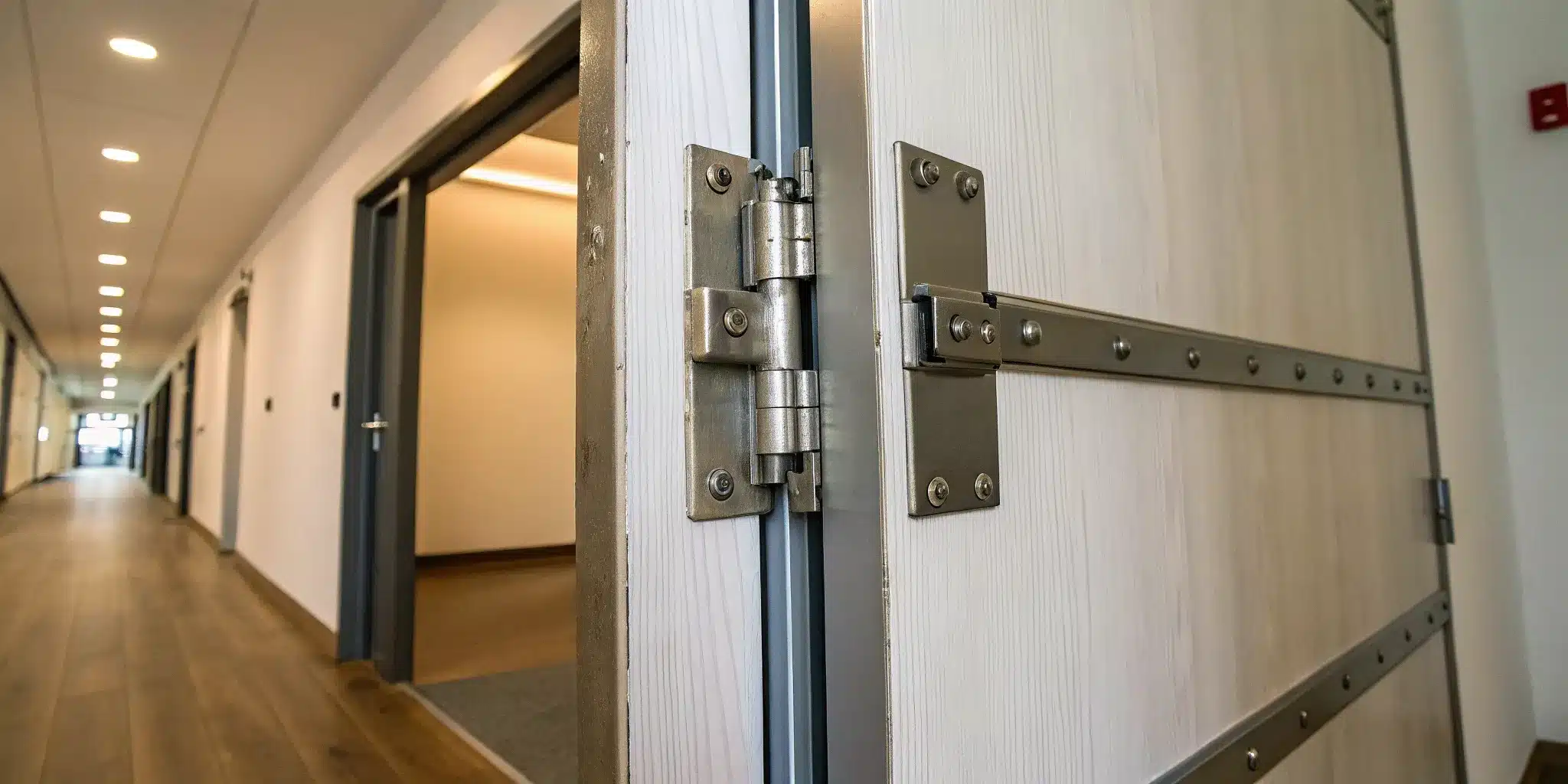
Several key components work together to make a fire door effective. The hinges, for example, must be fire-rated so they don’t fail under extreme heat. You’ll also find special seals around the door. Intumescent strips are designed to expand when they get hot, sealing the gap between the door and the frame to block fire. Smoke seals often have a brush or fin design to stop smoke from seeping through. Finally, a fire door must have a self-closing mechanism and a positive latch. This ensures the door is always securely closed, ready to do its job in an emergency. A propped-open fire door is no better than having no fire door at all.
Know the Building Codes and Safety Standards
Fire door installation isn’t a casual DIY project; it must follow strict rules and standards to be effective and legal. New York City has specific building codes that dictate where fire doors are required and how they must be installed in both residential and commercial buildings. These regulations are complex and non-negotiable. Failing to comply can result in significant fines and, more critically, can put people at risk. Because the rules for fire doors are so precise, it’s always best to work with a certified professional who understands NYC’s local requirements and can ensure your installation is done right.
Plan Your Fire Door Installation
Putting in a fire door is more involved than hanging a standard bedroom door. It’s a critical safety installation that needs to be done right to function correctly during an emergency. Proper planning is the key to ensuring your door meets all safety codes and provides real protection. Before you begin, you’ll need to think about the specific materials required, what your budget will look like, and, most importantly, who will handle the installation.
Getting these details sorted out ahead of time saves you from headaches down the road. A well-planned installation ensures every component works together, from the door itself to the frame and hardware. This isn’t a project where you can afford to cut corners. Taking the time to plan carefully means you’re investing in the safety of your home or business and everyone in it. The next steps will walk you through gathering materials, setting a budget, and finding the right person for the job.
Gather Your Tools and Materials
Even if you hire a professional, it’s smart to know what a correct installation involves. Every fire door comes with specific instructions from the manufacturer, and following them is non-negotiable. These guides detail the exact hardware and materials needed to maintain the door’s fire rating.
A professional installer will use specialized materials like mineral rock fibre or fire-rated sealants to fill gaps and ensure a perfect seal. Unlike a standard door, every component—from the frame to the hinges and closers—must be fire-rated and compatible. It’s crucial that all parts are installed according to the manufacturer’s data sheets to ensure the entire assembly works as a single, certified unit.
How to Budget for Your Installation
The cost of a fire door installation can be broken down into two main parts: the door itself and the labor. Fire doors vary in price depending on their rating and finish, but you can generally expect them to cost anywhere from $200 to over $500. This doesn’t include the frame, hardware, or seals, which are also required.
Hiring a professional for the door repair and installation is an essential part of the budget. According to Angi, a professional fire door installation typically costs between $400 and $900. This fee covers the expertise needed to ensure the door, frame, and hardware are all fitted correctly and meet strict fire safety codes. Investing in a professional installer is the best way to guarantee the job is done right.
Find a Certified Professional
A fire door is only effective if it’s installed correctly, which is why you can’t leave the job to just anyone. It’s crucial that the person installing your fire door is properly trained and understands all the specific rules and regulations. A general contractor or handyman might not have the specialized knowledge required for this task.
When looking for an installer, always choose a professional who has specific training and experience with fire doors. Ask for their certifications and examples of previous work. A certified installer will know how to properly fit the door, check for correct gaps, and install the right intumescent seals and hardware. This ensures your door will perform as expected in a fire, giving you peace of mind that your property is protected.
How to Install a Fire Door: A Step-by-Step Guide
Installing a fire door is a precise job where every detail matters for safety and compliance. It’s much more than just hanging a heavy door; it’s about creating a complete barrier that can withstand fire and smoke. While we’re breaking down the steps below, remember that a professional door installation is the surest way to protect your property and the people in it. A certified technician understands the specific requirements of NYC building codes and ensures every component works together perfectly. This guide will give you a clear picture of what a correct installation involves.
Step 1: Prepare and Align the Frame
The door frame is the foundation of your fire door assembly. It needs to be installed perfectly straight and securely anchored to the wall. The manufacturer’s instructions are your guide here, as they specify exactly where fixings should go—typically about four inches from the corners and no more than 20 inches apart. These fixings must penetrate at least two inches into the wall structure for a solid hold. Any gaps between the frame and the wall can’t just be left open; they must be carefully filled with fire-rated packers or sealants to prevent smoke and flames from getting through.
Step 2: Hang the Door
Once the frame is set, it’s time to hang the door. This requires special fire-rated hinges that are certified to handle the door’s weight and withstand high temperatures. Most fire doors need at least three of these heavy-duty hinges. The most critical part of this step is achieving the correct gap size between the door and the frame. This gap should be consistently between 2mm and 4mm (about 1/10 to 1/6 of an inch) all the way around. This tiny space is essential—it allows the door to swing freely but is small enough for the intumescent seals to fill when activated by heat.
Step 3: Install the Hardware
Every piece of hardware on a fire door, from the lockset to the latches, must also be fire-rated and compatible with the door itself. It’s crucial to follow the manufacturer’s installation instructions to the letter, using only the screws provided with the hardware. Using the wrong screws can compromise the door’s integrity during a fire. In some cases, special fire-expanding material, known as intumescent pads, must be fitted around the lock body inside the door. A professional residential locksmith can ensure all hardware is installed correctly for maximum safety.
Step 4: Add Seals and Check Gaps
The final step is installing the seals that make the door an effective barrier against fire and smoke. Intumescent strips are fitted into grooves around the door or frame. When exposed to heat, these strips expand dramatically to seal the gaps, blocking flames. Smoke seals, which often look like brushes or fins, are also installed to stop smoke from passing through before the intumescent strips activate. After all seals are in place, the door must be tested to ensure it opens and closes smoothly and latches securely every single time.
Choose the Right Hardware
A fire door is more than just a slab of wood or metal; it’s a complete system where every part has a critical job. The hardware you choose is just as important as the door itself, because using the wrong components can cause the entire assembly to fail. Every piece of hardware—from the smallest screw to the door closer—must be fire-rated and certified to work together. This ensures the door can withstand intense heat, holding back flames and smoke. Getting the hardware right is a non-negotiable part of a safe and compliant door installation, where professional expertise makes all the difference.
Fire-Rated Hinges and Closers
Standard hinges can melt in a fire, causing the door to fall from its frame. That’s why fire doors require special fire-rated hinges built from stronger materials tested for extreme temperatures. Most fire doors need at least three hinges to prevent the door from warping under heat, which would break the seal. A fire-rated door closer is just as important. This device automatically pulls the door shut and ensures it latches securely every time. A fire door propped open is useless, and a closer guarantees it’s always ready to do its job.
Locks and Latching Mechanisms
The lock on a fire door does more than secure the room; it holds the door firmly in its frame during a fire. The pressure from a fire is immense, and a standard latch can easily fail. Any lock or latching mechanism you install must be fire-rated and specifically approved for your door model. It’s crucial to follow the manufacturer’s installation instructions and only use the specialized screws provided. Our residential locksmith team can help you select and install the right hardware to keep your home safe.
Intumescent Strips and Smoke Seals
Small gaps exist around the edges of even a perfectly fitted door. Intumescent strips and smoke seals are designed to fill these gaps when a fire breaks out. Intumescent strips look like simple plastic strips, but when they get hot, they expand dramatically to block flames and hot gas. Smoke seals are typically brushes or fins that stop the spread of toxic smoke—often the biggest threat in a fire. Having both installed correctly is essential for creating a complete barrier and a key part of any professional door repair and installation service.
Why You Should Hire a Professional
When it comes to installing a fire door, this isn’t the time for a weekend DIY project. The stakes are simply too high. A fire door is an engineered safety device, and its ability to protect property and save lives depends entirely on a correct installation. Hiring a professional ensures that every component, from the frame to the seals, works together exactly as it was designed to in an emergency.
Professionals bring specialized knowledge of complex building codes, material requirements, and the precise measurements needed for a compliant fit. They understand that an improperly installed fire door can be worse than no fire door at all, as it creates a false sense of security. By entrusting the job to an expert, you’re not just paying for a door installation; you’re investing in peace of mind and the certified safety of your home or business. They handle the technical details so you can be confident that your property is protected.
Why Certification Matters
While any skilled contractor might be able to hang a door, fire door installation requires a specific skill set. As experts point out, anyone can install a fire door, but they must know what they are doing and understand the rules. A certified installer has formal training on the specific regulations and standards that govern fire safety. They know which hardware is fire-rated, how to properly fit intumescent seals, and what gap tolerances are acceptable. This certification is your assurance that the installer isn’t just guessing—they are following a proven process to ensure compliance and maximize safety.
Verify Insurance and Documentation
Before work begins, it’s essential to do your homework. Always ask a potential installer about their training, qualifications, and insurance. A reputable professional will have no problem providing documentation of their credentials and liability coverage. This step protects you from any potential liability and guarantees the work will meet legal standards. Think of it as a crucial quality check. Verifying that your installer has the right training and qualifications before they start is a non-negotiable part of the process. It confirms you’ve chosen a true expert for this critical safety task.
Ensure a Quality Installation
The difference between a professional and an amateur installation can be life or death. If fire doors are not put in correctly, they can actually become dangerous by failing to contain a fire. A qualified professional ensures a quality installation by using only fire-rated materials, fitting the door precisely within its frame, and testing every component to make sure it functions correctly. A good professional will have comprehensive training in fire door installation, maintenance, and inspection, ensuring the door provides reliable protection for years to come. This attention to detail is what separates a compliant installation from a hazardous one.
Common Installation Mistakes to Avoid
Installing a fire door correctly is a non-negotiable part of keeping a building safe. It’s not just about hanging a heavy door; it’s about creating a complete, tested barrier that will perform under extreme conditions. Even small errors can compromise the entire system, rendering it ineffective when you need it most. Getting the details right from the start prevents costly fixes and ensures the door can do its job: protecting property and saving lives.
From the frame to the final seal, every component has a critical role. Let’s walk through some of the most common installation mistakes so you know what to watch out for, whether you’re overseeing a project or checking existing doors in your building. Avoiding these pitfalls is key to a successful and compliant installation.
Incorrect Frame Alignment
A fire door is only as good as its frame. If the frame isn’t perfectly square, level, and plumb, the door won’t close and latch correctly. This creates uneven gaps that can allow smoke and flames to pass through. The frame must be installed according to the manufacturer’s specifications to properly support the door’s weight and ensure a tight seal. Any spaces between the frame and the wall must be packed with fire-rated materials—not just any foam or filler. A poorly aligned frame puts stress on the hinges and hardware, leading to premature failure and compromising the door’s integrity during a fire. Proper door repair and installation starts with a flawless frame.
Improper Hardware Installation
The hardware on a fire door isn’t just for decoration; it’s a crucial part of its safety system. Every lock, latch, closer, and hinge must be fire-rated and compatible with that specific door assembly. A common mistake is using standard hardware on a fire-rated door, which can melt or fail under high heat, causing the door to pop open. It’s also essential to use the specific screws provided by the hardware manufacturer, as they are designed to withstand fire conditions. Following the installation instructions exactly is critical. Even a slightly misplaced latch can prevent the door from closing securely, creating a dangerous vulnerability. For businesses, ensuring the right hardware is used is a key part of any commercial locksmith service.
Wrong Seals and Gaps
The seals around a fire door are its first line of defense against smoke. Intumescent strips, which are designed to expand when heated, are essential for sealing the gap between the door and the frame, blocking fire and hot gases. A frequent error is installing the wrong type of seal or placing it incorrectly, which can either leave gaps or prevent the door from closing properly. The gap between the door and the frame should be consistently around 3mm—about the thickness of a coin. If the gaps are too large, the intumescent seals may not be able to expand enough to fill them. If they’re too small, the door might not close at all.
Overlooking Compliance Details
Fire door installation is governed by strict building codes and safety regulations for a reason. Simply installing a door that looks right isn’t enough; it must meet all local and national standards. A major mistake is overlooking these compliance details, often because the installer isn’t trained or certified in fire door installation. This can lead to failed inspections, fines, and a false sense of security. A certified professional understands the specific requirements for fire ratings, hardware, and documentation. When safety is on the line, you can’t afford to guess. In an urgent situation, having a properly installed door can make all the difference, which is why compliance is a cornerstone of any reliable emergency locksmith service.
Test and Maintain Your Fire Door
Once your fire door is installed, the job isn’t finished. Proper testing and maintenance are essential to ensure it performs correctly when you need it most. A fire door is an active safety device that requires regular attention to stay in top working condition. This simple routine helps you meet safety regulations and gives you peace of mind.
Perform an Initial Safety Inspection
Right after installation, perform the first check-up. A critical test is to see how the door closes on its own. Open it to different positions—like halfway and just slightly ajar—and watch it close. A properly installed fire door should swing shut and latch securely without getting stuck. If it slams or fails to latch, it needs immediate adjustment. If anything seems off, a professional should handle your door repair and installation.
Create a Maintenance Schedule
A fire door’s effectiveness can degrade over time, which is why a regular maintenance schedule is so important. Plan to inspect your fire doors at least every six months. Check the gaps, ensure the seals are intact, and test that the closer and latch work smoothly. Setting a recurring reminder on your calendar is an easy way to catch small issues before they become major problems that could compromise your safety.
Know When to Replace Components
During routine checks, you might notice worn-out parts like hinges, closers, or seals. Don’t ignore these issues, as a warped seal or a weak closer can render a fire door ineffective. When replacing parts, always use components that are fire-rated and compatible with your door model. If you’re unsure, our commercial locksmith services can help ensure your hardware is compliant and correctly installed.
Keep Accurate Records
Keeping a detailed log of fire door maintenance is a vital step, especially for commercial properties. Your records should include the date of each inspection, any issues found, repairs made, and who performed the work. This documentation is your proof of compliance with fire safety regulations. Always make sure any professional you hire provides detailed invoices confirming their training and qualifications.
Verify Your Safety Compliance
Ensuring your fire door installation is compliant isn’t just about checking a box—it’s a critical step in protecting your property and the people inside it. Fire safety regulations are strict for a reason, and a correctly installed fire door can be the difference between a minor incident and a major catastrophe. Verifying compliance involves understanding the specific standards that apply to your building, meeting testing requirements, and keeping detailed records of your installation and maintenance.
For both homeowners and business owners in New York City, figuring out these rules can feel overwhelming. The standards are detailed and require specific knowledge to interpret correctly. This is why working with a professional is so important. A certified installer not only handles the physical door repair and installation but also ensures every aspect of the job meets local and national safety codes. This gives you peace of mind that your fire door will perform as expected when you need it most. Taking these steps seriously protects your investment and, more importantly, ensures the safety of everyone in your building.
Review Current Safety Standards
Fire doors are a fundamental part of a building’s passive fire protection system. Their primary job is to stop the spread of smoke and flames, buying precious time for evacuation and protecting the rest of the structure. Because their role is so critical, installations must adhere to strict safety standards. While it’s technically possible for a skilled individual to install a fire door, they must have a deep understanding of the relevant regulations. An improper installation can render a fire door completely ineffective, failing to provide any protection when a fire breaks out. That’s why it’s essential to familiarize yourself with the requirements or hire a professional who already has that expertise.
Meet Professional Testing Requirements
A compliant fire door installation must meet several technical standards and building codes. These regulations dictate everything from the type of frame you can use to the specific hardware required for the door to function correctly in a fire. For example, standards like BS 8214:2016 and BS 476 part 22:1987 outline precise requirements for installation, testing, and performance. A professional locksmith service stays current on these complex codes, ensuring your security systems and fire doors are fully compliant. This removes the guesswork and guarantees that your installation meets all legal and safety benchmarks from day one, protecting you from potential fines and liability.
Follow Record-Keeping Guidelines
Proper documentation is a key part of safety compliance. Your records should include details about the installation, such as the fire-rated materials used to fill gaps and the specific hardware and seals that were fitted. It’s also crucial to document all maintenance activities. Regular checks are necessary to confirm the door continues to function correctly over time, as components can wear out or become misaligned. Keeping a detailed log of inspections, adjustments, and repairs creates a clear history of the door’s upkeep. This record is not only helpful for your own reference but can also be essential for insurance purposes or official safety inspections.
Related Articles
- How Fire-Rated Doors Save Lives & Protect Property
- Fire Safety Essentials: Every Homeowner Should Know
- HES 9500 Electric Strike Installation: A Complete Guide
- How to Teach Kids About Home SafetyAccessibility ToolsIncrease TextDecrease TextGrayscaleHigh ContrastNegative ContrastLight BackgroundLinks UnderlineReadable FontReset
- Revolving Door Repair & Installation In NYC
- Why Your Fire Door Installation Certificate Matters
Frequently Asked Questions
Can I just upgrade my current door with fire-rated hardware to make it a fire door? Unfortunately, no. A fire door is a complete, engineered system where the door, frame, and all hardware have been tested and certified to work together. Simply adding fire-rated hinges or a closer to a standard door won’t provide the protection you need, as the door itself isn’t designed to withstand fire and will fail. The entire assembly must be certified as a single unit to be effective.
How can I tell if a door in my home or office is a fire door? The easiest way to check is to look for a certification label. This small metal tag or sticker is usually found on the top edge of the door or on the side with the hinges. The label will provide information about the door’s fire rating, the manufacturer, and its certification. The presence of a self-closing mechanism is another strong clue that you’re looking at a fire door.
My fire door closes on its own, but it slams shut. Is that okay? A slamming fire door is a sign that the closing mechanism needs adjustment. While it’s good that the door is closing, a door that slams can damage the frame, latch, or the door itself over time. More importantly, it might not latch securely every time, which would compromise its ability to contain a fire. It’s best to have a professional adjust the closer for a smooth, controlled swing that ends with a secure click.
What’s the biggest mistake people make with fire doors after they’re installed? The most common and dangerous mistake is propping them open. A fire door can only do its job if it’s closed. Wedging it open for convenience completely defeats its purpose and creates a direct path for fire and smoke to spread. Regular maintenance checks are also often overlooked, but ensuring the door continues to close and latch properly is essential for keeping it functional.
Can I paint my fire door? You can, but you have to be very careful. Applying thick layers of paint can interfere with the door’s ability to close properly within its frame. You must also avoid painting over any hardware, the intumescent seals, or the certification label, as this can prevent them from working correctly or obscure vital safety information. If you do paint, use a thin coat and ensure all components remain clear and functional.
Need professional help in NYC? Contact Golden Key Locksmith NYC for Commercial Door Services or Metal Door Installation. Available 24/7 across Manhattan and all NYC boroughs.