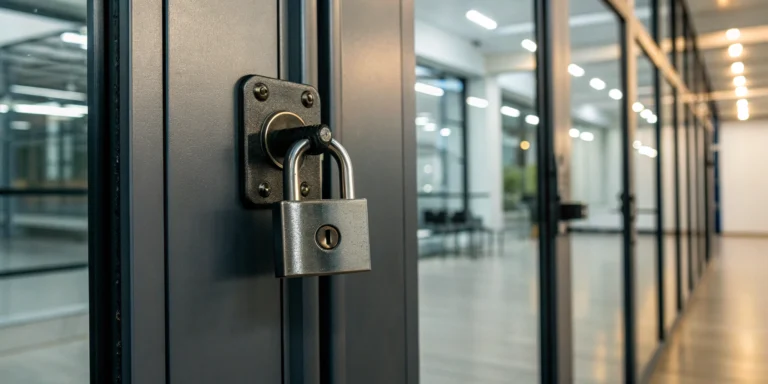

The term “floor check” might sound specific, but its meaning shifts dramatically depending on who you ask. For a government contractor, it’s a surprise audit. For a therapist, it’s a group emotional assessment. For a building manager in Queens, it’s a physical inspection of a property’s security. While these definitions seem worlds apart, they all share a common goal: verification. Whether it’s checking timesheets, emotional states, or the integrity of a door lock, a floor check is about getting an accurate, real-time picture of a situation. Understanding these different contexts is key, especially when it comes to applying the principles of regular floor checks to maintain the safety and security of your own space.
Key Takeaways
- A “floor check” is your proactive security habit: While the term varies by industry, the principle is universal—actively verifying your space. Make it a routine to walk your property and confirm that doors, locks, and safety protocols are working as intended.
- Consistent documentation is your best defense: For any type of inspection, having clear, written policies and up-to-date maintenance logs is crucial. This proves your commitment to security and makes any review process significantly smoother.
- Early detection saves time, money, and stress: Regular physical inspections of your property allow you to catch small issues, like a wearing lock or a misaligned door, before they turn into costly emergency repairs or serious security breaches.
What Is a Floor Check?
The term “floor check” might sound specific, but its meaning changes dramatically depending on who you ask. For a government contractor, it’s an audit. For a therapist, it’s a group assessment. And for a building manager or homeowner, it’s a physical inspection of the floor itself. While these definitions seem worlds apart, they all share a common goal: verification. Whether it’s checking timecards, emotional states, or structural soundness, a floor check is all about getting an accurate, real-time picture of a situation. Understanding these different contexts is key, especially when it comes to maintaining the safety, compliance, and integrity of your space or organization.
For Government Contractors: The DCAA Floor Check
If you work on government contracts, a floor check is an unannounced visit from the Defense Contract Audit Agency (DCAA). Think of it as a real-time spot check. The main goal is to verify that employees are physically present and accurately recording their hours to the correct projects. An auditor might walk around, talk to employees, and review timesheets on the spot. This process helps the government ensure that timekeeping practices are fair and accurate, preventing incorrect billing on federal projects. It’s all about accountability and making sure taxpayer money is being spent properly.
For Group Therapy: The Therapeutic Floor Check
In a therapeutic setting, a floor check has nothing to do with audits or inspections. Instead, it’s a technique used in group therapy to get a sense of how everyone is feeling. It’s a tool for understanding the collective mood and dynamic of the group at that moment. A therapist might use a floor check to help members connect and share their experiences in a structured way. This is especially common in experiential group work, where learning happens through doing. It creates a safe space for participants to check in with themselves and each other, building trust and fostering open communication.
For Buildings: The Inspection Floor Check
For property owners and managers in New York City, a floor check is a hands-on inspection of a floor’s physical condition. This is crucial for maintaining a building’s structural integrity and security. During this check, an inspector looks for problems like uneven surfaces, slopes, or other flatness issues that could damage flooring. They also identify physical damage like cracked tiles, loose floorboards, or signs of a sagging or cupping floor. An uneven floor isn’t just a tripping hazard; it can affect how doors hang in their frames, which can compromise the effectiveness of your locks and overall security. Regular checks help catch these issues early.
Why Are Floor Checks Important?
The term “floor check” might sound like something you’d only hear in a corporate office or a therapist’s meeting. And while that’s where you’ll often find it, the idea behind it is something we can all use. At its core, a floor check is about taking a moment to verify that things are as they should be. It’s a process of confirming, connecting, and ensuring safety and accountability. For a business owner, this could be a literal walk-through to see if security protocols are being followed. For a homeowner, it might be the mental checklist you run through before leaving the house.
These checks are important because they shift you from being passive about your safety to taking an active role. They are proactive measures that confirm your systems are working, your people are safe, and your property is secure. By understanding why floor checks are so critical in different fields, you can start to see how applying the same principles can strengthen the security of your own home or business.
To Ensure Compliance
In highly regulated fields, like government contracting, floor checks are essential for ensuring compliance. Auditors use them to verify that a company is following all the required procedures for things like timekeeping and labor charges. This same principle applies directly to the security of your building. Your property has to comply with city codes, fire regulations, and insurance requirements. A regular security walk-through is your way of making sure you’re meeting those standards. Are your emergency exits clear? Do your locks meet your insurance policy’s standards? Are your security systems up to code? Regular checks help you catch potential violations before they become a major liability, keeping your property safe and compliant.
To Verify Labor Reporting
For businesses, a key goal of a floor check is to verify that employees are present and recording their time accurately. It’s a simple way to ensure the integrity of labor reporting. But this concept is really about making sure the right people are in the right places at the right times—a cornerstone of good security. As a business owner, you need to know that sensitive areas are only accessed by authorized personnel. This is where your commercial locksmith services come into play. An access control system or a master key plan acts as a constant, automated floor check, verifying who goes where and creating a record. It ensures accountability and helps you confirm that your security protocols are being followed.
To Build Group Connection
In a therapeutic setting, a floor check is a technique used to understand how everyone in a group is feeling. It encourages people to connect and support one another, creating a stronger, more cohesive unit. This idea of building connection is surprisingly relevant to building security. When residents in an apartment building or employees in an office feel a sense of shared responsibility for their space, security improves dramatically. Regular communication about security—like reminding neighbors to ensure the front door latches or encouraging employees to report a malfunctioning lock—builds a community that looks out for each other. This collective vigilance makes it harder for security issues to go unnoticed. A strong residential locksmith can help establish a baseline of security that empowers the whole community.
To Guarantee Quality and Accountability
Ultimately, floor checks are about guaranteeing quality and holding people accountable. For a government contractor, failing a floor check can jeopardize contracts. For your property, a lapse in security can lead to theft, damage, or worse. Regular inspections of your security measures—from the locks on your doors to the cameras in your hallways—ensure they are functioning as intended. This isn’t about a lack of trust; it’s about a commitment to quality. When you regularly check that your doors are secure and your locks are in good working order, you create a culture of accountability. It signals that security is a priority. A simple check can reveal a need for door repair and installation, preventing a small issue from becoming a major vulnerability.
A Look at Different Floor Check Types
The term “floor check” can mean very different things depending on who you’re talking to. It’s not just one specific procedure but a concept applied across various fields, from federal auditing to group therapy and building maintenance. Understanding these distinctions is key, whether you’re a business owner ensuring compliance or a homeowner checking the structural integrity of your property. Each type of floor check serves a unique purpose, focused on verification, connection, or safety. Let’s break down what a floor check looks like in these different contexts.
Audits for Government Contractors
For businesses that work with the government, a floor check is a serious matter. Specifically, the Defense Contract Audit Agency (DCAA) performs unannounced audits called floor checks to verify that employees are physically present and accurately recording their time on government projects. An auditor might walk onto the work floor and interview employees to confirm their tasks align with what’s on their timesheets. The main goal is to prevent fraud and ensure taxpayer money is being spent correctly. These DCAA audits are a real-time verification method to maintain integrity and accountability in government contracting.
Check-ins for Therapeutic Groups
In a completely different setting, a floor check is a tool used in group therapy to gauge the emotional temperature of the room. It’s an experiential exercise where a facilitator asks participants to share how they are feeling or to physically place themselves in the room to represent their emotional state. This technique helps the group connect on a deeper level and allows the therapist to understand the collective dynamic. It’s a way to make abstract feelings more tangible, creating a safe space for people to express themselves and build group cohesion without needing to find the perfect words.
Inspections for Physical Buildings
When it comes to your home or commercial space, a floor check is a physical inspection to assess the condition of your floors. This is a critical step before installing new flooring or diagnosing structural issues. Using tools like a long level or a laser, a contractor will check for unevenness, slopes, or dips that could cause problems down the line. An unlevel floor can lead to cracked tiles, warped floorboards, and even affect how doors hang and lock. Ensuring your foundation is solid is a fundamental part of maintaining your property’s safety and security, impacting everything from flooring to door repair and installation.
Reviews for Quality Assurance
Within a business, a floor check can also be a form of internal quality assurance. Similar to a DCAA audit but less formal, these reviews are designed to ensure employees are following company policies and procedures. A manager might walk the floor to observe workflows, check that safety protocols are being met, or verify that labor is being charged to the correct projects. It’s a hands-on way to maintain high standards, identify training opportunities, and confirm that the team is operating efficiently and correctly. This kind of check helps keep everyone accountable and ensures the quality of work remains consistent.
How Does a DCAA Floor Check Work?
A DCAA floor check might sound intense, but it’s a fairly straightforward process. At its core, it’s an on-site audit where someone from the Defense Contract Audit Agency (DCAA) visits your workplace to verify that your timekeeping practices are accurate and align with government standards. Think of it as a real-world check-in to ensure the labor costs you bill to a government contract are legitimate. The auditor will observe your team, ask some questions, and review your documentation. It’s all about confirming that your timekeeping system works in practice just as well as it does on paper, ensuring transparency and accountability.
Preparing for the Audit
The best way to handle a DCAA floor check is to operate as if one could happen at any time. These audits are designed to make sure government contractors are correctly tracking employee time and consistently following their own internal timekeeping rules. Preparation isn’t about a last-minute scramble; it’s about building solid, everyday habits. Take the time to review your timekeeping policies and make sure they are clearly written down. More importantly, ensure every employee not only has access to these policies but also understands how to apply them correctly every day. When your team is well-trained and your processes are consistent, you’re always prepared.
The Auditor Interview
When the auditor arrives, they will want to see your operations firsthand. This usually involves a tour of your facility and brief, informal interviews with employees. An auditor might walk up to an employee’s desk and ask simple questions like, “What project are you working on right now?” or “Can you tell me how you log your hours at the end of the day?” It’s a good practice to have a designated company representative, like a manager or compliance officer, accompany the auditor. This person can help facilitate the process and answer any high-level questions about how your systems work.
Reviewing Documentation
Beyond talking to your team, the auditor will need to see your records. They will ask to review timesheets to ensure they are being filled out correctly and on time. A critical rule here is that employees must record their own time every day; supervisors cannot fill out timesheets for their team members. The auditor will look for key details: Are the timesheets signed and dated by both the employee and their supervisor? Are any corrections properly initialed and explained? They are looking for a clear, consistent, and auditable trail that accurately reflects the work performed on a government contract.
Verifying Employee Time
Ultimately, the auditor’s main goal is to connect the dots between your employees, their work, and your billing. They are there to confirm that your employees exist, are physically present and doing their jobs, and are charging their hours to the correct projects. This is why the on-site interview is so important. By asking an employee what they’re working on, the auditor can immediately check if that task matches the project code on their timesheet for that day. It’s a simple yet effective way to confirm that labor charges are accurate and that everything is accounted for properly.
What Happens During a Therapeutic Floor Check?
A therapeutic floor check is a structured activity used in group settings to get a sense of where everyone is emotionally. Think of it as taking the room’s emotional temperature. Instead of focusing on building security, this type of floor check focuses on emotional safety and connection. It’s a common practice in group therapy, support groups, and even team-building workshops where open communication is key. The facilitator typically asks everyone to share a brief update on how they’re feeling, often using just a word, a color, or a short sentence to describe their internal state.
This simple act of checking in does a few important things at once. It helps ground the group, sets a tone of openness, and allows the leader to understand the collective mood before moving forward with the session’s main activities. It’s a powerful tool for fostering a supportive environment where people feel seen and heard. This kind of experiential group work is designed to help participants engage more deeply with themselves and others in the room. By creating a routine of sharing, it builds a foundation of trust right from the start, making it easier for more difficult conversations to happen later. It’s a simple but profound way to signal that every person’s experience matters.
Assessing the Group’s Dynamic
One of the primary goals of a floor check is to give the facilitator a real-time snapshot of the group’s overall dynamic. It’s not just about checking in with individuals; it’s about understanding the collective energy in the room. Is the mood heavy? Is there a sense of excitement or anxiety? Floor checks are especially good for understanding how a whole group is doing. By listening to each person’s contribution, a group leader can identify common themes or feelings that are present. This assessment is crucial because it helps the facilitator tailor the session to meet the group’s immediate needs, ensuring the conversation or activity is relevant and supportive of where everyone is at that moment.
The Emotional Check-in Process
The process itself is usually straightforward and designed to be low-pressure. A facilitator will invite participants to share how they are feeling, often in a go-around format so everyone has a chance to speak. The prompt might be as simple as, “What’s one word that describes how you’re feeling right now?” This structure helps people put their emotions into words, which can be a powerful exercise in self-awareness. It gives them a dedicated moment to pause, look inward, and articulate their internal state in a clear and concise way. This practice helps members become more comfortable with identifying and expressing their feelings in a safe setting.
Helping Members Connect
Floor checks are fantastic for building a sense of community. When members hear from their peers, they often discover they aren’t alone in their feelings. This shared experience can be incredibly validating and helps to break down feelings of isolation. Floor checks help people connect with each other, find common ground, and support each other’s healing. As people share, it creates threads of understanding that weave the group closer together. This process encourages members to support one another, transforming a room of individuals into a cohesive and caring unit that can work together toward a common goal.
Creating a Safe Space to Share
Ultimately, a floor check is about creating a safe container for vulnerability. The predictable structure and the act of everyone participating together establish a foundation of trust. It signals that this is a space where it’s okay to be honest about your feelings without fear of judgment. This approach encourages what’s known as “mutual aid,” where group members actively participate in each other’s healing and growth. By using action and the combined strength of the group, floor checks make it easier for people to open up. This sense of psychological safety is essential for any meaningful therapeutic or collaborative work to happen.
How to Prepare for a Floor Check
Whether you’re a government contractor facing a DCAA audit or a building manager preparing for a security inspection, the key to a smooth floor check is preparation. Walking through the process ahead of time helps you identify weak spots and ensures your team knows exactly what to do. A little planning goes a long way in demonstrating your commitment to compliance and safety, making the actual check feel more like a routine review than a stressful test.
Keep Accurate Timekeeping Records
For government contractors, meticulous timekeeping is non-negotiable. Auditors need to see that “employees must record the exact time they work on government contracts every day.” This principle of precise record-keeping is just as critical for building security. Instead of timesheets, you’ll be focused on access logs, visitor sign-in sheets, and maintenance records for your security hardware.
Keeping a detailed log of who enters and leaves the premises, especially in sensitive areas, provides a clear picture of your building’s daily traffic. Similarly, maintaining records of when locks were last checked or when a door repair was completed shows you’re proactive about security. These documents are your proof that you’re not just following procedures, but are actively maintaining a secure environment.
Train Your Team on Procedures
A floor check often involves talking to your team, and their answers can make or break the audit. It’s essential to “make sure all employees and supervisors know their role in following DCAA rules… [and] should be ready to answer questions from auditors correctly.” In a building security context, this means ensuring everyone, from the front desk staff to individual tenants or employees, understands their role in keeping the building safe.
Conduct regular training on emergency procedures, visitor protocols, and basic security awareness. Does everyone know who to call if they see a suspicious person? Do they understand the lockdown process? When your team can confidently explain these procedures, it shows that your security plan is more than just a document—it’s a living part of your culture. This is especially important for businesses looking to protect their assets and staff with robust commercial security measures.
Organize Your Documentation
During a floor check, you’ll likely be asked to produce specific documents on the spot. Fumbling through messy file cabinets or disorganized digital folders creates a poor impression. That’s why it’s so important to have everything organized and readily accessible. For a security check, this includes your written security policies, emergency contact lists, floor plans with marked exit routes, and any compliance or inspection certificates.
Think of it this way: if an auditor asks for your visitor policy, you should be able to pull it up in seconds. Having clear, written procedures is crucial, because as one expert notes, “if it’s not written down, DCAA assumes it didn’t happen.” Keeping your documentation in order proves that your security measures are well-planned and consistently enforced.
Write Down Your Policies
Having informal rules that everyone just “knows” isn’t enough. Formal, written policies are the foundation of any strong security or compliance program. Failing to document your procedures is one of the quickest ways to run into trouble during an audit. Your written policies should be clear, concise, and cover all essential aspects of your building’s security.
This includes everything from a key control policy that dictates who gets keys and how they’re tracked, to an incident response plan that outlines the steps to take after a break-in. Putting these rules in writing eliminates ambiguity and ensures everyone is on the same page. It’s the official playbook that guides your team’s actions and demonstrates to inspectors that you have a comprehensive plan for your security systems.
Common Challenges During a Floor Check
Even with the best intentions, floor checks can hit a few snags. Whether it’s a formal security audit or a routine safety inspection, these assessments are meant to be thorough, which can sometimes create friction. Knowing the potential hurdles ahead of time helps you prepare your space and your team, turning a potentially stressful event into a smooth, productive process. The goal isn’t to catch people making mistakes, but to ensure that your security and safety protocols are working as they should in the real world.
From logistical issues like scheduling to the human element of employee anxiety, several common challenges can pop up. For instance, if your records aren’t in order, it’s tough to prove you’re following procedures. A surprise audit can add a layer of pressure, forcing everyone to scramble. By anticipating these issues, you can build systems that make your next floor check feel less like a pop quiz and more like a simple review. Let’s walk through some of the most frequent challenges and how you can get ahead of them.
Scheduling Conflicts
Finding the right time for a floor check can be surprisingly tricky. You need to coordinate with key personnel, from building managers to department heads, who all have packed schedules. If the check is meant to observe normal operations, you have to conduct it during business hours, which can disrupt workflow. On the other hand, some checks, like testing an alarm system or performing a major door repair, are best done after hours. When inspections are unannounced, as they often are in high-stakes environments, the logistical challenge grows, requiring your team to be ready to pivot at a moment’s notice.
Inaccurate Documentation
Clear, accurate records are the backbone of any successful floor check. The primary goal is often to verify that what’s happening on the ground matches what’s on paper. If your visitor logs, maintenance records, or access control reports are incomplete or incorrect, the entire process can come to a halt. For example, an auditor might want to see the service history for a specific lock or check the access log for a secure area. As experts in government contracting note, the objective is to verify the integrity and accuracy of records. Without proper documentation, you can’t demonstrate compliance or prove your security measures are effective.
Tight Deadlines
Floor checks often operate on a tight timeline. A surprise audit can create a high-pressure situation where you and your team need to produce documents and answer questions immediately. This sense of urgency can lead to stress and simple mistakes that might not happen otherwise. Even planned inspections can have strict deadlines for resolving any identified issues. This pressure underscores the importance of maintaining a constant state of readiness. When your security systems and protocols are consistently managed, a tight deadline feels less like a crisis and more like a simple request.
Employee Discomfort or Resistance
Let’s be honest: no one loves being watched while they work. During a floor check, employees can feel scrutinized, leading to nervousness or defensiveness. This discomfort is a natural reaction, especially if the purpose of the check hasn’t been clearly communicated. Team members might worry they’ll get in trouble for a minor misstep, which can affect their performance and the overall atmosphere. Explaining that the goal is to improve safety and security for everyone—not to place blame—can go a long way in creating a more cooperative and transparent environment for the inspection.
What Happens If You Fail a Floor Check?
Failing a floor check is more than just a minor hiccup; it can have significant consequences that ripple through an organization or group. The specifics depend entirely on the context—whether it’s a government audit, a building inspection, or a therapeutic session. But the outcome usually involves some form of disruption, from financial penalties and operational headaches to emotional setbacks. Understanding the potential fallout is the first step in making sure you’re always prepared.
Penalties and Increased Scrutiny
When you fail a floor check, you can almost always expect more eyes on you. For government contractors, failing a DCAA audit often leads to more frequent audits and a much closer look at your internal processes. It’s a red flag to agencies that your systems may not be reliable. In a similar way, if your building fails a fire safety or security inspection, you can expect fines and more frequent, often unannounced, visits from city officials. It’s a clear signal that you need to tighten up your procedures to avoid even bigger problems down the road.
Financial and Contractual Impacts
Beyond increased scrutiny, a failed floor check can directly hit your wallet. For businesses working with the government, this can mean serious trouble, such as having payments held back or even being banned from getting future contracts. For a building owner or commercial tenant, the financial fallout is just as real. Failing a safety or security inspection can lead to hefty fines, higher insurance premiums, or a breach of your lease agreement. These aren’t just minor inconveniences; they are serious issues that can impact your bottom line and your business’s reputation.
Compliance Violations
Often, a failed floor check comes down to a simple lack of preparation and documentation. In the world of government contracting, not having written timekeeping rules or proof of employee training are two of the quickest ways to fail. The same principle applies to the physical security of your building. If your property fails an inspection due to outdated locks, poor key management, or a faulty alarm, it’s a clear compliance violation. It shows that your current security systems and protocols aren’t meeting the required standards, leaving your property vulnerable and putting you at risk.
Setbacks for Group Therapy
In a therapeutic setting, the stakes are emotional rather than financial. Here, a “failed” floor check happens when the group dynamic feels off or members don’t feel safe enough to be vulnerable. This can stall everyone’s progress. The purpose of these checks is to build connection and encourage what’s known as “mutual aid,” where group members help each other heal. When that process breaks down, trust can erode, and the group loses its effectiveness. It’s a setback that requires the facilitator to step in and rebuild a sense of safety so the group can get back to its important work.
The Benefits of Regular Floor Checks
Whether you’re managing a federal contract or a multi-unit apartment building, the term “floor check” boils down to one thing: taking a proactive look at how things are running. It’s about stepping out of the office and onto the floor to see what’s really happening. While the specifics vary by industry, the core benefits are surprisingly universal. Regular checks create a culture of accountability, provide clear insights into operations, and help you spot trouble long before it becomes a crisis.
For property managers and business owners, these checks are a fundamental part of a strong security strategy. It’s not enough to install high-tech security systems and hope for the best. You need to regularly walk the floors to ensure that doors are latching properly, access points are secure, and your safety protocols are actually being followed. Think of it as a routine health checkup for your building. These inspections give you peace of mind, showing you what’s working well and flagging the small issues—a sticky lock, a burnt-out security light—that could turn into major vulnerabilities if left ignored. By making floor checks a consistent part of your routine, you move from a reactive to a proactive security mindset.
Improve Accountability and Compliance
Regular floor checks are one of the best ways to make sure everyone is following the rules. In a business setting, this means verifying that employees are adhering to security protocols, like ensuring restricted areas remain secure and that closing procedures are completed correctly. For residential buildings, it’s about confirming that community safety rules are being followed. When people know that someone is consistently checking, they are more likely to stay accountable for their role in maintaining a secure environment. This simple act reinforces the importance of your security policies and ensures they are more than just words in a handbook. It helps create a culture where safety is a shared responsibility, supported by reliable commercial locksmith services and clear expectations.
Gain Transparency in Cost Management
It’s hard to budget for surprises. Regular security floor checks give you a clear, real-time picture of the condition of your building’s physical assets, helping you manage costs more effectively. During a walkthrough, you might notice a door that isn’t closing properly, causing your HVAC system to work overtime and driving up energy bills. You could also spot a lock that’s starting to wear out, allowing you to schedule a repair instead of paying for a more expensive emergency replacement later. These inspections provide the transparency needed to plan for maintenance and upgrades, preventing small issues from draining your budget. Proactive door repair and installation based on these checks is always more cost-effective than waiting for a complete failure.
Strengthen Group Dynamics
Security isn’t just about hardware; it’s about people. When residents or employees see that you are actively invested in their safety through regular floor checks, it builds trust and fosters a stronger sense of community. This visible commitment shows that you care about their well-being, which can improve morale and encourage a collaborative approach to security. People become more likely to report suspicious activity or a potential maintenance issue because they feel like they are part of a team. A well-maintained, secure environment makes everyone feel safer and more connected, turning a simple building into a place where people look out for one another. This shared sense of ownership is one of the most powerful security assets you can have.
Identify Potential Issues Early
The most significant benefit of a routine floor check is the ability to catch problems before they escalate. A quick walkthrough can reveal a security camera that’s been tampered with, a fire exit that’s been blocked, or a gate lock that has started to rust. Finding these issues early allows you to address them immediately, preventing a potential break-in, safety hazard, or costly violation. This is proactive security at its best. Instead of waiting for an incident to happen, you’re actively hunting for vulnerabilities and fixing them. And if you do find a lock that’s been compromised or a door that won’t secure, you know exactly when to call an emergency locksmith to resolve the issue right away.
How to Make Your Floor Checks More Effective
Turning your floor checks from a simple task into a powerful security habit is all about consistency and clarity. When your process is streamlined, it’s easier for everyone to follow, and the results are far more reliable. Instead of just going through the motions, you can build a proactive system that spots potential issues before they become real problems. A few strategic adjustments can make your security walks more efficient and impactful, ensuring your building remains safe and secure for everyone inside.
Use Technology for Better Tracking
Manual logs and paper checklists can get the job done, but technology makes tracking much more efficient and accurate. Modern security systems often come with digital tools that create real-time records of who enters and exits a building, which doors are accessed, and when. During a floor check, you can cross-reference what you see with digital logs to spot inconsistencies. Using a simple app on a phone or tablet to document the check, complete with photos of any issues like a broken lock or a damaged door, creates an instant, shareable record. This digital trail makes it easier to track repairs and identify recurring problems over time.
Focus on Regular Training and Engagement
Your security is only as strong as the people upholding it. Regular training ensures that your staff—whether it’s a front desk team or a maintenance crew—knows exactly what to look for. Teach them to spot common security risks, like propped-open doors or unauthorized individuals. When your team understands their role in maintaining a secure environment, they become more engaged and vigilant. This transforms the floor check from one person’s job into a shared responsibility, creating a stronger culture of security throughout your entire commercial property.
Create a Clear Documentation Process
A successful floor check relies on a clear, consistent process that anyone can follow. Create a simple checklist that outlines every area to inspect and every specific item to verify, from exit signs and fire extinguishers to door locks and window latches. This documentation should be easy to access and understand. Having written procedures ensures that nothing gets missed, regardless of who is performing the check. It also provides a clear record of your building’s security status, which is invaluable for tracking maintenance needs. A well-documented check on a faulty door, for example, ensures you can schedule a timely door repair.
Establish a System for Feedback
Your team on the ground often sees things you might miss. Creating a straightforward system for them to provide feedback is essential for continuous improvement. This could be a dedicated logbook, a simple online form, or a designated point of contact for reporting security concerns. Encourage staff to report anything that seems out of place, from a sticky lock to a flickering security light. Acting on this feedback promptly shows your team their observations are valued and helps you address small vulnerabilities before they become a major security emergency.
Related Articles
- The 6-Step Balanced Door Hardware Installation Guide
- A Guide To Balanced Doors For Historic Buildings
- Commercial Door Services
Frequently Asked Questions
So, what’s the one thing I should remember about the term “floor check?” While the term means very different things to a government auditor, a therapist, or a building manager, the core idea is always the same: verification. A floor check is simply a proactive process of confirming that things are as they should be. It’s about taking an active role in ensuring safety, accuracy, and security, whether you’re checking timesheets or checking the deadbolt on your front door.
How can an uneven floor actually affect my home’s security? It might seem unrelated, but the condition of your floor has a direct impact on your doors and locks. When a floor sags or becomes uneven, it can cause the entire door frame to shift out of alignment. This subtle change can prevent your door from closing flush and, more importantly, stop the deadbolt from fully extending into the strike plate. This leaves your lock weak and ineffective, creating a serious security gap.
I’m a small business owner. What does a simple security “floor check” look like for me? For a business owner, a security floor check can be a quick but essential part of your daily or weekly routine. It’s a physical walk-through where you actively check your security points. Make sure all entry doors latch and lock securely, check that windows are locked, confirm that any security gates are functioning, and ensure that sensitive areas are properly secured. Creating this simple habit helps you spot small issues before they become major vulnerabilities.
What’s the most important security procedure to teach my team? The most critical procedures to teach your team revolve around access control and closing duties. Everyone should understand who is authorized to be in certain areas and why secure doors should never be propped open. It’s also vital to have a clear, written checklist for locking up at the end of the day. When your team knows exactly what to do, it reduces the chance of human error and ensures the building is consistently secured.
What’s the difference between a floor check and a formal building inspection? A formal building inspection is typically a comprehensive assessment done by a licensed professional to check for things like code compliance, structural integrity, or electrical safety. A security floor check, on the other hand, is a more frequent and informal routine you can perform yourself. It’s your personal walk-through focused specifically on making sure your day-to-day security measures—like your locks, doors, and alarms—are functioning correctly.
Need professional help in NYC? Contact Golden Key Locksmith NYC for Key Card Entry Systems or Access Control Systems. Available 24/7 across Manhattan and all NYC boroughs.