

We often think of locks as things that keep people out, but your garage door release lock is designed to let you in when technology fails. While it’s an essential tool for emergencies, it can also be a potential weak point in your home’s security if not properly understood. An unsecured release cord can sometimes be manipulated from the outside, giving intruders an easy way in. This article covers both sides of the coin. We’ll show you how to use your release lock correctly and safely, but we’ll also explore key security considerations to ensure this convenience feature doesn’t compromise your home’s safety.
Key Takeaways
- Prioritize Safety: Only Use the Release on a Closed Door: This is the most important rule. Disengaging the opener while the garage door is open can cause it to slam shut, risking serious injury and property damage. Always ensure the door is securely on the ground before pulling the cord.
- Your Release Lock is Your Manual Backup Plan: It’s designed for situations like power outages or opener failures. Understanding how to disconnect the trolley gives you a reliable way to open the door by hand, ensuring you’re never locked in or out.
- Try Simple Fixes First, But Don’t Hesitate to Call a Pro: Many common issues like a stiff or stuck lock can be solved with basic cleaning and lubrication. However, if the problem involves broken parts or anything that makes you feel unsafe, a professional locksmith can provide a secure and lasting solution.
What Is a Garage Door Release Lock?
Think of a garage door release lock as your manual override for an automatic system. It’s an emergency release kit designed to let you open your garage door by hand. This simple but essential device is your go-to solution during a power outage or when your automatic opener decides to stop working. Instead of being stuck with a car trapped inside (or outside) your garage, the release lock gives you back control, ensuring you can always access your space when you need to. It’s a fundamental security and convenience feature for any home with an automatic garage door.
How Does It Work?
The mechanism is surprisingly straightforward. The release lock is connected to the garage door opener’s trolley, which is the part that moves the door along the track. When you engage the lock—usually by pulling a red cord—it disconnects the trolley from the opener. This action effectively puts your garage door in “manual mode,” freeing it from the automatic chain or belt drive. Once disconnected, you can lift and lower the door by hand. It’s a critical function for any emergency situation where your automatic opener is out of commission, giving you a reliable way to get in or out.
Key Parts to Know
You don’t need to be a mechanic to understand the key parts. The most visible component is the emergency release cord, which is almost always a red rope hanging down from the garage door opener’s track. This cord is attached to a spring-loaded lever on the trolley. The trolley itself is the carriage that travels back and forth along the metal track, pulling and pushing your door open and closed. Knowing how to spot the red cord and understanding its connection to the trolley is all you need to operate the release system confidently and safely when the time comes.
Common Types of Release Systems
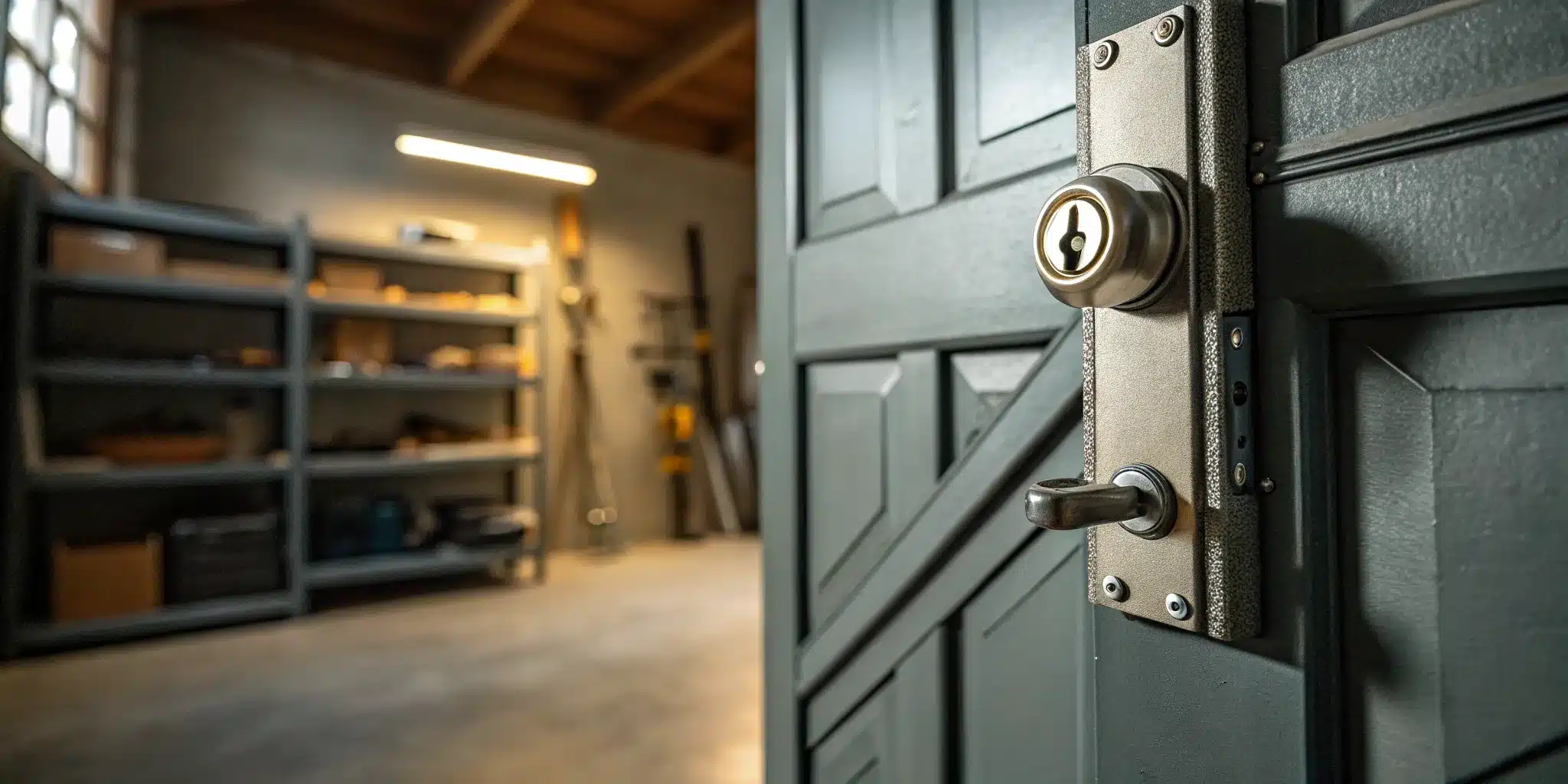
While the red cord inside the garage is standard, some systems offer external access. A common type is a key-operated release lock mounted on the garage door itself. This is especially useful for garages that don’t have a separate entry door, preventing you from being completely locked out during a power failure. You simply insert a key, turn it, and the mechanism disengages the opener from the outside, allowing you to lift the door manually. It’s a smart addition to your overall residential security plan, ensuring you’re never left stranded outside your own home.
Built-in Safety Features
Safety is the top priority when using a release lock. The most important rule is to only pull the emergency cord when the garage door is fully closed. If you disengage the opener while the door is open, the door could slam shut unexpectedly, especially if a spring is broken or worn out. This can cause serious injury or significant property damage. Always check that the door is securely on the ground before pulling the cord. If it does crash down, you’ll be looking at a serious need for professional door repair to get it working again.
How to Use Your Release Lock Safely
Knowing how to use your garage door’s emergency release is a must for any homeowner. It’s your manual override for power outages or opener malfunctions. But using it incorrectly can be dangerous. Before you ever touch that red cord, it’s important to understand the right way to disengage and re-engage your door to keep yourself, your family, and your property safe. Think of it as a tool for emergencies—one you need to handle with care and confidence.
Perform These Safety Checks First
First things first: safety. Before you pull the emergency release cord, always make sure your garage door is completely closed. If you disengage the opener while the door is open, it could slam shut unexpectedly. This is especially dangerous if the door’s springs are broken or worn out, as they are what supports the door’s weight. A falling garage door can cause serious injury or damage whatever is underneath it. Taking a moment to ensure the door is in the down position is the most important step you can take to prevent an accident.
Follow the Emergency Release Steps
Once the door is closed, using the release is straightforward. Grab the red cord and pull it down and away from the door (toward the motor). You should hear a click, which confirms the trolley has been disconnected from the opener. You can now lift the door manually. To reconnect it, pull the cord down and toward the door this time. This sets the trolley lever for reconnection. Then, you can either move the door by hand until it clicks back into place or run the automatic opener, which will automatically reconnect it. If you’re struggling, it’s always safer to call for emergency service.
Handle a Power Outage
A power outage is the most common reason you’ll need to use the emergency release. Without electricity, your automatic opener is useless. The release cord allows you to bypass the motor and operate the door by hand, so you can get your car out or secure your home. This feature is a standard part of modern garage door openers and is designed specifically for these situations. If you find your door is unusually heavy or difficult to lift manually, it could be a sign of a problem with the springs or tracks that requires professional door repairs.
Teach Your Family the Basics
Everyone in your home who might use the garage should know the basic safety rules for the release cord. The most critical rule to teach them is to never pull the cord if the garage door is stuck in the open position. This could cause the door to crash down. Make sure they know to only use it when the door is fully closed. It’s also a good idea to show them how to manually lift the door and where to find the cord. A quick family safety briefing can prevent a serious accident and ensure everyone knows what to do in an emergency.
How to Install a Garage Door Release Lock
Installing a garage door release lock is a project many homeowners can tackle themselves. It’s a great way to add a layer of security and ensure you can always access your garage, even during a power outage. Getting the installation right is key to making sure the lock functions properly when you need it most. Following a few clear steps and being mindful of common pitfalls will help you complete the job smoothly and confidently. Whether you’re replacing an old lock or installing a new one, this guide will walk you through the process from start to finish.
Gather Your Tools and Materials
Before you start, it’s smart to get all your tools in one place. You don’t want to be running back and forth to your toolbox once you’ve started. For most garage door release lock installations, you’ll need a few basic items: a screwdriver (both Phillips and flat-head), a wrench set, and possibly a drill with a few different bits. Always check the instructions that came with your new lock kit, as it might require specific tools. It’s also a good idea to have a pair of safety glasses and gloves on hand. Having everything ready makes the process much smoother and safer.
Follow This Step-by-Step Guide
Ready to get started? First, make sure your garage door is closed and disconnect the power to the automatic opener for safety. If you’re replacing an old lock, carefully remove it. Next, align your new release lock with the pre-drilled holes on the garage door. If there are no holes, you’ll need to drill them according to the manufacturer’s template. Secure the lock tightly with the provided screws or bolts. Then, thread the release cable through the lock and attach it to the emergency release lever on your garage door opener track. Finally, test the lock multiple times with the key to ensure it engages and disengages smoothly.
DIY vs. Professional Installation
While installing a release lock is a manageable DIY task for many, there are times when calling a professional is the better choice. If you’re comfortable with basic tools and following instructions, you can likely handle it. However, if your garage door system is older, more complex, or you run into unexpected issues, it’s wise to get expert help. A professional locksmith can ensure the lock is installed correctly and securely, preventing future problems. For complex jobs or if you just want peace of mind, our team can handle all types of door repair and installation.
Avoid These Common Mistakes
A few common slip-ups can turn a simple installation into a headache. One of the biggest mistakes is failing to align the lock properly, which can cause it to jam or not engage correctly. Another issue is not securing the lock tightly enough, leaving it loose and compromising your security. It’s also crucial that you don’t skip the final step: testing the lock. You need to be sure it works perfectly before you find yourself in an emergency. Finally, be careful not to cut the release cord too short, as it needs enough slack to function correctly but not so much that it gets tangled.
Find the Right Release Lock for Your Garage
Choosing the right release lock for your garage door comes down to your specific needs, from handling power outages to adding extra security while you’re on vacation. Understanding the different types available will help you make a confident decision that keeps your home safe and accessible. Let’s look at the most common options you’ll find.
Manual Release Systems
A manual release is the simplest and most essential type of release lock. Think of it as your garage door’s manual override. An emergency release kit allows you to disconnect the door from the automatic opener, so you can lift it by hand. This is a must-have for power outages or if your opener malfunctions, ensuring you’re never locked in or out. It typically consists of a lock cylinder connected to a cable that you pull to disengage the opener’s trolley. It’s a straightforward, reliable solution that provides peace of mind in unexpected situations.
Key-Operated Mechanisms
For garages without a separate entry door, a key-operated release is crucial. This system lets you open the garage door from the outside during a power failure. It works by installing a lock on the exterior of the garage door, which is connected to the manual release cord inside. When you turn the key, it disengages the opener, allowing you to lift the door manually. This adds a vital layer of security and convenience, giving you external access without compromising the safety of your home. It’s an ideal backup for anyone who relies solely on their garage for entry.
Smart Release Technology
Modern garage door openers often come with advanced security features. One of the most useful is a “Vacation Lock Mode,” which acts as a smart release system. When activated, this feature disables the remote controls and wall-mounted keypads, preventing anyone from opening the door electronically. It’s a fantastic tool for when you’re away for an extended period, as it ensures no one can gain unauthorized access with a stray remote or hacked signal. This technology gives you an extra layer of digital security, complementing the physical strength of your locks.
How to Choose the Right System
To pick the best system, start by assessing your current setup. Are you dealing with a lock that gets stuck or won’t latch properly? Identifying common garage door lock issues first will point you toward a more reliable replacement. Sometimes, simple maintenance like lubricating the cylinder or tightening loose screws can make a big difference. A well-maintained lock is a dependable one. Consider your daily routine and security needs. If you need external access, a key-operated system is essential. For frequent travelers, smart features offer invaluable security.
Troubleshoot Common Release Lock Issues
When your garage door release lock acts up, it can be more than just an inconvenience—it can be a major security headache. You might find the mechanism is completely stuck, the key turns but nothing happens, or the lock just won’t latch, leaving your garage vulnerable. These problems are surprisingly common, often stemming from simple issues like dirt buildup, rust, or slight misalignment from regular wear and tear.
The good news is that you don’t always need to panic or immediately call for help. Many of these issues have straightforward fixes you can handle yourself with a little patience and the right approach. Walking through a few troubleshooting steps can often get your lock working smoothly again. But if you find yourself stuck or the problem seems more complex, knowing when to call a professional is just as important. Our emergency locksmith team is always ready to help secure your home when you need it most.
What to Do if the Mechanism Is Stuck
A stuck lock mechanism is one of the most common frustrations. You might find the handle won’t turn, the slide gets stuck, or the key feels like it’s hitting a wall. Often, the culprit is simply dirt, grime, or rust that has built up inside the moving parts over time. Before you do anything else, give the lock a good visual inspection for obvious obstructions. Then, grab a can of compressed air and blow out any loose debris from the keyway and surrounding mechanism. Follow up with a silicone-based lubricant—avoid oil-based products like WD-40, which can attract more dirt. A few sprays should help loosen things up.
Fixing a Lock That Won’t Latch
If your garage door lock isn’t latching correctly, your home isn’t secure. This issue often happens when the latch bolt and the strike plate (the metal piece on the frame) don’t line up perfectly. Start by checking for any loose screws on the lock assembly and the strike plate; sometimes, simply tightening them can solve the problem. If everything is tight, clean the latch mechanism to ensure dirt isn’t preventing it from fully extending. A quick spray of silicone lubricant can also help the bolt move more freely. If the alignment seems to be the issue, you may need to make some adjustments.
Solving Problems with the Key
Key-related problems can stop you in your tracks. Maybe your key won’t insert fully, or it goes in but refuses to turn. First, inspect the key itself. Is it bent, cracked, or worn down? A damaged key can be the source of the problem and should be replaced. If the key looks fine, the issue might be inside the lock. Use compressed air to clear the keyway of any debris. If the key turns but doesn’t engage the lock, the internal mechanism might be worn out. For issues like a broken key or a malfunctioning cylinder, our residential locksmith services can help with repairs or replacements.
Correcting Alignment Issues
Over time, garage doors can settle or shift, causing the lock’s components to fall out of alignment. This is a frequent cause of latching problems. To check the alignment, close the door slowly and watch how the latch bolt approaches the strike plate. If it’s hitting too high or too low, you might be able to fix it by loosening the screws on the strike plate and repositioning it slightly. However, if your entire garage door seems crooked or struggles to open and close, you could be dealing with a more significant problem that requires professional door repair and installation.
When to Call a Professional
While many release lock issues can be solved with a little DIY effort, some problems are best left to the experts. If you’ve tried cleaning, lubricating, and tightening components without success, it’s time to call for help. You should also contact a professional if you see significant rust, broken parts, or damage to the door itself. Trying to force a stuck lock or taking apart complex mechanisms can cause more harm than good. Your security is too important to risk. If you’re not comfortable with the repair or the problem persists, our team is available 24/7 to get your garage secure again.
Maintain Your Garage Door Release Lock
Just like any other mechanism in your home, your garage door release lock needs a little attention to stay in good working order. A few minutes of maintenance every few months can save you from getting stuck inside or outside your garage at the worst possible time. Regular upkeep ensures the lock functions smoothly, especially during an emergency. By catching small issues like rust or misalignment early, you can prevent them from turning into bigger, more expensive problems. Think of it as a quick health check-up for one of your home’s most important access points.
Your Regular Inspection Checklist
Set a reminder to check your release lock every few months. Start with a visual inspection for any signs of rust, wear, or damage on the lock and cable. Give the handle a gentle pull to make sure it feels secure. Check that the key turns smoothly without sticking and that the lock aligns correctly with its housing. Finally, tighten any visible screws that may have loosened over time. These simple checks help you spot trouble before you need to make an emergency locksmith call.
How to Clean and Lubricate the Lock
If your lock feels stiff, it probably just needs a good cleaning. Use a clean, dry cloth or compressed air to clear away dust and debris from the lock cylinder. Avoid using oily lubricants like WD-40, as they can attract more dirt and gum up the mechanism. Instead, a small amount of graphite powder is the perfect solution. Just puff a little directly into the keyhole and turn the key a few times to distribute it evenly. This should get things moving smoothly again.
Tips for Preventive Maintenance
Your release lock is part of a larger system, so its health depends on the entire garage door. While you’re inspecting the lock, look over the other components. Check the door tracks for debris or dents, and look for worn or cracked rollers. Listen to the opener as it runs—any strange grinding could signal a problem. Keeping the whole system in good shape reduces stress on the lock. If you notice issues with the door itself, it might be time for a professional door repair and installation.
Know When to Replace Your Lock
Sometimes, a lock is beyond a simple fix. If it still sticks after cleaning, or if the key won’t turn at all, it’s time for a replacement. Significant rust, visible cracks in the housing, or a bent latch are also clear signs the lock’s integrity is compromised. Don’t risk your home’s security with a faulty lock. If troubleshooting doesn’t help, it’s best to call a professional. A qualified residential locksmith can assess the situation and install a new, secure lock.
Key Security Considerations
Your garage door release lock is a vital safety feature, but it’s also part of your home’s overall security system. It’s important to make sure that while you can get in during an emergency, others can’t. A secure garage is often the first line of defense for your home, so thinking about how your release lock fits into your security plan is a smart move. Here are a few key things to keep in mind to ensure your garage remains a secure entry point to your home.
Prevent Unauthorized Access
A garage can be a tempting target for burglars, so making it secure is a critical first step in protecting your home. The emergency release cord, while essential, can sometimes be exploited from the outside with a simple tool like a coat hanger. To counter this, consider adding a garage door shield or using a zip tie on the release lever for daily use (just be sure you can break it easily in an emergency). Strengthening your garage door lock is a key part of your residential locksmith strategy, ensuring all entry points are properly secured against unwanted visitors.
Protect Your Lock from Weather
In New York City, our locks face everything from humid summers to icy winters. This constant exposure can lead to rust and corrosion, especially on exterior-facing garage door release locks. When a lock rusts, its internal components can seize up, making it difficult or impossible to operate when you need it most. To prevent this, regularly clean the lock mechanism and apply a silicone-based or graphite lubricant. If you notice significant rust or damage that affects the lock’s function, it might be time to consider a replacement or professional door repair.
Integrate with Smart Home Security
Modern technology offers fantastic ways to secure your garage. Many new garage door openers come with a “Vacation Lock Mode,” which disables remotes and keypads to prevent electronic entry while you’re away. You can take this a step further by integrating your garage with your smart home system. This allows you to receive real-time alerts on your phone whenever the door is opened and even monitor it with a camera. These security systems provide peace of mind, letting you check on your home’s security from anywhere in the world.
Add Extra Security Features
Sometimes, simple maintenance is the best way to keep your lock secure. Regularly check for and tighten any loose screws on the lock assembly and clear away debris that could jam the mechanism. Lubricating the cylinder with graphite powder can also keep it operating smoothly. For an extra layer of protection, especially when you’re on vacation, consider installing a manual slide lock on the inside of the garage door. If you’ve tried these fixes and your lock still feels flimsy or unreliable, don’t hesitate to call for emergency service to get it professionally secured.
Get Professional Locksmith Support
While it’s great to handle minor maintenance yourself, some garage door release lock issues require a professional touch. If you’ve tried basic troubleshooting and the problem persists, or if you’re dealing with a complex mechanism, calling in an expert is the safest and most effective solution. A professional locksmith can quickly diagnose the root cause, preventing further damage and ensuring your garage door is secure and functions correctly. They have the right tools and experience to handle intricate repairs, saving you time, frustration, and the potential cost of a botched DIY job. Trusting a pro gives you peace of mind that the work is done right.
Find a Qualified Technician
When your garage door lock is acting up, you need someone who knows exactly what they’re doing. Look for a qualified technician with specific experience in garage door systems. For complex issues, like an internal mechanism failure or a problem with a key-operated release, it’s best to call a locksmith. A skilled professional can accurately diagnose the problem and provide a lasting solution, ensuring your door operates smoothly and securely. They can also spot potential future issues you might have missed, offering preventive advice to keep your system in top shape for years to come.
Understand the Costs
No one likes surprise expenses. Before you hire a professional, it’s smart to get a clear understanding of the potential costs. When you call for a consultation, a reputable locksmith should be able to provide an estimate for the repair. If troubleshooting steps don’t solve your problem, a professional can give you a detailed quote that breaks down the price of parts and labor. This transparency helps you budget accordingly and ensures you’re comfortable with the investment. A trustworthy company will always be upfront about pricing before any work begins.
Ask About the Warranty
A warranty is a sign of quality workmanship and reliable parts. When you hire a technician for a repair, always ask about the warranty they offer on both their labor and the components they install. While a simple fix like lubricating a cylinder might not come with a guarantee, more significant repairs or part replacements should. Knowing your repair is covered provides valuable peace of mind. It shows that the locksmith stands behind their work and is committed to providing a durable, long-term solution for your garage door lock issues.
Call for Emergency Service
Sometimes, a garage door problem can’t wait. If you’re locked out of your garage, the door is stuck open, or the motor is malfunctioning, you need immediate help. Situations like a broken release cord or a faulty photo eye can compromise your home’s security and require urgent attention. That’s when you should call for emergency service. A 24/7 locksmith can respond quickly to resolve the issue, securing your property and restoring your access. Having a reliable emergency contact on hand is essential for any homeowner.
Related Articles
- Secure Your Garage: Expert Tips And Tricks
- How To Replace A Front Door Lock: A DIY Guide
- How To Fix A Broken Door Lock Step-by-Step
- Panic Bar Door Hardware 101: A Complete Guide
- Commercial Push Bar Door Locks: A Buyer’s Guide
Frequently Asked Questions
What is the single most important thing to remember when using the emergency release cord? Always make sure the garage door is fully closed before you pull the cord. If you disengage the opener while the door is open, the door’s full weight is no longer supported by the system. If a spring is weak or broken, the door could slam shut, which is incredibly dangerous and can cause serious damage to your property or, worse, injure someone.
My garage has no other entry door. What happens if the power goes out? This is exactly why external, key-operated release locks were invented. This type of lock is installed on the face of your garage door and connects to the release mechanism inside. During a power outage, you can use a key to unlock it from the outside, which disengages the opener and allows you to lift the door by hand. It’s an essential backup for anyone whose garage is their only way in.
Is it okay to spray WD-40 into a stiff garage door lock? You should avoid using oil-based lubricants like WD-40 on your locks. While it might seem like a quick fix, these products can attract dust and grime over time, eventually gumming up the internal mechanism and making the problem worse. Instead, use a silicone-based spray or a graphite powder lubricant, which won’t attract debris and will keep the lock’s moving parts working smoothly.
I’ve heard burglars can use the release cord to break in. How can I prevent this? It’s true that a determined person might be able to trip the release from the outside with a wire tool. A simple way to prevent this is by installing a garage door shield, which is a plastic or metal plate that blocks access to the release lever. For a low-cost solution, you can also use a zip tie to secure the release lever, but make sure it’s one you can easily break by hand in a real emergency.
When should I stop trying to fix my release lock and call a professional? If you’ve already tried basic troubleshooting like cleaning and lubricating the lock but it still won’t work, it’s time to call for help. You should also contact a professional immediately if you see significant rust, cracks in the lock housing, or other broken parts. Forcing a stuck lock or taking apart complex mechanisms can cause more damage. When your home’s security is at stake, it’s always better to rely on an expert.
Need professional help in NYC? Contact Golden Key Locksmith NYC for Commercial Door Services or Metal Door Installation. Available 24/7 across Manhattan and all NYC boroughs.