That sleek, modern commercial door knob looks great on your office door—until you need to replace it. Staring at its smooth, seamless surface, you might wonder if it was installed with magic. There are no visible screws, no obvious way to take it apart, and the last thing you want to do is damage the door trying to pry it off. The good news is that there’s no magic involved, just clever design. This guide will show you exactly how to remove a commercial door knob without visible screws. We’ll walk you through finding the hidden release button or cover plate, a simple trick that turns a frustrating puzzle into a straightforward task for any commercial locksmith or determined DIYer.
Key Takeaways
- Find the Secret Release Point: Your first step is to locate the hidden mechanism. Look for a small pinhole on the knob’s shaft or check if the decorative plate at the base can be gently twisted or pried off to reveal the mounting screws.
- Use Simple Tools and a Gentle Hand: You don’t need special equipment—a paperclip or screwdriver will usually do the trick. The most important thing is to work patiently and avoid using force, which can damage the door or the lock itself.
- Know When to Ask for Help: If a knob is rusted, painted over, or just won’t budge after a few tries, it’s best to stop before causing damage. A professional locksmith can remove it quickly and safely without turning a small job into a big repair.
What Tools Will You Need?
Before you start, let’s get your tools in order. The good news is you likely have everything you need lying around in a junk drawer or a basic toolbox. You don’t need any specialized equipment for this job. Gathering everything first will make the process much smoother and save you from running back and forth. Having the right tool on hand for the right step is half the battle, and it ensures you can work carefully without damaging the knob or the door.
Your Must-Have Toolkit
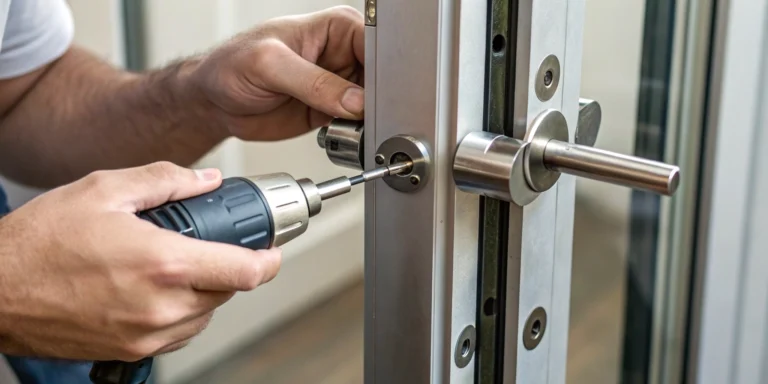
Think of this as your core kit for the project. First and foremost, you’ll need a Phillips-head screwdriver. This is for the mounting screws you’ll find once you get the knob cover off. It’s also a good idea to have a flathead screwdriver handy; its thin, sturdy edge is perfect for gently prying off decorative plates or caps. Finally, grab a sturdy paperclip or a small, stiff pin. Many commercial knobs with hidden screws have a tiny release button you need to press, and a paperclip is often the perfect tool to access it. These simple items are the foundation for most commercial locksmith tasks.
Helpful Extras to Have on Hand
While not strictly essential, a few other items can be lifesavers if you run into a stubborn knob. If you find a small, round hole on the neck of the knob, a tiny screwdriver, a small Allen wrench, or even a nail will work perfectly for depressing the release pin inside. Sometimes, the decorative plate (called the rose) is threaded on and just needs to be twisted off by hand. If it’s stuck, you can wrap it with a cloth to get a better grip. Being gentle is key to avoid damaging the door itself, which can lead to a more involved door repair.
How to Find the Hidden Release Mechanism
Commercial door knobs without visible screws often feel like a puzzle, but the solution is usually a cleverly hidden release mechanism. Manufacturers use these designs to create a sleek, tamper-resistant look that adds a layer of security and style. While this is great for aesthetics, it can make removal a bit of a challenge if you don’t know what to look for. The secret is almost always a small, discreet release point—a tiny pinhole you can press with a paperclip, a spring-loaded button, or a latch hidden beneath a decorative cover.
Finding this release point is the most important step. It requires a bit of patience and some careful inspection. Think of it as a small treasure hunt. You’ll need to examine the knob from all angles, paying close attention to the shaft (the part connecting the knob to the door) and the decorative plate at its base, known as the rose. Once you locate this mechanism, the rest of the process is surprisingly straightforward. Don’t reach for a hammer or try to force it; use a commercial door repair service if the hardware will not release cleanly. The right technique will allow you to remove the knob without damaging the door or the lock itself. This guide will walk you through how to spot the common designs and find that secret release point.
Common Commercial Door Knob Designs
Not all door knobs are created equal, especially in a commercial setting. You might encounter several types, including keyed entry knobs, privacy knobs for offices or restrooms, and storeroom knobs that are always locked from the outside. Each of these commercial door hardware types can have a slightly different internal mechanism, which changes how you remove it. For example, a simple passage knob that doesn’t lock might have an easy-to-find pinhole on its shaft. In contrast, a more secure keyed entry knob could have its release hidden more carefully under a twist-off cover to prevent tampering. Understanding the function of your door knob is the first step in figuring out its specific removal process.
Locating the Secret Release Point
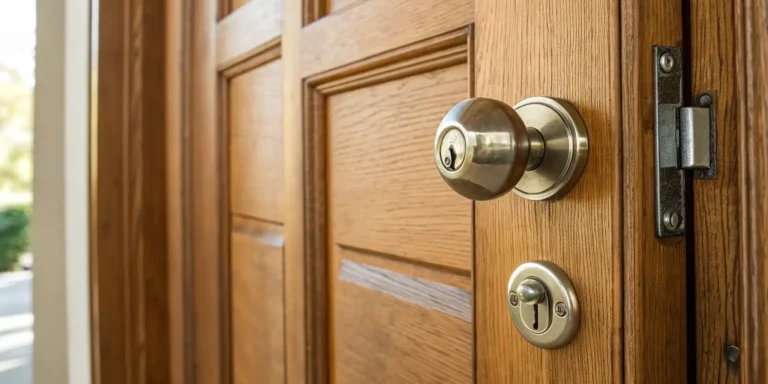
Your main task is to find the small detent or button that holds the knob in place. Start by closely examining the shaft of the interior knob—the part connecting the knob to the door. Run your finger around it and look for a tiny hole or a slot. If you don’t see anything there, your next move is to check the decorative ring at its base, often called the rose or collar. This piece often hides the release mechanism. Gently try to pry it away from the door with a flathead screwdriver or see if it twists off. It might pop loose or unscrew, revealing the release button or even the mounting screws you thought were missing.
Identifying Your Door Knob’s Specific Design
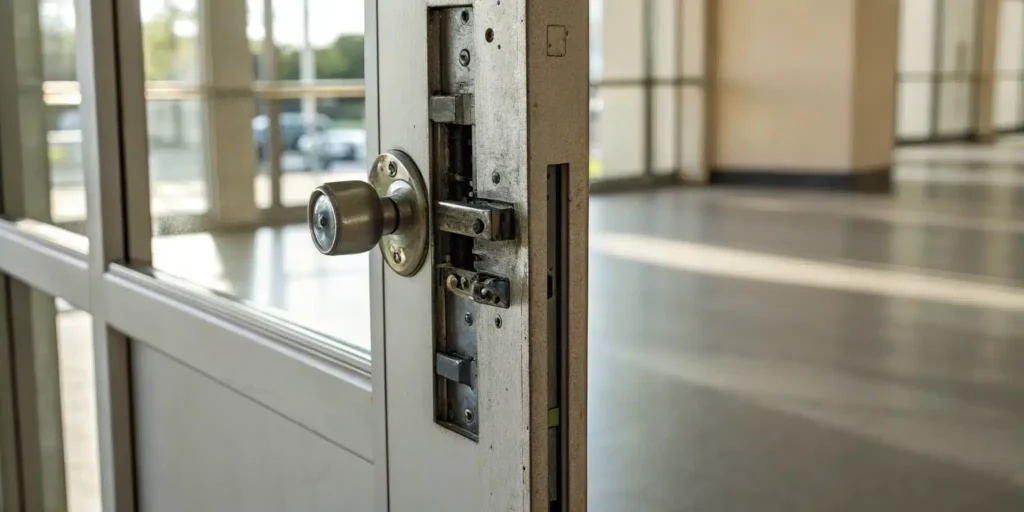
Knowing the specific style of your door knob can save you a lot of time and frustration. Most modern commercial knobs are cylindrical locks, which almost always feature a hidden release button or pinhole on the knob’s shaft. Take a moment to look for a brand name or any identifying marks on the latch plate in the edge of the door. A quick online search for that brand’s removal instructions can often pull up a diagram showing exactly where to look and what to press. Getting familiar with your specific commercial door lock type will help you approach the job with confidence and the right technique.
A Step-by-Step Guide to Removing Your Commercial Door Knob
Ready to tackle that screwless commercial door knob? It might look like a puzzle, but I promise it’s usually simpler than it seems. Most modern door knobs hide their screws for a sleek, clean look, which is great for aesthetics but a little tricky when you need to remove one. The secret is almost always a hidden release mechanism. You just need to know where to look and what to do.
Think of it like a little treasure hunt. Your prize is getting the knob off without damaging your door. We’ll walk through the four most common methods for removing these types of knobs. Before you start, take a close look at your door knob from all angles. Look for tiny holes, slots, or seams. Finding that one small detail is the key to figuring out which method will work for you. Grab a few simple tools, and let’s get started.
Method 1: The Pinhole Release
This is one of the most common designs you’ll encounter. Take a close look at the shaft of the doorknob—the part connecting the knob to the door—or the decorative plate behind it, called the rose. Do you see a tiny, pin-sized hole? If so, you’ve found the release point. This hole contains a small, spring-loaded button or tab that holds the knob in place.
To release it, you’ll need a small, stiff tool like a paperclip, a small Allen wrench, or the tip of a nail. Simply push your tool into the pinhole firmly. You should feel a little click or give. While keeping the button depressed, gently pull the doorknob away from the door. It should slide right off, revealing the mounting screws underneath.
Method 2: The Spring-Loaded Latch
If you don’t see a pinhole, look for a small, narrow slot instead. This slot often houses a spring-loaded latch or detent. You can usually find it on the side of the knob’s shaft. It might be subtle, so you may need a flashlight to spot it. This design works similarly to the pinhole release but requires a different tool.
For this, a small flathead screwdriver is your best friend. Insert the tip of the screwdriver into the slot and press inward to depress the hidden latch. While holding the latch down, wiggle and pull the knob off the spindle. This method is common in many types of commercial locksmith hardware, and once you know what to look for, it’s a straightforward process.
Method 3: The Hidden Cover Plate
Sometimes, the secret isn’t a tiny hole but a cleverly disguised cover plate. The decorative ring around the base of your doorknob, also called an escutcheon or rose, might just be a cap hiding the screws. To check, gently try to pry it away from the door. Look for a small notch or seam along the edge where you can insert a flathead screwdriver.
To avoid scratching your door’s finish, you can wrap the tip of the screwdriver in a thin cloth or a piece of tape. Carefully work your way around the ring, prying gently until it pops off. Underneath, you’ll find the mounting plate and the screws you need to remove. If you accidentally damage the door in the process, don’t worry—professional door repair and installation can fix it right up.
Method 4: The Twist-Off Rose
Similar to the hidden cover plate, some decorative roses are designed to be twisted off. Instead of prying, this method requires a firm grip and a counter-clockwise turn. Look for small dimples or indentations on the face of the rose—these are sometimes added to give you a better grip. This design is especially popular for achieving a seamless look on modern doors.
Grip the rose securely and try to twist it to the left. It might be tight, so you may need to use a rubber jar opener or a strap wrench for extra leverage. Once it loosens, you can unscrew it the rest of the way by hand. This will expose the mounting hardware, allowing you to finish the job. It’s a simple trick once you realize the cover itself is threaded.
What to Do If You Get Stuck
Even with the right steps, some door knobs just don’t want to cooperate. Whether it’s due to age, rust, or a tricky design, getting stuck is a common part of the process. Before you get too frustrated, take a deep breath and try a few troubleshooting techniques. Often, a little extra know-how is all it takes to get that stubborn knob off. If you’ve tried the basic methods and are still at a standstill, these next steps can help you figure out what’s going on and when it might be time to call for backup.
Quick Fixes for Common Problems
If you can’t find a pinhole or latch, the release mechanism is likely hidden under the decorative plate. This round cover closest to the door is often called the “rose” or “beauty ring,” and its job is to hide the mounting screws. Start by gripping it firmly and trying to twist it counter-clockwise; sometimes, it’s just threaded on. If it doesn’t budge, look for a small notch or indentation along the edge where it meets the door. You can gently insert a flathead screwdriver into this notch and carefully pry the cover off. This should pop it loose, revealing the screws you need to access.
Troubleshooting a Stubborn or Damaged Knob
Sometimes the problem is a hidden lever, also called a “detent.” Look closely at the shaft of the knob for a tiny pinhole or a narrow slot. This is your access point. You’ll need a small, firm tool like a paperclip, an awl, or a precision screwdriver to press the spring-loaded pin inside. While applying pressure to the pin, gently pull the doorknob. You should feel it release from the spindle. If the knob is old, it might be stuck due to rust or grime. A quick spray of WD-40 into the pinhole and around the base can help loosen things up before you try again.
When to Call Golden Key Locksmith NYC for Help
There comes a point where persistence can do more harm than good. If the knob is severely rusted, painted over, or if the internal mechanism feels completely seized, forcing it can damage the door itself. Bending the latch or splintering the wood will turn a simple knob removal into a much bigger door repair project. If you’ve tried everything and the knob won’t budge, or if you’re worried about causing damage, it’s time to call a professional. Our team has the right tools and experience to handle even the most stubborn hardware without damaging your property. Don’t hesitate to reach out for emergency locksmith services—we’re here to help 24/7.
Related Articles
- The 6-Step Balanced Door Hardware Installation Guide
- A Guide To Balanced Doors For Historic Buildings
- Commercial Door Services
Frequently Asked Questions
What if I can’t find a pinhole or slot anywhere on the knob? Don’t worry, this is very common. If you’ve inspected the knob’s shaft and come up empty, your focus should shift to the decorative plate sitting flush against the door, often called the rose. Many designs hide the screws underneath this plate. Try gripping it firmly to see if it twists off counter-clockwise. If it won’t budge, look for a small notch along the edge where you can gently insert a flathead screwdriver to pry the cover away from the door.
I’m worried about scratching my door. Any tips to prevent damage? That’s a great question, as protecting your property is the top priority. If you need to use a screwdriver to pry off the decorative rose, you can easily prevent scratches by wrapping the tip of the screwdriver in a thin cloth or a piece of painter’s tape. This creates a soft buffer between the metal tool and the door’s finish, allowing you to apply gentle pressure without leaving a mark.
Is it okay to use a lot of force if the knob is really stuck? I would strongly advise against using brute force. Commercial door hardware is designed to be removed with a specific technique, and forcing it can easily damage the internal latch mechanism or the door itself. If a knob isn’t coming off with firm, steady pressure after you’ve engaged the release mechanism, it’s usually a sign of a more complex issue like internal rust or a seized part. Pushing past that point often leads to a bigger problem.
I pressed the pin, but the knob still won’t pull off. What am I doing wrong? This happens all the time. The trick is to maintain steady, consistent pressure on the release pin while you pull the knob. Make sure your tool is pushed all the way in to fully depress the spring. Instead of just pulling straight back, try gently wiggling the knob from side to side as you pull. This slight movement can help the knob disengage from the spindle it’s catching on.
Why are commercial door knobs designed this way without visible screws? It really comes down to a combination of security and aesthetics. Hiding the mounting screws makes the lock more tamper-resistant, which is a critical feature for a business. It prevents someone from simply unscrewing the hardware to try and get past the lock. On the design side, the screwless look provides a much cleaner, sleeker, and more professional appearance that complements modern commercial spaces.
Knob off but the replacement won’t line up? Commercial doors hide surprises — mismatched bore holes, bent spindles, security fasteners that fight you the whole way. Our commercial door hardware service in NYC removes, replaces, and re-secures the whole assembly in one visit; call (212) 204-1655.
Need professional help in NYC? Contact Golden Key Locksmith NYC for Metal Door Repair. Available 24/7 across Manhattan and all NYC boroughs.