A safe is one of those purchases people either overthink or underthink, and both mistakes cost money. If you have cash, jewelry, passports, business records, or anything that would be painful to lose in a fire or a break-in, a properly chosen and properly installed safe is one of the highest-leverage security moves you can make at home or at the office. The catch is that not every safe protects against every threat, and a safe bolted into the wrong spot is barely better than a locked drawer. Here is how to pick the right safe or vault for what you actually need to protect, how to get it installed so it does its job, and when to call a pro for service or an emergency opening.
Key Takeaways
- Match the safe to the threat: Fire, theft, and water each call for different ratings, and buying the wrong category is the most common expensive mistake.
- Installation is half the protection: An unbolted safe can be walked out the door, so anchoring and placement matter as much as the safe itself.
- A locksmith can open a jammed safe without destroying it: If you are locked out, do not drill it yourself, call someone who does safe work for a living.
What Safe and Vault Services Actually Cover
Safe and vault work goes well beyond selling a metal box. A good provider helps you figure out what you are protecting, recommends the right rating, delivers and anchors the unit, and comes back for service when a dial slips, a battery dies, or a combination gets lost. For homes, that usually means a single safe for documents and valuables. For businesses, it can mean a drop safe behind the counter, a fire-rated media safe in the back office, and a larger floor or wall vault for cash and inventory.
Who Actually Needs One
If you keep more than a few hundred dollars in cash at home, own jewelry you would not want to re-buy, run a business that handles daily deposits, or store originals of passports, deeds, wills, or hard drives with client data, you are already a candidate. Renters benefit too. A compact bolt-down safe tucked into a closet is far harder to steal than a jewelry box on a dresser.
Types of Safes and Vaults
Most people shop by size and price and then discover too late that the unit they bought was not rated for the threat they actually faced. A few categories to know before you buy:
- Fire safes are built to keep paper or digital media below a critical temperature for a set time, typically 30, 60, or 120 minutes. Paper fails around 350°F, electronic media much sooner, so a media-rated safe is not the same as a document-rated safe.
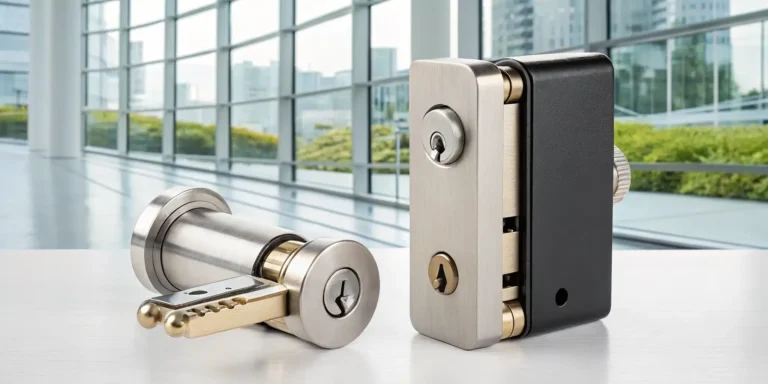
- Burglary safes are rated for resistance to pry, drill, and torch attacks. Look for UL or RSC ratings if theft is the primary concern.
- Composite safes combine fire and burglary protection in a single body and are usually the right pick for a home or small business that wants one unit to cover both risks.
- Wall and floor safes disappear into the structure of the building and are excellent for jewelry, documents, and small amounts of cash.
- Depository and drop safes are used in retail and restaurants so staff can deposit cash without being able to retrieve it.
- Gun safes have their own set of standards and usually prioritize pry resistance and child access prevention.
- High-security vaults and vault rooms are for businesses that handle large amounts of cash, precious metals, or sensitive records.
Mechanical vs. Electronic Locks
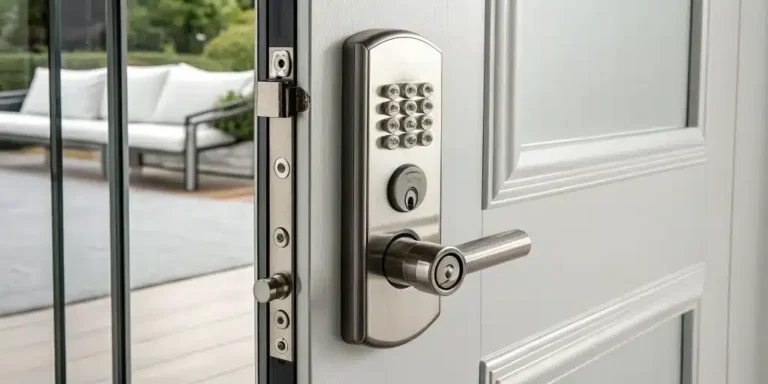
Mechanical dial locks are slow but effectively immortal. Electronic keypads are faster and allow multiple user codes, which is useful in a business, but they rely on batteries and eventually need service. Biometric safes are convenient for quick-access home defense but are not what you want for long-term storage of irreplaceable items. A reliable safe usually has a mechanical override behind the electronic lock so you are never one dead battery away from calling a locksmith.
Choosing the Right Safe for Your Space
Start with what you are protecting and how quickly you need to get to it. A document safe that you open twice a year is very different from a nightstand safe you need to open in the dark. Then look at where it will live. In a New York apartment or brownstone, weight and footprint matter, since you may have to get the safe through a narrow hallway or up a flight of stairs. In a storefront or office, you also need to think about where the safe can be anchored without hitting plumbing, conduit, or a shared wall.
Sizing Without Regret
Almost everyone underestimates the size they need. Binders, external drives, camera gear, and watch boxes eat interior volume fast. A good rule of thumb is to buy one size up from what looks right on paper. It is cheaper to oversize once than to replace a safe two years later because you ran out of room.
Installation and Anchoring
A safe that is not bolted down is not really a safe. Burglars routinely walk small units right out the front door and open them somewhere quiet. Any safe under about 750 pounds should be anchored into a concrete slab, a framed wall, or a steel floor plate. Wall safes need to be set cleanly between studs and trimmed so the door sits flush. Floor safes need to be installed while the slab is still accessible or cut in carefully after the fact.
Placement matters almost as much as anchoring. A safe in a visible spot near the front door is the first thing a burglar finds. A safe tucked into a closet, a mechanical room, or a back office behind a locked door is a second obstacle after they already had to defeat your entry locks. If your entry hardware is weak, that is worth fixing first with a proper residential locksmith visit or, for a storefront, a commercial locksmith audit.
Maintenance, Service, and Emergency Openings
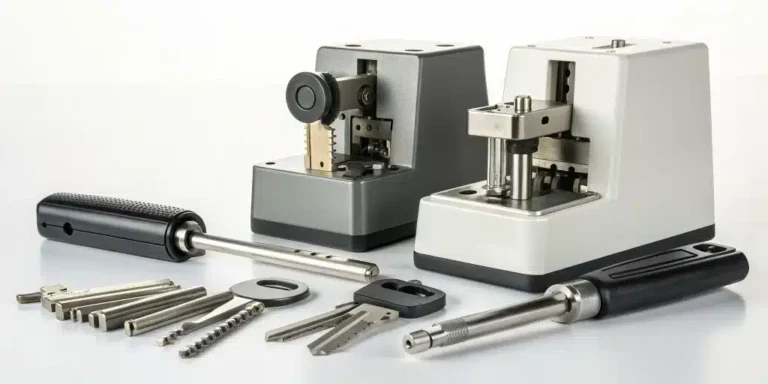
Safes are mechanical. Dials drift, bolts bind, keypads corrode, and batteries die at the worst possible time. A light annual service, where a technician lubricates the bolt work, tests the relocker, swaps the battery, and verifies the combination, is cheap insurance against being locked out of your own valuables.
When You Are Locked Out
If a safe will not open, do not attack it with a drill or a hammer. A safe technician can usually open most residential and small commercial safes without destroying the lock or the body, and in many cases the unit is back in service the same day. Drilling done by an amateur usually trips the relocker, damages the door, or ruins the fire rating, turning a service call into a replacement. If you are in the middle of an emergency and you also need doors opened, an apartment lockout call can be combined with a safe opening so you only pay for one visit.
Keeping Valuables Secure Day to Day
A safe is a tool, not a strategy. Pair it with a few habits that make the whole setup harder to beat:
- Keep an inventory with photos, serial numbers, and receipts stored somewhere other than inside the safe itself.
- Do not tell anyone where the safe is or share the combination with people who do not need it. If someone leaves the household or the company, change the combination.
- Layer your security. A safe inside a locked office behind a high-security lock on the main door is a very different problem for a burglar than a safe sitting in an open room.
- Review ratings against your actual risk. If your neighborhood has a flooding history, a waterproof liner or elevated placement matters. If fire is the main concern, prioritize the fire rating over sheer weight.
Choosing the Right Provider in NYC
A safe is the kind of purchase where the installer matters as much as the brand. Look for a licensed NYC locksmith that handles both sales and service, carries units from manufacturers you can actually look up, and is willing to quote the installation before the delivery truck shows up. Ask whether they do emergency openings, whether they service the lock after the sale, and whether they can add the safe to a master key plan alongside the doors they already protect. Golden Key Locksmith NYC installs, services, and opens safes across Manhattan and the rest of NYC and can combine a safe job with a full door and lock review so the weakest link on the property is not the one you ignored.
Final Thoughts
A safe only earns its keep when it is matched to the real risk, anchored where it cannot walk away, and serviced before it fails. Pick the rating that fits what you are actually protecting, get it installed by someone who does this every week, and keep a number on hand for the day you need it opened or moved. Done right, it is one of the few security upgrades you buy once and forget about for a very long time.
Need professional help in NYC? Contact Golden Key Locksmith NYC for Manhattan Locksmith Services or Apartment Lockout Help. Available 24/7 across Manhattan and all NYC boroughs.