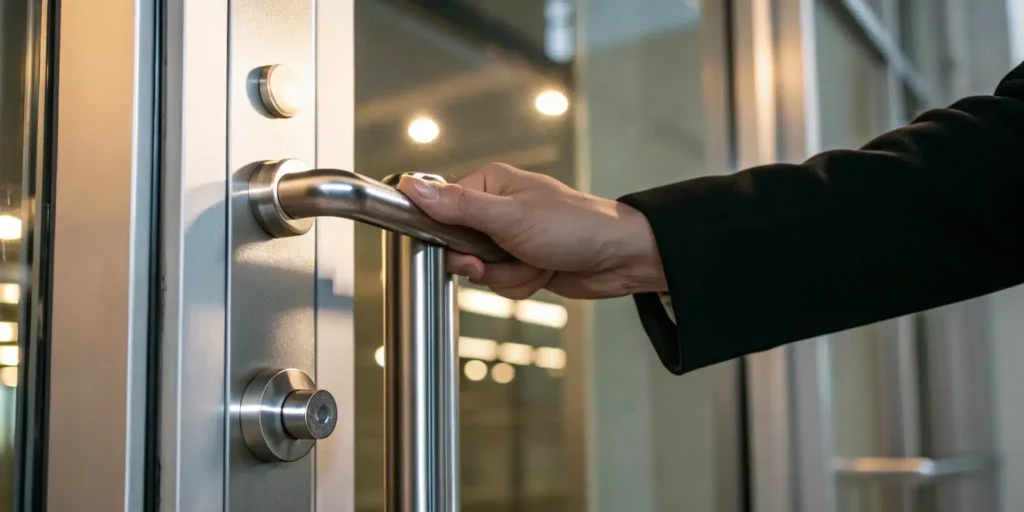
Staring at a sleek Yale door handle with no visible screws can feel like you’re up against a high-tech puzzle. It looks clean and modern, but when you need to remove it, that seamless design becomes a major frustration. Where do you even begin? The good news is that you don’t need a secret password or a special key. The solution is usually a small, hidden release pin or a decorative cover that pops right off—if you know where to look. This guide is designed to solve that exact mystery. We’ll show you precisely how to approach a yale commercial door handle removal for these modern, screwless models. You’ll learn how to locate the release mechanism, safely pry off the cover plate, and access the mounting hardware without scratching your door or losing your patience.
Key Takeaways
- Check for Screws Before You Start: Your removal method depends on your handle’s design. If you see screws on the interior plate, the process is straightforward. If not, locate the small release pin on the handle’s neck to pop off the lever and access the hidden mounting hardware.
- Use Finesse for Stuck Hardware: When a handle is seized by rust or grime, avoid using brute force. Instead, apply a penetrating oil or gentle heat from a hairdryer to loosen the components, which helps prevent damage to the internal lock mechanism and the door itself.
- Call a Professional for Complex Jobs: It’s smart to call for help if the handle is part of an integrated security system, shows clear signs of internal damage, or if you simply feel unsure. A professional commercial locksmith can resolve the issue safely without compromising your security.
What Tools Do You Need to Remove a Yale Commercial Door Handle?
Before you start unscrewing anything, it’s a good idea to gather all your tools in one place. Having everything you need within arm’s reach will make the process much smoother and help you avoid damaging your door or the lock mechanism. Most Yale commercial door handles can be removed with just a couple of common household items, but it’s always smart to have a few extras on hand in case you run into a stubborn part. Let’s get your toolkit ready.
The Essentials
For a standard Yale handle removal, you won’t need a complicated set of tools. Start by grabbing a basic screwdriver set, as you’ll likely need either a Phillips or a flathead screwdriver for the mounting screws. The most important tool, however, is something small and sturdy enough to press a release pin. A straightened paperclip, a small pin, or a specialized removal tool will work perfectly. You’ll use this to push into a tiny hole on the side or base of the interior handle, which disengages a spring-loaded catch holding the handle in place. These simple tools are often all you need for a straightforward commercial locksmith task like this one.
Helpful Extras for Tough Jobs
Sometimes, especially with older or heavily used locks, parts can get stuck. If the release pin doesn’t want to budge with a paperclip, you might need something with a bit more rigidity, like a small nail or a scribe, to get the leverage you need. It’s also wise to have a pair of pliers handy in case you need to grip any small components. If you’ve tried everything and the handle still won’t come off, or if you feel like you might break something, it’s best to stop. Forcing it can cause more damage. In these situations, it’s always a good idea to call a professional emergency locksmith who can handle it without damaging your door.
First, Identify Your Yale Handle Model
Before you grab your tools, the first step is to figure out which Yale handle you’re working with. Yale makes a wide range of commercial door hardware, and the removal process can vary quite a bit between models. Taking a moment to identify your specific handle will save you a lot of time and frustration. A heavy-duty handle on a main entrance will come apart differently than a standard office lever. Look for any series numbers or distinct design features. This simple check will help you follow the right steps and avoid damaging your door or the lock mechanism.
Yale 8800 Series Heavy-Duty Handles
If your handle feels particularly sturdy and substantial, you might have an 8800 Series model. These are built for high-traffic areas and are often made from durable materials like stainless steel, brass, or zinc alloy. You’ll find them in various finishes, from sleek chrome to classic brass. Because they are designed for heavy use, their internal mechanisms are robust. Look for a solid, often larger, backplate or rosette behind the handle. Identifying this series tells you to prepare for a well-constructed piece of hardware that was built to stay put, so a little extra patience might be needed.
Yale 7000 Series Lever Handles
The Yale 7000 Series is easily recognized by its classic lever design. Unlike a round knob, these handles are long and flat, offering a comfortable grip for opening a door. They typically come as a complete set with a latch lock mechanism included. These are common on interior doors in commercial buildings, such as private offices or conference rooms, where convenience is key. If you have a simple lever that you push down to open the door, and it feels like a standard, reliable piece of hardware, there’s a good chance you’re dealing with a 7000 Series handle.
Yale 5000 Series Office Models
Commonly found in office environments, the Yale 5000 Series covers a broad range of commercial locksmith hardware. This includes not just lever handles but also digital locks, padlocks, and other security devices. If your handle is on an office door and looks like a standard, functional piece of hardware without extra decorative flair, it could be part of the 5000 Series. These are designed for reliability in a business setting, so their construction is straightforward but secure. To be sure, check for any branding or model numbers stamped on the edge of the door’s latch plate.
Yale Exit Device Handles
Exit device handles are designed for emergency exit doors and are often paired with a push bar (or “panic bar”). If your handle is on a door that pushes outward to exit and has a large horizontal bar on the inside, you’re looking at an exit device. These systems are part of a high-performance range of door hardware designed for safety and quick egress. The exterior handle is just one component of a larger mechanism, so its removal process is directly linked to the panic bar on the other side, making it a more involved job.
Spotting Hidden vs. Visible Screws
This is the most important step in determining your removal strategy. Some Yale handles have screws that are clearly visible on the interior side of the door, usually on the rosette or backplate. Others have a cleaner, more modern look with no visible screws at all. In these cases, the screws are hidden beneath a decorative cover plate that you’ll need to pry off. You may also need to find a tiny, hidden set screw or a release pin on the neck of the handle. Look for a small hole that might require a paperclip or a small Allen wrench to release the lever.
How to Remove a Yale Handle with Visible Screws
If you’ve looked at your Yale commercial door handle and can clearly see the mounting screws, you’re in luck. This is one of the more straightforward models to remove. The process is logical, and with a few common tools, you can get it done yourself. Just remember to work carefully and keep all your parts organized so you don’t lose any small screws or springs along the way.
Of course, even the simplest jobs can hit a snag. If you run into a stripped screw or a part that just won’t budge, don’t force it and risk damaging your door. Sometimes, a quick call is the best path forward. Our team handles commercial locksmith services across NYC and can sort out any handle issue without causing extra headaches. But if you’re ready to give it a try, let’s walk through the steps together.
Step 1: Take Out the Latch Screws
First, turn your attention to the edge of the door. You’ll see a metal plate—that’s the latch plate—held in place by two screws. These screws secure the latch mechanism inside the door. Using the appropriate screwdriver (usually a Phillips head), carefully remove both of these screws. Set them aside in a safe place, like a small bowl or magnetic tray. Once the screws are out, the latch will be loose, which is exactly what you want for the next steps. Make sure you use a screwdriver that fits snugly to avoid stripping the screw heads.
Step 2: Detach the Inside Handle
Now, look closely at the base of the inside handle, right where it connects to the door. You should find a tiny hole. This isn’t a screw—it’s an access point for a spring-loaded catch that holds the handle in place. Grab a small, stiff pin, like a straightened paperclip or a specialized tool if you have one. Push the pin firmly into the hole. While pressing the pin in, gently pull the handle away from the door. It should slide right off. This is often the trickiest part for first-timers, so be patient.
Step 3: Remove the Trim Ring and Lock Body
With the inside handle removed, you’ll see a decorative piece of metal trim around the base. This is often called a “beauty ring” or “rose.” This ring is threaded on, so you’ll need to unscrew it. Grip it firmly and turn it counter-clockwise (to the left) until it comes completely off. Removing this ring will expose the main lock body and the screws that hold the entire assembly to the door. Go ahead and remove those mounting screws as well.
Step 4: Slide Out the Entire Mechanism
You’re on the home stretch. With all the screws, the inside handle, and the trim ring removed, the entire lock mechanism is now free. From the outside of the door, you should be able to simply pull the exterior handle and the attached lock body straight out of the door. It might need a little wiggle, but it should slide out without much resistance. And that’s it—you’ve successfully removed the handle! Now you can assess what’s next, whether it’s a simple replacement or a more involved door repair and installation.
How to Remove a Yale Handle with Hidden Screws
If you’re staring at your Yale door handle and can’t find any screws, don’t worry—you’re not going crazy. Many modern handles, especially in commercial locksmith settings, use hidden screws to create a sleek, seamless look. While it might seem like a puzzle, removing these handles is actually quite simple once you know the trick. The process involves finding a small, hidden release pin that allows you to pop the handle off, revealing the mounting hardware underneath.
This design is clever, but it can be frustrating if you’re trying to make a repair or replacement. The key is to work methodically and have the right small tool on hand. Whether you’re updating the hardware in your office or fixing a sticky lock at home, the steps are generally the same. We’ll walk through exactly how to locate the release mechanism, remove the decorative cover, and get the handle off your door without causing any damage. It’s a task you can definitely handle yourself with a little patience.
Step 1: Find the Hidden Release Pin Hole
First things first, you need to find the release pin. Look closely at the base of the door handle or lever, right where it connects to the round or square decorative plate against the door. You’re searching for a very small hole or slot. It’s often located on the side or underside of the handle shaft, making it less visible during normal use. This tiny opening houses a spring-loaded pin or detent, which is what locks the handle onto the internal mechanism. Grab a flashlight if you’re having trouble seeing it—it can be as small as the tip of a paperclip.
Step 2: Use the Pin to Release the Handle
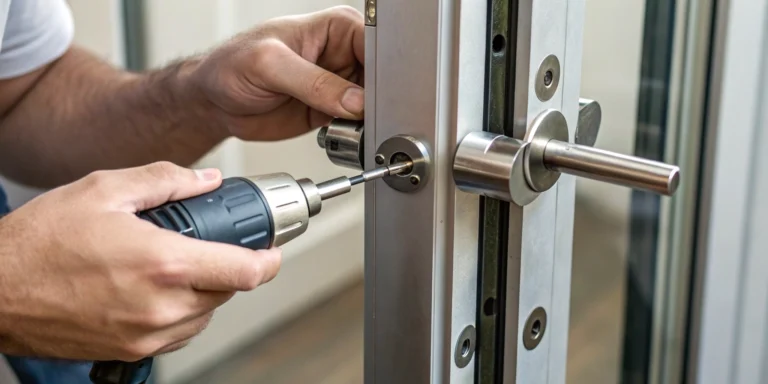
Once you’ve located the pinhole, you’ll need a thin, sturdy tool to press it. A small flathead screwdriver, an Allen wrench, or even a straightened paperclip will work perfectly. Insert your tool into the hole and press firmly inward to depress the hidden pin. While keeping the pin pressed down, use your other hand to pull the handle or lever straight off the spindle. It might take a bit of a wiggle, but it should slide off. Be gentle here; if the handle refuses to budge, don’t force it, as you could damage the lock’s interior components.
Step 3: Remove the Decorative Cover Plate
With the handle out of the way, you’ll see the decorative cover plate, often called a rose or escutcheon, still attached to the door. This plate is what conceals the mounting screws. Examine the edge of the plate for a small notch or indentation. This is the prying point. Take your flathead screwdriver, insert it into the notch, and gently twist or pry to pop the cover off. It’s usually just snapped into place, so it shouldn’t require much force. Work carefully to avoid scratching the paint or finish on your door.
Step 4: Extract the Handle Mechanism
Now you’ve hit the jackpot: the mounting screws are finally visible. You’ll typically see two screws holding the handle’s mounting plate and internal mechanism to the door. Use a Phillips or flathead screwdriver to remove them. Once they’re out, you should be able to pull the exterior and interior handle assemblies apart and away from the door. To complete the job, remove the latch from the edge of the door by taking out the two screws holding it in place. Your Yale handle is now fully removed, and you’re ready for your door repair and installation project.
What to Do When You Get Stuck
Even the most straightforward DIY project can hit a snag. If your Yale handle isn’t cooperating, don’t worry. It happens to the best of us. Forcing a stuck part can lead to a broken lock or a damaged door, turning a small task into a much bigger headache. Before you reach for a bigger hammer, take a breath. Here are a few common problems you might run into and some simple, actionable ways to work through them. If you find yourself truly stuck, remember that a professional is always just a phone call away.
Problem: Stuck or Rusted Parts
New York City humidity can be tough on hardware, and it’s common to find rusted or seized parts, especially on older doors. If you’re trying to remove a screw or turn a component and it won’t budge, stop applying force. You could strip the screw or break off a piece of the mechanism inside the door. Instead, try applying a penetrating oil to loosen the rust. If that doesn’t work and you feel unsure about proceeding, it’s wise to get help. A professional commercial locksmith has the right tools and experience to handle stubborn parts without causing further damage to your door or lock.
Problem: A Missing or Damaged Release Pin
The release pin is the key to removing many Yale handles, so what do you do when it’s gone or broken? Don’t panic—you usually have a workaround. The goal is to depress the small retainer inside the hole that the pin would normally push. You can often use a paperclip, a small nail, or the tip of a narrow screwdriver to do the job. Straighten the paperclip and insert it into the hole, feeling around for the spring-loaded retainer. Once you press it, you should be able to slide the handle off the spindle just as you would with the original tool.
Problem: Screws Hidden Under Decorative Caps
A sleek, screwless design looks great, but it can be confusing when it’s time for removal. If you don’t see any screws, they’re likely hidden under a decorative cover, often called a rose or escutcheon. Look closely around the edge of the plate that sits flush against the door. You should find a small notch or tab. You can gently insert a flathead screwdriver into this slot to pry the cover off. It should pop right off, revealing the mounting screws underneath. From there, you can proceed with removing the handle as usual.
Problem: Can’t Find the Release Mechanism
Sometimes the hardest part is just finding that tiny release pin or button. Don’t give up if you don’t see it right away. On many Yale models, the release mechanism is a very small, subtle hole or slot. Carefully inspect the entire base of the handle, right where it meets the decorative plate. You may need to rotate the handle to get a good look at every angle. It could be a small button you need to press or a slot you need to insert a tool into. Identifying this mechanism is the critical first step for any handle with hidden screws.
Tips for Removing a Stubborn Yale Handle
Even when you follow all the right steps, some door handles just refuse to cooperate. Years of use, exposure to moisture, or internal damage can cause parts to seize up, turning a simple task into a frustrating ordeal. If your Yale commercial handle isn’t budging, don’t reach for a bigger hammer just yet. A little patience and the right technique can often solve the problem without damaging your door or its frame.
Before you get started, remember to work carefully. The goal is to remove the handle, not create a bigger repair job that requires a full door repair and installation. These methods are what the pros try when they encounter a difficult removal. They require a delicate touch, but they can be incredibly effective for breaking through rust, corrosion, or grime that has fused the components together. Think of it as performing minor surgery rather than demolition. If you try these tips and the handle still won’t move, it might be a sign of a more serious internal issue. In that case, forcing it could break the lock mechanism entirely, leaving you with a much bigger problem. That’s when it’s time to call for professional help.
Loosen Frozen Parts with Penetrating Oil
When a handle feels completely frozen, the culprit is often rust or corrosion deep inside the mechanism. A good penetrating oil is your best friend here. Unlike a standard lubricant, it’s a low-viscosity oil designed to seep into the tiniest cracks and threads, breaking down the bonds that rust creates. Spray the oil generously around any visible seams, screw heads, and the base of the handle where it meets the door. Let it sit for at least 15-20 minutes—or even longer for very stubborn cases—to give it time to work its magic. Sometimes, watching a video that demonstrates the process can help you identify exactly where to apply the oil for maximum effect.
Carefully Apply Heat to Loosen Components
If penetrating oil doesn’t do the trick, gentle heat can be a great next step. Metal expands when heated, and applying warmth to the handle can cause it to expand just enough to break the seal of corrosion or grime holding it in place. A standard hairdryer on its highest setting or a heat gun on a low setting is perfect for this. Move the heat source continuously around the base of the handle for a few minutes, being careful not to concentrate it in one spot for too long. You want to warm the metal, not scorch the door’s finish. This slight expansion can often provide the wiggle room you need to get the handle moving again.
Alternative Ways to Remove Damaged Hardware
Sometimes, the problem isn’t just a stuck handle—it’s a broken one. If a screw is stripped or the internal release mechanism is damaged, you may need to get creative. For some lever handles with a hidden release pin, if the pin itself is broken, you might be able to use a sturdy paperclip or a small Allen wrench to depress the mechanism inside the hole. This method requires a bit of finesse, as you’ll need to feel for the spring-loaded catch. You can find a detailed discussion on this technique from others who have faced similar issues. If the handle is completely shot, a professional locksmith may need to drill it out as a last resort.
Is It Time to Call a Professional?
While tackling a door handle removal on your own can be satisfying, there are times when it’s smarter to step back and call for backup. Some jobs are more complex than they appear, and pushing forward can lead to bigger headaches, more damage, and even security risks. Knowing when to pause your DIY project and pick up the phone is a skill in itself. If you find yourself in one of these situations, it’s probably time to let a professional locksmith take over.
When the Handle is Part of a Security System
If your Yale commercial door handle isn’t just a simple lock but is tied into a larger access control or security system, it’s best to leave it to the experts. These systems are complex, with wiring and software components that can be easily damaged. Attempting to remove the handle yourself could disrupt the entire system, trigger alarms, or compromise your building’s security. A professional locksmith who specializes in security systems will have the right tools and knowledge to work on the handle without disturbing the integrated technology, ensuring everything continues to function correctly.
If You See Signs of Internal Damage
Take a close look at the handle and the lock mechanism. Do you see bent parts, a stuck retainer pin, or signs of rust and corrosion that have fused components together? These are all red flags indicating internal damage. Trying to force a damaged part can cause the mechanism to break completely, potentially locking you out or making the final repair much more difficult and expensive. Instead of reaching for a paperclip or trying to pry things apart, calling a commercial locksmith is the safest move. They can assess the damage and use specialized tools to resolve the issue without causing further problems.
When You’re Short on Time or Concerned About Safety
Let’s be honest—sometimes you just don’t have the time or patience for a tricky repair. If you’re feeling rushed, frustrated, or simply aren’t confident in what you’re doing, it’s okay to call for help. A botched removal can damage your door, which is a costly fix. More importantly, your safety and peace of mind are what matter most. A professional can get the job done quickly and correctly, ensuring your door is secure. If you’re in a bind and need it fixed now, an emergency locksmith can provide rapid, reliable service any time of day.
What to Do After the Handle is Off
Congratulations, you’ve successfully removed the Yale handle! Now you’re left with a door, a handful of parts, and a few important next steps. Taking a moment to properly handle the aftermath will make installing a new handle, painting the door, or making repairs much smoother. It’s all about setting yourself up for success, whether you’re finishing the job yourself or handing it over to a professional. A little organization now prevents a lot of headaches later.
Clean the Door Surface
With the handle gone, you’ll likely see an outline of dust, grime, or old paint. Now is the perfect time for a quick cleanup. Grab a cloth and a mild cleaner to wipe down the area where the handle and trim plate were sitting. This preps the surface for whatever comes next. Before you move on, give the door a gentle swing to make sure it opens and closes smoothly without the handle’s hardware. If it sticks or feels misaligned, there might be an issue with the hinges or the door frame itself that needs a closer look. A professional door repair can solve any alignment issues.
Protect Any Exposed Hardware
The latch mechanism is likely still inside the door. To prevent it from getting damaged or clogged with dust and debris, it’s a good idea to protect it. You can cover the hole with painter’s tape as a temporary shield, especially if you plan on painting. This also keeps the latch from accidentally engaging and locking you out. Be careful not to bump or shift the internal components, as this can make installing the new handle tricky. If the mechanism seems complex or you’re concerned about damaging it, our commercial locksmith team can take it from here.
Keep All Your Parts Organized
You should now have a collection of screws, pins, trim rings, and the handles themselves. The best way to keep everything together is to place all the components in a labeled plastic bag or a small container. This is essential if you plan to reinstall the handle later or need to reference a specific part. If you look at the pile of hardware and feel a wave of uncertainty, don’’t worry. Knowing when to call for backup is a smart move. If you’re not confident about the next steps, it’s always best to ask a professional for help to ensure your door is secure and functions correctly.
Related Articles
- The 6-Step Balanced Door Hardware Installation Guide
- A Guide To Balanced Doors For Historic Buildings
- Commercial Door Services
Working on a knob-style commercial lock instead of a Yale lever? See our companion guide to removing a commercial door knob.
Frequently Asked Questions
What’s the most common mistake people make when removing a door handle? By far, the biggest mistake is using too much force. If a screw won’t turn or a handle won’t slide off, there’s almost always a reason, like a hidden release pin you missed or rust that has fused the parts together. Trying to muscle through it is the fastest way to strip a screw, break the internal lock mechanism, or damage the door itself. It’s always better to pause and investigate than to force it.
I can’t find any model number on my handle. How do I know which removal steps to follow? Don’t worry if you can’t find a specific model number. The most important clue is how the handle is attached to the door. Look closely at the interior side. If you can see the heads of the mounting screws on the plate behind the handle, you have a visible screw model. If the plate is completely smooth, you have a hidden screw model and will need to find that tiny release pin on the shaft of the handle itself.
Is it okay to use a lubricant like WD-40 if my handle is stuck? While it’s a common go-to for squeaky hinges, WD-40 isn’t the best choice for a stuck lock mechanism. It’s a water displacer that can attract dust and grime over time, potentially making the problem worse down the road. For a truly rusted or seized part, you should use a penetrating oil instead. It’s specifically formulated to creep into tight spaces and dissolve the corrosion that’s causing the jam.
I got the handle off, but now I can’t get the latch out of the door. What should I do? This is a common snag! If the latch mechanism is stuck after the handles are off, it’s usually just a tight fit. First, try gently wiggling it back and forth from the edge of the door. If it’s still stubborn, you can insert a screwdriver through the large hole where the handle’s spindle used to be and carefully push the latch assembly out from the inside. Just be gentle so you don’t bend any components.
Can I reinstall the same handle after I take it off? Absolutely, as long as the handle is still in good working condition. The key to a successful reinstallation is keeping all your parts organized. Place every screw, pin, and plate into a labeled bag or container so nothing gets lost. When you’re ready to put it back on, simply follow the removal steps in reverse. Of course, if you took the handle off because it was broken, it’s always best to replace it.
Need professional help in NYC? Contact Golden Key Locksmith NYC for Metal Door Repair. Available 24/7 across Manhattan and all NYC boroughs.