

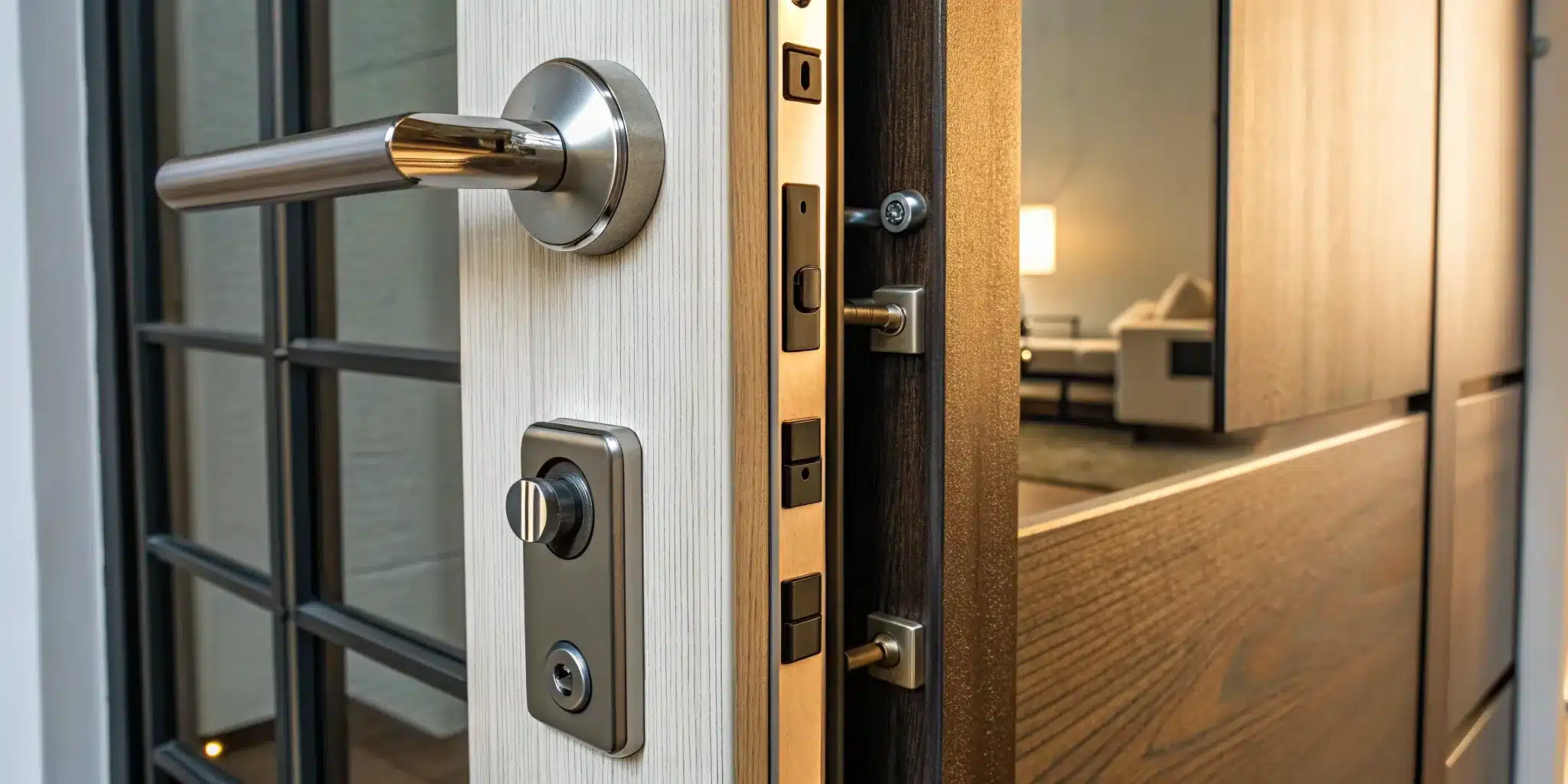
When it comes to your building’s doors, security is only half the story; safety is the other, equally important part. Choosing the wrong electronic lock can do more than just compromise your security—it can violate critical NYC fire codes and put people at risk in an emergency. This is especially true when you’re weighing a magnetic lock vs electric strike. One is designed to unlock automatically when the power fails, while the other is built to stay locked. Understanding this core difference is the first step to ensuring your property is both secure and fully compliant. Let’s explore how each lock functions and which one is the right, safe choice for your specific doorways.
Key Takeaways
- Prioritize Safety or Security During a Power Outage: Your choice depends on what happens when the power cuts out. Magnetic locks unlock (fail-safe), making them essential for emergency exits, while electric strikes typically stay locked (fail-secure), keeping your property protected.
- Match the Lock to the Door’s Function: Use electric strikes for main entrances where people need to exit freely, like in an office or apartment building. Opt for magnetic locks for interior high-security zones where you need to control traffic in both directions.
- Rely on Professional Installation for Compliance: An electronic lock is only effective and safe if installed correctly. A professional ensures your system is wired properly, aligned perfectly, and meets all critical NYC fire and accessibility codes.
What is Electronic Door Security?
When you think about securing your property, a traditional lock and key is probably the first thing that comes to mind. But what if you could manage access without ever having to copy a key again? That’s where electronic door security comes in. Simply put, it’s a way of controlling who can enter a building or room using electronic components instead of purely mechanical ones. These systems use an electrical current to lock and unlock a door, giving you more control and flexibility over your space.
For businesses and residential buildings in New York City, this technology is a game-changer. Instead of worrying about lost keys or unauthorized copies, you can manage access with key cards, fobs, pin codes, or even your smartphone. These locks are often part of a complete security system that allows you to grant or revoke access instantly, track who comes and goes, and set schedules for when doors should be locked or unlocked. It’s a modern approach to security that offers both convenience and a higher level of protection for your home or commercial space.
A Look at Different Electronic Locks
When you start exploring electronic door security, you’ll quickly come across two popular options: magnetic locks and electric strikes. While they both use electricity to secure a door, they work in very different ways.
A magnetic lock, or “maglock,” consists of a large electromagnet mounted on the door frame and a metal plate on the door itself. When the magnet is powered, it holds the plate with immense force, keeping the door securely locked.
An electric strike, on the other hand, is a device that replaces the standard strike plate in your door frame—the little metal piece the latch clicks into. It works with your existing doorknob or lever and latch. When the electric strike is activated, it allows the latch to be released so the door can be pushed open.
The Basics of How They Work
The biggest difference between these two locks comes down to how they handle power. A magnetic lock requires a constant supply of electricity to remain locked. If the power is cut, the magnet deactivates, and the door unlocks. This is called a “fail-safe” configuration, which is essential for emergency exits that must open during a power outage.
Electric strikes are typically the opposite. Most are “fail-secure,” meaning they stay locked when the power goes out. They only need a brief pulse of electricity to unlock the strike and release the door’s latch. This makes them a great choice for securing offices or storage rooms where you want the door to remain locked during a power failure. However, many electric strikes can also be set up as fail-safe to meet specific building codes or safety requirements.
How Do Magnetic Locks Work?
Magnetic locks, often called “maglocks,” are a popular choice for securing doors in commercial buildings, and for good reason. They operate on a simple yet powerful principle: electromagnetism. Unlike traditional locks that use a bolt or latch, a maglock uses a strong magnetic force to keep a door securely shut. This makes them incredibly reliable since they have no moving parts that can wear out or break over time. They are a key component in modern security systems and are often paired with keypads, card readers, or buzzers to control access. Let’s break down exactly how they function, from their core components to their power needs and installation.
The Main Components and Their Function
At its heart, a magnetic lock system is surprisingly simple. It consists of two main parts. The first is an electromagnet, which is a powerful magnet that is only active when electricity flows through it. This part is mounted onto the door frame. The second part is a flat metal plate, called an armature plate, which is attached to the door itself. When the door is closed and the power is on, the electromagnet creates a strong magnetic field that pulls the armature plate towards it, holding the door shut with incredible force. To open the door, the power to the electromagnet is cut, the magnetic field disappears, and the door is released.
Power Needs and Backup Options
One of the most important things to understand about maglocks is that they require a constant supply of electricity to stay locked. This is known as a “fail-safe” system. If the power goes out, the electromagnet deactivates, and the door automatically unlocks. This is a critical safety feature for emergency exits, as it ensures people can always get out during a fire or other emergency. However, it can also be a security concern. For areas where security must be maintained even during a power outage, it’s essential to connect the maglock system to a battery backup or an emergency generator to ensure it remains powered and secure.
The Installation Process
Properly installing a magnetic lock is crucial for it to work effectively and safely. The process involves carefully mounting the electromagnet to the door frame and the armature plate to the door, ensuring they align perfectly when the door is closed. This requires precise measurements and drilling. The lock must then be wired to a power source and integrated with an access control device, like a keypad or card reader. Because of the electrical work and the need for precision, this is a job best left to a professional. A skilled technician can handle the complete door repair and installation, making sure everything is secure and up to code.
Holding Strength and Security Features
The biggest advantage of a magnetic lock is its sheer strength. These locks can create an immense holding force—some models can withstand over 1,200 pounds of pressure, making them extremely difficult to force open. This makes them an excellent choice for high-security areas. Since there are no moving parts, they are also very durable and require little maintenance. The main security consideration, as mentioned, is their reliance on power. While their fail-safe nature is a benefit for emergency exits, it’s a potential vulnerability that must be addressed with a reliable backup power source for any business that needs uninterrupted security.
How Do Electric Strikes Work?
If you’ve ever been “buzzed into” an apartment building or office, you’ve likely used an electric strike. Unlike a magnetic lock, which uses an electromagnet to hold a door shut, an
Key Parts and Their Mechanism
At the heart of an electric strike is a hinged metal piece called a “keeper.” In its locked state, the keeper is fixed and holds the door’s latch securely, just like a regular strike plate. When it receives an electrical signal from a keypad or remote button, an internal component called a solenoid activates, allowing the keeper to pivot out of the way. This movement frees the latch and lets the door open. Because this mechanism only controls entry, anyone inside can still leave by simply turning the door handle, which manually retracts the latch.
Powering and Operating the Lock
Most electric strikes are “fail-secure,” meaning they need power to unlock. During a power outage, the door remains locked, keeping your property safe. This is the standard for most security setups. The alternative is a “fail-safe” model, which needs power to lock and will automatically unlock if the power cuts out. These are typically required for fire exits where easy egress is critical. The lock runs on low-voltage power triggered by an authorized signal, making it a reliable part of any modern commercial locksmith solution.
Installation Requirements
While the concept is simple, installing an electric strike requires professional expertise. The device must be perfectly aligned with the door’s existing lock, which often means modifying the doorframe with precise cuts for wiring and placement. This isn’t a simple DIY swap. A poor installation can cause the door to not latch correctly or the electronic system to fail, compromising your security. It’s always best to have experienced technicians who handle door repair and installation manage the project to ensure it’s done right.
Security Features and System Integration
An electric strike truly shines when integrated into a larger security network. It can be connected to keypads, card readers, intercoms, and remote release buttons to give you full control over who enters your property. This flexibility allows you to grant access to employees, residents, or visitors without having to be physically at the door. For NYC businesses and apartment buildings, pairing an electric strike with a complete access control system provides a seamless way to manage entry points and maintain a secure environment.
Magnetic Locks vs. Electric Strikes: A Direct Comparison
Choosing the right electronic lock can feel like a big decision, but it really comes down to understanding how each type works in different situations. Both magnetic locks (maglocks) and electric strikes are excellent choices for securing a property, but they have key differences in how they handle security, power loss, and daily use. Let’s break down the specifics side-by-side so you can feel confident in picking the perfect lock for your home or business.
Security and Strength
When you’re thinking about security, the main difference is how the lock controls movement. An electric strike replaces the standard strike plate on your door frame, securing the latch but allowing someone inside to exit freely by simply turning the knob or handle. This is great for managing entry without trapping anyone inside. A magnetic lock, on the other hand, uses a powerful electromagnet to hold the door shut, securing it from both sides. No one gets in or out until the power is cut by an authorized signal, like a keypad or card reader. This makes maglocks a go-to for high-security interior doors where you need to control all traffic.
Power Outages and Fail-Safes
What happens when the power goes out is a critical safety consideration. Magnetic locks are “fail-safe,” which means they unlock during a power failure. This is an essential feature for emergency exits, ensuring people can always get out safely. Electric strikes are typically “fail-secure,” meaning they stay locked when the power is cut. This keeps your property secure during an outage but means you’ll need a mechanical key or another backup to open the door. Your choice here depends on whether your priority is emergency egress or maintaining security at all times. Our emergency locksmith team can help you work through local fire codes to make the right choice.
Installation Complexity and Cost
From a budget and installation standpoint, there are trade-offs. Electric strikes usually have a lower upfront cost for the hardware itself. However, the installation can be more complex because the strike has to be perfectly aligned with your door’s existing lockset, which can mean more labor time. Magnetic locks might cost more for the unit, but they are often much simpler to install since they mount directly to the door and frame. When planning your budget, it’s important to consider both the hardware and the cost of a professional door repair and installation to get the full picture.
Ongoing Maintenance
Thinking long-term, maintenance is another factor. Magnetic locks have a clear advantage here because they have no moving parts. It’s just an electromagnet and a metal plate. With nothing to jam or wear out, they require very little upkeep over their lifespan. Electric strikes, however, have internal moving parts that release the latch. Over time, these components can wear down or get misaligned, especially in high-traffic doorways. While a quality electric strike is very reliable, it may require more periodic checks and adjustments than a maglock to ensure it’s working smoothly.
Integrating with Access Control
The good news is that both lock types integrate beautifully with modern access control systems. You can connect either one to keypads, card readers, biometric scanners, or remote buzzers. Electric strikes are a classic pairing for residential and commercial locksmith systems where you want to grant access while allowing free exit. Magnetic locks are also incredibly versatile and are often used in comprehensive security systems that require detailed entry and exit logs. Your choice will depend less on compatibility and more on the specific function you need the door to serve within your overall security plan.
How to Choose Between a Magnetic Lock and an Electric Strike
Choosing the right electronic lock system can feel like a big decision, but it really comes down to a few key factors about your property and how you use it. Both magnetic locks and electric strikes are excellent options for modernizing your security, but they serve different purposes. By thinking through your specific needs for the door in question, you can find the perfect fit for your home or business. Let’s walk through the main points to consider.
Match the Lock to Your Door Type
The first thing to look at is the door itself. What is it made of, and how does it need to function? Electric strikes are designed to work with the door’s existing hardware, securing it from the outside while always allowing people inside to exit freely. This makes them a great fit for many standard doors. Magnetic locks, on the other hand, secure the door from both sides. They are often the go-to solution for doors that can’t accommodate a traditional strike, like full glass doors. A professional can assess your current door and frame to see which lock is physically compatible.
Consider Your Building’s Foot Traffic
How many people come and go each day? For a busy commercial entrance, an electric strike is often the better choice. Since it allows for free egress, you don’t have to worry about people getting stuck inside during an emergency or fumbling with buttons to get out. This keeps foot traffic moving smoothly and safely. Magnetic locks require a release button or motion sensor to exit, which can create a bottleneck in high-traffic areas. They are better suited for interior doors or secure zones where you need to control access in both directions, making them a solid option for many commercial locksmith applications.
Account for Environmental Factors
Where is the door located? If it’s exposed to harsh weather, that can influence your decision. Magnetic locks are generally more durable against the elements because they have fewer moving parts that can freeze or get clogged with debris. This makes them a reliable choice for exterior gates or doors in tough outdoor spots. However, it’s important to get a professional opinion, as some situations might call for a heavy-duty, weather-resistant electric strike. The key is to choose a lock that can stand up to its environment day in and day out.
Review Local Building Codes
This step is non-negotiable. Your building’s security hardware must comply with local fire and safety codes, especially for emergency exits. Electric strikes are often preferred for exit doors because they are typically “fail-secure,” meaning they remain locked without power but can always be opened from the inside with a panic bar or handle. Magnetic locks are “fail-safe,” meaning they unlock when the power cuts out. While this is good for safety, they have strict installation requirements to meet fire codes, like being tied into the fire alarm system. A certified locksmith can ensure your security systems are fully compliant.
Plan Your Budget
Finally, let’s talk about cost. Generally, the upfront price for an electric strike is lower than for a magnetic lock. However, installation can be more complex for an electric strike because it has to be fitted precisely into your door frame. Magnetic locks, while more expensive to purchase, are often simpler and faster to install, which can lower the overall labor cost. When planning your budget, think about the total expense—the hardware plus the installation. It’s always a good idea to get a quote that covers the full scope of the project.
Meeting Safety and Compliance Standards
Choosing between a magnetic lock and an electric strike goes beyond just picking the strongest option. In a city like New York, your building’s doors are subject to a web of safety codes and regulations that you absolutely have to follow. The right lock keeps your property secure while ensuring everyone can get out safely during an emergency. It’s about finding that perfect balance between security and compliance, which is a non-negotiable part of managing any residential or commercial property in the city.
Understanding these standards can feel overwhelming, but it’s a critical step in any security upgrade. Fire codes, emergency exit rules, and accessibility requirements all play a role in determining which lock is suitable for a specific door. A lock that’s perfect for an interior office door might be completely wrong—and even illegal—for a building’s main exit. This is why a professional assessment is so important; it ensures your security systems are not only effective but also fully compliant with local laws. Getting it right protects your property, the people inside it, and you from potential fines or liability. It’s a foundational piece of responsible property management.
Fire Safety Regulations
When it comes to fire safety, locks are categorized as either “fail-safe” or “fail-secure.” A fail-safe lock, like most magnetic locks, unlocks when it loses power. This is a key feature for fire safety, as it ensures that even if a fire cuts the power, exit routes won’t be blocked. On the other hand, a fail-secure lock, like a typical electric strike, remains locked without power. While this is great for external security, it must have a mechanical override—like a knob or panic bar—that allows people to exit freely from the inside to meet fire code.
Emergency Exit Requirements
Designated emergency exits have the strictest rules, for good reason. Their primary job is to let people escape quickly and easily. Because magnetic locks are fail-safe, they are often the go-to choice for these doors. In the event of a power outage or fire alarm trigger, the magnet releases, and the door opens without any special knowledge or effort. Using the wrong type of lock on an emergency exit can create a dangerous situation, which is why it’s crucial to understand how your emergency locksmith hardware will function when it matters most.
Weather Resistance
New York City weather isn’t always kind, and your exterior locks bear the brunt of it. From humid summers to icy winters, moisture and temperature swings can take a toll on your door repair and installation efforts. Magnetic locks generally have an edge here. Since their components are often sealed in epoxy, they are highly resistant to water, dust, and corrosion, making them a durable choice for gates and external doors. Electric strikes have more intricate moving parts, which can be vulnerable to freezing or jamming if they aren’t specifically rated for outdoor use.
ADA Compliance
The Americans with Disabilities Act (ADA) sets standards to ensure buildings are accessible to everyone. For doors, this means they must be easy to open without requiring tight grasping or twisting. Electric strikes often integrate more smoothly with ADA-compliant hardware. They can be paired with push-to-exit buttons, motion sensors, or panic bars that allow for hands-free or low-force operation. This makes them an excellent choice for commercial locksmith applications in public buildings, offices, and apartment complexes where easy access is a legal requirement.
Where to Use Each Type of Lock
Choosing between a magnetic lock and an electric strike isn’t about which one is universally “better”—it’s about which one is right for a specific door. The function of the doorway, the level of security you need, and local safety codes all play a huge role in the decision. Think of it like this: you wouldn’t use the same lock on your front door as you would on a fire escape. Each has a distinct job to do.
Understanding the ideal application for each lock type will help you secure your property effectively. Let’s look at some common scenarios and see which lock makes the most sense for each.
High-Security Areas
For interior doors protecting sensitive assets—like a server room, evidence locker, or inventory storage—an electric strike is almost always the right choice. Electric strikes are “fail-secure,” which means they require power to unlock. If the building’s power goes out, the door remains locked, keeping your most valuable areas protected. This feature is critical for preventing unauthorized access during a power failure.
These locks also integrate smoothly with various security systems, allowing you to pair them with keypads, card readers, or biometric scanners. This creates a layered defense that gives you precise control over who can access your most critical spaces.
Commercial Main Entrances
The main entrance to your business sees a lot of action. You need to control who comes in, but you also need to allow people inside to exit freely and safely. Electric strikes are a great fit for this role. They keep the door securely locked from the outside while allowing anyone to leave by simply turning the knob or pushing the panic bar from the inside.
Because they are fail-secure, your business remains protected even if there’s a power outage. Electric strikes are also a more affordable option compared to magnetic locks, making them a practical choice for many business owners. A professional commercial locksmith can help you determine the best strike model for your specific door and traffic patterns.
Emergency Exits
When it comes to emergency exits, safety is the top priority. This is where magnetic locks shine. Maglocks are “fail-safe,” meaning they need a constant supply of power to stay locked. If the power is cut—as it often is during a fire or other emergency—the magnet releases, and the door opens freely. This ensures that people can evacuate the building quickly and without obstruction.
This fail-safe mechanism is a requirement for many fire and building codes. Using any other type of lock on a designated emergency exit could create a serious safety hazard and violate local regulations. Always prioritize a fail-safe lock for any door that serves as a primary escape route.
Multi-Tenant Buildings
For the main entrance of an apartment building or condo, an electric strike is typically the preferred and safer option. It provides a strong security barrier against unauthorized entry while being straightforward for residents to use with a key, fob, or intercom system. Landlords and property managers often choose electric strikes because they are durable, reliable, and less complex than maglocks.
While magnetic locks can be used in some residential settings, they are often considered a last resort. The reliability of an electric strike makes it a better fit for the high-traffic, everyday use of a building’s main door. Our residential locksmith services can help you select and install the right system to keep your tenants safe and secure.
Key Factors for a Successful Installation
Choosing the right lock is only half the battle; a successful installation is what truly secures your property. Whether you opt for a magnetic lock or an electric strike, a few key considerations will ensure your system works flawlessly from day one and for years to come. Getting these details right prevents future headaches and guarantees your security investment pays off.
Get a Professional Security Assessment
Before you buy any hardware, it’s smart to get a professional opinion. Every door and entryway is different, and an expert can evaluate your specific needs to determine whether a magnetic lock or an electric strike is the better option for your door type, frame, and security goals. This step is crucial for both homes and businesses, as a locksmith can identify potential vulnerabilities you might overlook and recommend a complete solution. A thorough evaluation ensures your new lock integrates perfectly with your property’s overall security systems.
Plan Your Power Supply
Both magnetic locks and electric strikes rely on electricity, so planning your power source is essential. Magnetic locks are “fail-safe,” meaning they unlock when the power goes out. Electric strikes can be either “fail-safe” or “fail-secure” (remaining locked without power). You’ll need a dedicated, reliable power source and should strongly consider a battery backup system, especially for magnetic locks used in high-security areas. A professional installer can wire everything correctly and ensure your system remains operational even during a power outage, keeping your property secure around the clock.
Consider Weather and Environment
If your lock will be exposed to the elements, its durability is a major factor. New York’s weather can be tough, so outdoor locks must be rated to withstand rain, snow, humidity, and extreme temperatures. You should also think about how the lock fits into your daily flow. These locks are often part of a larger access control system, working with keypads, card readers, or key fobs. A professional can help you choose a weather-resistant model that works seamlessly with your existing or planned door and entry systems.
Prepare for Long-Term Maintenance
Like any security hardware, electronic locks require some upkeep to function properly over the long term. Magnetic locks have no moving parts, which generally means less maintenance, but they do need a constant power supply to remain locked. Electric strikes have moving components that may need occasional cleaning or adjustment. It’s wise to discuss a maintenance plan with your installer. Regular check-ups can catch minor issues before they become major problems, ensuring your lock provides reliable security for years to come and protecting your investment.
Related Articles
- The Smart Guide To Commercial Electronic Door Lock Systems
- HES 9500 Electric Strike Installation: A Complete Guide
- Understanding Different Lock Types: A Quick Overview
- Access Control Installation: A Step-by-Step Guide
- Key Duplication: What You Need To Know (Guide)
- Keyless Access Control Systems: Costs, Types, And Benefits
Frequently Asked Questions
Which lock is actually more secure? This really depends on your definition of “secure.” Magnetic locks have immense holding strength, making them extremely difficult to force open. However, most are designed to unlock when the power goes out. Electric strikes, on the other hand, typically stay locked during a power failure, which keeps your property protected. The best choice comes down to whether your main concern is brute force entry or maintaining security during a power outage.
What happens to these locks during a power outage? This is the most critical difference between the two. A magnetic lock is “fail-safe,” meaning it unlocks when it loses power, which is a vital safety feature for emergency exits. An electric strike is usually “fail-secure,” so it remains locked when the power is cut. You can still always exit from the inside by simply using the door handle, but the door remains secured from the outside.
Can I use these locks on any type of door? While they are versatile, one type might be a better fit for your specific door. Electric strikes are installed into the doorframe to work with the existing latch, which can be challenging with glass or uniquely designed doors. Magnetic locks are often the perfect solution in those cases because they mount directly onto the surface of the door and frame, offering more flexibility.
Which lock is better for the main entrance of my business or apartment building? For a busy main entrance, an electric strike is almost always the better option. It allows people inside to exit freely by simply turning the handle or pushing a panic bar, which is essential for managing the flow of people and meeting safety codes. A magnetic lock requires an action like pushing a button to exit, which can cause delays and isn’t ideal for a primary entrance.
Do I really need a professional to install an electronic lock? Yes, this is definitely a job for a professional. Installing these locks involves precise electrical wiring, cutting into your doorframe, and ensuring perfect alignment for the system to work safely and reliably. A professional installation ensures your lock is secure, functions correctly, and meets all local fire and building codes, which protects your property and the people in it.
Need professional help in NYC? Contact Golden Key Locksmith NYC for Key Card Entry Systems or Access Control Systems. Available 24/7 across Manhattan and all NYC boroughs.
Related: electric strike wiring diagram