

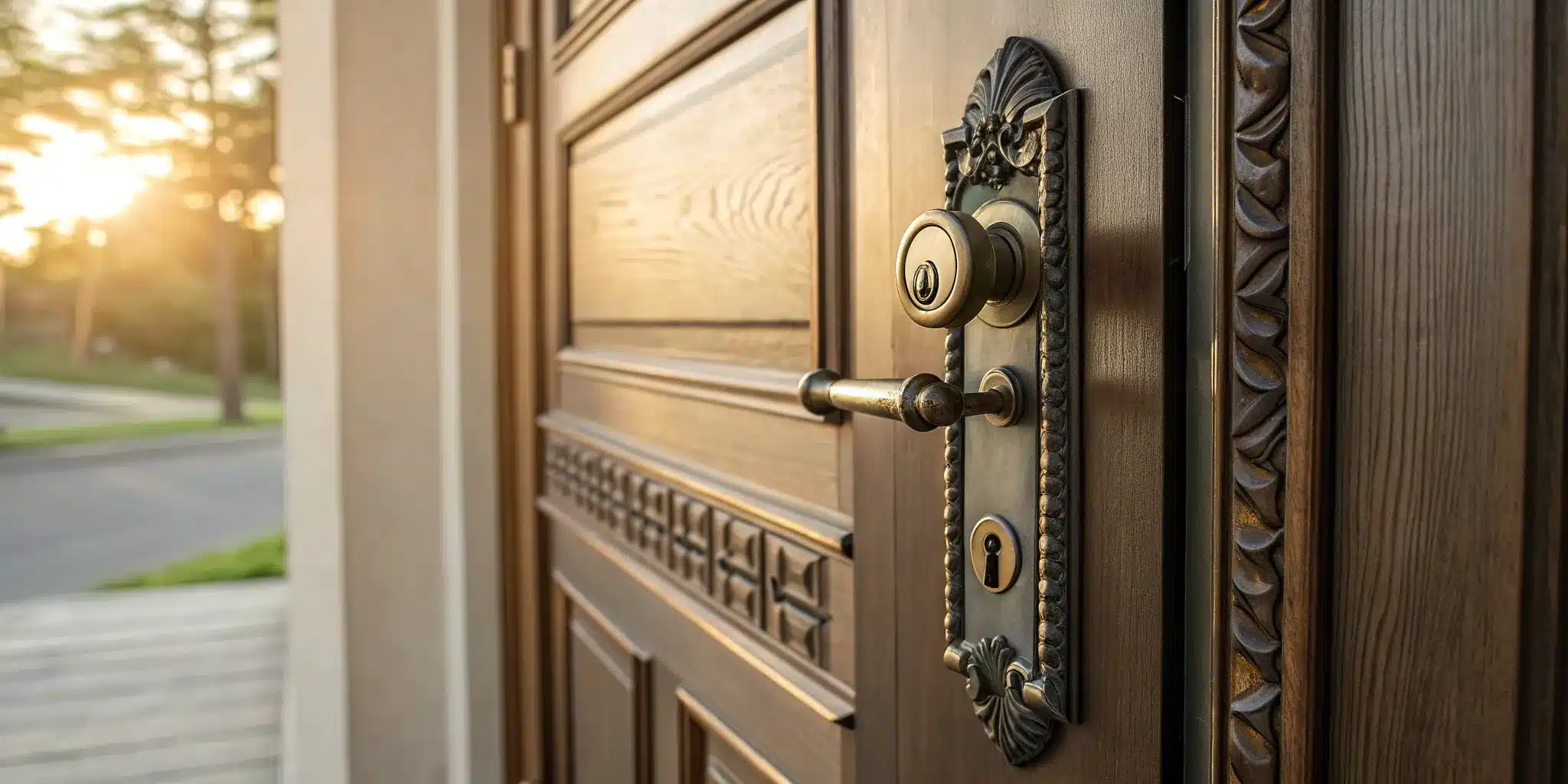
The feeling of violation after a break-in is profound, but taking decisive action is the first step toward reclaiming your space and your peace of mind. While the initial shock is difficult, you can turn this moment into an opportunity to make your home safer than it was before. This guide provides a straightforward plan to help you regain control. We’ll cover the essential first calls to make and how to properly document everything for insurance. We will also focus on the most empowering step you can take: arranging for a professional apartment lock change after a break in to install stronger, more reliable security for your front door.
Key Takeaways
- Act Safely and Smartly: Your first move after a break-in is to call the police to file an official report. Then, take photos of any damage for your insurance claim and send a written notice to your landlord.
- Put Your Request in Writing: Your landlord is generally responsible for the cost of a new lock. Send a formal, written request for an immediate lock change to protect your rights and create a clear record of communication.
- Don’t Just Replace, Upgrade Your Locks: Use this as a chance to improve your security. A professional 24/7 locksmith can assess your door’s vulnerabilities and install a high-quality deadbolt or other secure lock to prevent future incidents.
Your First Steps After a Break-In
Discovering your home has been broken into is a deeply unsettling experience. Your sense of security is shattered, and it’s easy to feel overwhelmed. Before you do anything else, take a deep breath. Your safety is the top priority. Once you’re in a safe place, there are a few immediate, practical steps you can take to handle the situation and start reclaiming your peace of mind. Focusing on this clear plan of action can help you feel more in control during a difficult time. These first moves are crucial for your safety, for insurance purposes, and for getting your home secured as quickly as possible.
Call the Police and File a Report
Before you touch anything, your first call should be to the police. It’s essential to report the break-in immediately. An officer will come to your apartment to assess the situation and create an official police report. This report is not just for the investigation; it’s a critical piece of documentation you will need for any insurance claims you file for stolen or damaged property. When you speak with the police, give them as much detail as you can remember. Having an official record of the crime is the first step in the recovery process and is non-negotiable for getting things back on track.
Document the Scene
While you wait for the police, and only if you feel safe doing so, start documenting everything. Use your phone to take clear photos and videos of the scene. Capture any signs of forced entry, like a broken lock, a jimmied window, or a damaged door frame. Take pictures of the general disarray and any specific items that were damaged. Once you’re able to, make a detailed list of everything you believe is missing. This visual evidence and written inventory will be incredibly helpful for both the police report and your renter’s insurance claim, making the process smoother down the line.
Temporarily Secure Your Apartment
Your home feels vulnerable right now, so the next priority is to make it safe again. While you sort out permanent solutions, you might consider temporary measures like a door jammer or a portable lock. However, the fastest way to restore security is to get the locks changed professionally. This is where you should call an emergency locksmith who can respond quickly. A 24/7 service can come to your apartment any time, day or night, to assess the damage and install a new, secure lock immediately. This single step can make a huge difference in helping you feel safe in your own home again.
Notify Your Landlord
After you’ve spoken with the police, your next call or email should be to your landlord or property manager. Inform them about the break-in right away. Your lease agreement likely outlines their responsibilities regarding the property’s security, and they need to be aware of the situation. A break-in often means the building’s security was compromised, which they need to address. Putting your notification in writing, like in an email, is a great idea because it creates a time-stamped record of your communication. This is an important step before you proceed with any permanent changes, like changing the locks.
Can You Legally Change Your Locks?
After a break-in, your first instinct is to secure your home immediately, which often means changing the locks. But as a renter, you might wonder where you stand legally. The relationship between tenants and landlords is governed by laws and lease agreements, so it’s important to know your rights before you act. While you absolutely have a right to feel safe in your home, there are a few steps to follow to ensure you handle the situation correctly and maintain a good relationship with your landlord. Understanding the rules will help you get the security you need without creating any legal friction.
Know Your Rights as a Tenant
As a tenant, you have a right to a safe and habitable living space. Generally, your landlord cannot change the locks on your apartment without notifying you or having a valid legal reason, like a court order. Doing so could be considered an illegal eviction. After a security incident like a break-in, it is entirely reasonable to request a lock change to restore your sense of safety. Your landlord has a responsibility to provide a secure home, and that includes functioning locks. Knowing this basic right is the first step in confidently approaching your landlord about your residential security needs.
Check Your Lease Agreement
Your lease is the most important document outlining your rights and responsibilities, so grab your copy and read it carefully. Look for any clauses that mention locks, keys, or making alterations to the property. Some leases explicitly forbid tenants from changing locks on their own, while others might require you to get written permission first. Many agreements also state that if you do change the locks, you must provide the landlord with a copy of the new key. If your lease doesn’t mention anything about changing the locks, the best course of action is to open a line of communication with your landlord before making any changes.
Understand Emergency Exceptions
While landlords generally can’t change your locks without notice, there are a few exceptions. They can legally change them if a court has ordered an eviction, if you’ve clearly abandoned the property, or in an emergency to make the apartment safe. A break-in can fall into this category. For instance, if a door was damaged, your landlord might call an emergency locksmith to secure the property immediately. However, even in these situations, they must provide you with a new key and access to your home without delay. They can’t use an emergency as an excuse to lock you out.
Common Myths About Changing Locks
There’s a common belief that as long as you give your landlord a new key, you can change the locks whenever you want. While this is sometimes true, it isn’t a universal rule. In many places, you are required to get your landlord’s permission before making any alterations, including changing the locks. Acting without permission could put you in violation of your lease. The safest approach is always to communicate first. A break-in is a serious event, and most landlords will be cooperative. Explaining the situation and formally requesting a lock change is the best way to ensure your home is secured quickly and properly.
Who Pays for the New Locks?
After a break-in, the last thing you want to worry about is who has to pay for new locks. It can feel like another layer of stress on an already difficult situation. The good news is that in many cases, the financial responsibility won’t fall on you. Let’s walk through the different scenarios so you know exactly what to expect and how to handle the conversation about costs.
When Your Landlord is Responsible
In New York City, landlords have a legal duty to provide a safe and habitable living environment, which includes secure, working locks on all entry doors. After a break-in, the security of your apartment is compromised, making a lock change a necessary repair. Because of this, the cost of replacing the locks typically falls to your landlord. Think of it as essential maintenance required to restore your home’s safety. They are responsible for ensuring the property is secure, and that includes fixing security features after they’ve been breached.
When You Have to Pay
While the landlord usually covers costs after a break-in, there are situations where you might have to pay. For example, if you lose your keys or decide to change the locks on your own without getting your landlord’s permission first, you’ll likely be responsible for the expense. The key distinction is the reason for the change. A break-in is a failure of the apartment’s security, which is the landlord’s domain. An unauthorized change or losing your keys is generally considered the tenant’s responsibility. Always communicate with your landlord before making any alterations to avoid an unexpected bill.
Using Your Renter’s Insurance
Don’t forget about your renter’s insurance policy. While your landlord is likely responsible for the lock itself, your insurance might cover other costs associated with a break-in. Take a close look at your policy details. Some plans cover temporary security measures or even the cost of a lock replacement if you have to pay for it upfront while waiting for your landlord. Every policy is different, so it’s worth giving your insurance agent a call to clarify what’s covered under your specific plan. It can provide a financial safety net when you need it most.
How to Negotiate Costs
Clear communication is your best tool for navigating this conversation. Always put your request for a lock change in writing, like in an email, so you have a record. If your landlord is slow to respond, you can propose a solution. Offer to call a trusted emergency locksmith to get the job done quickly and send the invoice to them for payment. This shows you’re being proactive and helps speed up the process. If you and your landlord agree that you’ll handle the change, make sure you provide them with a copy of the new key as soon as possible.
The Best Locks to Install for Better Security
After a break-in, the lock on your door is more than just a mechanism—it’s your first line of defense and a source of peace of mind. Choosing to upgrade your locks is a proactive step toward reclaiming your sense of security. But with so many options on the market, it’s easy to feel overwhelmed. The goal isn’t just to replace what was broken, but to install something better, stronger, and more suited to your apartment’s specific needs.
Think of this as an opportunity to fortify your home. From the tried-and-true deadbolt to modern smart locks, each type offers a different level of protection and convenience. Understanding the basics will help you have a more productive conversation with your landlord and your locksmith. A professional can provide a full assessment, but knowing what to ask for is half the battle. We’ll walk through some of the most effective lock types so you can make an informed decision that helps you feel safe at home again. The right residential locksmith can guide you through these options and ensure a perfect installation.
Why Deadbolts Are Your Best Bet
When it comes to straightforward, powerful security, the deadbolt is a classic for a reason. Unlike the spring-loaded latch in your doorknob, a deadbolt uses a solid steel bolt that you extend manually with a key or thumb-turn. This simple but effective design makes it much harder for someone to force or pry the door open. For any apartment’s main entry, a high-quality deadbolt isn’t just a suggestion; it’s a necessity. It provides a physical barrier that offers significant protection against break-ins. Upgrading from a basic lock to a sturdy, professionally installed deadbolt is one of the most impactful security improvements you can make.
Consider Smart Locks and Keyless Entry
If you’re looking for both security and modern convenience, a smart lock is an excellent choice. These locks offer keyless entry, allowing you to unlock your door with a keypad code, your smartphone, or even your fingerprint. This eliminates the risk of lost or stolen keys. Many smart locks also let you grant temporary access to guests or service people remotely and send you notifications whenever your door is opened. This level of control and monitoring can provide incredible peace of mind after a security breach. Integrating a smart lock is a great way to upgrade your home’s security systems and simplify your daily routine.
Explore High-Security Cylinders
For those who want the highest level of protection, high-security locks are the answer. These systems are engineered from the ground up to resist tampering. They feature complex pin-and-tumbler mechanisms that make them virtually impossible to pick, along with reinforced construction that stands up to drilling and other brute-force attacks. Keys for these locks are often patented and restricted, meaning they can’t be duplicated without your authorization. While they come at a higher price point, investing in a high-security cylinder means you’re getting a lock that has been rigorously tested to withstand the methods criminals use, offering you unparalleled security.
Secure Glass Doors with Double Cylinder Deadbolts
Doors with glass panels, whether it’s a small window or a full-length pane, create a unique security risk. A burglar could simply break the glass, reach inside, and unlock a standard deadbolt from the thumb-turn. That’s where a double-cylinder deadbolt comes in. This type of lock requires a key to operate from both the inside and the outside. By removing the interior thumb-turn, you eliminate the risk of someone unlocking the door after breaking the nearby glass. It’s the strongest type of lock for this situation, providing essential security for patio doors, balconies, or any entryway with glass features. Proper door repair and installation is crucial to ensure it functions correctly.
How to Ask Your Landlord for a Lock Change
After a break-in, your sense of security is shattered, and changing the locks is a critical step toward feeling safe again. Approaching your landlord about this can feel daunting, but it’s a completely reasonable request. Your landlord has a responsibility to provide a secure home, and a compromised lock is a major security failure. The key is to communicate clearly, formally, and with a sense of urgency.
Start by gathering your thoughts and the necessary documents, like the police report number. Your goal is to present a clear, factual case for why the locks need to be changed immediately. This isn’t just about your peace of mind; it’s about securing the property. By handling the request professionally, you make it easy for your landlord to say “yes” and act quickly. Remember, you’re partners in keeping your home safe, and this is a moment where that partnership is put to the test.
What to Include in Your Request
When you reach out to your landlord, be direct and provide all the necessary information upfront. This prevents back-and-forth and shows you’re serious. Start by clearly stating that your apartment was broken into and that you are formally requesting an immediate lock change for your safety.
Include the date of the incident and the police report number for their records. It’s a good idea to attach a copy of the report if you have it. Specify that you want all entry locks changed, not just the one that was damaged. This is a standard security measure, as you don’t know if keys were copied. Making a clear, documented request is the first step toward getting a swift resolution and restoring your home’s security.
Write an Effective Formal Request
Always put your request in writing. An email is perfect because it creates a dated record of your communication. While a phone call might feel faster, a written request is official and protects you if there are any disputes later. Keep your tone polite and professional, even though you’re likely feeling stressed and upset.
Your email should be straightforward. Start with a clear subject line like “Urgent Request: Lock Change for [Your Apartment Number].” In the body, briefly explain what happened, provide the police report number, and state your request. For example: “Following a break-in on [Date], I am requesting an immediate lock change to secure the apartment.” This formal approach underscores the seriousness of the situation and helps ensure your landlord takes prompt action.
Set a Reasonable Timeline
A break-in is an emergency, and your request should reflect that. It’s perfectly reasonable to ask for the locks to be changed within 24 hours. Your safety is at risk, and any delay is unacceptable. In your written request, state your desired timeline clearly. You could say something like, “For my safety, I request that the locks be changed within the next 24 hours.”
Landlords are generally required to address security threats promptly. If they seem to be dragging their feet, you can gently remind them of the urgency. Suggesting they use a 24/7 emergency locksmith can also help speed things up, as a professional can handle the job anytime, day or night. Be firm but polite about your need for a quick solution.
What to Do If Your Landlord Refuses
If your landlord ignores your request or outright refuses, don’t panic. You still have options. First, send a follow-up email. Politely reiterate your request and reference your lease agreement, specifically any clauses about safety, security, or repairs. You can also mention their legal obligation to provide a habitable and secure living environment.
If they still won’t budge, you may need to take further action. Check your local tenant rights—in many places, you may be able to arrange for the lock change yourself and deduct the cost from your rent, but you need to follow specific procedures. If you feel you’re at a standstill, it might be time to contact a lawyer who specializes in tenant rights.
Why You Should Call a Professional Locksmith
After a break-in, your sense of security is shattered, and the last thing you want to worry about is whether your new lock is installed correctly. While a DIY approach might seem tempting to save money, this is one area where professional expertise is non-negotiable. A professional locksmith brings the right tools, experience, and knowledge to assess the damage, recommend the most secure solutions, and get the job done quickly and correctly. They can spot vulnerabilities you might miss and provide options that fit your specific needs and budget. Calling a pro isn’t just about getting a new lock on the door; it’s about restoring your peace of mind and ensuring your home is truly secure moving forward.
For an Emergency Lock Change
When you’re dealing with the aftermath of a break-in, time is of the essence. You need to secure your apartment immediately, and that’s where an emergency locksmith becomes essential. A professional can respond quickly to assess the situation, whether the lock was picked, the door frame was damaged, or the entire lock was broken. They carry a variety of high-quality locks and can install a replacement on the spot. Installing quality door locks is a critical step in protecting your home from future incidents. A professional ensures the new lock is fitted perfectly, functions smoothly, and provides the robust protection you need to feel safe again in your own home.
Deciding Between Rekeying vs. Replacing
You’ll often hear the terms “rekeying” and “replacing,” and a professional can help you decide which is right for you. Rekeying involves changing the internal pins of your existing lock so that the old keys no longer work. This is a great option if your locks are still in good condition but you’re concerned someone might have a copy of your key. After a forced entry, replacing the lock with entirely new hardware is almost always the necessary choice. A residential locksmith can evaluate your current hardware and recommend the best path forward, often suggesting reliable options like deadbolts for stronger protection against break-ins.
How to Find a Trusted Locksmith
In a moment of crisis, it’s easy to call the first number you find, but taking a minute to find a reputable locksmith is worth it. Look for a licensed and insured professional with positive online reviews. A trustworthy locksmith will provide a clear, upfront quote before starting any work. It’s also wise to choose a local company with a verifiable address, as this often means faster service and greater accountability. For businesses, a commercial locksmith can ensure new locks are compatible with your existing security doors and systems. Finding someone you trust is key to turning a stressful situation into a manageable one.
The Importance of 24/7 Service
Break-ins don’t stick to a business-hours schedule, and neither should your locksmith. Having access to a 24/7 emergency service is crucial for getting immediate help when you need it most, whether it’s late at night or on a weekend. The ability to call a professional at any hour provides invaluable peace of mind after a traumatic event. Knowing that a qualified expert is on their way to re-secure your home allows you to focus on the other important steps, like filing a police report and taking care of yourself. When choosing a locksmith, make sure their availability matches your need for around-the-clock security and support.
Related Articles
- Steps After A Break-in: Restore Security
- Home Security Tips To Security Prevent Break-in
- The True Cost Of A Break-In: Beyond Financial Loss
- The Psychology Of Burglars: Understanding Their Tactics
- Winter Security Tips: Protecting Your Home During the Holidays
Frequently Asked Questions
What is the absolute first thing I should do if I think my apartment has been broken into? Before you do anything else, make sure you are safe. If you are outside, stay outside. If you are inside and think the intruder might still be there, leave immediately. Once you are in a secure location, your first call should be to 911 to report the break-in. Do not touch or move anything until the police have arrived and assessed the scene.
Can I just change the locks myself and tell my landlord later? While it’s tempting to act fast, changing the locks without your landlord’s permission could violate your lease agreement. The best course of action is to immediately notify your landlord in writing about the break-in and formally request an emergency lock change. This creates a record of your request and keeps you in compliance with your lease while still addressing the urgency of the situation.
What if my landlord is slow to respond to my request for a new lock? Your safety is the priority, and a lock change after a break-in is an emergency repair. If you’ve sent a written request and haven’t heard back within a reasonable time, send a polite but firm follow-up. You can suggest a solution, like offering to call a 24/7 emergency locksmith yourself and have the invoice sent to them. This can help move the process along while keeping them in the loop.
Do I need to replace the entire lock, or is rekeying enough? This really depends on the situation. If the lock was physically damaged or broken during the entry, it must be replaced with new hardware. However, if the lock is still in perfect working order but you’re concerned that a key was stolen, rekeying is a great option. Rekeying changes the lock’s internal mechanism so the old keys no longer work. A professional locksmith can assess the damage and tell you which solution is best for securing your home.
How can I be sure I’m hiring a trustworthy locksmith in a stressful situation? In an emergency, it’s important to find someone reliable. Look for a licensed and insured locksmith with a verifiable local address and positive online reviews. A reputable professional will always provide you with a clear, upfront quote before beginning any work. Be wary of any service that is vague about pricing or has an unmarked vehicle, as these can be red flags.
Need professional help in NYC? Contact Golden Key Locksmith NYC for Emergency Locksmith Manhattan or 24/7 Apartment Lockout. Available 24/7 across Manhattan and all NYC boroughs.