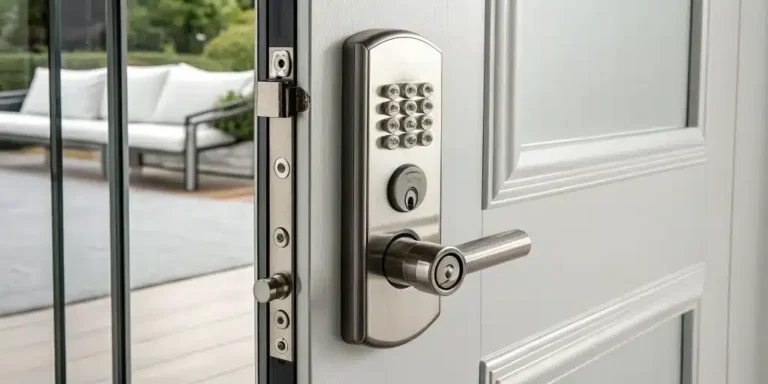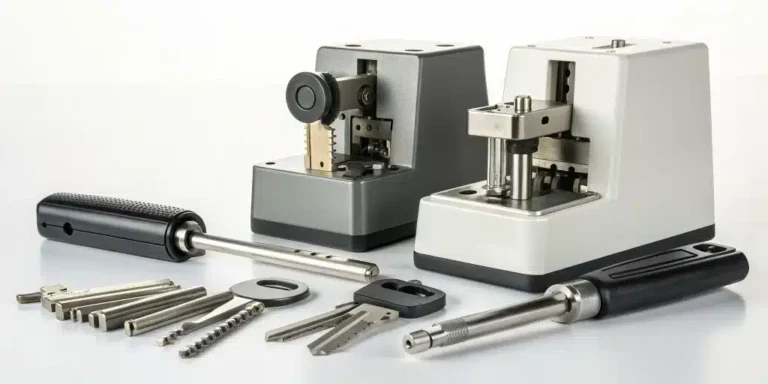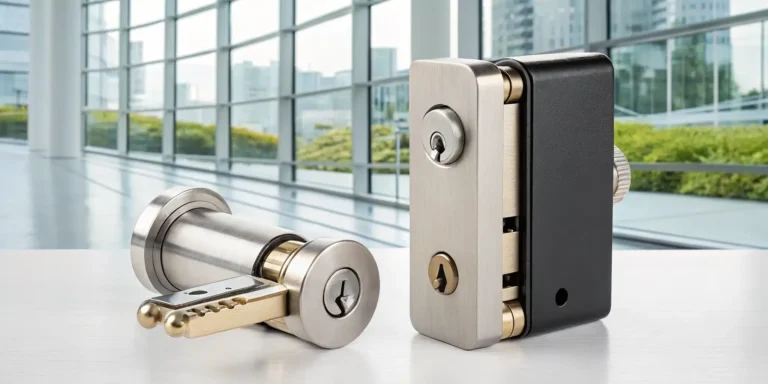
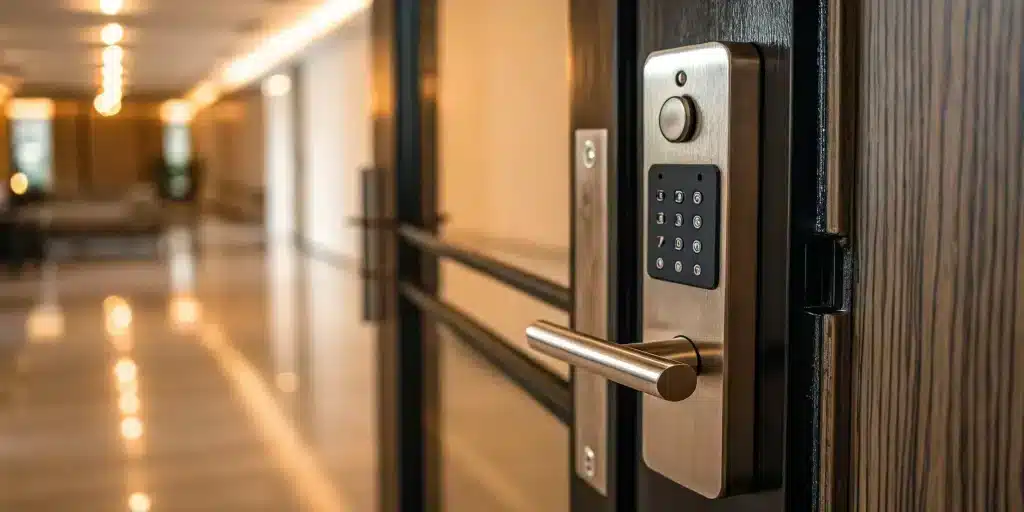
That standard lock on your apartment door probably came with the place. While it does the basic job of keeping the door shut, it likely offers little resistance against a determined intruder. Many people don’t realize how easily common locks can be bypassed with simple tools and techniques. This is where a true high-security lock changes the game entirely. They are engineered from the inside out with hardened steel, complex pin systems, and features designed to frustrate forced entry. The process of choosing high security locks for apartments means moving beyond the basics and investing in real protection. This guide will walk you through what makes these locks different, what features truly matter, and how to select the right one for your home. If you are comparing specific models, review our top high-security locks for NYC apartments.
Key Takeaways
- Focus on features, not just marketing: A true high-security lock is defined by specific components that resist picking, drilling, and unauthorized key copying. Look for ANSI/BHMA Grade 1 ratings and restricted key systems for proven protection.
- Your lease dictates your options: Before buying anything, review your rental agreement and speak with your landlord. Getting written permission to change a lock and providing a copy of the new key are essential steps to avoid violating your lease.
- A lock is only as strong as its installation: A high-security lock’s effectiveness depends on a perfect fit. A misaligned bolt or a weak door frame can create vulnerabilities, making professional installation a smart investment in your safety.
What Exactly Makes a Lock “High-Security”?
When you start shopping for locks, you’ll see the term “high-security” thrown around a lot. But what does it actually mean? It’s not just a fancy marketing label. A true high-security lock is engineered from the ground up to resist the common ways burglars try to get in. While a standard lock might stop a casual attempt, it often won’t stand up to a determined intruder with basic tools. Many people assume all locks offer similar protection, but this can leave your home vulnerable.
High-security locks are built differently. They use stronger materials, more complex internal mechanisms, and designs that anticipate and counter forced entry techniques. Think of it as the difference between a simple padlock and a bank vault door—both are locks, but they offer vastly different levels of protection. Upgrading your apartment’s security with a proper high-security lock means investing in features specifically designed to withstand picking, drilling, and other bypass methods. It’s about creating a much tougher barrier that makes your door a less appealing target. For anyone serious about their home’s safety, understanding these differences is the first step toward real peace of mind.
Resisting Lock Picks
One of the most common images of breaking in involves lock picking. High-security locks are designed with this exact threat in mind. Inside, they contain specialized components like anti-pick pins (think spool or mushroom-shaped pins) that catch and jam a pick, making it incredibly difficult for even a skilled person to manipulate the lock open. They are also built with hardened steel parts that resist tampering. Just as important is the key itself. Many high-security systems use restricted keys, which means you can’t just go to any hardware store to get a copy made. This key control ensures that only authorized individuals can duplicate your key, adding another critical layer of security.
Stopping Drills and Bumps
Beyond picking, burglars often resort to brute force. Two popular methods are drilling the lock open or “bumping” it. High-security locks are designed to withstand these attacks. To prevent drilling, they include hardened steel plates and ball bearings within the lock cylinder that will break a standard drill bit. Lock bumping is a technique that uses a specially cut key to align the pins and open the lock. High-security locks counter this with unique pin systems and sidebar mechanisms that won’t respond to a bump key. These features drastically reduce the chances of a successful forced entry, ensuring your lock holds up when it matters most.
Decoding Grade Ratings and Certifications
How can you be sure a lock is truly high-security? Look for its grade. The American National Standards Institute (ANSI) and Builders Hardware Manufacturers Association (BHMA) rate locks on a scale of 1 to 3 based on their durability and security. A Grade 1 lock is the highest rating, tested to withstand the most rigorous attacks, making it the best choice for exterior doors on your home or for commercial properties. While you might see other certifications, like the British Standard BS 3621, the ANSI/BHMA grade is the most common one to look for in the US. Choosing a Grade 1 lock ensures you’re getting a product that has been independently tested and proven to perform under pressure.
Key Features Your High-Security Lock Needs
When you start shopping for a lock, you’ll see a lot of marketing buzzwords. To find a truly secure option, you need to look past the packaging and focus on the specific features that protect against common break-in methods. A high-security lock isn’t just a stronger deadbolt; it’s a thoughtfully engineered system designed to resist manipulation, force, and unauthorized key duplication. Understanding these core components will help you choose a lock that provides real peace of mind for your apartment.
Anti-Pick Designs and Restricted Keys
One of the most common worries is that someone could simply pick your lock. While any lock can theoretically be picked with enough time and skill, high-security locks make it incredibly difficult. They use complex internal mechanisms, like specialized pins and tumblers, that are designed to frustrate and defeat picking tools. Beyond that, they often come with restricted keys. This means your key has a unique, often patented design that can’t be copied at a standard hardware store. This feature gives you total control over who has a key to your home, which is a crucial part of any solid residential security plan.
Reinforced Hardware and Hardened Steel
A lock is only as strong as the material it’s made from. High-security locks are built with hardened steel and reinforced components that can stand up to brute-force attacks like drilling, sawing, or hammering. They include features like hardened steel inserts and heavy-duty strike plates that anchor the lock firmly into the doorframe. But remember, even the best lock can’t do its job if the door or frame is weak. That’s why it’s important to ensure your entire entry point is secure. If your door is flimsy or the frame is cracked, you may need door repair services to create a solid foundation for your new lock.
Systems to Control Key Copying
Knowing exactly who has a key to your apartment is fundamental to feeling safe. Standard keys can be duplicated almost anywhere, making it easy for copies to fall into the wrong hands. High-security locks solve this problem with strict key control systems. When you have a high-security lock installed, you’ll typically receive a unique ID card that must be presented to an authorized dealer to get a new key made. This creates a clear record of every key and prevents unauthorized copies from being made by former tenants, contractors, or anyone else. This level of control is a core feature of modern security systems.
What Renters Must Know Before Changing Locks
Feeling secure in your own home isn’t a luxury—it’s a necessity. If you’re renting an apartment, you might be thinking about upgrading your locks for better peace of mind. It’s a smart move, but before you start swapping out hardware, there are a few crucial things you need to understand. As a renter, you’re in a partnership with your landlord, and changing locks without the proper steps can cause headaches you don’t need. Taking a moment to understand the rules can save you from violating your lease, losing your security deposit, or creating a difficult relationship with your property manager. Here’s what you need to do first to ensure your security upgrade goes smoothly.
Check Your Lease and Talk to Your Landlord
Before you do anything else, grab your rental agreement. Your lease is the rulebook for your apartment, and it almost certainly has a clause about making alterations to the property, which includes changing the locks. Many leases explicitly forbid tenants from changing locks without permission. Ignoring this could put you in breach of your contract. The best approach is always open communication. Talk to your landlord or property manager about your security concerns. They may be willing to upgrade the lock for you or give you permission to do it yourself. It’s always best to get this permission in writing to protect yourself.
Know Your Rights and Responsibilities
While you have responsibilities as a tenant, your landlord has them, too. Landlords have a legal responsibility to provide a safe and habitable living environment, and that includes secure doors and windows. It is absolutely your landlord’s responsibility to provide working locks. If your current lock is broken, flimsy, or doesn’t feel secure, you have the right to request a repair or replacement. You shouldn’t have to pay for a basic level of security that should have been there from the start. If you need a lock fixed or replaced, you can inform your landlord and suggest they call a professional residential locksmith to ensure the job is done correctly and your home is secure.
Local Rules for Providing Keys
Landlords must ensure that all of a property’s locks are in good operating order at the beginning of a rental agreement. In many places, including New York City, there are specific laws about the types of locks required, such as deadbolts on entry doors. If you get permission to change your lock, the story doesn’t end there. You will almost certainly be required to give your landlord a copy of the new key. This isn’t about them invading your privacy; it’s a safety and legal requirement. They need access in case of emergencies like a fire, flood, or if you get locked out. Failing to provide a key could be another lease violation, so make sure you follow through.
The Best High-Security Locks for Renters
Finding the right lock for your apartment can feel tricky. You want top-notch security, but you also have a lease agreement to consider. The good news is you have plenty of options that can secure your space without causing permanent changes or upsetting your landlord. From portable gadgets to smart tech, here are some of the best high-security locks perfect for renters in NYC.
Portable Locks You Can Take With You
If you’re looking for a simple, affordable, and commitment-free security layer, a portable lock is a fantastic choice. These devices are designed for people on the go and require no tools or drilling to install. A great example is the AceMining portable door lock, which acts as a door jammer you can set up in seconds. It’s an ideal solution for adding extra security when you’re home and is easy to pack up and take with you when you move. While it’s not a replacement for a sturdy deadbolt, it’s a powerful deterrent and provides peace of mind, especially in short-term rentals or while traveling.
Smart Locks That Won’t Alter Your Door
Want the convenience of a smart lock without replacing your existing hardware? You’re in luck. Retrofit smart locks are designed specifically for renters. The August Wi-Fi Smart Lock, for instance, fits right over the interior side of your current deadbolt. This means you can keep your original keys, but you also get features like auto-locking, remote access for guests, and alerts on your phone. Similarly, the Yale Approach Lock offers a compact design and an adhesive keypad, so you don’t have to drill new holes. These locks are part of modern security systems that give you more control over who enters your home, even when you’re not there.
Easy-to-Install Traditional Deadbolts
Sometimes, a classic, high-quality deadbolt is the way to go. Many modern deadbolts are designed for straightforward installation and offer excellent protection. The Kwikset 660 is a popular choice because its SmartKey technology makes it resistant to lock picking and lets you rekey the lock yourself. For something even less invasive, the Prime-Line U 10827 is a reinforcement lock that physically blocks the door from being forced open. It installs with a few small screws, and if you ever move, the holes are simple to patch up. If you’re not comfortable with a DIY installation, our residential locksmith team can ensure it’s installed perfectly for maximum security.
Smart Locks vs. Traditional Locks: Which Is Better?
Deciding between a smart lock and a traditional mechanical lock feels like choosing between futuristic convenience and time-tested reliability. It’s a major decision for your apartment’s security, and honestly, there’s no single right answer. The best choice depends entirely on your lifestyle, your comfort with technology, and what your lease allows.
Traditional high-security locks are the stalwarts of home defense. They rely on pure physical strength—hardened steel, complex pin systems, and controlled keys—to keep intruders out. They don’t need batteries, Wi-Fi, or a software update to do their job. On the other hand, smart locks offer a level of convenience and control that was once science fiction. You can grant access from your phone, see who’s been at your door, and say goodbye to that frantic search for your keys at the bottom of your bag.
Each type has its own set of strengths and potential weaknesses. Let’s break down what you need to know about both so you can feel confident in the lock you choose to protect your home.
The Case for Mechanical High-Security Locks
When you want straightforward, powerful security, nothing beats a high-quality mechanical lock. These aren’t your standard, off-the-shelf deadbolts. True high-security locks are built with hardened steel components that resist drilling and prying. Inside, they feature complex pin systems designed to frustrate even the most skilled lock pickers.
Their biggest advantage, however, is their independence. A mechanical lock isn’t vulnerable to power outages, Wi-Fi failures, or digital hacking. Its security is purely physical. The most critical feature is a restricted key system, which ensures that no one can make a copy of your key without your authorization. This gives you complete control over who has access to your apartment. For many renters, this simple, powerful defense is the ultimate peace of mind for their residential security.
The Pros and Cons of Smart Locks
The biggest draw of a smart lock is undeniable: convenience. The ability to unlock your door with your phone, a code, or even your fingerprint means you’ll never have to dig for keys again. You can grant temporary access to a friend, cleaner, or dog walker without handing over a physical key. Plus, most smart locks keep a log of who enters and when, giving you a clear picture of activity at your door.
Of course, many people worry that smart locks are less secure. While a cheap, poorly designed model can be a liability, high-quality smart locks from reputable brands are incredibly tough to crack. The more practical concerns are a dead battery or a Wi-Fi outage leaving you stranded—though most have a backup keyway. They are a key part of modern security systems, but it’s essential to choose one with a strong physical build, not just cool tech features.
Getting the Best of Both Worlds with Hybrid Locks
If you’re torn between the reliability of a traditional lock and the convenience of a smart one, a hybrid model might be the perfect solution. These locks offer the best of both worlds: smart features like keyless entry and remote access, plus a traditional keyhole for backup. This simple addition provides a crucial failsafe. If the battery dies or your phone is lost, you can still get inside with a physical key.
This dual approach removes much of the anxiety associated with going fully digital. Many of these hybrid systems also have override features, allowing a locksmith to re-key the lock even if digital access codes are lost. They combine the intelligence of modern technology with the proven security of a mechanical deadbolt, giving you flexibility and, most importantly, peace of mind.
Which Lock Brands Can You Trust?
When you’re standing in a hardware store aisle, it’s easy to assume all locks offer similar protection. This is a common mistake that can leave your home vulnerable. The brand name on the box really does matter, as different manufacturers build their products to meet very different security standards. A high-quality lock is an investment in your peace of mind, so it’s worth knowing which brands have earned the trust of security professionals. We look for brands that prioritize strong materials, innovative design, and strict key control.
Our Go-To Recommendations
True high-security locks are in a class of their own. They are built with features like hardened steel components to resist drilling and anti-pick pins that frustrate attempts at manipulation. More importantly, they often come with restricted key systems. This means no one can run to a corner store and make a copy of your key without your authorization. A lock is only as secure as the keys that open it, which is why we consistently recommend brands like Medeco and Mul-T-Lock for top-tier residential security. These brands are engineered to provide maximum resistance against forced entry and unauthorized key duplication.
Why We Trust Medeco
Medeco has built its reputation on creating locks that drastically reduce the chance of a break-in. Their secret lies in patented key control systems and sophisticated cylinder designs. Medeco keys are cut at unique angles and elevations, making them nearly impossible to copy without special equipment and proper authorization. This system gives you total control over who has a key to your apartment. Beyond key control, their locks are UL 437 listed, meaning they’ve been rigorously tested to withstand picking, drilling, and other forms of physical attack. When you install a Medeco lock, you’re getting a proven piece of security hardware designed for serious protection.
A Look at Schlage and Kwikset
You’ll find Schlage and Kwikset in just about every big-box store, and they are by far the most common brands in American homes. While both are household names, they serve different security needs. Kwikset is generally considered a basic, budget-friendly option suitable for interior doors or low-risk areas. Schlage, on the other hand, offers a wider range of products, including some durable, higher-grade deadbolts that provide solid security for most apartments. While a top-of-the-line Schlage is a definite upgrade from a standard lock, most of their products don’t offer the same level of key control or pick resistance as a dedicated high-security brand like Medeco. If you find yourself locked out or need a quick replacement, our emergency locksmiths can help you choose the right option for your situation.
What’s the Real Cost of a High-Security Lock?
When you start looking at high-security locks, it’s easy to get a little sticker shock. They definitely cost more than the standard locks you can grab off the shelf at a hardware store. But thinking about the price isn’t just about the number on the tag—it’s about what you’re actually paying for. The real cost is a mix of the hardware itself, the installation, and the long-term value it provides.
Investing in a high-security lock is an investment in your peace of mind. It’s the difference between a basic deterrent and a serious barrier against break-ins. These locks are engineered with features specifically designed to stop common methods of forced entry, from picking to drilling. So, while the upfront cost is higher, it’s important to weigh that against the potential cost—both financial and emotional—of a security breach. A high-security lock is only as good as its installation, so factoring in professional help is crucial for getting the protection you’re paying for. Ultimately, the cost reflects a higher level of engineering, better materials, and a more robust defense for your home.
Price Ranges for Different Lock Types
You can find a basic deadbolt for under $50, but a true high-security lock will cost more. Prices typically start around $150 and can go up to $500 or more, depending on the brand, features, and security grade. What are you getting for that extra money? It comes down to better materials and smarter design. High-security locks are made with hardened steel components, complex pin systems that resist picking, and features that protect against drilling and bumping. They also often come with restricted key systems, which means no one can make a copy of your key without your permission. This level of key control is a major security upgrade that standard locks just don’t offer.
The Cost of DIY vs. Professional Help
It can be tempting to buy a great lock and try to install it yourself to save some cash. But a high-security lock is only as good as its installation. If it’s not fitted perfectly into your door and frame, it can create vulnerabilities that completely undermine its advanced features. A misaligned strike plate or an improperly set deadbolt can make an expensive lock easy to force open. Hiring a professional ensures the job is done right. A skilled locksmith will not only install the lock correctly but also make sure it’s compatible with your door. For NYC renters, professional installation from a residential locksmith also guarantees you’re not violating your lease by damaging the door.
Is It a Good Long-Term Investment?
Absolutely. Think of a high-security lock not as an expense, but as a long-term investment in your safety and property. The initial cost is higher, but these locks are built from durable, high-quality materials designed to last for years, saving you from having to replace cheaper locks that wear out or break. They drastically reduce the risk of a break-in, protecting your valuables and, more importantly, giving you a sense of security at home. Over time, the value becomes even clearer. The cost of one break-in—replacing stolen items and repairing damage—is far greater than the price of a quality lock. By choosing the right high-security lock, you’re making a smart financial decision that pays off every day.
Common Myths About High-Security Locks
When you start looking into better locks for your apartment, you’ll run into a lot of opinions and misinformation. It can be tough to separate fact from fiction. Let’s clear the air by tackling a few of the most common myths about high-security locks. Understanding the truth will help you choose the right protection for your home with confidence.
Myth: They’re Completely Pick-Proof
It’s a common belief that a high-security lock is an impenetrable fortress. While they are incredibly tough, no lock is 100% pick-proof. The real goal of a high-security lock is to be so complex and time-consuming to bypass that a potential intruder gives up and moves on. They use features like specialized pin systems, intricate keyways, and security pins that make them highly resistant to picking, bumping, and drilling. A high-security lock drastically reduces the likelihood of a successful break-in, turning a task that might take seconds on a standard lock into a difficult, noisy, and lengthy ordeal for even a skilled professional.
Myth: Smart Locks Are Less Secure
The idea of a lock being hacked is understandably scary, which leads many to believe smart locks are less secure than their traditional counterparts. This misconception usually comes from a lack of familiarity with the technology. Reputable smart locks use advanced encryption standards to protect their communications, making them extremely difficult to compromise digitally. In many ways, they can offer superior security. You get features like activity logs to see who comes and goes, the ability to grant temporary access without handing out a physical key, and auto-locking so you never have to wonder if you forgot to lock the door. These modern security systems offer a level of control and monitoring that traditional locks simply can’t match.
Myth: You Always Need a Professional Installer
While having a professional install your lock is always a surefire way to know it’s done right, it’s not always a requirement. Many high-security locks, particularly smart locks and deadbolts designed for renters, are created for straightforward DIY installation. These often fit into existing holes and don’t require any permanent modifications to your door. The key is to carefully follow the manufacturer’s instructions. However, if your door is warped, the frame is misaligned, or you’re installing a more complex system, calling a professional is the best move. A poorly installed lock is an insecure lock, no matter how advanced it is, so if you have any doubts, it’s wise to get expert help with your door repair and installation.
Should You DIY or Hire a Pro?
Deciding to install a high-security lock yourself can feel empowering and budget-friendly. But when it comes to something as important as your home’s security, a flawless installation is non-negotiable. A high-security lock is only effective if it’s installed correctly, and a small mistake can compromise its advanced features. Before you break out the toolbox, it’s worth weighing the benefits of a DIY project against the expertise and peace of mind that comes with hiring a professional. Your decision will depend on the complexity of the lock, the condition of your door, and your own comfort level with the task.
When to Call in a Professional
For some situations, calling a professional is the only way to go. If you’re securing a business, a commercial locksmith ensures your new locks are code-compliant, which is crucial for meeting local regulations and insurance requirements. Even for apartments, if the lock you’ve chosen has a complex mechanism or requires precise modifications to your door or frame, an expert is your best bet. A professional has the specialized tools and experience to handle tricky installations without damaging your property. Plus, a pro installation often protects the lock’s warranty and guarantees that every security feature is functioning exactly as the manufacturer intended.
What You Need to Know for a DIY Install
If you’re set on a DIY installation, preparation is everything. Many landlords opt for basic locks that are simple to swap out, but a high-security model is a different beast. Before you begin, make sure you fully understand the specific features and installation requirements of the lock you’ve chosen. Read the instructions from start to finish—twice. Do you have all the right tools? Is your door frame solid and properly aligned? A successful DIY project requires patience and precision. If you start the process and find you’re in over your head, don’t hesitate to call a residential locksmith to take over and ensure the job is done right.
Common DIY Mistakes That Weaken Security
A high-security lock is only as secure as its weakest point, and a poor installation can create several. One of the most common DIY errors is improper alignment of the deadbolt and the strike plate, which can prevent the bolt from fully extending and make it easier to force open. Another critical mistake is forgetting about the other entry points. Installing a top-tier lock on your front door while leaving a flimsy one on the back creates an obvious vulnerability. Finally, a professional ensures that features like restricted key duplication are properly managed from the start. A botched installation can not only negate your lock’s security but also lead to costly door repair and installation down the line.
How to Keep Your High-Security Lock Working Perfectly
Investing in a high-security lock is a fantastic first step toward securing your apartment, but it’s not a one-and-done deal. Like any important piece of equipment, your lock needs a little attention to keep it functioning at its best. A well-maintained lock not only lasts longer but also provides the reliable protection you paid for. The good news is that upkeep is straightforward and doesn’t require much time. By building a few simple habits, you can ensure your door’s first line of defense remains strong and dependable for years to come, giving you lasting peace of mind.
Simple Steps for Regular Upkeep
Think of lock maintenance as a quick health check-up for your door. Once or twice a year, spray a small amount of a dry lubricant, like one with a graphite or silicone base, directly into the keyway. This keeps the internal pins moving smoothly without attracting the dust and grime that oil-based products can. While you’re at it, check that all the screws on the lock, strike plate, and hinges are tight. A wobbly lock is an insecure one. Also, pay attention to your door itself. If it sticks or doesn’t close smoothly, it might be misaligned, which puts unnecessary strain on the lock’s bolt. A properly aligned door is essential for your lock’s long-term health.
Keeping Track of Your Keys
A high-security lock is only as secure as the keys that open it. This is especially true for locks with restricted keys, which are designed to prevent unauthorized duplication. The best practice is to be extremely mindful of who has a copy. Avoid leaving spares in obvious hiding spots like under the mat or in a fake rock—they’re the first places a burglar would look. Instead, give a spare key only to a trusted family member or friend. If you ever lose a key, don’t wait and hope it turns up. The safest move is to call a professional locksmith right away to have your lock rekeyed, making the lost key useless.
Signs It’s Time for a New Lock
Even with great care, locks don’t last forever. It’s important to recognize the warning signs that your lock is nearing the end of its life. If you find yourself jiggling the key to get it to turn, or if it feels unusually difficult to insert or remove, the internal mechanism is likely worn down. Visible rust or corrosion on the lock is another major red flag, as it can compromise the metal’s strength. Similarly, if the latch no longer clicks securely into place, your door isn’t fully protected. Ignoring these issues can lead to a lockout or, worse, a security failure. When you notice these signs, it’s time to call for a lock change to keep your home secure.
Related Articles
- 6 Best Locks For An Apartment Door (Renter-Friendly)
- Moving Into A New Home? Prioritize (Guide)
- Residential Locksmith
Frequently Asked Questions
Is a high-security lock really worth the extra cost for an apartment? Yes, it’s a worthwhile investment in your safety. The higher price tag reflects superior engineering and materials, like hardened steel, that are specifically designed to resist common break-in techniques like drilling and picking. While a standard lock might deter a casual attempt, a high-security lock is built to withstand a determined one. Think of it as paying for peace of mind and a much stronger first line of defense for your home.
My landlord said no to changing the lock. What are my options now? You still have great options that don’t require permanently altering the door. Consider a portable lock that you can easily install and remove from the inside whenever you’re home. Another excellent choice is a retrofit smart lock, which fits over your existing deadbolt hardware. This gives you modern features like keyless entry without changing the original lock, keeping you in compliance with your lease.
What’s the most important thing to know about key control? Key control is your power to decide exactly who can have a copy of your key. With standard keys, anyone can make a duplicate at a local hardware store. High-security locks solve this with restricted keys. These systems require you to present a special ID card to an authorized dealer to get a copy made, preventing former tenants, contractors, or anyone else from making a copy without your permission.
What happens if my smart lock’s battery dies or the Wi-Fi goes out? This is a common worry, but reputable smart lock brands have designed their products with backups in mind. Most models will give you low-battery warnings on your phone well in advance. Even if the battery does die, nearly all smart locks also have a traditional keyhole so you can always get in with a physical key. The Wi-Fi going out typically only affects remote features, not your ability to unlock the door when you’re standing in front of it.
How can I tell if the lock on my apartment is already a high-security one? A quick way to check is to look at the brand name on the lock and the key itself. Brands like Medeco or Mul-T-Lock are clear indicators of a high-security system. You can also look for an ANSI/BHMA Grade 1 rating stamped on the lock’s faceplate. Finally, examine the key. If it has a complex, patented shape and is stamped with “Do Not Duplicate,” you likely have a high-security lock with restricted key control.
Need professional help in NYC? Contact Golden Key Locksmith NYC for Manhattan Locksmith Services or Apartment Lockout Help. Available 24/7 across Manhattan and all NYC boroughs.